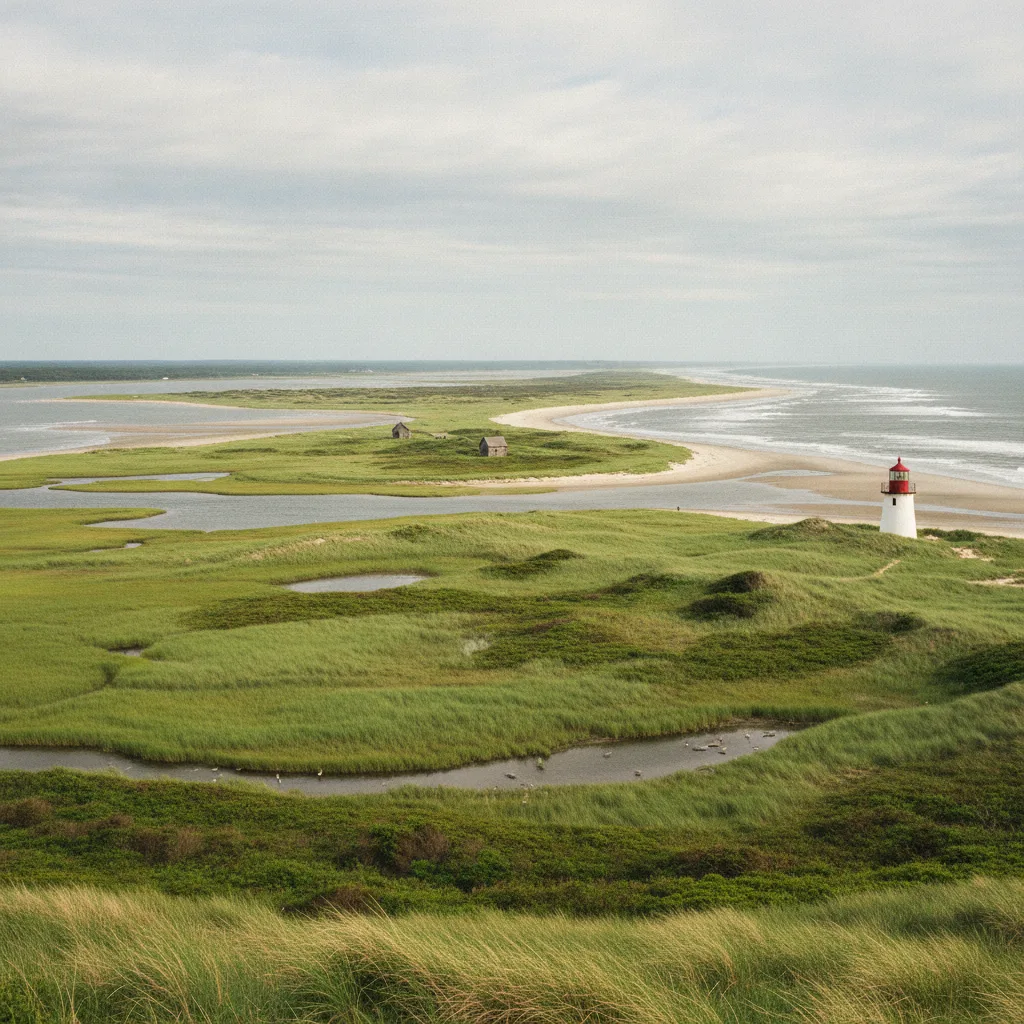
Our Monomoy National Wildlife Refuge guide covers practical planning for Monomoy National Wildlife Refuge Massachusetts — best time to visit, getting there, and what to do on the ground.
As independent US travel authorities, our team at Roam States is dedicated to bringing you confident, specific, and never generic insights for your adventures. When it comes to the remote and pristine beauty of Monomoy National Wildlife Refuge Massachusetts, we've compiled everything you need to know for a truly impactful visit in 2026. This barrier island refuge, located off the elbow of Cape Cod, is a critical habitat for migratory birds and home to vast seal colonies, offering a unique opportunity to connect with nature in one of Massachusetts' most ecologically important regions.
Why Visit Monomoy National Wildlife Refuge
Visiting Monomoy National Wildlife Refuge offers an unparalleled opportunity to immerse yourself in a truly wild coastal ecosystem. This 7,921-acre federal wildlife refuge protects barrier islands, coastal marshes, and intertidal flats that are vital for over 285 bird species, between 30,000 and 50,000 gray seals, and five federally protected species, including the piping plover and roseate tern.
The refuge is a significant stop along the Atlantic Flyway for migratory shorebirds, making it a premier destination for birdwatching. Beyond the incredible avian diversity, visitors are drawn to the chance to observe large colonies of gray seals hauled out on the secluded beaches, particularly on South Monomoy Island. Nearly half of the refuge's total acreage carries a federal wilderness designation, preserving its unique character and offering a chance to experience undisturbed natural beauty. Whether you're a keen wildlife photographer, an avid birder, or simply seeking a tranquil escape into nature, Monomoy delivers a profound connection to the wild.
Who It's Best For
Monomoy National Wildlife Refuge is ideally suited for nature enthusiasts, birdwatchers, wildlife photographers, and anyone seeking a truly remote and undisturbed coastal experience. If you appreciate rugged landscapes, the raw beauty of barrier islands, and the thrill of observing wildlife in its natural habitat, this refuge is for you. It's particularly appealing to those who enjoy self-guided exploration and are comfortable with limited amenities, as there are no shops or restaurants on the islands.
Our team recommends it for travelers who are prepared for boat access to the offshore islands and understand the importance of respecting sensitive wildlife habitats. Families with older children who have an interest in nature and wildlife will find it an educational and memorable destination. However, those looking for traditional beach amenities, easy accessibility, or a bustling tourist experience might prefer other Cape Cod National Seashore locations or nearby towns like Chatham.
Getting There & Parking
Accessing Monomoy National Wildlife Refuge requires some planning, as the refuge consists of a mainland unit (Morris Island) and three offshore barrier islands (North Monomoy, South Monomoy, and Minimoy).
How to Get There
The Morris Island unit is the most accessible part of the refuge and can be reached on foot. The offshore islands, however, are accessible only by boat.
- To Morris Island (Mainland Unit): Drive to Chatham, Massachusetts. The Morris Island trails are accessible year-round from the parking area at 30 Wikis Way, Chatham, MA 02633.
- To North and South Monomoy Islands: The refuge does not operate its own public boat service. You'll need to arrange passage with a commercial tour operator or a private boat with the necessary permits. Companies like Stage Harbor Excursions and Got Stryper Charters hold 2026 U.S. Fish and Wildlife Service Special Use Permits to disembark passengers on the Monomoy Islands. Other operators, such as Monomoy Island Excursions and Beachcomber Boat Tours, offer water-only tours around the islands for seal and wildlife viewing without landing. For a day trip to Monomoy Island Lighthouse with a naturalist-led walking tour, Monomoy Island Ferry offers private charters. Seal watch tours are a popular option for viewing seals and seabirds from the boat.
Parking
- Morris Island Unit: Parking for the Morris Island trails is available at 30 Wikis Way, Chatham, MA 02633. Our team advises arriving early, especially in summer, as this parking area fills quickly.
- Visitor Center: The refuge's new visitor center, which opened in fall 2025, is located at 791 Main Street, Chatham. Parking for the visitor center is available at the Chatham Community Center at 702 Main Street, a short walk away, or across the street next to the post office.
- Offshore Islands: There is no parking directly on Monomoy Island itself. You will park in Chatham and take a boat or tour from there.
There is no fee to visit the Morris Island unit.
Top Things to Do
Monomoy National Wildlife Refuge offers a range of wildlife-dependent recreational opportunities, making it a prime destination for nature lovers. Our team recommends focusing on these key activities to fully experience the refuge's unique offerings.
Seal Watching
One of the most compelling things to do at Monomoy National Wildlife Refuge is observing its massive gray seal colonies. South Monomoy Island hosts the largest gray seal haul-out site on the entire U.S. Atlantic Coast, with between 30,000 and 50,000 seals relying on the refuge's lands and waters throughout the year. While seeing them on South Monomoy requires a boat tour, which gets you close to beaches where hundreds of seals gather on sandbars and shorelines, you can also often spot seals from the observation deck at the Chatham Fish Pier on the mainland. Seal tours are incredibly popular and offer close-up views of these impressive marine mammals.
Birdwatching
As a critical stop along the Atlantic Flyway, birdwatching is another top thing to do at Monomoy National Wildlife Refuge. The refuge provides essential resting, nesting, and feeding habitat for over 285 bird species, including federally protected piping plovers, roseate terns, and red knots. Spring and fall migrations bring high counts of shorebirds and waterfowl, while summer offers opportunities to see nesting colonial waterbirds and terns. The Morris Island unit, with its self-guided trail, is an excellent spot for birdwatching from the mainland.
Wildlife Photography
With its abundant and diverse wildlife, Monomoy National Wildlife Refuge is a dream destination for photographers. The dramatic coastal landscapes, vast seal colonies, and numerous bird species provide endless opportunities for stunning shots. Our team suggests bringing a telephoto lens for wildlife and being prepared for varying light conditions. Dawn and dusk are often the best times to capture wildlife in action.
Kayaking and Boating
Exploring the waters surrounding the refuge by kayak or private boat offers a unique perspective of the islands and their inhabitants. This allows for close-up views of seals and birds in their natural coastal habitats. Remember that landing on the offshore islands requires a permit, so plan accordingly if you intend to disembark.
Best Time to Visit
The best time to visit Monomoy National Wildlife Refuge largely depends on your specific interests, as different seasons highlight various aspects of its rich wildlife.
- Spring (March-May): This is an excellent time for birdwatching as shorebirds begin to return. Cooler temperatures make for comfortable exploration.
- Summer (June-August): While nesting season is ecologically active, it also brings more restrictions in certain areas to protect vulnerable species like piping plovers and terns. Summer and early fall are popular for mild weather and active wildlife sightings, including horseshoe crabs depositing eggs along the coastline.
- Fall (August-November): Fall migration brings high shorebird counts back through Monomoy, and freshwater ponds fill with migrating waterfowl. Gray seal numbers increase significantly on South Monomoy Island. The weather is milder, and visitor pressure drops after Labor Day, making this a strong window for photography and wildlife observation.
- Winter (December-February): The refuge is quieter with fewer restrictions. Winter and early spring are prime for seal viewing, as gray seal concentrations on the beaches of South Monomoy are at their highest. Sea ducks and waterfowl also utilize the coastal waters.
For optimal seal viewing, our team recommends visiting during the winter and early spring months. For birdwatching, spring and fall offer the best opportunities to see migratory species.
Where to Stay Nearby
While Monomoy National Wildlife Refuge itself does not offer lodging, the nearby town of Chatham provides a charming and convenient base for your visit. Chatham offers a range of accommodations, from luxury inns to more budget-friendly options.
Monomoy National Wildlife Refuge Lodging Options in Chatham:
- Luxury Stays: For an upscale experience, consider the Chatham Bars Inn, known for its amenities and prime location.
- Boutique Inns: The Chatham Wayside Inn and Captain's House Inn are highly-rated boutique options offering personalized hospitality.
- Mid-Range Hotels: Surfside Inn Chatham and the Greyfinch Chatham Inn offer comfortable stays with good reviews.
- Budget-Friendly: Options like the Chatham Seafarer Inn and The Chatham Motel provide more economical choices.
Many of these hotels are located close to Chatham's charming Main Street, offering easy access to dining, shops, and other local attractions after a day of exploring the refuge. Our team recommends booking accommodations in advance, especially during peak seasons, as Chatham is a popular Cape Cod destination. For additional lodging options across the state, explore our guide to Best Places in Massachusetts.
Sample 2-Day Itinerary
To help you maximize your visit to Monomoy National Wildlife Refuge Massachusetts, our team has crafted a sample 2-day itinerary, balancing wildlife observation with the charm of nearby Chatham.
Day 1: Morris Island Exploration & Chatham Charm
- Morning (8:00 AM - 12:00 PM): Morris Island Unit. Start your day early at the Morris Island unit of Monomoy National Wildlife Refuge. Park at 30 Wikis Way, Chatham, and explore the self-guided Morris Island Trail. This approximately one-mile trail passes through salt marsh, coastal dune, and intertidal habitats, offering excellent opportunities for birdwatching and scenic views of the flats. Look for shorebirds foraging and enjoy the peaceful coastal environment. Remember to bring water, sunscreen, and binoculars.
- Lunch (12:00 PM - 1:30 PM): Downtown Chatham. Head into downtown Chatham for lunch. Enjoy fresh seafood at one of the many local restaurants.
- Afternoon (1:30 PM - 4:00 PM): Chatham Lighthouse & Fish Pier. Visit the iconic Chatham Lighthouse for panoramic ocean views. Afterwards, walk to the Chatham Fish Pier to watch local fishermen unload their daily catch and, if you're lucky, spot seals swimming nearby. This is a great land-based spot for seal viewing.
- Evening (4:00 PM onwards): Explore Main Street. Stroll along Main Street Chatham, browsing the local boutiques, art galleries, and ice cream shops. Consider an early dinner to prepare for an early start tomorrow.
Day 2: Offshore Island Adventure & Coastal Perspectives
- Morning (8:00 AM - 1:00 PM): Monomoy Island Boat Tour. This is the highlight for many visitors. Book a guided boat tour to North or South Monomoy Island. These tours provide access to the remote barrier islands, offering close-up views of the vast gray seal colonies and a chance to spot a wider array of migratory birds. Some tours allow disembarkation for hiking on the islands, often including a visit to the historic Monomoy Lighthouse. Be sure to book in advance, especially during peak season.
- Lunch (1:00 PM - 2:30 PM): Harwich Port or Chatham. Return to the mainland for lunch. If your boat tour departed from Harwich Port, enjoy a meal there, or head back to Chatham.
- Afternoon (2:30 PM - 5:00 PM): Cape Cod National Seashore. For another coastal perspective, drive north to explore a section of Cape Cod National Seashore. You can hike scenic trails or relax on sandy beaches, experiencing the broader natural beauty of the Cape. This complements the unique ecosystem of Monomoy.
- Evening: Relax & Reflect. Enjoy a relaxing evening at your chosen Cape Cod lodging. Consider a sunset stroll on a local beach to reflect on your wildlife encounters.
Monomoy National Wildlife Refuge Hiking Trails
While the offshore islands of Monomoy National Wildlife Refuge are primarily accessed by boat, the mainland Morris Island unit offers accessible and rewarding hiking opportunities. Our team finds that the Monomoy National Wildlife Refuge hiking trails on Morris Island provide an excellent introduction to the refuge's diverse coastal habitats.
- Morris Island Trail: This is the most accessible entry point to the refuge. The main Morris Island Trail is approximately 0.99 miles long and guides you through salt marsh, coastal dune, and intertidal habitats. Along the way, you'll find interpretive panels that offer insights into the refuge's wildlife and ecosystems.
- Morris Island Interpretive Trail: A shorter, 0.09-mile loop, this trail focuses on educational panels, making it perfect for a leisurely stroll and learning about the local environment.
- Morris Island Beach Trail: This 0.04-mile path leads directly to a small viewing platform, offering direct access to the beach and expansive views.
These Monomoy National Wildlife Refuge hiking trails are open year-round from sunrise to sunset. Visitors can pick up a self-guided trail map at the info kiosk near the parking area or download it from the U.S. Fish and Wildlife Service website. Remember to stay on designated trails to protect sensitive habitats and nesting birds. Leashed dogs are permitted on the Morris Island trails only during the off-season, from September 16 through April 30. They are never allowed on the offshore islands.
Is It Worth Visiting?
Our team confidently asserts that Monomoy National Wildlife Refuge is absolutely worth visiting for those who appreciate unspoiled nature and unique wildlife encounters. This remote barrier island refuge is a true gem on Cape Cod, offering experiences that differ significantly from the more developed areas of Massachusetts.
The chance to witness tens of thousands of gray seals lounging on secluded beaches is a spectacle truly worth visiting. For birdwatchers, the refuge's role as a critical stop on the Atlantic Flyway, supporting hundreds of migratory and nesting bird species, is a compelling draw. The federally designated Wilderness Area status for nearly half of its acreage ensures a pristine and undisturbed environment, a rarity in today's world. While access to the offshore islands requires a boat, the effort is rewarded with a profound connection to a wild, dynamic coastal ecosystem. If you're seeking an authentic, impactful nature experience away from the crowds, Monomoy National Wildlife Refuge delivers.
FAQ
Monomoy National Wildlife Refuge camping
There is no camping permitted within Monomoy National Wildlife Refuge. The refuge is dedicated to protecting sensitive coastal habitats and wildlife, and overnight stays are not allowed. For camping options, you would need to look for private campgrounds or state parks elsewhere on Cape Cod. While Recreation.gov lists Monomoy National Wildlife Refuge, it is for reserving permits and activities, not camping.
Things to do in Chatham
Chatham, the charming town closest to Monomoy National Wildlife Refuge, offers a delightful array of activities. Our team recommends exploring Main Street for local boutiques, art galleries, and cafes. Visit the Chatham Lighthouse for stunning coastal views and the Chatham Fish Pier to watch fishing boats and spot seals. You can also take a seal cruise or harbor tour, bike a section of the Cape Cod Rail Trail, or relax at beaches like Harding's Beach or Ridgevale Beach. Summer often brings band concerts and farmers markets.
Monomoy National Wildlife Refuge with kids
Visiting Monomoy National Wildlife Refuge with kids can be a fantastic educational experience, especially for older children interested in nature and wildlife. Our team suggests focusing on the Morris Island unit for easier access and hiking. Kids will love spotting birds and learning about the coastal ecosystem from the interpretive panels. A seal watch boat tour is also highly recommended, as it gets them close to the seals without the need for extensive hiking on the remote islands. Remember to pack essentials like water, snacks, and sunscreen, as amenities are limited.
Best hotels near Monomoy National Wildlife Refuge
The best hotels near Monomoy National Wildlife Refuge are primarily located in Chatham, Massachusetts. Top recommendations include luxury options like the Chatham Bars Inn and Wequassett Resort and Golf Club. For highly-rated boutique stays, consider the Chatham Wayside Inn or Captain's House Inn. Mid-range choices include Surfside Inn Chatham and Greyfinch Chatham Inn. For a more budget-friendly stay, the Chatham Seafarer Inn and The Chatham Motel are popular choices.
Monomoy National Wildlife Refuge tips
Our team offers these essential tips for a successful visit to Monomoy National Wildlife Refuge:
- Plan Ahead: Access to the offshore islands is by boat only, requiring advance booking with a tour operator.
- Pack Essentials: There are no stores or facilities on the islands, so bring plenty of water, snacks, sunscreen, and any necessary gear.
- Dress Appropriately: Be prepared for changing weather, strong winds, and uneven terrain. Comfortable walking shoes are a must.
- Respect Wildlife: Stay on designated trails and maintain a safe distance from animals. Avoid disturbing nesting birds, especially during summer.
- Leave No Trace: Pack out all trash and personal items to protect the sensitive habitat.
- Check Dog Regulations: Dogs are prohibited on the offshore islands year-round and on Morris Island from May 1 to September 15.
- Binoculars & Camera: Essential for birdwatching, seal viewing, and capturing the stunning landscapes.
Where to stay near Monomoy National Wildlife Refuge
The primary place to stay near Monomoy National Wildlife Refuge is the town of Chatham, Massachusetts. It offers the closest proximity and the widest range of accommodation options, from luxury resorts to charming inns and motels. Other nearby towns on Cape Cod, such as Harwich or Orleans, also provide good choices and are within a reasonable driving distance, offering a variety of hotels, B&Bs, and vacation rentals.
Our team's verdict is clear: Monomoy National Wildlife Refuge is a truly special destination for those seeking an authentic encounter with coastal wilderness and abundant wildlife. Its remote nature and focus on conservation make it a distinct experience on Cape Cod, offering unparalleled opportunities for birdwatching, seal viewing, and peaceful exploration. We encourage you to plan your trip carefully, embrace the natural environment, and prepare for an unforgettable journey into one of Massachusetts' most vital ecosystems. For more travel inspiration in the region, consider exploring other iconic destinations like Cape Ann or the historic Boston Public Library.
Last updated: 2026-07-14 by the Roam States team.