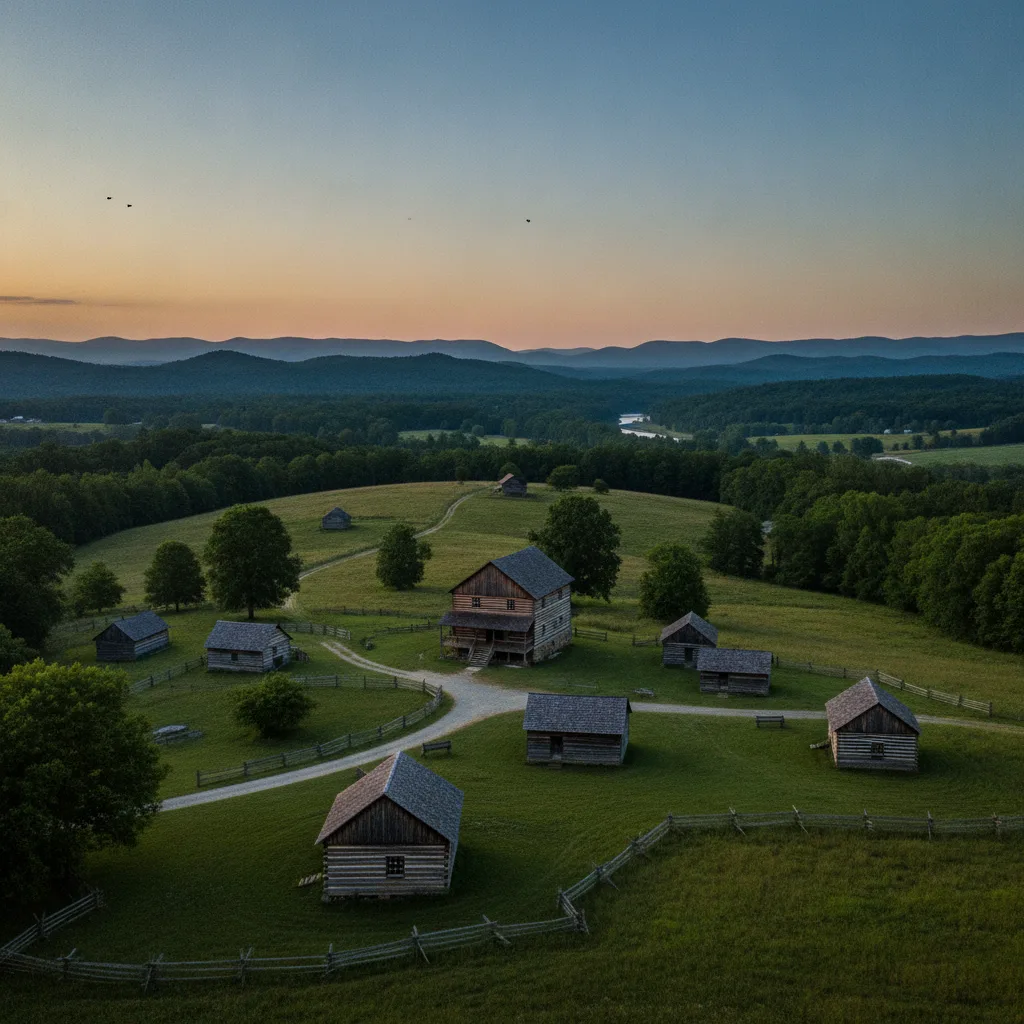
Our Museum of Appalachia guide covers practical planning for Museum of Appalachia Tennessee — best time to visit, getting there, and what to do on the ground.
Museum of Appalachia Travel Guide — Tennessee
Our team at Roam States has spent years exploring the hidden gems and celebrated landmarks across the United States, and few places capture the spirit of a bygone era quite like the Museum of Appalachia Tennessee. This living history museum, nestled in the scenic East Tennessee Valley, offers an unparalleled glimpse into the pioneer and mountain culture that shaped Southern Appalachia. It’s a place where history isn't just displayed behind glass, but lives and breathes through meticulously preserved log cabins, thousands of authentic artifacts, and vibrant demonstrations of traditional crafts. We've compiled this comprehensive guide to ensure your visit is as enriching and seamless as possible, providing all the essential 2026 facts you need for planning.
Why Visit Museum of Appalachia
For those wondering, "is Museum of Appalachia worth visiting?", our resounding answer is yes. This isn't just another museum; it's an immersive journey back in time, offering a profound connection to the resilient spirit of the Appalachian people. We believe its unique approach to living history sets it apart, making it an essential stop for anyone interested in American heritage. The museum sprawls across 63 acres, featuring over 30 historic buildings that have been carefully relocated and restored, creating an authentic pioneer mountain farm-village. Imagine stepping into a log cabin that once housed a family a century ago, seeing the tools they used, and understanding the challenges and triumphs of their daily lives. The stories of these pioneers are told not just through relics, but often in their own words on signs throughout the museum, adding a deeply personal touch to the experience.
Beyond the static displays, the Museum of Appalachia brings history to life with demonstrations by regional craftsmen, traditional music performances, and interactions with farm animals. It’s a sensory experience that engages visitors of all ages, allowing you to witness skills like blacksmithing, weaving, and cooking over an open fire. We find that this dynamic presentation truly makes the history resonate, offering insights that textbooks simply cannot. The museum is also a Smithsonian Affiliate, a testament to its significant contributions to preserving and interpreting American history and culture. This affiliation underscores its importance as a national treasure. If you're pondering whether a trip here is worth your valuable travel time, we assure you that the depth of history, the authenticity of the experience, and the dedication to preserving this unique culture make the Museum of Appalachia an incredibly rewarding destination.
Who It's Best For
The Museum of Appalachia truly offers something for everyone, making it a versatile destination for a wide range of travelers. We see it as an ideal spot for families, history buffs, cultural enthusiasts, and even those simply seeking a peaceful escape into a picturesque rural setting. Children, in particular, thrive here, as the interactive nature of the exhibits and the presence of friendly farm animals provide an engaging learning environment. It’s a fantastic opportunity for kids to see history come alive, rather than just reading about it. They can wander through old schoolhouses, peek into general stores, and watch artisans at work, sparking curiosity about how people lived in the past. The museum's open-air format allows for plenty of space to explore, making it less confining than traditional indoor museums.
For history enthusiasts, the sheer volume and authenticity of the artifacts are a major draw. With over 250,000 pioneer relics housed in three multi-story exhibit buildings, including one of the nation's largest folk art collections, there's an endless amount to discover. You'll find everything from antique tools and handmade quilts to musical instruments and Native American artifacts, each with its own story of ownership and use. Genealogists and those with Appalachian roots will find a particularly moving experience here, connecting with their heritage through tangible pieces of the past. Beyond the educational aspects, the museum's tranquil setting, with its gardens and split-rail fences, appeals to anyone looking for a relaxing day outdoors. It’s a place to slow down, breathe in the fresh air, and appreciate the beauty of the East Tennessee Valley. Whether you're planning a solo adventure, a romantic getaway, or a multi-generational family trip, the Museum of Appalachia offers a memorable and meaningful experience.
Getting There & Parking
Understanding how to get to Museum of Appalachia is straightforward, as it's conveniently located just off a major interstate. The museum is situated in Norris, Tennessee, approximately 20 minutes north of downtown Knoxville. For those driving, which is the most common way to access the museum, it’s a mere mile off Interstate 75 at Exit 122 (the Clinton/Norris Exit). From I-75 North, you'll turn right onto TN-61E, and the museum entrance will be on your left. If you’re coming from downtown Knoxville, simply follow I-75 North towards Lexington, KY, to Exit 122 and follow the signs. The total travel time from Knoxville is typically around 20 minutes.
Travelers coming from further afield, such as Nashville, should plan for a longer drive, approximately 3 hours following I-40 East towards Knoxville, then connecting to I-75 North. We always recommend checking current traffic conditions before you depart, especially if you're traveling during peak hours or on weekends. Once you arrive, you'll find ample parking available. The Museum of Appalachia offers complimentary bus parking, and general parking for cars is also free. Handicapped parking is readily available for those who need it, ensuring accessibility for all visitors. Given its accessible location and free parking, getting to and enjoying the Museum of Appalachia is designed to be as hassle-free as possible for all our travelers.
Top Things to Do
When planning your visit, you'll find an abundance of things to do at Museum of Appalachia, ensuring a full day of exploration and discovery. Our team highly recommends setting aside at least half a day, if not a full one, to truly immerse yourselves in the experience. The museum is a living history village, so the primary activity is to wander through its 60-acre Pioneer Farm Village. Here, you'll encounter 35 authentic log cabins, barns, and farm buildings, many dating back to the 18th and 19th centuries, which have been painstakingly preserved. Each structure tells a story, from the Arnwine Cabin, listed on the National Register of Historic Places, to a cabin once inhabited by the parents of Mark Twain.
Beyond the historic buildings, other things to do at Museum of Appalachia include exploring the vast exhibit halls. The three multi-story buildings house over 250,000 artifacts, including one of the nation's largest folk art collections, musical instruments, quilts, baskets, and Native American relics. The Appalachian Hall of Fame, a three-story antebellum-style structure, features personal items from nearly 200 individuals, from internationally renowned figures to local mountain legends, offering intimate glimpses into their lives. Don't miss the live demonstrations by regional artisans and craftsmen, showcasing traditional skills that were vital to pioneer life. These often include blacksmithing, weaving, and other heritage crafts, offering a dynamic and interactive learning experience. You can also meet the friendly farm animals, such as goats, chickens, turkeys, and peacocks, that roam freely on the grounds, adding to the authentic farmstead atmosphere.
The museum also hosts a vibrant calendar of special events throughout 2026, which can significantly enhance your visit. Highlights include the "Heroes of Southern Appalachia" dinner and awards ceremony on February 27, honoring individuals who embody the region's spirit. Spring brings "Sheep Shearing Days" on April 24 and May 1, where you can learn how pioneers transformed wool into clothing. The "Independence Day Anvil Shoot Celebration" on July 3 and 4 is a unique historical tradition, launching gunpowder-filled anvils into the sky. Fall Heritage Days, returning October 22, 23, 29, and 30, offer student-focused programming with pioneer artisans, musicians, and hands-on demonstrations showcasing the fall harvest season. And as the year concludes, "Candlelight Christmas" on December 11 and 12 features evening tours of the illuminated pioneer village with live music and storytelling. Check the museum's official website for the most up-to-date event details and any additional weekly programming, such as live traditional music and artisan demonstrations.
Beyond the museum, there are also plenty of things to do in Clinton, Tennessee, and the surrounding area. Just a short drive away is Norris Dam State Park, offering hiking trails, a visitor center for the first TVA dam, and opportunities for kayaking or paddleboarding on Norris Lake. The Historic Downtown Clinton Antique District is perfect for browsing local shops and discovering unique treasures. You might also consider a visit to the Green McAdoo Cultural Center, which tells the story of the "Clinton 12," a pivotal moment in the civil rights movement. For wildlife enthusiasts, the Little Ponderosa Zoo and Rescue offers another family-friendly outing. If you’re looking for outdoor recreation, Aspire in Clinton features 370 acres of hiking and biking trails. For a taste of local craft beverages, Clinch River Brewery is a kid-friendly spot with good food and beer, located near Norris Dam. These local attractions make extending your stay in the area well worth it.
Best Time to Visit
Choosing the best time to visit the Museum of Appalachia largely depends on your preferences for weather, crowd levels, and special events. Our team finds that each season offers a unique charm to the museum experience. Generally, the spring and fall are considered ideal due to the pleasant weather and vibrant natural scenery. In spring, the grounds come alive with blooming flowers and lush greenery, making for beautiful walks through the village. The "Sheep Shearing Days" in late April and early May are a particular highlight, offering a lively and educational experience.
Fall is arguably the most popular time to visit, as the Appalachian mountains explode with brilliant autumn colors. The crisp air and stunning foliage provide a picturesque backdrop to the historic cabins. The "Fall Heritage Days" in October are a major draw, featuring numerous pioneer artisans and hands-on demonstrations, making it an incredibly immersive period to experience traditional mountain culture. However, this also means higher crowd levels, especially on weekends. If you prefer a quieter visit, consider weekdays during these seasons.
Summer offers longer daylight hours and often weekly programming like live traditional music and artisan demonstrations. While it can be warm, the sprawling grounds allow for comfortable exploration, and the on-site country cafe provides a cool respite. The "Independence Day Anvil Shoot Celebration" in early July is a unique summer event not to be missed. Winter, particularly around December, transforms the museum into a festive wonderland with "Candlelight Christmas," offering evening tours of the illuminated pioneer village. While some outdoor activities might be limited by colder temperatures, the cozy atmosphere and special holiday events create a magical experience. The museum is open year-round, seven days a week, though hours vary seasonally. We always recommend checking the official website for the most current operating hours before your visit, especially for specific dates in 2026.
Where to Stay Nearby
Finding comfortable Museum of Appalachia lodging is easy, with several excellent options available in Clinton and the greater Knoxville area. We always recommend booking accommodations that suit your travel style and budget, ensuring a restful retreat after a day of historical exploration. For the utmost convenience, several hotels are located just a few miles from the museum in Clinton, Tennessee. The Holiday Inn Express & Suites Knoxville-Clinton by IHG is a highly-rated option, featuring an indoor pool, a 24-hour fitness center, and complimentary breakfast. Similarly, the Fairfield Inn & Suites by Marriott Knoxville Clinton offers a 24-hour gym, free WiFi, and a seasonal outdoor pool. Other reliable choices for Museum of Appalachia lodging in Clinton include the Hampton Inn Knoxville/Clinton I-75, Baymont by Wyndham Clinton, Super 8 by Wyndham Clinton, Quality Inn Clinton - Knoxville North, and Red Roof Inn & Suites Clinton, TN.
Many of these hotels provide amenities such as free parking, free Wi-Fi, and complimentary breakfast, adding value to your stay. For those seeking a more unique or secluded experience, there are also charming cabin rentals and farmstead accommodations near Norris Lake, offering a taste of rural Tennessee living. If you prefer a wider range of dining and entertainment options, staying in Knoxville, about 20 minutes south, is a great alternative. Knoxville offers numerous hotels, from boutique options to major chains, along with a vibrant downtown scene. We suggest exploring options on reputable booking sites for the best rates and availability, especially when planning for 2026 events. No matter your preference, you'll find suitable Museum of Appalachia lodging to make your trip comfortable and enjoyable.
Sample 2-Day Itinerary
To help you make the most of your visit to the Museum of Appalachia Tennessee and the surrounding area, our team has crafted a sample 2-day itinerary. This plan balances immersive historical experiences with local exploration, ensuring a memorable trip.
Day 1: Deep Dive into Appalachian History
- **Morning (9:00 AM - 1:00 PM):** Arrive at the Museum of Appalachia. We recommend starting your visit by exploring the Pioneer Farm Village, wandering through the historic log cabins, barns, and farm buildings. Take your time to read the stories and imagine life in early Appalachia. Don't miss the Mark Twain family cabin and the Arnwine Cabin.
- **Lunch (1:00 PM - 2:00 PM):** Enjoy a traditional Southern Appalachian-style lunch at the Museum Restaurant, which serves home-cooked specials daily until 3:00 PM.
- **Afternoon (2:00 PM - 5:00 PM):** Continue your exploration in the museum's exhibit halls. Delve into the vast collections of artifacts, folk art, musical instruments, and Native American relics. Dedicate ample time to the Appalachian Hall of Fame to learn about the remarkable individuals who shaped the region. Check for any scheduled artisan demonstrations or live music performances during your visit.
- **Late Afternoon/Evening:** Check into your chosen Museum of Appalachia lodging in Clinton. Freshen up and then head to the Historic Downtown Clinton Antique District for a leisurely stroll, some window shopping, and dinner at one of the local eateries.
Day 2: Nature, Culture & Local Charm
- **Morning (9:00 AM - 12:00 PM):** Start your day with a visit to Norris Dam State Park, just a short drive from the museum. Explore the visitor center to learn about the first TVA dam, then enjoy a scenic hike on one of the park’s trails. You could also opt for a paddle on Norris Lake if weather permits.
- **Lunch (12:00 PM - 1:00 PM):** Grab a casual lunch in the Norris or Clinton area. Clinch River Brewery offers a kid-friendly atmosphere and good food.
- **Afternoon (1:00 PM - 4:00 PM):** Choose between two distinct experiences:
- **Option A (History/Culture):** Visit the Green McAdoo Cultural Center in Clinton to learn about the "Clinton 12" and their role in the civil rights movement.
- **Option B (Family Fun/Nature):** Head to the Little Ponderosa Zoo and Rescue for an animal encounter, or explore the hiking and biking trails at Aspire in Clinton.
- **Late Afternoon/Evening:** Depending on your onward travel plans, you might consider a drive into Knoxville for dinner and to experience its downtown atmosphere. Alternatively, relax at your Museum of Appalachia lodging or revisit a favorite spot in Clinton. For those interested in Tennessee's broader cultural landscape, consider extending your trip to destinations like Great Smoky Mountains National Park, Graceland, or exploring more of what Tennessee has to offer.
This itinerary is flexible and can be adjusted based on your interests and the specific 2026 events happening during your visit. We encourage checking the museum's website and local Clinton tourism sites for the most current event schedules and operating hours.
FAQ
Museum of Appalachia with kids
The Museum of Appalachia is an excellent destination for families with kids. We've found that its living history format, with authentic log cabins, farm animals, and hands-on demonstrations, keeps children engaged and makes history come alive. Kids can explore old schoolhouses, watch artisans at work, and interact with goats, chickens, and peacocks roaming the grounds. The museum also hosts special student-focused events like "Sheep Shearing Days" and "Fall Heritage Days" in 2026, which are designed for immersive learning experiences. The on-site country cafe and gift shop provide convenient breaks and souvenirs.
best hotels near Museum of Appalachia
The best hotels near Museum of Appalachia are primarily located in Clinton, TN, offering convenience and comfort. Top recommendations include the Holiday Inn Express & Suites Knoxville-Clinton by IHG, known for its indoor pool and complimentary breakfast, and the Fairfield Inn & Suites by Marriott Knoxville Clinton, which features a seasonal outdoor pool. Other highly-rated options include the Hampton Inn Knoxville/Clinton I-75, Baymont by Wyndham Clinton, and Quality Inn Clinton - Knoxville North. Many of these provide free parking and Wi-Fi, making your stay hassle-free.
Museum of Appalachia tips
Our top tips for visiting the Museum of Appalachia include wearing comfortable walking shoes, as you'll be exploring extensive outdoor grounds. Allow at least 3-4 hours, or a full day, to fully experience all the exhibits and demonstrations. Check the museum's official website for the 2026 calendar of special events before your visit, as these can greatly enhance your experience. Consider packing water and snacks, though there is an on-site restaurant and gift shop. Arrive early, especially during peak seasons or special events, to avoid crowds and find the best parking. The museum is pet-friendly for service animals, and handicapped parking and restrooms are available.
where to stay near Museum of Appalachia
When deciding where to stay near Museum of Appalachia, your best bet is to look at accommodations in Clinton, Tennessee, which is just a few miles away. Options such as Holiday Inn Express & Suites Knoxville-Clinton, Fairfield Inn & Suites by Marriott Knoxville Clinton, and Hampton Inn Knoxville/Clinton I-75 offer modern amenities and are very close to the museum. For a wider selection of dining and entertainment, Knoxville, approximately 20 minutes south, provides numerous hotel choices. Additionally, for a more rustic experience, there are cabin rentals available near Norris Lake.
Museum of Appalachia parking
Parking at the Museum of Appalachia is convenient and complimentary for all visitors. The museum offers ample free parking for cars and also provides complimentary bus parking for groups. Designated handicapped parking spaces are available, ensuring easy access to the museum entrance. Given its location just off I-75, accessing the parking facilities is straightforward, and you won't need to worry about additional fees for your vehicle.
best time to visit Museum of Appalachia
The best time to visit the Museum of Appalachia is during the spring or fall months for optimal weather and vibrant natural scenery. Spring brings blooming flowers and events like "Sheep Shearing Days" in April and May. Fall is particularly popular for its stunning autumn foliage and "Fall Heritage Days" in October, featuring numerous artisan demonstrations. While these seasons can be busier, the pleasant temperatures make outdoor exploration very enjoyable. The museum is open year-round, so check their website for 2026 seasonal hours and specific event dates to align with your interests.
Our team at Roam States confidently recommends the Museum of Appalachia as a premier destination for anyone seeking an authentic and engaging journey into Southern Appalachian history and culture. From its meticulously preserved pioneer village to its vibrant 2026 event calendar, the museum offers a rich, immersive experience that transcends typical historical exhibits. Whether you're a history enthusiast, a family with curious children, or simply looking for a unique cultural immersion in Tennessee, this institution delivers. Plan your visit, embrace the stories, and discover the enduring spirit of Appalachia. We promise it will be a highlight of your US travels, perhaps even inspiring further exploration into nearby gems like the Great Smoky Mountains National Park or the iconic Graceland.
Last updated: 2026-07-08 by the Roam States team.