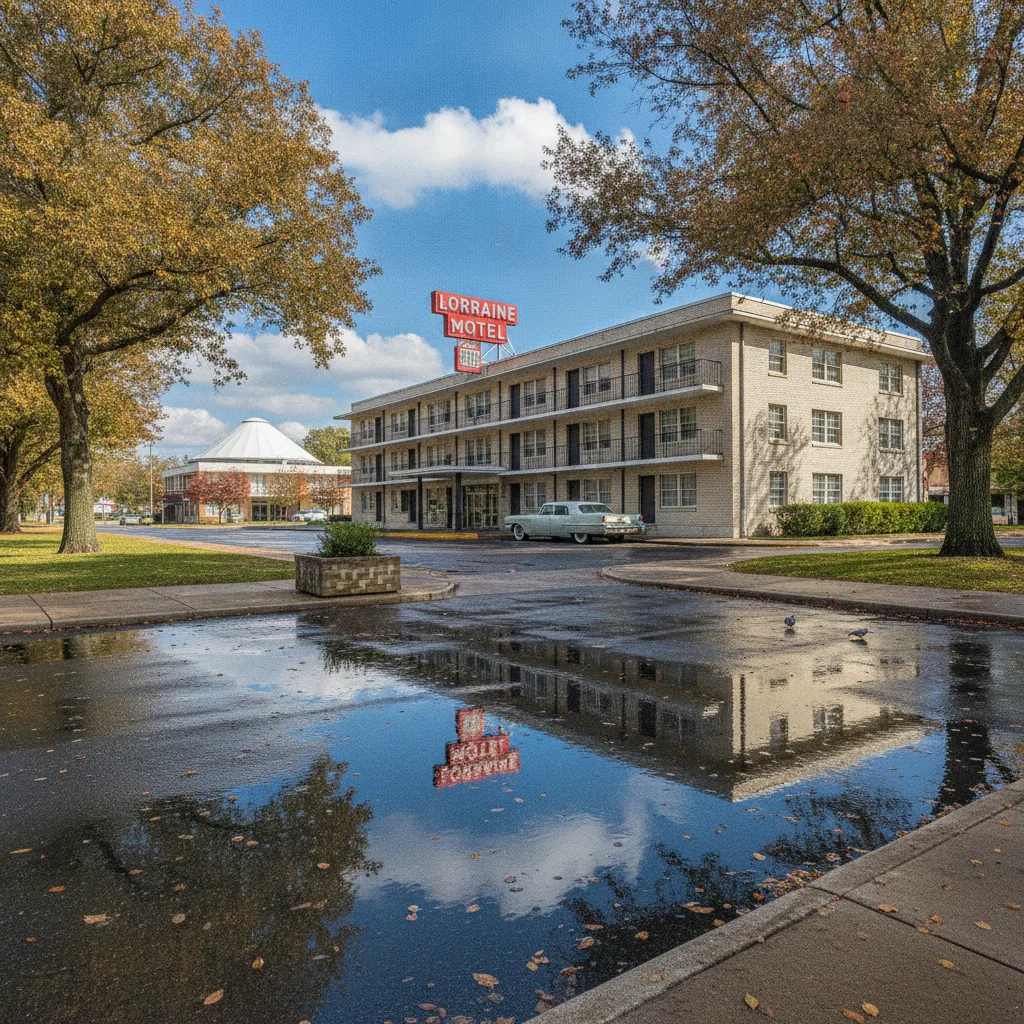
As independent US travel authorities, our team at Roam States is dedicated to bringing you the most accurate and insightful travel guides. This comprehensive guide focuses on the National Civil Rights Museum Tennessee, a pivotal landmark in American history located in Memphis. We cut through the generic fluff to provide you with confident, specific recommendations, ensuring your visit is both impactful and seamless. Here, we delve into everything you need to know, from exhibition highlights and practical tips to nearby attractions and accommodation options, all verified with the latest 2026 facts.
Why Visit National Civil Rights Museum
Visiting the National Civil Rights Museum is not merely a trip to a historical site; it's an immersive journey into the heart of America's struggle for equality. Our team considers it an essential pilgrimage for anyone seeking to understand the profound impact of the Civil Rights Movement on the nation and the world. The museum, built around the historic Lorraine Motel where Dr. Martin Luther King Jr. was assassinated, offers a deeply moving and educational experience that transcends typical museum visits. It asks visitors to not just observe history, but to account for it, fostering a powerful sense of reflection and personal responsibility.
From the harrowing narratives of slavery and the Civil War to the courageous battles for voting rights and desegregation, the exhibits meticulously trace the 400-year history of civil rights in the U.S.A.. We believe that understanding this history is crucial for comprehending contemporary social issues. The museum’s commitment to sharing the culture and lessons from this significant era, and exploring how it continues to shape equality and freedom globally, makes it an unparalleled educational resource. If you're wondering, "is National Civil Rights Museum worth visiting?", our unequivocal answer is yes. It's a powerful and transformative experience that leaves a lasting impression, prompting visitors to consider their own role in the ongoing pursuit of justice. The recently reopened Legacy Experience, unveiled on May 16, 2026, further enhances this by tracing the movement from Dr. King's assassination in 1968 to the present day, with thematic galleries on poverty, education, housing, gender equity, and nonviolence. This expansion truly makes you understand why the National Civil Rights Museum is worth visiting.
Who It's Best For
The National Civil Rights Museum is a profoundly impactful destination suitable for a wide range of visitors, though certain groups will find it particularly resonant. We recommend it for history enthusiasts, educators, students, and anyone with a keen interest in social justice and human rights. The museum's comprehensive narrative, spanning from the 17th century to present-day civil rights initiatives, offers invaluable context for understanding America's complex social fabric.
Visiting the National Civil Rights Museum with Kids
While the subject matter is serious, the National Civil Rights Museum with kids can be a powerful educational experience, particularly for older children and teenagers (ages 10 and up). The museum utilizes interactive exhibits and multimedia presentations that can engage younger audiences, helping them grasp complex historical events. We advise parents to prepare children for the sensitive nature of some displays, which include difficult historical moments. The museum's mission to inspire action for positive social change can be a formative experience for young minds, encouraging empathy and a deeper understanding of societal challenges. For younger children, parents might consider focusing on specific exhibits or utilizing the museum's educational resources to tailor the visit. The museum also offers online resources for students and educators, including e-learning activities and virtual education programs, which can be beneficial for pre- or post-visit learning. When planning a visit to the National Civil Rights Museum with kids, allow for ample discussion time and be prepared to answer questions about the challenging topics presented.
It's also an excellent destination for those planning a USA road trip, offering a crucial stop for reflection and learning amidst other iconic American landmarks. Whether you're traveling solo, as a couple, or with a multi-generational family, the museum provides a unique opportunity for introspection and education.
Getting There & Parking
Navigating to the National Civil Rights Museum is straightforward, as it's centrally located in the South Main Arts District of downtown Memphis at 450 Mulberry Street. For those wondering how to get to National Civil Rights Museum, Memphis offers several convenient options.
Driving & Parking
If you're driving, the museum provides a free on-site surface parking lot for guests. To access this lot, turn north on Mulberry Street from G.E. Patterson Avenue. Our team highly recommends arriving early, especially during peak seasons, weekends, or special events, as this lot has a finite capacity and can fill up quickly. While the museum's lot is the most convenient, several nearby paid parking garages and metered street parking options are available within a reasonable walking distance if the on-site lot is full.
Metered street parking can be found on surrounding blocks like Mulberry Street, Main Street, and various cross streets. Typically, meters require payment Monday through Saturday, from 8:00 AM to 6:00 PM, with Sundays often being free. However, always double-check signage for current regulations and payment methods, as Memphis has largely transitioned to digital payment apps like ParkMobile or PayByPhone. Nearby parking garages include Peabody Place Parking Garage, FedExForum Garage, and Cotton Row Parking Garage, all within a 5-15 minute walk. Planning your parking in advance, especially by researching options near the National Civil Rights Museum, can help streamline your visit and avoid unnecessary stress.
Public Transportation
For those utilizing public transportation, the Memphis Area Transit Authority (MATA) offers several bus routes that serve the National Civil Rights Museum. Bus lines 12, 13, 39, 100, and 57 have routes that pass near the museum. The nearest bus stops, Main Street at Butler Avenue and Ge Patterson Avenue at Main Street, are just a 2-minute walk away. A bus ride from Downtown Memphis to the National Civil Rights Museum can take as little as 4 minutes and costs $1. This is an excellent, affordable option for how to get to National Civil Rights Museum without a car. For detailed schedules and route planning, we recommend visiting the MATA Transit website or using their trip planner.
Top Things to Do
The National Civil Rights Museum offers a deeply immersive and educational experience, making it one of the most important best places in Tennessee to visit. Our team has identified the top things to do at National Civil Rights Museum to ensure you make the most of your visit.
- Explore the Main Exhibition at the Lorraine Motel: This is the heart of the museum. You'll walk through a chronological narrative of the Civil Rights Movement, from the 17th-century origins of slavery to the pivotal moments of the 1960s. The exhibits are incredibly powerful, featuring artifacts, interactive displays, and compelling storytelling that bring history to life. You'll see the actual balcony where Dr. Martin Luther King Jr. was assassinated, preserved as a solemn memorial.
- Experience The Legacy Experience: Reopened on May 16, 2026, this reimagined permanent exhibition in the Legacy Building continues the story from Dr. King's assassination in 1968 to the present day. It delves into five thematic pillars: poverty, education, housing, gender equity, and nonviolence, examining how these struggles continue to shape our society. The interactive digital galleries and engagement spaces encourage visitors to share their own perspectives on today's movements. This is one of the most significant things to do at National Civil Rights Museum.
- Reflect in Founders Park: Newly revitalized and funded by the BlueCross Foundation, Founders Park offers a serene space for contemplation before or after your museum visit. With water features, public art installations, and comfortable seating, it provides a clear view of the Lorraine Motel balcony, inviting quiet reflection on the history you've just absorbed.
- Attend a Special Program or Event: The museum frequently hosts workshops, guest speakers, forums, and book signings that delve deeper into civil rights issues, both historical and contemporary. Check their official website for upcoming events during your visit to enhance your understanding and engagement.
- Visit the Museum Store: Browse a curated selection of books, educational materials, and unique gifts related to the Civil Rights Movement. It's an excellent way to continue your learning and support the museum's mission.
Beyond the museum itself, there are many things to do in Memphis that complement a visit to the National Civil Rights Museum. Just a short walk away is the vibrant Beale Street Historic District, famous for its live music and rich blues heritage. You can also explore other significant Memphis landmarks like Graceland, Sun Studio, and the Stax Museum of American Soul Music. Combining your museum visit with these attractions offers a comprehensive understanding of Memphis's cultural and historical significance. When considering things to do in Memphis, the National Civil Rights Museum should undoubtedly be at the top of your list for a truly meaningful experience.
Best Time to Visit
To maximize your experience at the National Civil Rights Museum, timing your visit strategically is key. Our team recommends considering several factors to avoid crowds and ensure a contemplative and unhurried exploration of the exhibits.
Generally, weekdays, particularly Wednesday through Friday mornings, tend to be less crowded than weekends. The museum is closed on Tuesdays. A typical museum visit takes 1.5 to 2 hours, but we advise allowing at least 3-4 hours, especially if you want to fully engage with all the exhibits and the newly reopened Legacy Experience. Guests starting within the final hour may have a condensed experience.
The museum offers extended hours from Memorial Day Weekend to Labor Day. While summer months can be busy due to school breaks, the extended hours might help distribute visitors. Spring and fall offer pleasant weather for exploring downtown Memphis before or after your visit, making these seasons ideal. Winters are generally less crowded, but always check for holiday closures.
For Tennessee residents, the museum offers free admission on Mondays from 3:00 PM until closing, except on holidays like Martin Luther King Jr. Holiday, President's Day, Memorial Day, Labor Day, and Columbus Day. If you qualify, this can be an excellent opportunity, though it might mean encountering more local visitors during those hours.
We strongly recommend purchasing timed entry online tickets in advance for guaranteed entry and to optimize your flow through the museum, helping to manage crowd size and allow you to explore at your own pace. Walk-up tickets are based on availability or a standby basis.
Where to Stay Nearby
When planning your visit to the National Civil Rights Museum, choosing the right accommodation can significantly enhance your experience. Our team recommends staying in downtown Memphis, particularly in the South Main Arts District or near Beale Street, for convenient access to the museum and other key attractions.
Several highly-rated hotels are located within a short walking distance or a quick drive from the museum:
- La Quinta Inn & Suites by Wyndham Memphis Downtown: Situated just 0.8 miles from the museum, this hotel offers comfort and convenience, with amenities like free parking, an indoor swimming pool, and complimentary breakfast. It's also pet-friendly.
- ARRIVE Memphis: A highly-rated hotel located approximately 0.1 miles west of the museum, known for its excellent service and unique experience.
- Hyatt Centric Beale Street Memphis: Offering exceptional service and proximity to both the museum and Beale Street, this hotel is a top choice for many visitors.
- The Peabody Memphis: An iconic luxury hotel, about a 10-minute walk from the museum, famous for its daily duck march and historic charm.
- Hampton Inn & Suites Memphis-Beale Street: Another excellent option close to Beale Street and the museum, praised for its professional service and welcoming atmosphere.
- The Central Station Memphis, Curio Collection by Hilton: A favored 3-star hotel located about 0.2 miles southwest of the museum, offering a blend of historic charm and modern amenities.
These hotels provide a range of options to suit different budgets and preferences, ensuring you can find a comfortable base for your exploration of Memphis. Staying downtown allows you to easily walk to the museum, Beale Street, and other attractions, making it simple to combine historical immersion with Memphis's vibrant cultural scene.
Sample 2-Day Itinerary
To help you make the most of your visit to the National Civil Rights Museum Tennessee and the surrounding area, our team has crafted a sample 2-day itinerary. This plan balances deep historical immersion with the vibrant culture of Memphis.
Day 1: Deep Dive into Civil Rights History
- Morning (9:00 AM - 1:00 PM): National Civil Rights Museum. Arrive early at the National Civil Rights Museum, ideally with pre-booked timed entry tickets. Dedicate your morning to exploring the main exhibitions at the Lorraine Motel, tracing the powerful narrative of the Civil Rights Movement from its origins to Dr. King's assassination. Allow ample time for reflection and to absorb the profound historical context.
- Lunch (1:00 PM - 2:00 PM): Local Eats in South Main. Grab lunch at one of the many casual eateries in the South Main Arts District, just a short walk from the museum. Options range from classic Southern comfort food to modern cafes.
- Afternoon (2:00 PM - 5:00 PM): The Legacy Experience & Founders Park. Return to the museum's Legacy Building to experience the newly reopened Legacy Experience. This section explores the movement's evolution from 1968 to the present day, focusing on themes like poverty, education, and gender equity. Afterward, spend some quiet time reflecting in the serene Founders Park, taking in the view of the Lorraine Motel balcony.
- Evening (6:00 PM onwards): Beale Street Historic District. Transition from reflection to celebration of Memphis's cultural heritage. Head to the nearby Beale Street Historic District for dinner and live music. Explore the clubs and restaurants that make Beale Street famous, experiencing the city's vibrant blues and rock 'n' roll scene.
Day 2: Memphis Music, Culture, and History
- Morning (9:00 AM - 12:00 PM): Sun Studio or Stax Museum. Choose your musical adventure. Visit Sun Studio, the legendary birthplace of rock 'n' roll, where Elvis Presley, Johnny Cash, and Jerry Lee Lewis recorded. Alternatively, explore the Stax Museum of American Soul Music to delve into the history of soul music.
- Lunch (12:00 PM - 1:00 PM): Midtown or Downtown Dining. Enjoy lunch in the area of your chosen morning activity, or head back downtown for more options.
- Afternoon (1:00 PM - 4:00 PM): Graceland (Optional) or Riverfront Exploration. For Elvis fans, a visit to Graceland is a must, though it requires a short drive south of downtown. If you prefer to stay closer, explore the Memphis riverfront, including Tom Lee Park, or consider a visit to the Memphis Zoo for a family-friendly activity.
- Late Afternoon (4:00 PM - 6:00 PM): Explore Downtown & Shopping. Wander through downtown Memphis, perhaps visiting the Peabody Hotel to see the famous duck march (check their schedule), or browse the unique shops and galleries in the South Main Arts District.
- Evening (7:00 PM onwards): Dinner & Performance. Enjoy a farewell dinner at one of Memphis's acclaimed restaurants. Depending on your interests, you might catch a show at the historic Orpheum Theatre or simply enjoy the evening ambiance of the city.
This itinerary provides a solid framework, but feel free to adjust it based on your interests. For more ideas on planning your journey, consult our Plan Your US Trip guide. Other notable Tennessee destinations you might consider extending your trip to include the Belle Meade Historic Site or the Bicentennial Capitol Mall in Nashville, showcasing the diverse history and attractions of the state.
Last updated: 2026-07-13 by the Roam States team.