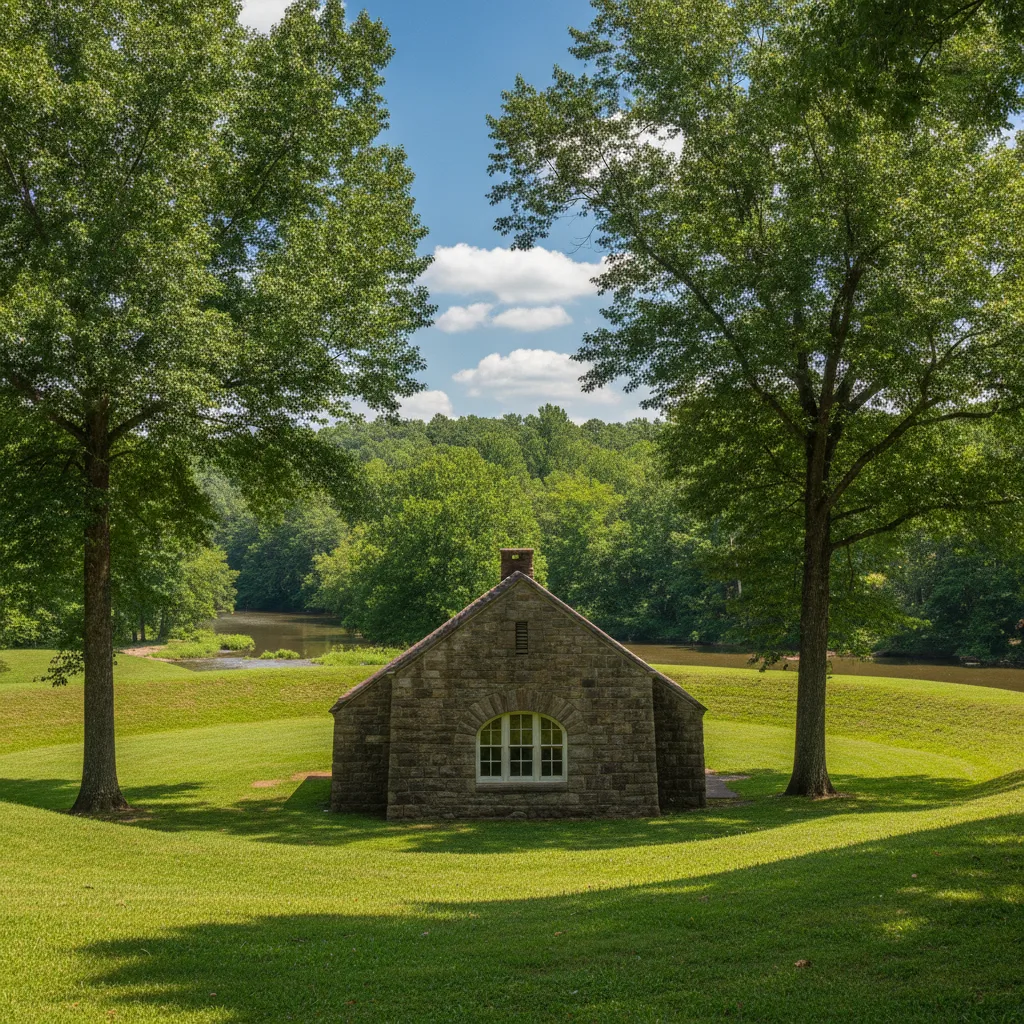
Old Stone Fort State Archaeological Park Travel Guide — Tennessee
Our Old Stone Fort State Archaeological Park guide covers practical planning for Old Stone Fort State Archaeological Park Tennessee — best time to visit, getting there, and what to do on the ground.
Our team at Roam States has explored countless corners of the US, but few destinations blend ancient history with raw natural beauty quite like Old Stone Fort State Archaeological Park in Tennessee. This isn't just another state park; it's a journey back 2,000 years to a mysterious Native American enclosure, set dramatically amidst the cascading waters of the Duck and Little Duck Rivers. We’ve compiled this guide to help you uncover every facet of this unique archaeological and natural wonder, ensuring your visit is as enriching as it is breathtaking.
Why Visit Old Stone Fort State Archaeological Park
We believe Old Stone Fort State Archaeological Park offers a compelling blend of history, mystery, and outdoor adventure that sets it apart. The centerpiece, of course, is the ancient Native American enclosure, a 50-acre earthwork built between 80 and 550 AD by the Middle Woodland people. This isn't a defensive fort as its later European name suggests, but rather a sophisticated ceremonial gathering place. Walking along its walls, you can almost feel the echoes of ancient rituals, especially when you learn that the original entrance was precisely aligned with the summer solstice sunrise.
Beyond its profound historical significance, the park is a natural paradise. We've been captivated by the dramatic scenery where the Duck and Little Duck Rivers converge, carving deep gorges and creating a series of graceful waterfalls. Step Falls, Blue Hole Falls, and Big Falls are all accessible via the park's trails, offering stunning vistas and serene spots for reflection. The lush woodlands, diverse wildlife, and the soothing sounds of rushing water provide a perfect escape from the everyday. It's a place where you can immerse yourself in both the distant past and the vibrant present of Tennessee's natural landscape.
Who It's Best For
Old Stone Fort State Archaeological Park truly offers something for everyone, making it a versatile destination for a wide range of travelers. We find it particularly ideal for:
- History Buffs and Archaeologists: Those fascinated by ancient cultures and prehistoric sites will be enthralled by the 2,000-year-old Native American enclosure and the interpretive museum. The opportunity to walk within such a significant ceremonial site is truly special.
- Nature Lovers and Hikers: With over seven miles of trails winding through scenic woodlands and along river gorges, past multiple waterfalls, it’s a hiker's paradise. The trails range from easy strolls to more challenging routes, catering to various fitness levels.
- Families: The park offers a fantastic outdoor classroom for kids to learn about history and nature. Easy trails, picnic areas, and the sheer wonder of the waterfalls make it an engaging destination for all ages. There's also a playground area near the picnic pavilion.
- Photographers: The combination of ancient earthworks, dramatic river scenery, and picturesque waterfalls provides endless opportunities for stunning photography.
- Campers: The park boasts a well-maintained campground with modern amenities, offering a peaceful base for exploring the area.
Whether you're seeking a quiet historical exploration, an invigorating hike, or a family adventure, we're confident Old Stone Fort State Archaeological Park delivers an unforgettable experience.
Getting There & Parking
Reaching Old Stone Fort State Archaeological Park Tennessee is straightforward, as it's conveniently located in Middle Tennessee. We recommend planning your route in advance, especially during peak seasons.
How to Get There
The park is situated in Manchester, Tennessee, roughly an hour's drive from both Nashville and Chattanooga. For most visitors, the easiest way to get to Old Stone Fort State Archaeological Park is by car. If you're traveling on I-24, take Exit 110 in Manchester. From there, follow US-41/US-31A east, and then turn onto Stone Fort Drive. The park entrance is clearly marked and just a short drive from downtown Manchester. The address for your GPS is 732 Stone Fort Drive, Manchester, TN 37355.
While public transportation options are limited in this rural area, the park's proximity to major interstates makes it an accessible road trip destination from many surrounding cities.
Parking
Parking at Old Stone Fort State Archaeological Park is available, with main lots located at the Park Office/Visitor Center and the picnic area. However, we want to be specific: parking can be limited, particularly during high-demand times like weekends or holidays. Our team advises arriving during non-peak hours if possible to ensure you find a spot. Be aware that parking in prohibited areas is strictly enforced, so always use designated spaces.
For those visiting the museum and accessing the main hiking trails, the closest parking is at the Park Office/Visitor Center. If you are camping, the campground has its own entrance and check-in station, and campsites often have asphalt pads for parking your RV or vehicle.
Top Things to Do
When you visit Old Stone Fort State Archaeological Park, you'll discover a wealth of activities that blend history, nature, and recreation. Our team has identified the top things to do at Old Stone Fort State Archaeological Park to help you make the most of your trip.
Explore the Ancient Enclosure and Museum
The primary draw for many is the ancient Native American enclosure itself. We recommend starting your visit at the park's museum and interpretive exhibits. Here, you can delve into the history and archaeological significance of the site, understanding its purpose as a ceremonial gathering place rather than a defensive structure. The museum offers valuable context before you set out to explore the earthworks.
After the museum, take the Enclosure Trail, which winds directly over the ancient earthen walls. As you walk, you'll encounter interpretive panels that explain the Native American way of life and the construction of the fort. It's a truly immersive experience to trace the footsteps of people who walked here nearly two millennia ago. The unique entrance, aligned with the summer solstice, is a highlight.
Chase Waterfalls
Old Stone Fort State Archaeological Park is renowned for its stunning waterfalls, and chasing them is one of our favorite things to do at Old Stone Fort State Archaeological Park. The park is home to several picturesque cascades, including Step Falls, Blue Hole Falls, and Big Falls. The main Enclosure Trail offers views of all three. The dramatic gorges carved by the Duck and Little Duck Rivers provide a breathtaking backdrop to these natural wonders. You can even find mini-swimming holes at the bottom of some waterfalls, offering a refreshing dip on a warm day.
Photography
For photographers, the park is a dream. The interplay of ancient structures, lush foliage, and dynamic waterfalls provides endless subjects. From wide-angle shots of the river gorges to close-ups of the water cascading over rocks, you'll find ample opportunities to capture the park's unique beauty. We suggest bringing a tripod for waterfall shots and visiting during the "golden hours" of sunrise or sunset for the best light.
Picnicking and Relaxation
The park offers picnic areas, perfect for enjoying a meal amidst nature. There is one reservable picnic shelter/pavilion, adjacent to a playground, which can accommodate up to 15 guests and has access to water and electricity. This makes it an ideal spot for family gatherings or a quiet lunch after a hike. Simply relaxing by the river and soaking in the peaceful atmosphere is also a highly recommended activity.
Fishing
The Duck River, which borders the park, is a popular spot for fishing. Anglers can enjoy casting a line in the tranquil waters, with easy access from various points along the trails and campground.
Old Stone Fort State Archaeological Park Hiking Trails
The hiking opportunities at Old Stone Fort State Archaeological Park Tennessee are a major draw, offering a chance to explore both its ancient history and stunning natural landscapes on foot. Our team highly recommends dedicating ample time to traverse these paths.
The park boasts over seven miles of trails, catering to various skill levels, from easy strolls to moderately challenging climbs. Before you set out, we advise picking up a park map at the museum to familiarize yourself with the routes.
The Enclosure Trail
The most popular and essential of the Old Stone Fort State Archaeological Park hiking trails is the Enclosure Trail. This loop trail directly follows the perimeter of the ancient Native American earthwork. While some park brochures list it as 1.4 miles, many visitors, including members of our team, find it to be closer to 2.75 miles. This trail is generally considered easy to slightly moderate.
As you hike the Enclosure Trail, you'll be treated to spectacular views of the Duck River and Little Duck River gorges. This trail also offers the best vantage points for the park's three largest waterfalls: Step Falls, Blue Hole Falls, and Big Falls. Interpretive panels along the way provide fascinating insights into the history and purpose of the Old Stone Fort, making it an educational as well as scenic experience.
Backbone Trail
For those seeking a bit more challenge, the Backbone Trail is a 1.25-mile extension of the main interpretive path, also known as the Little Duck River Loop Trail. This trail is rated as difficult due to a steep incline, offering a more strenuous workout and different perspectives of the park's rugged terrain. Combining the Enclosure Trail with the Backbone Trail can extend your hike to about 3.5 miles.
Other Trails
Beyond these main routes, Old Stone Fort State Archaeological Park offers several other trails, including the Moat Trail (0.45 miles), which traverses an abandoned river channel, and the Campground Trail (0.85 miles), a pleasant walk through the woods encircling the camping area. The Forks of the River Trail is a 0.30-mile path often used by fishermen to access the Duck River. We recommend wearing sturdy shoes suitable for uneven and rocky terrain, and always bringing water, especially during warmer months. Staying on marked paths is crucial to protect both yourself and the delicate archaeological features.
Best Time to Visit
Choosing the best time to visit Old Stone Fort State Archaeological Park can significantly enhance your experience. Our team has found that certain seasons offer distinct advantages.
Spring (March-May)
We consider spring to be one of the absolute best times to visit. The waterfalls are at their most dramatic, fed by spring rains, creating powerful cascades and rushing rivers. The understory is blooming with wildflowers, and the comfortable hiking temperatures (roughly 55–75°F daytime) make exploring the trails a joy. Crowds are moderate, with weekdays being quieter. Swimming in the river and waterfall pools becomes pleasant by late spring as the water warms.
Fall (September-November)
Autumn is another spectacular season. The vibrant fall foliage paints the landscape in brilliant hues of red, orange, and gold, providing a stunning backdrop to the ancient earthworks and waterfalls. Temperatures are mild and ideal for hiking. Fall is also a popular time, so expect moderate crowds, especially on weekends. The cooler air makes for invigorating hikes without the summer humidity.
Summer (June-August)
Summer offers warm weather, perfect for enjoying the swimming holes and river access. However, it can be hot and humid, so we advise starting your hikes early in the morning to avoid the midday heat. The park can also be busier during the summer months, particularly with families. Always bring plenty of water if visiting during this season.
Winter (December-February)
While less popular, winter can offer a unique, serene experience with fewer crowds. The bare trees allow for clearer views of the river gorges and the ancient enclosure. However, some park facilities, like showers in one of the bathhouses, may be closed during the off-season. Trails can also be slippery after rain or if there's any ice, so exercise caution and wear appropriate footwear.
Overall, for the most comfortable hiking conditions and impressive waterfall displays, we highly recommend visiting in spring or fall.
Where to Stay Nearby
While Old Stone Fort State Archaeological Park offers excellent camping, for those preferring a roof over their heads, there are several convenient lodging options in and around Manchester, Tennessee. Our team has looked into the best choices for Old Stone Fort State Archaeological Park lodging.
Camping at Old Stone Fort State Archaeological Park
For an immersive experience, we highly recommend camping directly within the park. Old Stone Fort State Archaeological Park offers 50 heavily wooded campsites, providing a remote feel while still being close to park activities. Each site comes with water and electrical hookups (30 & 50 amp), a hard-surface pad that can accommodate units up to 50 feet, a fire ring with a grill, and a picnic table. A dump station is available year-round. One of the two restroom facilities includes showers, though these are unavailable from December through February during the off-season.
Reservations are highly advisable, especially during peak seasons, and can be made up to one year in advance through the Tennessee State Parks reservation system. There is a non-refundable $5.00 advanced reservation fee per campsite. The maximum stay limit is 14 days, extended to 28 days from December 1 to February 28/29.
Hotels in Manchester
Manchester, TN, is just a few minutes' drive from the park, offering a range of hotels to suit different budgets and preferences. You'll find familiar chain hotels that provide comfortable and reliable accommodations. These typically include amenities like complimentary breakfast, Wi-Fi, and sometimes a pool or fitness center. Staying in Manchester gives you easy access to local restaurants and shops.
Nearby State Parks with Camping & Cabins
If the Old Stone Fort campground is full, or you're looking for different amenities, several other Tennessee State Parks in the vicinity offer camping and sometimes cabins:
- Tims Ford State Park: Approximately 25 miles away, Tims Ford State Park offers 52 campsites with electric and water hookups (some with sewer), two RV campgrounds, and plenty of recreation like golfing, hiking, and biking. It operates year-round with heated bathhouses.
- Henry Horton State Park: Located along the Duck River, this park offers 640-foot elevation camping with a mix of shaded woodland and riverfront sites, featuring water and electric hookups. It's known for its clean facilities, playground, and nearby pool.
- South Cumberland State Park: Roughly 30 miles from Old Stone Fort, this park is a prime destination for rock climbers and offers over 90 miles of hiking trails across 30,000 acres. While it doesn't have traditional RV hookups like Old Stone Fort, it offers primitive and backcountry camping.
When planning your Old Stone Fort State Archaeological Park lodging, we recommend booking well in advance, especially for camping or during popular travel seasons.
Sample 2-Day Itinerary
To truly appreciate the blend of history and nature at Old Stone Fort State Archaeological Park, we suggest a two-day visit. Here’s a sample itinerary our team has put together to help you plan your trip:
Day 1: Ancient History and Waterfalls
- Morning (9:00 AM - 12:00 PM): Arrival and Historical Immersion
- Arrive at Old Stone Fort State Archaeological Park and head straight to the Visitor Center/Museum. Allow ample time to explore the exhibits, which provide crucial context for understanding the ancient Native American enclosure.
- Pick up a detailed park map.
- Begin your exploration of the main Enclosure Trail, starting from behind the museum. Take your time to read the interpretive panels, which explain the significance of the earthworks and the ancient culture that built them.
- Lunch (12:00 PM - 1:00 PM): Picnic by the River
- Enjoy a packed lunch at one of the park's picnic areas. The pavilion near the playground is a great option, or find a scenic spot along the river.
- Afternoon (1:00 PM - 4:00 PM): Waterfall Chasing
- Continue your hike along the Enclosure Trail, focusing on the stunning waterfalls. You'll encounter Step Falls, Blue Hole Falls, and Big Falls.
- Take photos, enjoy the mist, and if the weather permits, find a safe spot for a quick dip in one of the mini-swimming holes.
- Consider adding a portion of the Moat Trail for different views of the river channel.
- Evening: Dinner and Stargazing
- Head into Manchester for dinner at a local restaurant.
- If camping, enjoy a campfire and stargazing. The park's relatively dark skies offer a good opportunity for celestial observation.
Day 2: Deeper Exploration and Nearby Attractions
- Morning (9:00 AM - 12:00 PM): Challenging Hike or River Activities
- For avid hikers, tackle the Backbone Trail, a 1.25-mile difficult extension that offers a more strenuous experience and different perspectives of the park.
- Alternatively, if you prefer a more relaxed morning, consider fishing in the Duck River or simply enjoying a leisurely walk on the Campground Trail.
- Lunch (12:00 PM - 1:00 PM): Local Fare
- Grab lunch in Manchester, perhaps trying a different local eatery.
- Afternoon (1:00 PM - 4:00 PM): Nearby Exploration or Relaxation
- Depending on your interests, you could visit a nearby natural attraction like Rutledge Falls, a popular scenic waterfall just 12 miles away.
- Alternatively, spend your afternoon relaxing at your campsite, reading, or simply enjoying the peaceful ambiance of Old Stone Fort State Archaeological Park.
- For those interested in exploring more of what Tennessee has to offer, consider a visit to other incredible places in Tennessee like the majestic Great Smoky Mountains National Park, or iconic cultural sites like Graceland.
- Evening: Departure or Extended Stay
- Depart from the park, or if you've fallen in love with the tranquility, extend your stay for another night!
Is It Worth Visiting?
Without a doubt, our team confidently asserts that Old Stone Fort State Archaeological Park is worth visiting. This isn't just another stop on a road trip; it's a destination that offers a truly unique and enriching experience, blending millennia of human history with the raw, untamed beauty of the Tennessee landscape. The fact that entrance to the park is free makes it an incredibly accessible and valuable experience for all.
The ancient Native American enclosure itself is a powerful testament to early human ingenuity and spiritual connection to the land. Walking its walls, pondering its purpose, and imagining the ceremonies that took place here is a profoundly moving experience. Coupled with the stunning natural features—the dramatic river gorges, the serene woodlands, and the captivating waterfalls like Step Falls, Blue Hole Falls, and Big Falls—the park provides a diverse array of sights and activities that cater to a wide audience.
Whether you're an avid hiker, a history enthusiast, a family seeking educational outdoor fun, or simply someone looking for a peaceful escape into nature, Old Stone Fort State Archaeological Park delivers. The well-maintained trails, informative museum, and serene camping facilities only add to its appeal. We believe that anyone asking, "is Old Stone Fort State Archaeological Park worth visiting?" will find their answer in the quiet majesty of its ancient past and the vibrant beauty of its present. It's a genuine Tennessee gem that we highly recommend adding to your travel itinerary.
Frequently Asked Questions
Old Stone Fort State Archaeological Park camping
Yes, Old Stone Fort State Archaeological Park offers camping. The park has 50 heavily wooded campsites with water and electrical hookups (30 & 50 amp), asphalt pads for units up to 50 feet, fire rings with grills, and picnic tables. A dump station is available year-round. One of the two bathhouses has showers, but these are closed during the off-season (December-February). Reservations are highly recommended, especially during peak seasons, and can be made up to a year in advance through the Tennessee State Parks reservation system. There's a non-refundable $5 reservation fee.
Things to do in Manchester
Beyond the park, Manchester, Tennessee, offers several amenities and local attractions. You'll find a variety of restaurants, from casual eateries to family-friendly dining options. There's also a public swimming pool within a mile of the campground. For those interested in local culture or shopping, the downtown area provides a glimpse into small-town Tennessee life. Manchester also serves as a convenient base for exploring other nearby natural areas or taking day trips to larger cities like Nashville or Chattanooga.
Old Stone Fort State Archaeological Park with kids
Old Stone Fort State Archaeological Park is an excellent destination for families with kids. The easy to moderate hiking trails are manageable for most children, and the excitement of discovering waterfalls like Step Falls, Blue Hole Falls, and Big Falls is a huge draw. The ancient Native American enclosure offers a fantastic educational opportunity, and the park's museum provides engaging exhibits to spark their curiosity about history. There's also a playground area adjacent to the picnic pavilion for some extra fun. We recommend bringing sturdy shoes, water, and snacks, and allowing kids to explore at their own pace.
Best hotels near Old Stone Fort State Archaeological Park
The best hotels near Old Stone Fort State Archaeological Park are typically found in Manchester, Tennessee, just a short drive away. Options include familiar chain hotels that offer comfortable accommodations, amenities like complimentary breakfast, Wi-Fi, and sometimes pools. These provide a convenient base with easy access to dining and services. For a more unique experience, consider camping directly in the park's well-equipped campground, or explore other nearby Tennessee State Parks like Tims Ford State Park or Henry Horton State Park, which offer additional camping and sometimes cabin options.
Old Stone Fort State Archaeological Park tips
Our top tips for visiting Old Stone Fort State Archaeological Park include: arrive early, especially on weekends, to secure parking and avoid crowds; wear sturdy hiking shoes suitable for uneven and rocky terrain; bring plenty of water, particularly during warmer months; allow sufficient time to explore both the museum and the trails (1.5 to 3 hours for the main loop is a good estimate); and stay on marked paths to protect archaeological features and for your safety. If camping, make reservations well in advance. Check the Tennessee State Parks website for any current alerts, such as bridge closures or lowered river levels.
Where to stay near Old Stone Fort State Archaeological Park
When considering where to stay near Old Stone Fort State Archaeological Park, your primary options are the park's campground or hotels in nearby Manchester. The park offers 50 campsites with water and electric hookups, ideal for an immersive nature experience. In Manchester, just minutes away, you'll find various chain hotels providing standard amenities and convenience to local dining. For alternative camping or cabin options, explore other Tennessee State Parks like Tims Ford State Park or Henry Horton State Park, both within a reasonable driving distance. We recommend booking accommodations in advance, especially during peak travel seasons.
From the ancient earthworks whispering tales of a bygone era to the soothing rush of waterfalls, Old Stone Fort State Archaeological Park offers a truly unique Tennessee experience. We encourage you to plan your visit, immerse yourself in its history, and discover the natural beauty that makes this park a cherished destination.
Last updated: 2026-07-08 by the Roam States team.