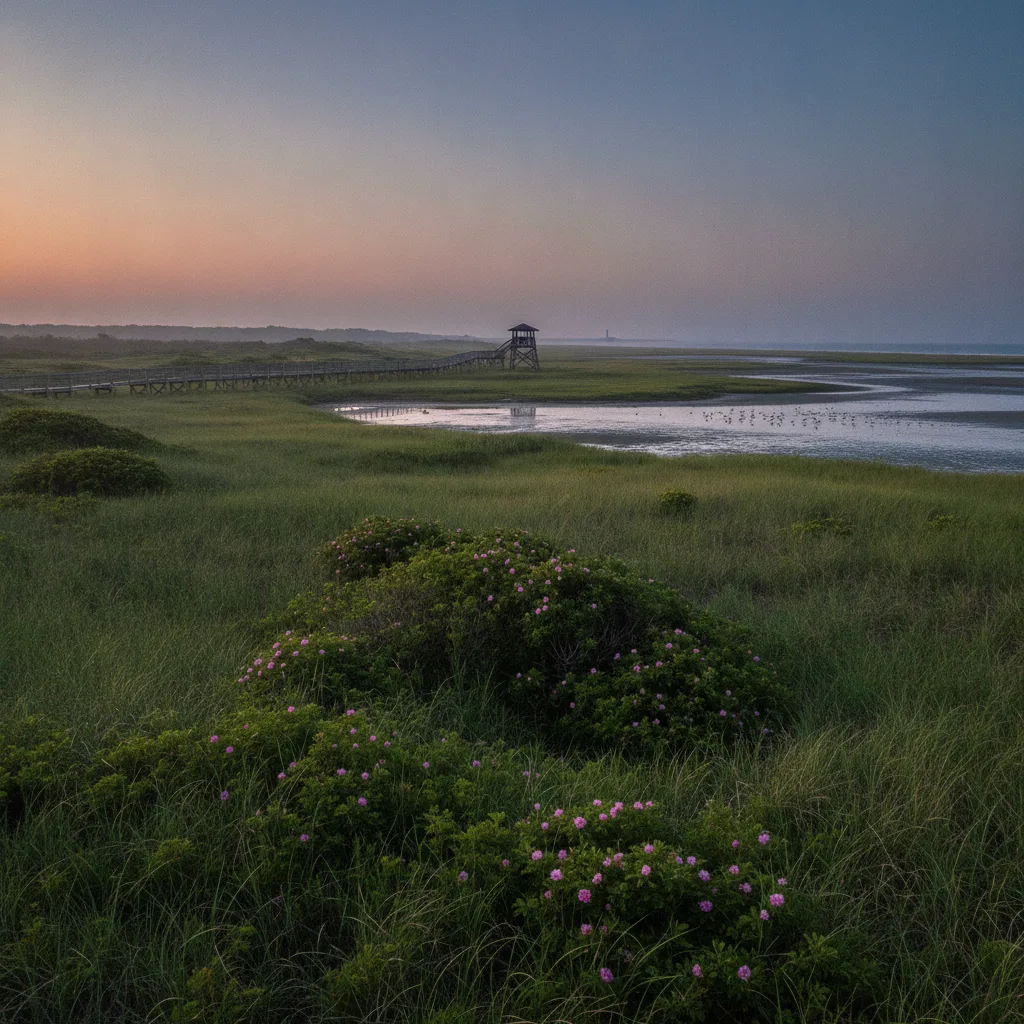
Our Parker River National Wildlife Refuge guide covers practical planning for Parker River National Wildlife Refuge Massachusetts — best time to visit, getting there, and what to do on the ground.
As the Roam States editorial team, we’re dedicated to bringing you the most authentic and actionable travel advice. When it comes to experiencing the unique coastal beauty of New England, few destinations rival the ecological significance and natural splendor of Parker River National Wildlife Refuge Massachusetts. This critical migratory bird stopover and nesting area along the Atlantic Flyway, encompassing beaches, dunes, and salt marshes, is a prime location for birdwatching and nature photography. Established in 1942, the refuge spans 4,662 acres on Plum Island, a barrier island off the coast of northeastern Massachusetts, providing vital habitat for over 300 species of resident and migratory birds, as well as mammals, insects, fish, reptiles, and amphibians.
Why Visit Parker River National Wildlife Refuge
Parker River National Wildlife Refuge offers a truly unparalleled opportunity to connect with nature in a pristine coastal environment. Our team consistently recommends it for its exceptional biodiversity and stunning landscapes. The refuge is a haven for birdwatchers, with over 350 species recorded, including federally protected piping plovers. Beyond birding, the refuge's diverse habitats—from expansive salt marshes and sandy beaches to maritime forests and cranberry bogs—provide a breathtaking backdrop for nature photography and peaceful exploration.
The 3,000-acre salt marsh habitat within the refuge is recognized as one of nature's most productive ecosystems, supporting a rich tapestry of life. Visitors can witness the dynamic interplay of tidal forces, observe various wildlife in their natural settings, and enjoy the tranquility of a protected coastal ecosystem. It’s a place where you can truly slow down and appreciate the intricate beauty of the natural world.
Who It's Best For
Parker River National Wildlife Refuge is ideal for a wide range of visitors, though certain groups will find it particularly rewarding. It is, first and foremost, a paradise for **birdwatchers**, from seasoned ornithologists to casual observers. The refuge's position on the Atlantic Flyway makes it a crucial stopover for migratory birds, offering spectacular viewing opportunities, especially during spring and fall migrations.
**Nature photographers** will find endless inspiration in the refuge's varied landscapes and abundant wildlife. The interplay of light over the marshes, the intricate patterns of the dunes, and the vibrant life within the ecosystems provide countless photographic subjects. **Families with a love for the outdoors** will also appreciate the accessible trails and opportunities for children to learn about coastal ecosystems and wildlife, such as the "Beach Discovery" programs offered by the refuge. While some beach areas are closed during nesting season, Sandy Point State Reservation, accessible through the refuge, often remains open and offers a picturesque beach experience.
It's also an excellent destination for **hikers and walkers** seeking easy, flat trails through unique coastal scenery. However, those looking for extensive amenities or high-energy recreational activities might find it less suited to their preferences, as the focus here is firmly on wildlife conservation and quiet enjoyment of nature.
Getting There & Parking
Parker River National Wildlife Refuge is located on Plum Island, accessible from Newburyport, Massachusetts. To reach the refuge, we recommend taking I-95 to exit 57, then traveling east on Route 113. Continue straight onto Route 1A South to the intersection with Rolfe's Lane, turn left onto Rolfe's Lane, then right onto the Plum Island Turnpike. After crossing the Sgt. Donald Wilkinson Bridge to Plum Island, take your first right onto Sunset Drive to the refuge entrance.
The refuge headquarters and visitor center are located at 6 Plum Island Turnpike, Newburyport, MA 01950. The visitor center exhibits are open seven days a week from 11 AM to 4 PM, offering interactive displays about piping plover recovery, migratory birds, and salt marshes.
Parking is available in multiple designated areas throughout the refuge. A paid pass is required and can be purchased online or in person using cash or check. During busy summer weekends, the refuge may temporarily close to vehicles when parking lots reach capacity, often by mid-morning. However, visitors are generally allowed to walk onto the refuge even when it is closed for vehicle capacity. It's always a good idea to check the refuge's official website or Facebook page for the most current information on hours, fees, and any temporary closures before your visit. For example, the lower gravel road, including access to Sandy Point State Reservation, will be temporarily closed to all public access from July 6–17, 2026, for essential road rehabilitation work.
The refuge is open daily from sunrise to sunset. For programs hosted by the refuge, registration is often required, and space may be limited, even for free events.
Top Things to Do
The Parker River National Wildlife Refuge offers a wealth of activities centered around its natural beauty and diverse ecosystems. Our team recommends focusing on these key experiences to make the most of your visit:
-
Birdwatching: This is arguably the primary draw of Parker River National Wildlife Refuge. With over 350 species of birds, it's a premier birding site. We recommend bringing binoculars and a field guide. Key areas for birdwatching include the salt marshes, coastal thickets, maritime forests, and observation towers. Look for piping plovers, purple martins, egrets, warblers, thrushes, flycatchers, tree swallows, and snowy owls. Mass Audubon offers guided "Summer Birds of Parker River National Wildlife Refuge" programs, which require registration and a fee for non-members.
-
Nature Photography: The refuge is a renowned hotspot for wildlife photographers. Capture the scenic vistas of the salt marsh, the intricate details of the dunes, and the abundant wildlife. The observation towers provide excellent vantage points for sweeping shots.
-
Hiking and Walking the Parker River National Wildlife Refuge hiking trails: The refuge offers several miles of self-guided trails suitable for various abilities, ranging from boardwalks to natural surface paths and gravel routes. Popular Parker River National Wildlife Refuge hiking trails include the Hellcat Boardwalk Trail, a 1.5-mile accessible loop through dunes and salt marsh, ideal for diverse coastal views. The Sandy Point Loop is another easy 3.2-mile path along the sandy shoreline at the southern end of Plum Island. The River and Gut Trail Loop (1.8 miles) leads through an oak forest and along the Little River. The Pines Trail (crushed stone & earth) is also wheelchair accessible. Remember that dog walking is not permitted in the refuge.
-
Beach Access: While the majority of refuge beaches are closed from April 1st to mid-summer to protect nesting piping plovers, Sandy Point State Reservation at the southern tip of Plum Island often remains open. This provides a beautiful spot for beachgoers, though marked-off areas for nesting birds should always be respected. A small stretch of beach at Parking Lot 1 may also be open longer than other refuge areas. Visitors can also explore Plum Island Beach and Newbury Beach.
-
Paddling: A boat launch area for kayaks and canoes is located across from Parking Lot 1, offering a unique perspective of the refuge from the water.
-
Visitor Center Exploration: The refuge headquarters and visitor center provide valuable interpretive exhibits, an introductory video, and a gift shop. It's a great starting point to learn about the refuge's ecology and conservation efforts.
Best Time to Visit
The best time to visit Parker River National Wildlife Refuge largely depends on your interests, as each season offers unique experiences. Our team has outlined the seasonal highlights:
-
Spring (April-May): This is a prime time for birdwatching, particularly for observing spring migration. Many species are returning, and the refuge is bustling with activity. However, be aware that most refuge beaches begin their annual closure on April 1st for piping plover nesting season, typically reopening in mid-to-late August.
-
Summer (June-August): Summer offers the warmest weather, making it ideal for enjoying the accessible parts of the beaches, particularly Sandy Point State Reservation. While beach access within the main refuge is limited due to plover nesting, you can still enjoy hiking the boardwalks and trails like Hellcat, and observe wildlife in the marshes and thickets. Summer is also when the refuge hosts various nature programs and events, some of which require registration. Note that during warm summer weekends, the refuge may close to vehicles by mid-morning when parking lots fill. There will also be a temporary closure of the lower gravel road from July 6–17, 2026, for road rehabilitation.
-
Fall (September-October): Fall is another exceptional period for birdwatching, as migratory birds make their journey south. The cooler temperatures and vibrant fall foliage create a stunning backdrop for photography and hiking. Beach closures typically lift by mid-to-late August, allowing full access to the refuge's coastline.
-
Winter (November-March): While colder, winter can offer unique opportunities for spotting species like snowy owls and various waterfowl. The refuge is generally less crowded, providing a more solitary nature experience. Dress warmly, as programs like the "Family Nature Hike at Parker River" in February are entirely outdoors.
Regardless of the season, we recommend checking the refuge's official website for current conditions, program schedules, and any specific closures or advisories before your visit.
Where to Stay Nearby
Finding the right Parker River National Wildlife Refuge lodging is crucial for a comfortable and convenient visit. While there's no camping directly within the refuge, several excellent options are available in nearby Newburyport and on Plum Island itself. Our team suggests considering the following:
-
Newburyport: Just a short drive from the refuge, Newburyport is a charming coastal town offering a wider range of accommodations, from boutique hotels to inns and vacation rentals. It provides easy access to dining, shopping, and other attractions.
- Essex Street Inn & Suites, an Ascend Collection Hotel: Located just 1.1 miles from the refuge, this 3.5-star accommodation boasts an impressive traveler rating and offers in-room kitchenettes and complimentary breakfast.
- Garrison Inn Boutique Hotel: Another highly-rated option in Newburyport, offering a boutique experience.
- Clark Currier Inn: A charming bed and breakfast in Newburyport, conveniently close to the refuge and other Plum Island attractions.
-
Plum Island: For those who want to be as close to the refuge as possible, Plum Island offers vacation rentals and a few hotels with direct beach access.
- Blue - Inn on The Beach: A serene 3.5-star hotel located 4.9 miles from the refuge, offering ocean views, complimentary breakfast, and beach access.
- Vacation Rentals (Vrbo, Expedia, Travelocity): Numerous vacation homes and cottages are available on Plum Island, many just steps from the beach and within a short walk or drive to the refuge. These often provide amenities like full kitchens, which can be ideal for families or longer stays. Examples include "Plum Island Retreat-Beachside Stay Near Wildlife Refuge" and "Upscale Cottage On The Atlantic Ocean, Feet in Sand."
-
Amesbury: A bit further inland, Amesbury offers reliable hotel chains that can be good value.
- Hampton Inn by Hilton Amesbury: A 3-star hotel located 4.4 miles from the refuge, known for its heated indoor pool, free cribs, and complimentary buffet breakfast, making it family-friendly.
- Fairfield Inn By Marriott Amesbury: Also 4.4 miles from the refuge, this family-friendly hotel offers accessible pool facilities, free cribs, a 24-hour fitness center, and complimentary breakfast.
When considering Parker River National Wildlife Refuge lodging, we recommend booking in advance, especially during peak seasons like summer and fall migration, as popular options can fill up quickly. You can explore more options on Visit Massachusetts for a broader selection.
Sample 2-Day Itinerary
To help you plan your visit to Parker River National Wildlife Refuge, our team has crafted a sample 2-day itinerary, balancing wildlife observation with local exploration.
Day 1: Immersion in the Refuge
- Morning (Sunrise - 12 PM): Early Birding & Hellcat Trail
- Arrive at Parker River National Wildlife Refuge at sunrise to experience the most active birding period. Head directly to the Hellcat Boardwalk Trail, a 1.5-mile accessible loop that meanders through dunes and salt marsh ecosystems. This is an excellent spot for diverse coastal views and early morning bird sightings.
- Spend time at the Hellcat Observation Area for panoramic views of the refuge.
- Lunch (12 PM - 1 PM): Picnic Lunch
- Pack a picnic to enjoy at one of the designated picnic areas within the refuge, or find a scenic spot along the refuge road (away from restricted areas).
- Afternoon (1 PM - 5 PM): Sandy Point & Southern Trails
- Drive to the southern tip of Plum Island to explore Sandy Point State Reservation. This area, while part of the refuge entry, is state-managed and often offers beach access even during plover nesting season (with marked-off areas to protect birds).
- Walk the Sandy Point Loop, an easy 3.2-mile path along the sandy shoreline, offering expansive ocean views.
- Consider a quick visit to the refuge's Visitor Center (open until 4 PM) for exhibits and an introductory video to deepen your understanding of the refuge's ecology.
- Evening: Dinner in Newburyport
- Head into historic Newburyport for dinner. The town offers a variety of dining options, from casual to fine dining.
- Stroll along the Waterfront Promenade Park after dinner.
Day 2: Coastal Exploration & Local Charm
- Morning (8 AM - 12 PM): Plum Island Lighthouse & Joppa Flats
- Start your day with a visit to the Plum Island Lighthouse, a picturesque, historic Newburyport attraction. Tours are available during the summer season.
- Explore the Joppa Flats Education Center and Wildlife Sanctuary, located at the entrance to the refuge, another excellent spot for birding and learning about the local ecosystem. Mass Audubon often hosts programs here.
- Lunch (12 PM - 1 PM): Plum Island Eatery
- Grab a casual lunch at one of the local eateries on Plum Island.
- Afternoon (1 PM - 5 PM): Newburyport's Historic Charm or Nearby Destinations
- Spend the afternoon exploring downtown Newburyport. Walk along State Street and Market Street, browsing the brick storefronts, boutiques, galleries, and coffee shops.
- Visit the Custom House Maritime Museum to delve into Newburyport's rich maritime history.
- Alternatively, consider an excursion to nearby Cape Ann for its scenic beauty and charming towns like Gloucester and Rockport, or perhaps delve into the history of Boston, just an hour's drive away. For more ideas on places to visit in the state, check out our guide to Best places in Massachusetts.
- Evening: Sunset & Departure
- Enjoy a final sunset view from Plum Island or the Newburyport waterfront before heading home.
Last updated: 2026-07-14 by the Roam States team.