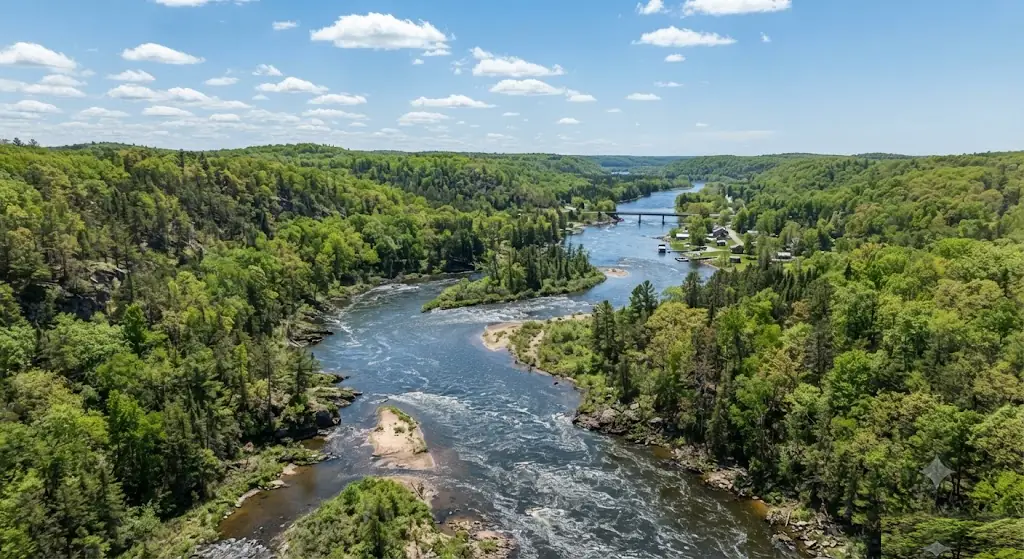
St. Croix National Scenic Riverway Travel Guide — Wisconsin
Our St. Croix National Scenic Riverway guide covers practical planning for St. Croix National Scenic Riverway Wisconsin — best time to visit, getting there, and what to do on the ground. We provide insights into navigating this pristine natural corridor, ensuring you make the most of your visit to one of the Midwest's most cherished waterways.
The St. Croix National Scenic Riverway Wisconsin is a true gem, protecting over 200 miles of the St. Croix and Namekagon Rivers. This federally protected waterway offers exceptional opportunities for canoeing, kayaking, fishing, and wildlife viewing, making it a prime destination for those seeking an authentic outdoor experience. As an independent US travel authority, our team recognizes the unique appeal of this pristine natural corridor, a vital part of Wisconsin's ecological and recreational landscape. We've compiled this comprehensive guide to help you plan an unforgettable trip, covering everything from logistics to the best activities.
Why Visit St. Croix National Scenic Riverway
Visiting the St. Croix National Scenic Riverway offers a unique opportunity to immerse yourself in a largely untouched natural environment. Unlike many national parks, the Riverway's focus is on the free-flowing rivers themselves, providing a dynamic landscape that changes with the seasons. It's a place where the sounds of civilization fade, replaced by the gentle rush of water, the calls of birds, and the rustling of leaves. Our team finds that the sheer scale of the Riverway—spanning over 200 miles—means there's always a new stretch of river to explore, a different bend to paddle around, or a quiet fishing spot to discover.
The Riverway is a haven for biodiversity. From bald eagles soaring overhead to elusive otters playing in the currents, the wildlife viewing opportunities are unparalleled. It’s a chance to reconnect with nature, whether you're embarking on a multi-day paddling expedition or simply enjoying a peaceful afternoon picnic by the water. The commitment to preserving this area ensures that its natural beauty remains intact for generations to come, offering a truly authentic wilderness experience within reach of urban centers. For those who appreciate the tranquility and raw beauty of a protected river system, the St. Croix National Scenic Riverway is an essential Wisconsin destination.
Who It's Best For
The St. Croix National Scenic Riverway caters to a diverse range of outdoor enthusiasts, though it particularly shines for those with a passion for water-based activities and quiet recreation. Our team finds it an ideal destination for:
- Paddlers: Canoeists and kayakers will find endless stretches of river to explore, from calm, meandering sections suitable for beginners to more challenging stretches for experienced paddlers. The Namekagon River, in particular, is known for its gentle current and excellent wilderness feel.
- Anglers: Both the St. Croix and Namekagon Rivers are renowned for their fishing opportunities. Smallmouth bass, northern pike, walleye, and various panfish are abundant, offering rewarding experiences for fly fishermen and spin casters alike.
- Wildlife Watchers: Birdwatchers and nature photographers will be thrilled by the diverse array of wildlife. Bald eagles are a common sight, along with ospreys, great blue herons, deer, and even black bears in more remote areas.
- Campers: Primitive riverside camping is a quintessential experience here, allowing visitors to truly disconnect and enjoy the solitude of the wilderness.
- Families with Older Children: While younger children can enjoy short paddles or riverside picnics, the longer paddling trips and more remote areas are best suited for families with older kids who can actively participate in the adventure.
- Those Seeking Solitude: While popular, the vastness of the Riverway means it's often possible to find quiet stretches where you feel miles away from anyone else.
If you're looking for bustling attractions, theme parks, or extensive developed facilities, the St. Croix National Scenic Riverway might not be your primary choice. However, if your ideal getaway involves fresh air, natural beauty, and self-propelled exploration, then this Riverway is undoubtedly for you.
Getting There & Parking
Navigating to and around the St. Croix National Scenic Riverway requires a bit of planning, as it's a linear park spanning a significant distance. The Riverway's headquarters and primary visitor center are located in St. Croix Falls, Wisconsin, which serves as a good starting point for many visitors. For those wondering how to get to St. Croix National Scenic Riverway, the area is accessible primarily by car, with various access points and landings scattered along both the St. Croix and Namekagon Rivers.
How to Get There
- By Car: The most practical way to reach the St. Croix National Scenic Riverway is by personal vehicle. Major highways like US-8 and US-53 provide access to communities along the Riverway. St. Croix Falls, WI, is easily reached via US-8. For access to the Namekagon River, Hayward, WI, is a good central point, accessible via US-63. We recommend checking a detailed map of the Riverway's access points on the National Park Service website before your trip to identify the best entry point for your planned activities.
- Nearest Airports: For those flying in, the closest major airports are Minneapolis-St. Paul International Airport (MSP) in Minnesota, which is approximately an hour's drive from St. Croix Falls, and Duluth International Airport (DLH) in Minnesota, which is about an hour and a half from Hayward. Rental cars are essential from these locations to reach the Riverway.
Parking
Parking at the St. Croix National Scenic Riverway is generally available at designated public access points, boat launches, and visitor centers. Most parking areas are free, but some may have specific regulations or limited capacity, especially during peak season. Our team advises arriving early, particularly on weekends and holidays, to secure a spot. For example, popular access points like those near St. Croix Falls or Taylors Falls (on the Minnesota side) can fill up quickly.
When planning a paddling trip, consider shuttle services offered by local outfitters, which can transport your vehicle from your put-in point to your take-out point, eliminating the need for complex car shuttles. Always ensure your vehicle is locked and valuables are out of sight, as is standard practice in any remote parking area. As of 2026, there are no specific parking fees for general access points within the St. Croix National Scenic Riverway, though some adjacent state parks or municipal areas might have their own fees.
Top Things to Do
The St. Croix National Scenic Riverway is a playground for outdoor enthusiasts, offering a diverse array of activities centered around its pristine waters and surrounding natural beauty. Our team has identified the top things to do at St. Croix National Scenic Riverway to help you make the most of your visit.
Paddling: Canoeing and Kayaking
This is arguably the quintessential experience here. The St. Croix and Namekagon Rivers offer over 200 miles of navigable water. You can embark on anything from a leisurely hour-long paddle to a multi-day backcountry expedition. The Namekagon River, often called "The River Where Time Stands Still," is particularly suited for a tranquil experience with its narrower channels and more intimate feel. The St. Croix River offers broader stretches, dramatic bluffs, and numerous islands perfect for picnicking. Many local outfitters offer canoe and kayak rentals, along with shuttle services. We recommend checking with local providers for 2026 rental rates and availability, as reservations are often advised, especially during peak summer months.
Fishing
The Riverway is a prime destination for anglers. Both rivers are home to a healthy population of smallmouth bass, northern pike, walleye, and various panfish. Fly fishing for smallmouth bass is particularly popular on the Namekagon. Be sure to obtain the necessary Wisconsin fishing license before casting your line. You can find detailed regulations and license information on the Wisconsin Department of Natural Resources website. Our team recommends consulting local bait shops for up-to-date fishing reports and hot spots.
Hiking and Nature Walks
While the focus is on the water, there are numerous opportunities for land-based exploration. Short trails can be found at various access points and visitor centers, offering chances to stretch your legs and enjoy the riverside scenery. We'll delve deeper into St. Croix National Scenic Riverway hiking trails in a dedicated section, but for now, know that even a simple stroll can yield incredible wildlife sightings and peaceful moments in nature.
Wildlife Viewing and Photography
The St. Croix National Scenic Riverway is a haven for wildlife. Keep your eyes peeled for bald eagles, ospreys, great blue herons, and various waterfowl. Deer are common, and if you're lucky, you might spot an otter, beaver, or even a black bear in the more remote sections. Early mornings and late evenings are often the best times for wildlife encounters. Remember to bring binoculars and a camera to capture the natural beauty.
Camping
Primitive camping is available on a first-come, first-served basis at designated sites along both rivers. These sites are accessible only by water, offering a true wilderness experience. They typically include a fire ring and a privy. No fees are charged for these primitive sites. For more developed camping options, several state parks and private campgrounds are located near the Riverway. We'll cover St. Croix National Scenic Riverway camping in more detail in our FAQ section.
Swimming and Picnicking
On warm summer days, finding a sandy beach or a quiet eddy for a swim is a refreshing option. Always be aware of currents and boat traffic. Many access points and islands offer ideal spots for a riverside picnic, allowing you to relax and soak in the serene atmosphere. Remember to pack out everything you pack in to keep the Riverway pristine.
These things to do at St. Croix National Scenic Riverway ensure that every visitor, from the casual day-tripper to the seasoned adventurer, can find an activity to suit their interests.
Best Time to Visit
The St. Croix National Scenic Riverway offers distinct experiences throughout the year, each with its own charm. Our team recommends considering your preferred activities and tolerance for crowds when deciding the best time to visit.
- Summer (June-August): This is the most popular season, and for good reason. The weather is warm, perfect for paddling, swimming, and camping. All services, including outfitters and visitor centers, are typically fully operational. However, expect more people on the water and at popular access points, especially on weekends. Reservations for rentals and lodging are highly recommended during this period.
- Spring (April-May): Spring brings migrating birds, budding trees, and higher water levels, which can make for exhilarating paddling. The crowds are thinner than in summer, but the weather can be unpredictable, ranging from cool to pleasantly warm. Some services might have limited hours early in the season. Fishing is often excellent as water temperatures rise.
- Fall (September-October): Our team considers fall to be one of the most beautiful times to visit. The deciduous trees along the riverbanks burst into vibrant colors, creating stunning scenery for paddling and hiking. The crowds thin out significantly after Labor Day, and the cooler temperatures are ideal for longer excursions. Fishing remains strong, particularly for smallmouth bass. Be aware that some outfitter services may begin to scale back operations by late October.
- Winter (November-March): The Riverway transforms into a quiet, frozen landscape. While paddling is generally not possible, cross-country skiing, snowshoeing, and ice fishing are popular activities where conditions allow. Access can be limited due to snow and ice, and most visitor services are closed. This season is best for those seeking extreme solitude and prepared for winter conditions.
For most visitors, late spring and early fall offer the best balance of pleasant weather, fewer crowds, and full access to services. If your primary goal is to enjoy the water, summer is undeniably the peak, but be prepared for company.
Where to Stay Nearby
When planning your trip to the St. Croix National Scenic Riverway, finding suitable lodging is key to a comfortable experience. While primitive riverside camping is a highlight, many visitors prefer more developed accommodations. For those seeking St. Croix National Scenic Riverway lodging, you'll find options ranging from charming small-town hotels to cabins and vacation rentals in the communities surrounding the Riverway.
Hotels and Motels
The towns nearest to major access points offer a variety of hotel and motel options. On the Wisconsin side, St. Croix Falls and Grantsburg are good choices. Across the river in Minnesota, Taylors Falls and Stillwater also provide convenient access. Further north along the Namekagon River, Hayward, Wisconsin, is a popular hub with numerous lodging facilities. We recommend booking well in advance, especially for summer and fall visits, as rooms can fill up quickly. As of 2026, standard hotel rates in these areas can range from $100-$250+ per night, depending on the season and amenities.
Cabins and Vacation Rentals
For a more private or extended stay, vacation rentals, including cabins, cottages, and homes, are an excellent option. Platforms like Airbnb and VRBO list numerous properties in communities like St. Croix Falls, Grantsburg, Danbury, Spooner, and Hayward. These can be particularly appealing for families or groups, offering amenities like full kitchens and multiple bedrooms. Many cabins are situated with easy access to the river or nearby lakes, enhancing the outdoor experience.
Campgrounds (Developed)
Beyond the primitive riverside sites, several developed campgrounds are available near the St. Croix National Scenic Riverway. These often include amenities like restrooms, showers, and electrical hookups. State parks such as Interstate State Park (Wisconsin side, near St. Croix Falls) and Governor Knowles State Forest offer excellent camping facilities. Private campgrounds are also plentiful. Our team suggests checking the respective park or campground websites for 2026 reservation policies and fees, as these can vary significantly.
Bed & Breakfasts
For a more intimate and personalized experience, consider one of the charming bed and breakfasts in the historic towns along the Riverway, particularly in Stillwater, MN, or some of the smaller Wisconsin communities. These often provide a unique local flavor and hospitality.
When choosing your St. Croix National Scenic Riverway lodging, consider your planned activities and the specific section of the Riverway you intend to explore most. Proximity to your put-in or take-out points can save significant travel time.
Sample 2-Day Itinerary
To help you envision a trip to the St. Croix National Scenic Riverway, our team has crafted a sample 2-day itinerary focusing on a blend of paddling, hiking, and local exploration. This itinerary assumes a base in or near St. Croix Falls, Wisconsin.
Day 1: River Immersion and Bluffs
- Morning (9:00 AM - 1:00 PM): Paddling the St. Croix River. Begin your day by renting a canoe or kayak from a local outfitter in St. Croix Falls. We recommend a half-day paddle on the St. Croix River, perhaps from the St. Croix Falls Dam to Osceola Landing (approximately 3-4 hours, depending on current and pace). This section offers scenic bluffs, opportunities for wildlife viewing, and a good feel for the wider river. Outfitters can provide shuttle services.
- Lunch (1:00 PM - 2:00 PM): Riverside Picnic or Local Eatery. Pack a picnic to enjoy on one of the river's many islands or sandy banks. Alternatively, return to St. Croix Falls for lunch at a local cafe or diner.
- Afternoon (2:00 PM - 5:00 PM): Interstate State Park Exploration. Head to Interstate State Park, which straddles the St. Croix River in both Wisconsin and Minnesota. On the Wisconsin side, explore the glacial potholes and enjoy panoramic views of the Dalles of the St. Croix, a dramatic gorge carved by the river. There are several short, scenic trails here.
- Evening (5:00 PM onwards): Dinner and Relaxation. Enjoy dinner in St. Croix Falls or consider a short drive to Taylors Falls, Minnesota, for additional dining options. Relax and prepare for another day of adventure.
Day 2: Namekagon Serenity and Local Culture
- Morning (9:00 AM - 1:00 PM): Namekagon River Paddle. Drive north to a section of the Namekagon River, perhaps near Spooner or Trego (about a 1-1.5 hour drive from St. Croix Falls). The Namekagon offers a more intimate, winding river experience. Rent a canoe or kayak for a peaceful 3-4 hour paddle, immersing yourself in its "River Where Time Stands Still" atmosphere. Local outfitters can assist with rentals and shuttles.
- Lunch (1:00 PM - 2:00 PM): Pack a Lunch. Due to the more remote nature of the Namekagon, packing a lunch to enjoy riverside is often the best option.
- Afternoon (2:00 PM - 4:00 PM): Explore a Nearby Town or Hike. After your paddle, explore one of the charming towns along the Namekagon, such as Spooner, which has a railroad museum and local shops. Alternatively, seek out another short hike in the area, perhaps along a section of the Ice Age National Scenic Trail if accessible nearby.
- Late Afternoon/Evening (4:00 PM onwards): Departure or Extended Stay. Begin your journey home, or if you've opted for an extended stay, enjoy another evening in the peaceful surroundings of the Riverway.
This itinerary is flexible and can be adapted based on your interests, fitness level, and the specific section of the St. Croix National Scenic Riverway Wisconsin you wish to explore.
St. Croix National Scenic Riverway Hiking Trails
While the St. Croix National Scenic Riverway is primarily known for its water-based recreation, there are excellent opportunities to explore its natural beauty on foot. Our team recommends taking advantage of the various St. Croix National Scenic Riverway hiking trails to experience the diverse ecosystems and scenic vistas that complement the rivers.
Interstate State Park Trails (Wisconsin & Minnesota)
Perhaps the most popular and accessible hiking trails are found within Interstate State Park, which borders the St. Croix River at St. Croix Falls, Wisconsin, and Taylors Falls, Minnesota. On the Wisconsin side, you can explore trails that lead to stunning overlooks of the Dalles of the St. Croix, a deep gorge with unique geological formations known as glacial potholes. The trails here are generally well-maintained and range from easy walks to more moderate climbs, offering breathtaking views of the river and bluffs.
Gorge Trail (Wisconsin Side of Interstate State Park)
This is a must-do for anyone visiting the St. Croix Falls area. The Gorge Trail offers spectacular views of the St. Croix River as it cuts through the Dalles. You'll encounter the famous glacial potholes, some of which are quite deep. It's a relatively easy walk, suitable for most fitness levels, though some sections have stairs and uneven terrain.
Ice Age National Scenic Trail
A significant portion of the Ice Age National Scenic Trail passes through the St. Croix National Scenic Riverway corridor, particularly in Polk and Burnett counties in Wisconsin. This long-distance trail traces the path of Wisconsin's last glacier, offering a unique perspective on the region's geological history. While hiking the entire trail is a multi-week endeavor, numerous segments are accessible for day hikes. These sections often wind through forests, past wetlands, and offer glimpses of the river. We recommend consulting the Ice Age Trail Alliance website for detailed maps and segment information for the St. Croix National Scenic Riverway hiking trails that are part of this national treasure.
Riverway Access Point Trails
Many of the smaller public access points and boat launches along both the St. Croix and Namekagon Rivers offer short, informal trails. These are often perfect for a quick stretch of the legs, a quiet walk to a fishing spot, or simply to enjoy the riverside environment. While not always extensively marked, they provide a chance to immerse yourself in the natural setting away from the main paddling routes.
When embarking on St. Croix National Scenic Riverway hiking trails, always dress in layers, bring water, and inform someone of your plans, especially on longer or more remote routes. Be aware of ticks, especially during warmer months, and take appropriate precautions.
Is It Worth Visiting?
Our team unequivocally believes that the St. Croix National Scenic Riverway is worth visiting for anyone who appreciates natural beauty, outdoor recreation, and a sense of tranquility. In an increasingly fast-paced world, this protected river system offers a vital escape, a place where the rhythms of nature dictate the pace of your day.
For those who value experiences over attractions, the answer to "is St. Croix National Scenic Riverway worth visiting" is a resounding yes. It's not about thrill rides or curated exhibits; it's about the simple, profound joy of paddling a clear river, spotting an eagle soaring overhead, or camping under a canopy of stars. The Riverway provides a unique opportunity to connect with one of America's most pristine waterways, a living testament to conservation efforts.
The variety of activities—from serene paddling and excellent fishing to scenic hiking and abundant wildlife viewing—ensures there's something for nearly every outdoor enthusiast. Its accessibility from major metropolitan areas like Minneapolis-St. Paul makes it a convenient getaway, yet its vastness allows for genuine solitude. Whether you're a seasoned paddler or a family looking for a peaceful escape, the St. Croix National Scenic Riverway offers an authentic and enriching experience that leaves a lasting impression. It stands as a testament to Wisconsin's commitment to preserving its natural heritage and is a destination we heartily recommend.
Last updated: 2026-07-13 by the Roam States team.