Voyageurs National Park Travel Guide — Minnesota
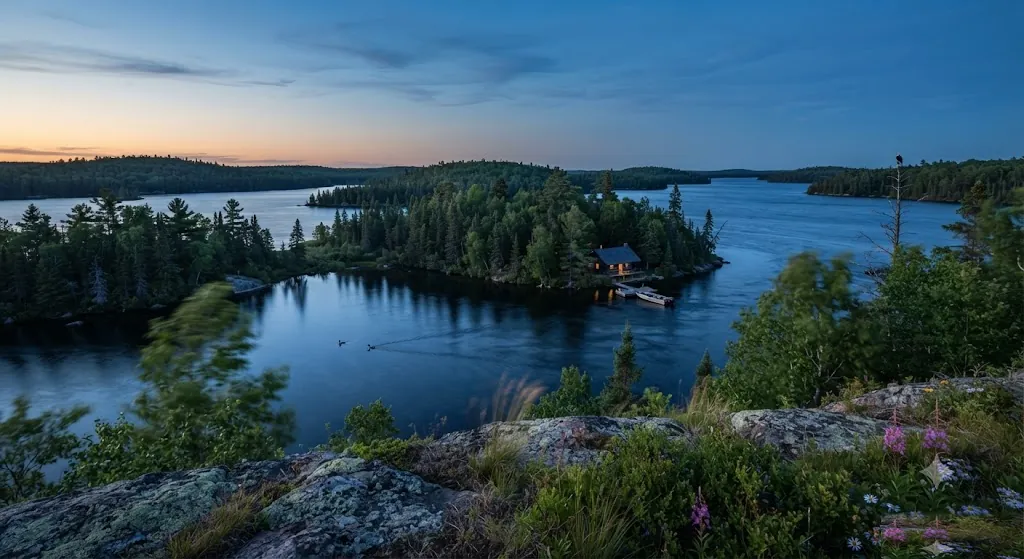
Our team at Roam States has explored countless national parks, but few captivate with the unique, water-dominated wilderness of Voyageurs National Park Minnesota. This extraordinary destination, nestled on the Canadian border, offers an unparalleled experience where the waterways are the highways and the islands are your destinations. Forget scenic drives; here, the adventure begins when you launch your boat, canoe, or kayak into a vast, interconnected network of lakes and bays. We've compiled this comprehensive guide to ensure your trip to Minnesota's only national park is as seamless and unforgettable as the northern lights dancing above its pristine waters.
Why Visit Voyageurs National Park
Voyageurs National Park stands out as a truly distinct American wilderness, a place where the ancient boreal forest meets a sprawling, island-studded freshwater sea. What draws visitors here isn't a single iconic landmark, but rather the immersive experience of a water-based park. We recommend it for its incredible opportunities for boating, paddling, and fishing across its four major lakes: Rainy, Kabetogama, Namakan, and Sand Point. The park's untouched beauty offers a chance to disconnect and reconnect with nature on a profound level. It's a place where you can spend days exploring secluded coves, spotting wildlife like bald eagles, moose, and beavers, and marveling at some of the oldest exposed rock formations in the world, dating back 2.8 billion years. The park's designation as an International Dark Sky Park also means incredible stargazing and, if you're lucky, a chance to witness the aurora borealis, particularly in the fall and winter months.
Who It's Best For
Voyageurs National Park is ideal for those who embrace water-based exploration and seek a quieter, more intimate connection with nature. It's perfect for:
- Boaters and Paddlers: With over 84,000 acres of water and hundreds of islands, it's a paradise for those with their own watercraft or who plan to rent one.
- Anglers: The interconnected lakes are renowned for walleye, northern pike, and smallmouth bass fishing.
- Families: While much of the park requires a boat, many resorts offer family-friendly amenities, and activities like dock fishing, swimming, and ranger-led boat tours are popular.
- Wildlife Enthusiasts: Opportunities abound to see eagles, loons, moose, and bears in their natural habitat.
- Winter Adventurers: The park transforms into a snowy wonderland, offering groomed trails for snowshoeing, cross-country skiing, and snowmobiling, plus unique ice roads on Rainy and Kabetogama Lakes.
If you're looking for a national park with extensive paved scenic drives and numerous roadside attractions, Voyageurs might not be your first choice. However, for those willing to get on the water, the rewards are immense.
Getting There & Parking
When planning how to get to Voyageurs National Park, it's important to remember that this is a water-based park, and most of its interior is only accessible by boat. Vehicle access is primarily to the park's four visitor centers, which serve as gateways to the watery wilderness. These visitor centers are located along the southern edge of the park.
The nearest major city to Voyageurs National Park is International Falls, Minnesota, which is approximately 14 miles from the Rainy Lake Visitor Center. From Minneapolis-St. Paul, the drive is about 5 hours north via I-35 and Highway 53, while Duluth is approximately 3 hours north on Highway 53. For those flying, Falls International Airport (INL) in International Falls is the closest, about 14-16 miles from the Rainy Lake Visitor Center, though flights are limited. Larger airports like Duluth International Airport (DLH) and Minneapolis−Saint Paul International Airport (MSP) are 143 miles and 283 miles away from the Ash River Visitor Center, respectively.
The park has four visitor centers:
- Rainy Lake Visitor Center: Open year-round, though hours vary seasonally. It's located 1797 Town Road 342, International Falls, MN 56649.
- Kabetogama Lake Visitor Center: Typically open seasonally from late May through late September, with a winter window from January to March. Its address is 9940 Cedar Lane, Kabetogama, MN 56669.
- Ash River Visitor Center: Also seasonal, generally from late May through late September. You can find it at 9899 Mead Wood Road, Orr, MN 55771.
- Crane Lake Visitor Center: The newest and easternmost gateway, open mid-May through September.
Regarding parking, camping permit holders can park their vehicles overnight at any park visitor center boat launch parking lot for up to 14 days during their trip, free of charge. Public boat launch ramps are available at the Rainy Lake, Kabetogama Lake, and Ash River Visitor Centers. During busy summer weekends, especially holiday weekends, parking lots at boat launches can fill up quickly, so arriving before 8:30 AM is advisable. Remember that cell service can be limited in the park, so we recommend downloading maps before you arrive.
Top Things to Do
Exploring Voyageurs National Park means embracing its watery landscape. Most of the park's unique attractions and natural beauty are best experienced by boat. Here are some of the top things to do at Voyageurs National Park:
- Boating and Houseboating: This is arguably the quintessential Voyageurs experience. Renting a pontoon, fishing boat, or even a houseboat allows you to navigate the vast interconnected lakes, find secluded coves, and explore islands at your own pace. Houseboating offers the unique freedom of a "floating hotel," allowing you to moor in different spots each night. Several local outfitters, like Northern Lights Resort & Outfitters and The Pines of Kabetogama, offer boat rentals.
- Ranger-Led Boat Tours: For those without their own boat or who prefer a guided experience, the park offers ranger-led boat tours from the Rainy Lake, Kabetogama Lake, and Ash River Visitor Centers. These tours, which typically run from mid-June through September, provide essential access to the park's remote areas and often include stops at historic sites like the Harry Oveson Fish Camp or the Little American Mine. Reservations for 2026 boat tours opened on April 15th and are highly recommended as they often fill up.
- Paddling: Kayaking and canoeing offer a quieter way to explore the park's bays and shorelines. Many resorts offer free canoe and kayak rentals for their guests, and outfitters provide rentals for non-guests.
- Fishing: Voyageurs is a renowned fishing destination. The lakes are teeming with walleye, northern pike, and smallmouth bass. You can fish from your boat or even right off the dock at many resorts.
- Visiting Ellsworth Rock Gardens: Accessible only by water on Kabetogama Lake, these unique terraced gardens were created by a self-taught artist in the 1940s using native stone. It's a fascinating blend of human artistry and natural landscape.
- Exploring Kettle Falls: This historic site, home to the Kettle Falls Hotel, is a remote area bordering the Boundary Waters Canoe Area Wilderness and is only accessible by boat or water taxi. It's a glimpse into the park's logging and fur trade history.
- Stargazing and Northern Lights: As an International Dark Sky Park, Voyageurs offers exceptional opportunities for stargazing. On clear, dark nights, especially in the fall and winter, you might witness the spectacular aurora borealis.
- Hiking: While primarily a water park, there are several excellent hiking trails, both land-accessible and water-accessible, that allow you to explore the boreal forest. We'll delve deeper into Voyageurs National Park hiking trails in a dedicated section.
To truly experience the best things to do at Voyageurs National Park, planning for water transportation is key. Whether it's a rental, a guided tour, or your own vessel, getting out on the water is essential.
Voyageurs National Park hiking trails
While the vast waterways define the park, Voyageurs National Park hiking trails offer a different perspective, leading you through diverse forests and to scenic overlooks. Many of the most notable trails are on the Kabetogama Peninsula, which requires boat access. However, there are also land-accessible options.
Here are some of the prominent Voyageurs National Park hiking trails:
- Land-Accessible Trails:
- Oberholtzer Trail: Located near the Rainy Lake Visitor Center, this easy 1.7-mile (round trip) trail winds through deciduous and conifer forests to two overlooks with marsh and lake views. The first quarter-mile is wheelchair accessible, and it's one of the few trails where pets are allowed.
- Echo Bay Trail: A 2.5-mile loop trail near the Kabetogama Lake Visitor Center, offering a wide path through aspen and pine forests, lowlands, and rocky outcrops. It's excellent for birding.
- Blind Ash Bay Loop Trail: This moderate 2.9-mile (4.7 km) loop trail near the Kabetogama Lake Overlook offers winding, rocky paths through the boreal forest with views of Kabetogama Lake.
- Beaver Pond Overlook Trail: A short but moderate 0.4-mile uphill hike leading to a rocky outcrop overlooking a beaver pond.
- Sullivan Bay Trail: An easy 1.5-mile round trip hike along an old forest road, leading to a viewpoint on Sullivan Bay with a picnic table and fire ring, showcasing ancient volcanic rock.
- Kab-Ash Trail: A strenuous, extensive system spanning 27.9 miles, connecting the Kabetogama and Ash River communities. It traverses backcountry forests and wetlands, offering opportunities for multi-day hikes with primitive camping. Note that the Salmi Road entrance to this trail in Kabetogama is closed.
- Water-Accessible Trails (require a boat to reach the trailhead):
- Cruiser Lake Trail: A strenuous 9.5-mile one-way trail that crosses the Kabetogama Peninsula from Rainy Lake to Kabetogama Lake. It's popular for long day hikes or overnights, offering serene views and chances to spot moose and eagles.
- Locator Lake Trail: An easy 3.9-mile round trip trail from Kabetogama Lake to Locator Lake, a quieter inland lake.
- Anderson Bay Trail: A moderate 1.7-mile loop on the east end of Rainy Lake, offering stunning cliff-top views overlooking Rainy Lake and towards Canada.
- Little American Island Trail: An easy, short trail (about a quarter-mile loop) that explores the remnants of 19th-century gold mining operations on Rainy Lake.
When planning your Voyageurs National Park hiking trails adventure, always check with a visitor center for current conditions and trail closures. Many trails are not maintained in winter, and proper footwear is essential for the often rocky and winding paths.
Voyageurs National Park camping
Camping in Voyageurs National Park is an experience unlike many other national parks, primarily because most campsites are only accessible by water. This means you'll need a boat, canoe, kayak, or water taxi to reach your site. All overnight camping within the park requires a permit and advanced reservations.
Here's what you need to know about Voyageurs National Park camping:
- Frontcountry Campsites: These are the most common and accessible campsites, located directly on the major lakes (Rainy, Kabetogama, Namakan, and Sand Point) and featuring either sand or dock landings. They often come with amenities like a cleared tent area, fire ring, picnic table, and bear-proof food locker. Reservations for the high-use season (May 1st - September 30th) open on November 15th of the preceding year, and popular sites can book up quickly. Reservations can be made via Recreation.gov or by calling (877) 444-6777.
- Backcountry Campsites: For a more remote experience, backcountry sites are located on interior lakes like Locator, Shoepack, and Cruiser. These typically require hiking from boat-accessible trailheads, and a canoe is often included with each reservation.
- Primitive Hike-in Sites: Voyageurs offers two primitive hike-in sites, Red Pine and Blueberry Ridge, which are the park's only walk-in options accessible via the 28-mile Kab-Ash Trail. These sites offer basic amenities like fire rings and cleared tent areas but do not have privies or bear storage, requiring strict Leave No Trace practices.
- Houseboating: A popular alternative to traditional tent camping, houseboating allows you to enjoy the comforts of home while exploring the park's waterways. Houseboat permits also require reservations, which open on November 15th for the following season. Commercial operators just outside the park offer houseboat rentals.
- Camping Outside the Park: If you're looking for drive-up camping, options are available just outside the park boundary. Woodenfrog State Forest Campground on Kabetogama Lake and Ash River Campground in Ash River offer first-come, first-served sites. The City of International Falls also has a small campground, City Beach Campground, near Rainy Lake.
- Parking for Campers: If you have a camping permit, you can park your vehicle for free for up to 14 days at any park visitor center boat launch parking lot.
Regardless of your chosen method for Voyageurs National Park camping, always print your permit and display it at your campsite. Check-in is typically 3:00 PM or later, and check-out is by 12:00 PM noon.
Best Time to Visit
Voyageurs National Park is a four-season destination, and the "best" time to visit largely depends on the activities you prioritize.
- Summer (June-August): This is the busiest and most popular season, offering warm temperatures, long daylight hours, and ideal conditions for boating, paddling, swimming, fishing, and hiking. Visitor centers and tour boats typically open in June. For warmer lake temperatures and fewer biting insects, late July through mid-August is often recommended. However, be prepared for mosquitoes, deer flies, and ticks.
- Fall (September-October): Our team considers autumn an outstanding time to visit. The park comes alive with vibrant fall colors, crisp temperatures, and fewer crowds. It's an excellent time for hiking, fishing, and increasing your chances of seeing the Northern Lights due to longer periods of darkness. Be aware that fall can be short, with cold temperatures arriving quickly, and park buoys are typically removed in early October, making lake navigation more challenging.
- Winter (December-March): For those seeking solitude and a unique experience, winter transforms Voyageurs into a snowy wonderland. Visitors can enjoy groomed trails for snowshoeing, cross-country skiing, snowmobiling, and exploring the famous ice roads on Rainy and Kabetogama Lakes. It's also an excellent time for ice fishing and viewing the Northern Lights.
- Spring (April-May): This can be an unpredictable season due to fluctuating temperatures and ice melt. Trails can be muddy, but it's a peaceful time for those who don't mind the conditions. Anglers can enjoy premiere fishing during May's fishing opener.
Regardless of the season, Voyageurs National Park is open 24 hours a day, year-round, and there is no entrance fee.
Where to Stay Nearby
While most camping within Voyageurs National Park requires water access, there are numerous lodging options in the gateway communities surrounding the park. These communities—International Falls, Kabetogama, Ash River, and Crane Lake—offer a range of accommodations from resorts and cabins to hotels and drive-up campgrounds.
- International Falls (Rainy Lake Area): Located about 14 miles from the Rainy Lake Visitor Center, International Falls is the largest nearby town. It offers hotels, motels, and various services, including groceries, dining, and fuel. The City Beach Campground is also available here.
- Kabetogama Lake Area: This area, home to the Kabetogama Lake Visitor Center, offers a quieter atmosphere with numerous lodge-style resorts and cabins directly on the lake. Many of these resorts, like The Pines of Kabetogama and Northern Lights Resort, offer boat rentals, guided tours, and easy access to the park's waterways. Woodenfrog State Forest Campground provides drive-up camping on a first-come, first-served basis.
- Ash River Area: Situated near the Ash River Visitor Center, this community also features resorts and cabins. It's a gateway to the Kabetogama Peninsula trails and offers access to the historic Kettle Falls Hotel via boat. Ash River State Forest Campground is another option for drive-up camping.
- Crane Lake Area: As the easternmost gateway, Crane Lake offers a more remote feel with resorts and outfitters providing boat rentals and access to the park and the Boundary Waters Canoe Area Wilderness.
Many visitors choose to stay at area lodges and resorts for a comfortable base while exploring the park by day. We recommend booking accommodations well in advance, especially for summer and fall visits, as availability can be limited. For more information on Minnesota travel, check out our guide to the Best Places in Minnesota. For a truly immersive water experience, consider renting a houseboat, which allows you to sleep right on the lakes within the park.
Sample 2-Day Itinerary
To make the most of your visit to Voyageurs National Park Minnesota, we've crafted a sample 2-day itinerary focused on experiencing its unique water-based charm:
Day 1: Rainy Lake Exploration & History
- Morning (9:00 AM - 1:00 PM): Ranger-Led Boat Tour from Rainy Lake Visitor Center. Start your day at the Rainy Lake Visitor Center. We highly recommend booking a ranger-led boat tour in advance (reservations for 2026 tours opened April 15th). The "Grand Tour" or "Life on the Lake Tour" offers an excellent introduction to the park's history, geology, and wildlife, taking you to sites like the Little American Mine and Harry Oveson Fish Camp.
- Lunch (1:00 PM - 2:00 PM): Picnic by the Lake. Grab a packed lunch from International Falls or a local deli and enjoy a scenic picnic near the Rainy Lake Visitor Center, perhaps along the Oberholtzer Trail.
- Afternoon (2:00 PM - 5:00 PM): Short Hike & Visitor Center Exploration. Take a leisurely stroll on the accessible Oberholtzer Trail (1.7 miles round trip) to stretch your legs and enjoy views of the wetlands and lake. Afterward, explore the exhibits at the Rainy Lake Visitor Center, which include a small museum and park film.
- Evening (5:00 PM onwards): Dinner in International Falls & Stargazing. Head back to International Falls for dinner. As night falls, find a clear spot along Rainy Lake or near your accommodation to experience the park's dark skies and look for constellations or, if conditions are right, the Northern Lights.
Day 2: Kabetogama Peninsula Adventure
- Morning (9:00 AM - 1:00 PM): Boat Rental & Ellsworth Rock Gardens. Drive to the Kabetogama Lake or Ash River area. Rent a pontoon or fishing boat from a local outfitter. Spend your morning cruising Kabetogama Lake, navigating through islands, and making your way to the unique Ellsworth Rock Gardens. Dock your boat and explore this fascinating artistic landscape.
- Lunch (1:00 PM - 2:00 PM): Island Picnic. Find a secluded island or day-use site on Kabetogama Lake for a peaceful picnic lunch. Many islands offer small beaches perfect for a break.
- Afternoon (2:00 PM - 5:00 PM): Hiking on Kabetogama Peninsula or Fishing. Depending on your energy and interest, either embark on a moderate hike like the Blind Ash Bay Loop Trail (2.9 miles) from the Kabetogama Lake Overlook parking area or spend the afternoon fishing for walleye and northern pike in the abundant waters of Kabetogama Lake.
- Evening (5:00 PM onwards): Lakeside Dining & Sunset. Enjoy a relaxing dinner at one of the lakeside resorts in Kabetogama or Ash River. Conclude your day by watching the sunset over the expansive lake, a perfect end to your water-based adventure.
This itinerary provides a taste of the best Voyageurs National Park has to offer. Remember that boat reservations and camping permits should be secured well in advance, especially during peak season. For those interested in exploring beyond Voyageurs, consider a visit to the Boundary Waters Canoe Area Wilderness, another incredible Minnesota water-based destination.
Is It Worth Visiting?
Absolutely, is Voyageurs National Park worth visiting? Our resounding answer is yes, especially for travelers who appreciate a unique, water-centric wilderness experience. Voyageurs National Park offers an escape from the ordinary, where the rhythm of your trip is dictated by the lakes and the call of the loons. It's a place where you trade traffic jams for boat wakes and crowded trails for secluded island campsites.
What makes Voyageurs National Park worth visiting is its distinct character. Unlike many other national parks, here, the water is the main attraction and the primary mode of transportation. This creates unparalleled opportunities for boating, houseboating, fishing, and exploring hundreds of islands. The chance to witness the Northern Lights under an International Dark Sky, discover ancient geological formations, and immerse yourself in a rich fur-trading history adds layers to its appeal.
While it may not offer the towering mountains or deep canyons found elsewhere, its vast interconnected waterways, dense boreal forests, and abundant wildlife provide a serene and adventurous retreat. For families, it offers a perfect balance of adventure and relaxation, with opportunities for hands-on learning and memorable outdoor moments. We believe that for those seeking a truly unique national park adventure that emphasizes getting out on the water, Voyageurs National Park is not just worth visiting, but an essential Minnesota experience. For more Minnesota inspiration, consider exploring other gems like the Chain of Lakes or the historic Cathedral of Saint Paul.
FAQ Longtails
things to do in Voyageurs National Park
The primary things to do in Voyageurs National Park revolve around its extensive waterways. We recommend boating, houseboating, kayaking, and canoeing to explore the interconnected lakes and islands. Popular activities include ranger-led boat tours to historic sites like Ellsworth Rock Gardens and Kettle Falls, fishing for walleye and northern pike, and hiking on both land-accessible and water-accessible trails. Stargazing and watching for the Northern Lights are also top activities, especially in the fall and winter.
Voyageurs National Park with kids
Voyageurs National Park can be a fantastic family destination, especially if you focus on water-based fun. Kids often enjoy boat rides, dock fishing, swimming at island beaches, and spotting wildlife like eagles and beavers. Ranger-led boat tours offer educational and engaging experiences. Many resorts in gateway communities cater to families, offering amenities and easy access to kid-friendly activities. We suggest keeping itineraries flexible and allowing time for simple nature moments like campfires.
Voyageurs National Park tips
Our top tips for visiting Voyageurs National Park include: planning your trip around water transportation (renting a boat or booking tours is essential), making all camping and boat tour reservations well in advance (especially for summer and fall), packing plenty of insect repellent and sunscreen, and downloading maps as cell service can be limited. Consider visiting in late July to mid-August for warmer water and fewer bugs, or in the fall for vibrant colors and Northern Lights viewing. Always check visitor center hours and current conditions before heading out.
Voyageurs National Park parking
Parking in Voyageurs National Park is primarily available at the four visitor centers: Rainy Lake, Kabetogama Lake, Ash River, and Crane Lake. These lots serve as boat launch points. If you have an overnight camping permit, you can park your vehicle for free for up to 14 days at a visitor center boat launch parking lot. During peak season and holiday weekends, parking lots can fill quickly, so arriving early is recommended.
best time to visit Voyageurs National Park
The best time to visit Voyageurs National Park depends on your interests. Summer (June-August) is ideal for warm weather and water activities like boating, swimming, and fishing, though it's the busiest. Late July to mid-August often has warmer water and fewer insects. Fall (September-October) offers stunning foliage, fewer crowds, and excellent stargazing/Northern Lights opportunities. Winter (December-March) is perfect for snowmobiling, ice fishing, cross-country skiing, and experiencing the ice roads.
Voyageurs National Park hours and fees
Voyageurs National Park is open 24 hours a day, year-round, and does not charge an entrance fee. However, there are fees for camping permits, houseboat permits, ranger-led boat tours, special interpretive programs, and winter equipment rentals. Visitor center hours vary by season; for example, all four visitor centers are expected to operate from 9 AM to 5 PM, seven days a week, from Memorial Day weekend (May 23, 2026) through September. The Rainy Lake Visitor Center also has limited winter hours, typically Fridays, Saturdays, Sundays, and Mondays from 10 AM to 4 PM from November 14, 2025, to March 30, 2026. We advise checking the official National Park Service website for the most current operating hours and fees (nps.gov/voya).
We hope this guide inspires you to discover the unparalleled beauty and adventure of Voyageurs National Park. This extraordinary Minnesota gem promises an unforgettable journey into a water-based wilderness unlike any other. Whether you're navigating its vast lakes, hiking its forest trails, or simply soaking in the tranquility, our team is confident you'll find a deep connection with this unique landscape. For more travel ideas within the state, explore Explore Minnesota.
Last updated: 2026-07-13 by the Roam States team.