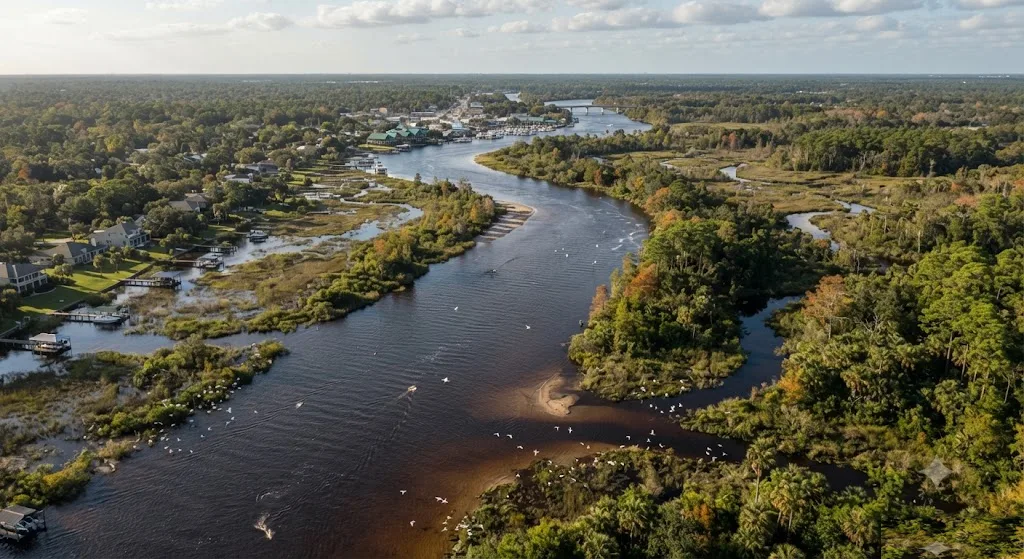
St. Johns River Travel Guide — Florida
Our St. Johns River guide covers practical planning for St. Johns River Florida — best time to visit, getting there, and what to do on the ground. We cut through the noise to deliver the essential information you need for a memorable trip along Florida's longest river. From navigating its slow-moving waters to discovering hidden natural gems, we've got you covered.
The St. Johns River offers a quintessential Old Florida experience, a refreshing counterpoint to the state's more bustling attractions. We confidently recommend it for travelers seeking authentic wildlife encounters, serene boating, and a deep dive into Florida's natural ecosystems. Its accessibility and diverse offerings make it a standout destination for those who appreciate the outdoors.
Why Visit St. Johns River
The St. Johns River is more than just a waterway; it's a vibrant artery of Florida's natural heritage, flowing northward for over 300 miles. We find its unique ecosystem, characterized by slow-moving, dark waters and lush riverbanks, to be a compelling reason to visit. It’s a haven for wildlife, offering unparalleled opportunities for observing manatees, alligators, and a vast array of bird species in their natural habitat. Unlike many of Florida's coastal destinations, the St. Johns offers a tranquil, freshwater experience, perfect for those seeking a deeper connection with nature. Whether you're a seasoned angler, a birdwatching enthusiast, or simply looking for a peaceful escape, the river's diverse environments provide a rich tapestry of experiences.
Who It's Best For
The St. Johns River caters to a wide array of travelers, but we find it particularly suited for nature enthusiasts, families, and those seeking a slower pace of travel. It's an ideal destination for:
- **Wildlife Lovers:** With abundant manatees, alligators, ospreys, and bald eagles, it’s a paradise for wildlife viewing and photography.
- **Boaters and Paddlers:** The calm waters are perfect for kayaking, canoeing, paddleboarding, and powerboating, offering endless exploration opportunities.
- **Anglers:** Renowned for its bass fishing, the river attracts both recreational and serious fishermen.
- **Families:** Many state parks along the river offer amenities like picnic areas, swimming, and nature trails, making it great for family outings.
- **History Buffs:** The river has a rich history, with ancient Native American sites and historical towns dotted along its banks.
Getting There & Parking
Accessing the St. Johns River Florida is relatively straightforward, given its extensive length and proximity to several major population centers. We recommend planning your approach based on which section of the river you wish to explore. The river flows through or near cities like Jacksonville, Palatka, Sanford, and DeLand, all of which offer various access points. For those flying in, Jacksonville International Airport (JAX), Orlando International Airport (MCO), and Orlando Sanford International Airport (SFB) are the most convenient hubs. From there, a rental car is essential for exploring the various riverfront parks and attractions.
Major Access Points and Parking:
- **Jacksonville Area:** The northernmost section of the river, where it widens significantly before meeting the Atlantic, offers numerous public boat ramps and parks. Metropolitan Park Marina and St. Johns Riverfront Park provide public access. Parking availability varies, with some spots being free and others requiring a small fee, typically around $5-$10 for daily parking.
- **Central St. Johns (e.g., Sanford, DeLand):** This area is popular for its springs and state parks. Blue Spring State Park, near Orange City, is a prime example. Daily park entrance fees are $6 per vehicle (up to 8 people) as of 2026, and ample parking is available within the park. Hontoon Island State Park is unique as it's only accessible by private boat or a free public ferry. Parking for the ferry is available on the mainland.
- **Southern St. Johns (e.g., Palatka, Lake Monroe):** Areas around Lake Monroe and Lake George offer several county and state parks with boat ramps and picnic facilities. Parking at these locations is generally plentiful, with some requiring a small launch fee for boats.
When planning how to get to St. Johns River locations, we advise checking specific park websites for the most current information on hours, fees, and any reservation requirements, especially during peak seasons. For instance, Blue Spring State Park can reach capacity quickly during manatee season (November-March). Adequate parking near St. Johns River access points is usually available, but arriving early is always a good strategy, particularly on weekends and holidays.
Top Things to Do
The St. Johns River offers an incredible array of activities, making it a prime destination for outdoor enthusiasts. Our team consistently finds that the best things to do at St. Johns River revolve around its natural beauty and abundant wildlife. From tranquil paddling to thrilling airboat rides, there's something for every adventurer.
Boating and Paddling
Exploring the river by boat is arguably the best way to experience its charm. We recommend bringing your own vessel or renting one from numerous marinas along the river. Kayaking and canoeing are fantastic for navigating the narrower tributaries and springs, offering intimate wildlife encounters. You can rent kayaks and canoes at several state parks, including Blue Spring State Park. For a more exhilarating experience, consider an airboat tour, which provides a fast-paced way to see alligators and other wildlife up close. Companies like St. Johns River Eco Tours in Sanford offer airboat tours starting around $30-$50 per person for a 1-hour ride in 2026.
Wildlife Viewing
The St. Johns River Florida is a wildlife hotspot. Manatees are a major draw, especially during cooler months (November to March) when they seek refuge in the warm spring waters. Blue Spring State Park is one of the best places to observe them from boardwalks. Alligators are ubiquitous, often seen basking on riverbanks or gliding through the water. Birdwatchers will delight in spotting ospreys, bald eagles, herons, egrets, and various migratory birds. We suggest bringing binoculars and a telephoto lens for the best viewing experiences.
Fishing
Known as a premier freshwater fishing destination, the St. Johns River is famous for its largemouth bass. Anglers also target crappie, bluegill, and catfish. We recommend checking Florida Fish and Wildlife Conservation Commission (FWC) regulations before casting your line. Many local guides offer fishing charters for both beginners and experienced anglers.
Exploring State Parks and Springs
Numerous state parks line the St. Johns River, each offering unique attractions.
- **Blue Spring State Park:** Famous for its manatee sanctuary and opportunities for swimming, snorkeling, and diving in the spring run (when manatees are not present). The park is open from 8 AM to sunset daily, and the entrance fee is $6 per vehicle.
- **Hontoon Island State Park:** Accessible only by ferry or private boat, this island park offers hiking, biking, camping, and a fascinating Native American shell mound. The ferry runs from 9 AM to an hour before sunset.
- **Lake Monroe Conservation Area:** Offers trails for hiking and biking, and excellent opportunities for birdwatching.
- **Silver Springs State Park:** While not directly on the St. Johns, it's a short drive and a must-visit for its iconic glass-bottom boat tours and pristine spring waters. We’ve highlighted it in our Silver Springs State Park guide.
Historical and Cultural Exploration
Beyond its natural wonders, the St. Johns River has a rich history. Visit towns like Palatka, with its historic downtown, or explore the sites of early European settlements. For those looking for things to do in Various (East Florida) beyond the river, consider a day trip to St. Augustine Historic District, just a short drive east, offering centuries of history and charming streets.
Best Time to Visit
The best time to visit the St. Johns River largely depends on your primary interests. Our team generally recommends the cooler, drier months for the most comfortable experience and optimal wildlife viewing.
- **Winter (November to March):** This is peak season for manatee viewing, as these gentle giants congregate in the warm spring waters. Temperatures are mild and pleasant, making it ideal for hiking, boating, and other outdoor activities. However, popular spots like Blue Spring State Park can get very crowded, and we advise arriving early.
- **Spring (April to May):** Spring offers a beautiful balance with comfortable temperatures, fewer crowds than winter, and abundant blooming flora. Wildlife remains active, and fishing is excellent.
- **Fall (September to October):** Similar to spring, fall brings pleasant weather and fewer visitors. It's a great time for bird migration and enjoying the river's tranquility before the winter manatee crowds arrive.
- **Summer (June to August):** Summers are hot and humid, with frequent afternoon thunderstorms. While still viable for water activities, the heat can be intense for hiking. This is generally the off-peak season, meaning fewer crowds at some attractions, but also fewer manatees in the springs.
For those specifically hoping to see manatees, the window from November through March is non-negotiable. If avoiding crowds and enjoying comfortable weather for all outdoor pursuits is your priority, spring and fall are our top picks.
Where to Stay Nearby
When planning your trip to the St. Johns River, finding the right St. Johns River lodging can significantly enhance your experience. While there aren't many large resorts directly on the river's wilder stretches, a variety of options exist in nearby towns and cities, catering to different preferences and budgets. Our team suggests considering the type of experience you seek – whether it's a quiet retreat, easy access to specific attractions, or proximity to urban amenities.
Hotels and Motels
For travelers seeking convenience and standard amenities, we recommend looking for accommodations in the towns that border the river.
- **Sanford/DeLand Area:** These towns offer a good selection of chain hotels and independent motels. Sanford, particularly, provides easy access to Lake Monroe and airboat tours. Hotels here range from budget-friendly to mid-range.
- **Palatka:** A historic town further south, Palatka has several charming bed and breakfasts and a few chain hotels, offering a quieter, more local experience.
- **Jacksonville:** If you're exploring the northern reaches of the river, Jacksonville provides the widest range of St. Johns River lodging, from luxury hotels downtown to more affordable options further out. This is a good base if you also plan to visit the city's attractions.
Vacation Rentals and Cabins
For a more immersive experience or for larger groups, vacation rentals are an excellent choice. Many homes and cabins are available for rent along the river or in nearby communities, often offering private docks, stunning views, and more space. We find these particularly appealing for families or groups of friends who want to enjoy self-catering and a "home away from home" feel.
Camping and RV Parks
For the true nature lover, camping is a fantastic option. Several state parks along the St. Johns River offer tent and RV camping facilities.
- **Blue Spring State Park:** Offers both tent and RV sites with electric and water hookups. Reservations are highly recommended, especially during peak season, and can be made up to 11 months in advance through Florida State Parks.
- **Hontoon Island State Park:** Provides primitive cabins and tent sites, accessible by ferry. This offers a unique, secluded camping experience.
- **Lake Monroe Park:** A county park with RV sites and river access.
Sample 2-Day Itinerary
To help you plan your adventure, our team has crafted a sample 2-day itinerary focusing on the central St. Johns River, offering a blend of wildlife, nature, and relaxation.
Day 1: Manatees, Springs & Paddling
- **Morning (8:00 AM - 12:00 PM): Blue Spring State Park.** Arrive early to beat the crowds, especially during manatee season (November-March). Walk the boardwalk to observe manatees in the spring run. If it's not manatee season, enjoy swimming, snorkeling, or diving in the crystal-clear spring. The park opens at 8 AM, and the entrance fee is $6 per vehicle.
- **Lunch (12:00 PM - 1:00 PM): Picnic at Blue Spring or local eatery.** Pack a picnic to enjoy amidst the park's natural beauty, or head to a local restaurant in nearby Orange City or DeLand.
- **Afternoon (1:00 PM - 5:00 PM): Kayaking or Canoeing on the St. Johns.** Rent a kayak or canoe from the concessionaire at Blue Spring State Park or a nearby outfitter. Paddle out into the St. Johns River or explore the spring run (when permitted) for a different perspective of the ecosystem. Alternatively, visit nearby Lake Monroe and explore its shores.
- **Evening: Dinner in DeLand.** Enjoy dinner in the charming downtown area of DeLand, known for its historic architecture and diverse dining options.
Day 2: Airboats, Islands & River Views
- **Morning (9:00 AM - 12:00 PM): Airboat Tour from Sanford.** Head to Sanford for an exhilarating airboat tour on Lake Monroe and the St. Johns River. Companies like St. Johns River Eco Tours offer guided tours that provide excellent opportunities to spot alligators, birds, and other wildlife. Tours typically last 1-2 hours and cost around $30-$50 per person.
- **Lunch (12:00 PM - 1:00 PM): Riverside Dining in Sanford.** Enjoy a casual lunch at one of the restaurants overlooking Lake Monroe in Sanford.
- **Afternoon (1:00 PM - 4:00 PM): Hontoon Island State Park.** Drive to the mainland ferry landing for Hontoon Island State Park. Take the free ferry across the river to the island. Explore the island's hiking trails, visit the Native American shell mound, and enjoy the peaceful, car-free environment. The ferry operates until an hour before sunset.
- **Late Afternoon/Evening: Sunset Views.** Find a scenic spot along the river, perhaps at a public park or a restaurant with a view, to watch the sunset over the St. Johns River.
This itinerary provides a solid foundation, but we encourage travelers to customize it based on their interests. Remember to check hours and make reservations where necessary, especially for popular attractions and accommodations.
Frequently Asked Questions About St. Johns River Florida
What are the best things to do at St. Johns River with kids?
The St. Johns River offers numerous family-friendly activities. We recommend visiting Blue Spring State Park for manatee viewing (in winter) and swimming in the spring. Airboat tours are a thrilling experience for older children, providing close-up alligator encounters. Kayaking or canoeing in calm areas can be a great way to introduce kids to paddling and wildlife observation. Many county parks along the river also feature playgrounds and picnic areas.
What are the best hotels near St. Johns River?
The best hotels near St. Johns River depend on the specific section you wish to explore. For the central river, we recommend hotels in Sanford or DeLand, offering a range of budget to mid-range options. If you're focusing on the northern part, Jacksonville provides a wider selection, including upscale choices. For a more rustic experience, consider cabins or camping within state parks like Blue Spring or Hontoon Island.
What are some essential St. Johns River tips for travelers?
Our top St. Johns River tips include: visit during the cooler months (November-March) for manatee viewing and pleasant weather; bring insect repellent, especially during warmer months; wear sunscreen and a hat; stay hydrated; and always respect wildlife by keeping a safe distance. Book accommodations and popular tours in advance, particularly during peak season. A good map or GPS is crucial, as cell service can be spotty in some remote areas.
Where to stay near St. Johns River for a peaceful retreat?
For a peaceful retreat near the St. Johns River, we suggest looking for vacation rentals or private cabins along quieter stretches of the river, particularly between Palatka and Lake George. Camping at Hontoon Island State Park offers a unique, secluded experience away from cars and crowds. Alternatively, charming bed and breakfasts in historic towns like Palatka can provide a tranquil base.
What are the typical St. Johns River parking fees?
St. Johns River parking fees vary widely depending on the access point. State parks, like Blue Spring State Park, typically charge a per-vehicle entrance fee of $6 (up to 8 people), which includes parking. Many public boat ramps may have a small launch fee, often $5-$10, for daily use. Some city parks along the river may have metered parking or small hourly/daily fees. We always advise checking the specific park or facility's website for the most current fee information.
What is the best time to visit St. Johns River for wildlife?
The best time to visit St. Johns River for wildlife is generally during the cooler dry season, from November to March. This period is prime for manatee viewing in the warm springs. Alligators are also more active and visible as they bask in the sun. Bird migration patterns also make fall and spring excellent for birdwatching. While summer offers lush greenery, the heat and humidity can make extended wildlife viewing less comfortable.
Conclusion
The St. Johns River Florida is a true gem, offering an authentic taste of the state's natural beauty and rich biodiversity. We believe it stands apart as a destination for those seeking genuine outdoor adventure, tranquil moments, and unforgettable wildlife encounters. From the gentle giants of the springs to the soaring eagles overhead, the river provides a captivating backdrop for exploration. We encourage you to plan your trip, embrace the slow pace of the river, and discover why this unique waterway holds such a special place in Florida's heart. For more incredible Florida experiences, check out our guide to the Best places in Florida, including destinations like Biscayne National Park, Crystal River, and the Destin & Emerald Coast Beaches.
Last updated: 2026-07-14 by the Roam States team.