Our University of Wisconsin-Madison Arboretum guide covers practical planning for University of Wisconsin-Madison Arboretum Wisconsin — best time to visit, getting there, and what to do on the ground.
University of Wisconsin-Madison Arboretum Travel Guide — Wisconsin
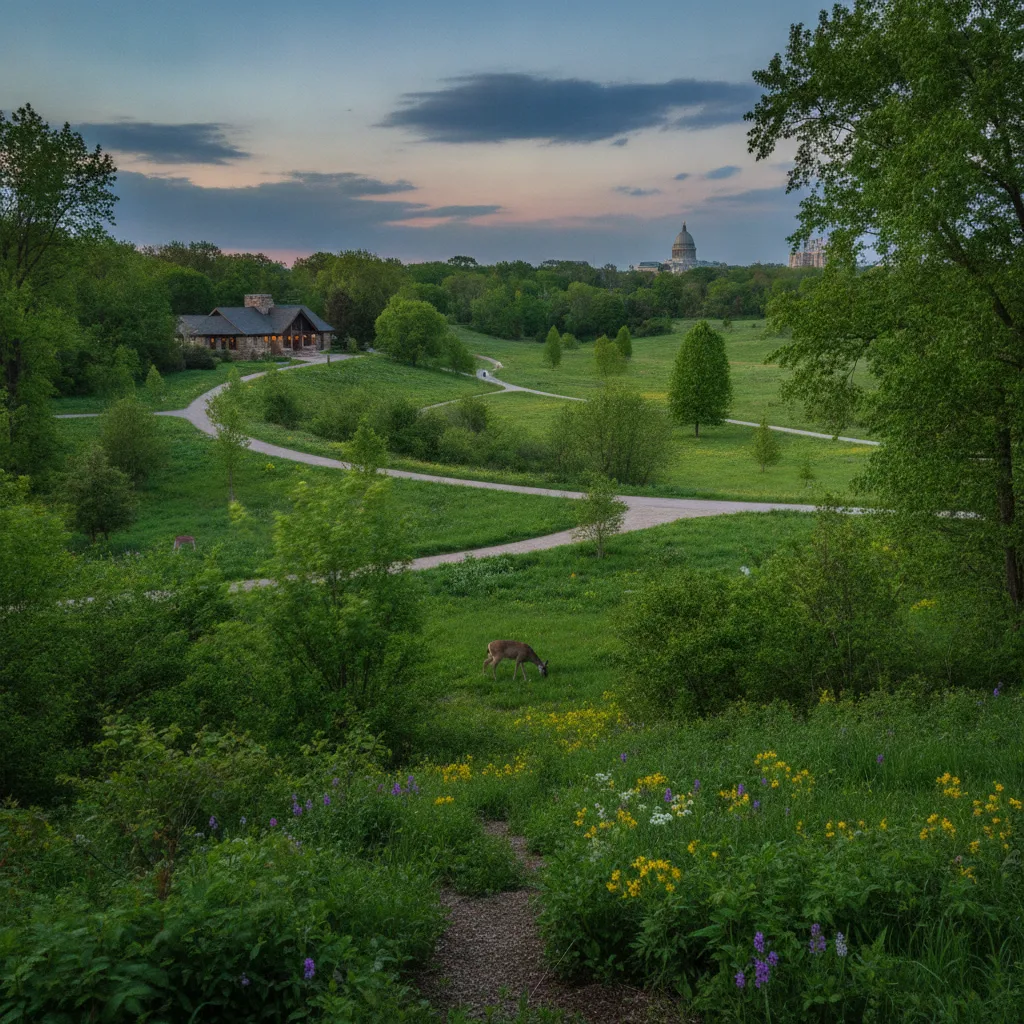
Wander through restored prairies, savannas, and forests, showcasing diverse native Wisconsin ecosystems. It's a living laboratory for ecological research and public enjoyment. The University of Wisconsin-Madison Arboretum Wisconsin is a truly unique destination, offering visitors an unparalleled opportunity to immerse themselves in the state's natural heritage and the pioneering science of ecological restoration. Spanning 1,200 acres, this living museum is a testament to dedicated conservation efforts, providing a peaceful escape just a short distance from downtown Madison.
Why Visit University of Wisconsin-Madison Arboretum
The University of Wisconsin-Madison Arboretum stands as a global leader in ecological restoration, a concept pioneered on its very grounds. We believe a visit here offers a profound connection to nature and a unique educational experience. It's a place where you can witness firsthand the successful re-establishment of diverse native Wisconsin ecosystems, including tallgrass prairies, oak savannas, woodlands, and wetlands.
Beyond its scientific significance, the Arboretum provides a tranquil retreat for quiet contemplation, exercise, and artistic inspiration. With over 17 miles of trails and 4 miles of paved roads, there's ample space for hiking, running, cycling, and simply enjoying the changing seasons.
Is University of Wisconsin-Madison Arboretum Worth Visiting?
Absolutely, the University of Wisconsin-Madison Arboretum is worth visiting for anyone seeking a blend of natural beauty, scientific insight, and outdoor recreation. It offers a free and accessible way to experience Wisconsin's native landscapes, making it a valuable resource for both locals and travelers.
Our team recommends it for its diverse offerings: from the vibrant blooms of the Longenecker Horticultural Gardens, featuring thousands of woody plants, to the serene beauty of the Wisconsin Native Plant Garden, designed for biodiversity and sustainability. The opportunity to explore restored ecosystems and learn about their importance in a living laboratory setting is truly enriching.
Who It's Best For
The University of Wisconsin-Madison Arboretum caters to a wide array of visitors, making it a versatile destination for many types of travelers. Our team finds it particularly well-suited for:
- Nature Enthusiasts and Hikers: With over 17 miles of diverse trails winding through prairies, savannas, woodlands, and wetlands, it's an ideal spot for those who love to explore on foot.
- Families with Children: The Arboretum offers monthly family walks and activities designed to engage younger visitors with seasonal topics, nature exploration, and hands-on learning. There's even a dedicated children's activity area where kids can climb on logs, build stick structures, and create nature art.
- Birdwatchers and Wildlife Observers: The varied ecosystems attract a wide range of bird species and other wildlife, providing excellent opportunities for observation.
- Runners and Cyclists: A 4-mile paved road through the Arboretum is popular for those looking for a scenic route for exercise.
- Photographers and Artists: The ever-changing landscapes, from blooming wildflowers to fall foliage and snowy scenes, offer endless inspiration.
- Researchers and Students: As a living laboratory for ecological restoration, it's an invaluable resource for scientific study and education.
- Anyone Seeking Tranquility: The Arboretum provides quiet places for reflection and observation, offering a peaceful escape from urban life.
Getting There & Parking
The University of Wisconsin-Madison Arboretum is conveniently located on the near-west side of Madison, bordering the southern shore of Lake Wingra. Its accessibility makes it a prime spot for both local and out-of-state visitors.
How to Get There
The main address for the Arboretum is 1207 Seminole Highway, Madison, WI 53711-3726. For GPS services, using the building number 2880 Longenecker Drive will direct you to the Visitor Center and main parking lots.
- By Car: There are two main vehicle entrances. The west entrance is on Seminole Highway, just north of the Beltline (Highway 12). The east entrance is at South Mills Street and North Wingra Drive, near St. Mary's Hospital. The Visitor Center is approximately 1 mile from the Seminole Highway entrance and 2.3 miles from the North Wingra Drive entrance. Note that Arboretum/McCaffrey Drive is not a through street for automotive traffic; a gate at the Visitor Center stops vehicles at the parking lots. The speed limit on Arboretum/McCaffrey Drive is 20 mph.
- By Public Transit: Madison Metro Transit offers bus stops on or near the Arboretum's east entrance (routes B and O), west entrance (route D), Wingra Oak Savanna (route D), and the Grady Tract parking lot (route H). There is no direct bus service to the Visitor Center. As of July 2026, bus lines D, H, and 63 stop near the UW Arboretum.
- By Bike: The Arboretum is highly accessible by bike, with connections to Madison's Southwest Path, Fitchburg's Badger State Trail, and the Wingra Creek Path. Bike racks are available in most parking lots, except during winter. There is also a BCycle station at the Visitor Center parking lot.
- On Foot: The best way to experience the Arboretum is on foot, with trailheads at all parking lots.
Parking at University of Wisconsin-Madison Arboretum
Parking at the University of Wisconsin-Madison Arboretum is generally free. There is a large, paved parking lot adjacent to the Visitor Center. Additionally, several smaller parking areas are available along Arboretum/McCaffrey Drive, and a Grady Tract parking lot is located at the southeast corner of Seminole Highway and West Beltline Frontage Road. Bike racks are available in most parking lots.
Top Things to Do
The University of Wisconsin-Madison Arboretum offers a wealth of activities, inviting visitors to engage with nature, learn, and relax. Our team recommends allocating ample time to fully experience its diverse offerings. Here are some of the top things to do at University of Wisconsin-Madison Arboretum:
- Explore the Ecological Communities: Wander through restored prairies, savannas, woodlands, and wetlands. These areas are living laboratories, showcasing the success of ecological restoration and providing habitats for diverse plant and animal species.
- Visit the Horticultural Gardens: Discover the Longenecker Horticultural Gardens, Wisconsin's largest collection of ornamental trees and shrubs, including a world-famous lilac collection. The Wisconsin Native Plant Garden, near the Visitor Center, demonstrates the beauty and benefits of using native plants in home landscapes.
- Join a Guided Tour or Program: The Arboretum offers free nature walks, family programs, and specialized tours throughout the year. These are excellent ways to learn about the land, plants, animals, and the science of restoration ecology from knowledgeable naturalists. Check the Arboretum's calendar for specific event listings.
- Photography and Art: The stunning landscapes and diverse flora and fauna make the Arboretum a favorite spot for photographers and artists. Remember to check the photo policy if you plan extensive shoots.
- Volunteer for Restoration: For those interested in a more hands-on experience, the Arboretum hosts ecological restoration work parties in prairies, savannas, and woodlands. Tools and training are provided, and groups are welcome with advance notice.
- Visit the Visitor Center: This is the central hub for information, maps, and brochures. It also features educational and art exhibits, a bookstore, a public browsing library, and restrooms. As of 2026, the Visitor Center is open weekdays 9:30 a.m.–4 p.m. and weekends 12:30–4 p.m.
University of Wisconsin-Madison Arboretum Hiking Trails
The University of Wisconsin-Madison Arboretum boasts more than 17 miles of trails, offering varied experiences for hikers of all levels. Our team highly recommends exploring these paths to fully appreciate the restored ecosystems. The trail system includes footpaths, boardwalks, and service roads.
Popular University of Wisconsin-Madison Arboretum hiking trails include:
- Arboretum Loop: This popular 6.2-mile paved route follows McCaffrey and Arboretum Drive, suitable for walking, running, and cycling.
- Gardner Marsh Boardwalk Loop: A shorter 0.3-mile loop through marsh and wooded areas, perfect for families with young children and birdwatching.
- Wingra Woods Trail: This trail winds through 52 acres of oak woods, featuring wildflowers and Native American Effigy Mounds.
- Curtis Prairie: Known for its blooming prairie plants, offering 1-mile and 2-mile loops.
- Grady Tract Trails: A quieter area separated from the main Arboretum, accessible via a pedestrian tunnel.
- Noe Woods: Features pine and other wooded areas, with a 1-mile winter trail route.
Seasonal trail maps are provided by Arboretum rangers to highlight specific blooms and points of interest, available at the Visitor Center or for download online. We recommend wearing sturdy, closed-toe, weather-appropriate shoes, as trails can be uneven, muddy, icy, or flooded depending on the season. Always stay on designated trails to protect wildlife and ongoing research.
Best Time to Visit
The University of Wisconsin-Madison Arboretum offers a unique experience in every season, making the "best" time to visit largely dependent on your interests. Our team suggests considering the following:
- Spring (April-May): Witness the awakening of nature with vibrant spring ephemerals and new growth. The Longenecker Horticultural Gardens are particularly stunning with their famous lilac collection in bloom, typically in May. Spring trail routes feature areas like Wingra Oak Savanna and Gallistel Woods.
- Summer (June-August): Enjoy lush greenery, blooming prairies, and active wildlife. Summer is ideal for longer hikes, cycling, and attending outdoor programs. Prairie plants in Curtis Prairie and the Grady Tract are in full bloom. The Arboretum also hosts dragonfly walks during these months.
- Fall (September-October): Experience a spectacular display of fall foliage across the woodlands and savannas. Fall trail routes highlight areas like Wingra Woods for their autumn colors. The annual "Lost City" tour, held in late October or early November, is a popular event.
- Winter (November-March): While colder, winter offers a serene and peaceful landscape, perfect for quiet reflection. Designated trails are open for hiking, cross-country skiing, and snowshoeing. The Arboretum even hosts a New Year's Eve night walk, one of its highest-attended events.
The Arboretum grounds are open daily from 4 a.m. to 10 p.m. year-round. The Visitor Center has more limited hours, open weekdays 9:30 a.m.–4 p.m. and weekends 12:30–4 p.m. Always check the official website for current event schedules and any potential closures due to weather or holidays.
Where to Stay Nearby
While the University of Wisconsin-Madison Arboretum itself does not offer overnight accommodations, the surrounding Madison area provides a wide range of lodging options to suit various preferences and budgets. Our team recommends considering hotels that offer convenient access to the Arboretum and other Madison attractions.
University of Wisconsin-Madison Arboretum Lodging
For those seeking University of Wisconsin-Madison Arboretum lodging, several hotels are located within a short drive, offering comfortable stays. Many of these properties are situated to provide easy access not only to the Arboretum but also to downtown Madison and the university campus.
Popular choices for lodging near the University of Wisconsin-Madison Arboretum include:
- Baymont Inn & Suites by Wyndham Madison: Located approximately 1 mile southeast of the Arboretum, offering a convenient and budget-friendly option.
- Super 8 by Wyndham Madison South: Another close option, about 1.15 miles east of the Arboretum.
- MainStay Suites Fitchburg - Madison: A 2-star hotel located about 1.55 miles south of the Arboretum.
- Wyndham Garden Madison Fitchburg: Offers comfortable accommodations a short drive away.
- Best Western Plus InnTowner Madison: A well-rated 3-star hotel approximately 3.6 miles from the Arboretum, often praised for its amenities like an indoor pool and complimentary breakfast.
- Hilton Garden Inn Madison Downtown: A pleasing 3-star option about 2.5 miles from the Arboretum, offering a great location for UW visitors.
- Home2 Suites by Hilton Madison Central Alliant Energy Center: Known for spacious and clean rooms, it's a popular choice for extended stays.
- The Madison Concourse Hotel and Governor's Club: A highly-rated hotel offering luxury amenities, including an indoor pool and exclusive lounge, located downtown.
- The Edgewater: A luxury hotel offering stunning views, though a bit further from the Arboretum.
Many hotels in the Madison area offer amenities such as complimentary breakfast, indoor pools, and fitness centers. We recommend booking in advance, especially during peak seasons or university events. You can find more options and compare prices on sites like Travelocity and Expedia.
Sample 2-Day Itinerary
To fully appreciate the University of Wisconsin-Madison Arboretum and the vibrant city of Madison, we recommend a two-day itinerary that balances nature exploration with urban discovery. This sample itinerary ensures you experience the best of the University of Wisconsin-Madison Arboretum Wisconsin and its surroundings.
Day 1: Immersion in the Arboretum
- Morning (9:00 AM - 1:00 PM): Ecological Exploration
- Start your day at the Arboretum Visitor Center (check 2026 hours: weekdays 9:30 a.m.–4 p.m., weekends 12:30–4 p.m.) to pick up a map and get oriented.
- Embark on a hike through Curtis Prairie, one of the world's oldest restored prairies, to observe its diverse plant life.
- Continue to the Wingra Woods Trail, enjoying the serene oak woodlands and looking for Native American Effigy Mounds.
- Consider joining a free guided nature walk if available (check the Arboretum's event calendar for July 2026 schedules).
- Lunch (1:00 PM - 2:00 PM): Picnic or Local Eatery
- Enjoy a packed lunch at one of the nearby city parks, as picnics are not allowed within the Arboretum grounds. Alternatively, head to a casual eatery on Monroe Street, known for its vibrant and culturally diverse restaurants.
- Afternoon (2:00 PM - 5:00 PM): Horticultural Wonders & Reflection
- Spend time in the Longenecker Horticultural Gardens, admiring the extensive collection of trees, shrubs, and the famous lilacs if in season.
- Stroll through the Wisconsin Native Plant Garden, learning about sustainable landscaping.
- Find a quiet spot for reflection or photography, soaking in the peaceful atmosphere.
- Evening: Dinner & Downtown Madison
- Head to downtown Madison for dinner. Explore the diverse culinary scene, from farm-to-table restaurants to cheese-focused eateries.
- Consider a leisurely walk around the Wisconsin State Capitol building, which is beautifully lit at night.
Day 2: Madison's Charms & Further Nature
- Morning (9:00 AM - 12:00 PM): Madison's Cultural Side
- Visit the Olbrich Botanical Gardens, a beautiful 16-acre garden featuring the only Thai pavilion in the US.
- Explore one of Madison's free museums, such as the Chazen Museum of Art or the Madison Museum of Contemporary Art.
- Lunch (12:00 PM - 1:00 PM): State Street or Farmers' Market
- Grab a bite on State Street, known for its shops and eateries. If visiting on a Saturday (April-November), experience the Dane County Farmers' Market around the Capitol Square, one of the largest producer-only markets in the country.
- Afternoon (1:00 PM - 5:00 PM): Nearby Natural Wonders or Campus Exploration
- Option 1 (Nature): Take a short drive to the Cave of the Mounds, a National Natural Landmark offering fascinating underground tours. Or, for more outdoor adventure, consider Devil's Lake State Park for stunning bluffs and hiking trails.
- Option 2 (Campus & Lake Life): Explore the University of Wisconsin-Madison campus, including the Memorial Union Terrace for lakeside views and people-watching on Lake Mendota. You could also rent a kayak or paddleboard on Lake Wingra near the Arboretum.
- Evening: Farewell Dinner
- Enjoy a final dinner in Madison, perhaps trying a restaurant with a rooftop view or one of the many craft breweries.
This itinerary offers a comprehensive look at the University of Wisconsin-Madison Arboretum and the best places in Wisconsin. For more ideas, explore our guide to Best Places in Wisconsin.
Last updated: 2026-07-12 by the Roam States team.