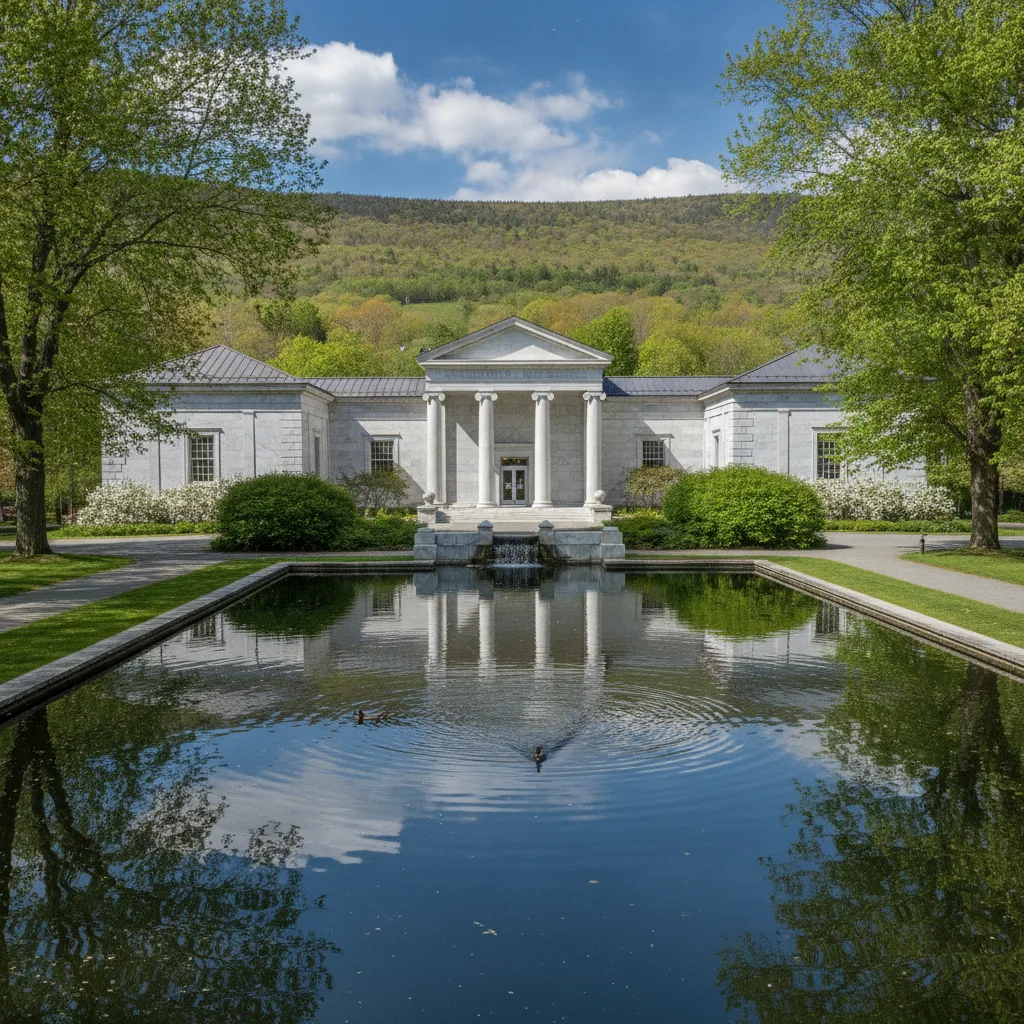
Our Vermont Marble Museum guide aims to cover practical planning for a visit to the Vermont Marble Museum Vermont, including the best time to visit, getting there, and what to do on the ground. However, our team must convey a crucial update: the Vermont Marble Museum in Proctor, Vermont, permanently closed its doors in the fall of 2024.
As the Roam States editorial team, we pride ourselves on providing accurate and timely travel information. Our research for 2026 confirms that the Vermont Marble Museum, which once showcased the world's largest marble exhibit and Vermont's rich marble industry history, is no longer operational. This means we cannot provide current details on hours, admission fees, parking, or reservation requirements for the museum itself. While the museum's physical location and its historical significance remain, it is no longer open to the public for visits.
Why Visit Vermont Marble Museum (Historically)
While a visit to the Vermont Marble Museum Vermont is no longer possible, it's important to understand the profound legacy it represented. For nearly 90 years, the museum served as a testament to Vermont's pivotal role in the global marble industry. It chronicled the journey of marble from the state's quarries to iconic national landmarks, including the U.S. Supreme Court Building, the Lincoln Memorial, the Thomas Jefferson Memorial, and the Tomb of the Unknown Soldier at Arlington National Cemetery.
The museum's exhibits once offered a fascinating look at the geology of marble, the arduous process of quarrying and carving, and the lives of the immigrant workers who shaped this unique industry. Visitors could explore halls dedicated to presidential busts, marvel at luxurious marble installations, and even observe artisans at work. It was a place where history, art, and industrial heritage converged, offering a deep appreciation for a material that literally built parts of America. The closure represents a significant loss to the nation's cultural and historical landscape.
Who It's Best For (Historically)
Historically, the Vermont Marble Museum appealed to a wide range of visitors. History buffs and those interested in industrial heritage found its detailed accounts of the Vermont Marble Company and its impact on American architecture particularly engaging. Art enthusiasts appreciated the marble sculptures and the on-site artist demonstrations. Families with curious children found the exhibits on geology and the practical applications of marble both educational and inspiring. It was also a popular stop for bus tours, especially for seniors, who comprised a significant portion of its visitors.
Getting There & Parking (Historical Context & Current Local Travel)
While the Vermont Marble Museum is closed, understanding how to get to Vermont Marble Museum's former location in Proctor can still be useful for exploring the surrounding area. Proctor is located in central Vermont, easily accessible from major vacation routes. The museum's address was 52 Main Street, Proctor, VT 05765.
For those traveling to the Proctor area, the closest Amtrak station is James M. Jeffords Station in Rutland. From there, a rental car would be necessary to reach Proctor and explore the region. Historically, the museum offered ample parking on-site for visitors, including spaces for tour buses. While the museum is closed, parking in Proctor itself for other local attractions would typically be available in public areas, though specific fees or regulations for general town parking should be verified locally upon arrival. We recommend checking the official Proctor town website for any current parking information if you plan to visit the area.
Top Things to Do
While the Vermont Marble Museum is no longer a destination, there are still things to do in Proctor and the surrounding region that celebrate Vermont's unique character and natural beauty. For those interested in the historical significance of marble in the area, the town of Proctor itself offers a glimpse into its past. Many sidewalks in Proctor are made of marble, and local buildings like the high school and Catholic church are faced with local stone, showcasing the material's pervasive influence.
A short walk or drive from the former museum site is the historic Sutherland Falls Quarry. This original Proctor quarry, located about a quarter mile from the museum's former parking lot, offers a viewing area where visitors can see the quarry site, complete with a "quarry stick" and deep blue-green water. It's a peaceful spot perfect for a picnic or a nature walk.
Beyond Proctor, the wider Rutland County area provides numerous attractions. For those interested in other historical industries, the New England Maple Museum is a nearby option, offering insights into Vermont's maple syrup production. Additionally, Wilson Castle in Proctor offers paranormal documentary experiences and overnight camping paranormal experiences on various dates in 2026. For outdoor enthusiasts, the Green Mountain National Forest is within reach, offering opportunities for hiking and exploring Vermont's stunning landscapes. We highly recommend exploring the broader Best places in Vermont to round out your trip.
Other notable attractions in the region include the Calvin Coolidge Historic Site, which preserves the birthplace and homestead of the 30th U.S. President, and the Billings Farm & Museum, offering a glimpse into Vermont's agricultural heritage. While not directly in Proctor, these destinations provide excellent opportunities for engaging things to do in Proctor's vicinity.
Best Time to Visit
Even with the closure of the Vermont Marble Museum, the best time to visit the Proctor area of Vermont largely aligns with general Vermont travel seasons. Late spring through fall (mid-May through October) offers the most pleasant weather for exploring the outdoors and enjoying scenic drives. This period traditionally saw the highest visitation for the museum, particularly from bus tours.
Summer provides warm temperatures ideal for outdoor activities and exploring the Sutherland Falls Quarry. Fall, however, is arguably the most spectacular time to visit Vermont, with vibrant foliage transforming the landscape into a tapestry of reds, oranges, and yellows. This season is perfect for scenic drives and enjoying the crisp air. While the museum is no longer a draw, the natural beauty of Vermont during these months makes the region a worthwhile destination.
Where to Stay Nearby
For visitors seeking Vermont Marble Museum lodging options, the nearby city of Rutland offers a variety of accommodations, being the largest city in the immediate vicinity of Proctor. Options in Rutland include the Comfort Inn Rutland - Killington and the Hampton Inn Rutland.
Other lodging choices that historically served those visiting the Vermont Marble Museum lodging needs can be found in surrounding towns. Killington, known for its resort, offers options like The Mountain Inn at Killington and Mountain Green. For a more charming or secluded experience, inns and lodges in towns like Brandon or Mendon might be suitable.
When planning your stay, we recommend exploring hotels in Rutland for convenience or considering a broader search for inns and bed & breakfasts in the wider Rutland County area for a more quintessential Vermont experience. Always book in advance, especially during peak foliage season or around major events.
Sample 2-Day Itinerary (Exploring the Region)
While a 2-day itinerary centered solely on the Vermont Marble Museum is no longer feasible, we can outline a compelling 2-day plan for exploring the rich history and natural beauty of the Proctor and greater Rutland County area.
Day 1: Proctor's Industrial Heritage & Local Charm
- Morning: Explore Proctor's Marble Legacy. Begin your day in Proctor by walking the marble sidewalks and observing the local architecture that showcases Vermont marble. Head to the Sutherland Falls Quarry site, just a quarter-mile from the former museum, for a scenic walk and a glimpse into the historic quarrying operations.
- Lunch: Local Eats. Enjoy lunch at a local eatery in Proctor or nearby Rutland.
- Afternoon: Wilson Castle. Visit Wilson Castle in Proctor, a unique historic landmark that offers tours and, on select dates, paranormal experiences. This impressive estate provides a different architectural and historical perspective.
- Evening: Dinner & Relaxation in Rutland. Drive to Rutland for dinner at one of its many restaurants. Consider staying at one of the hotels in Rutland, such as the Comfort Inn Rutland - Killington or Hampton Inn Rutland.
Day 2: Vermont's Rural Life & Sweet Traditions
- Morning: Billings Farm & Museum. Start your day with a scenic drive to Woodstock to visit the Billings Farm & Museum. This active dairy farm and museum offers a fascinating look at rural Vermont life, historic farm buildings, and interactive exhibits.
- Lunch: Woodstock Village. Enjoy lunch in the charming village of Woodstock Village, known for its picturesque setting and boutiques.
- Afternoon: Calvin Coolidge Historic Site or New England Maple Museum. Choose between two distinct Vermont experiences. Head to the Calvin Coolidge Historic Site in Plymouth Notch to explore the remarkably preserved birthplace and homestead of America's 30th President. Alternatively, delve into Vermont's sweet traditions at the New England Maple Museum, where you can learn about maple syrup production.
- Evening: Departure or Extended Stay. Conclude your trip or extend your stay to explore more of Vermont's attractions, perhaps heading north towards the Ben & Jerry's Factory for a sweet treat. For more ideas, consult Vermont Vacation, the official state tourism site.
FAQ: Planning Your Visit to the Proctor Area
Vermont Marble Museum with kids
As the Vermont Marble Museum is permanently closed, direct activities for kids at the museum are no longer an option. However, the Proctor area and surrounding Rutland County still offer family-friendly attractions. Children might enjoy exploring the Sutherland Falls Quarry site for a unique outdoor experience. Nearby, the Billings Farm & Museum offers engaging activities for all ages, with farm animals and historical demonstrations. For a broader range of activities, consider destinations like the Fairbanks Museum & Planetarium further afield, or the Ben & Jerry's Factory, which are popular with families visiting Vermont.
best hotels near Vermont Marble Museum
Since the Vermont Marble Museum is closed, we recommend looking for the best hotels near Vermont Marble Museum's former location in the larger town of Rutland. Reputable options include the Comfort Inn Rutland - Killington and the Hampton Inn Rutland. These provide convenient access to the Proctor area and other regional attractions. For a more unique experience, consider charming inns or bed & breakfasts in surrounding Vermont towns, which often offer a more intimate stay.
Vermont Marble Museum tips
Given the Vermont Marble Museum's permanent closure, traditional "Vermont Marble Museum tips" for visiting are no longer applicable. However, if you're planning to visit the Proctor area to see the former museum site or the Sutherland Falls Quarry, our primary tip is to verify the accessibility of the quarry and any local points of interest before your trip. Always check local weather conditions, especially if you plan to explore outdoor sites. For broader Vermont travel, we advise planning your itinerary in advance, especially during peak seasons like fall foliage, and making any necessary lodging reservations well in advance.
where to stay near Vermont Marble Museum
When considering where to stay near Vermont Marble Museum's former location, the most practical advice is to seek accommodations in nearby Rutland. This city offers a good selection of hotels and is a central hub for exploring Rutland County. Options like the Comfort Inn Rutland - Killington and the Hampton Inn Rutland are good starting points. For travelers seeking a more rural or upscale experience, consider boutique inns in surrounding villages, which can provide a charming base for your Vermont adventures.
Vermont Marble Museum parking
The Vermont Marble Museum is permanently closed, so there is no dedicated Vermont Marble Museum parking for visitors to the museum itself. However, if you plan to visit the Sutherland Falls Quarry, which is a short distance from the former museum site, there was historically parking available at the museum's former lot. For general parking in Proctor, visitors should look for public parking areas within the town. We recommend checking with local Proctor authorities or businesses for current public parking availability and any associated fees or restrictions.
best time to visit Vermont Marble Museum
As the Vermont Marble Museum is permanently closed, there is no longer a "best time to visit Vermont Marble Museum" in terms of its operation. However, if your interest lies in exploring the Proctor area and the broader beauty of Vermont, the period from mid-May through October offers the most favorable weather conditions. Fall is particularly renowned for its stunning foliage. This timeframe allows for comfortable enjoyment of outdoor activities and scenic drives throughout the Green Mountain State.
Last updated: 2026-07-13 by the Roam States team.