Waquoit Bay National Estuarine Research Reserve Travel Guide — Massachusetts
Our Waquoit Bay National Estuarine Research Reserve guide covers practical planning for Waquoit Bay National Estuarine Research Reserve Massachusetts — best time to visit, getting there, and what to do on the ground.
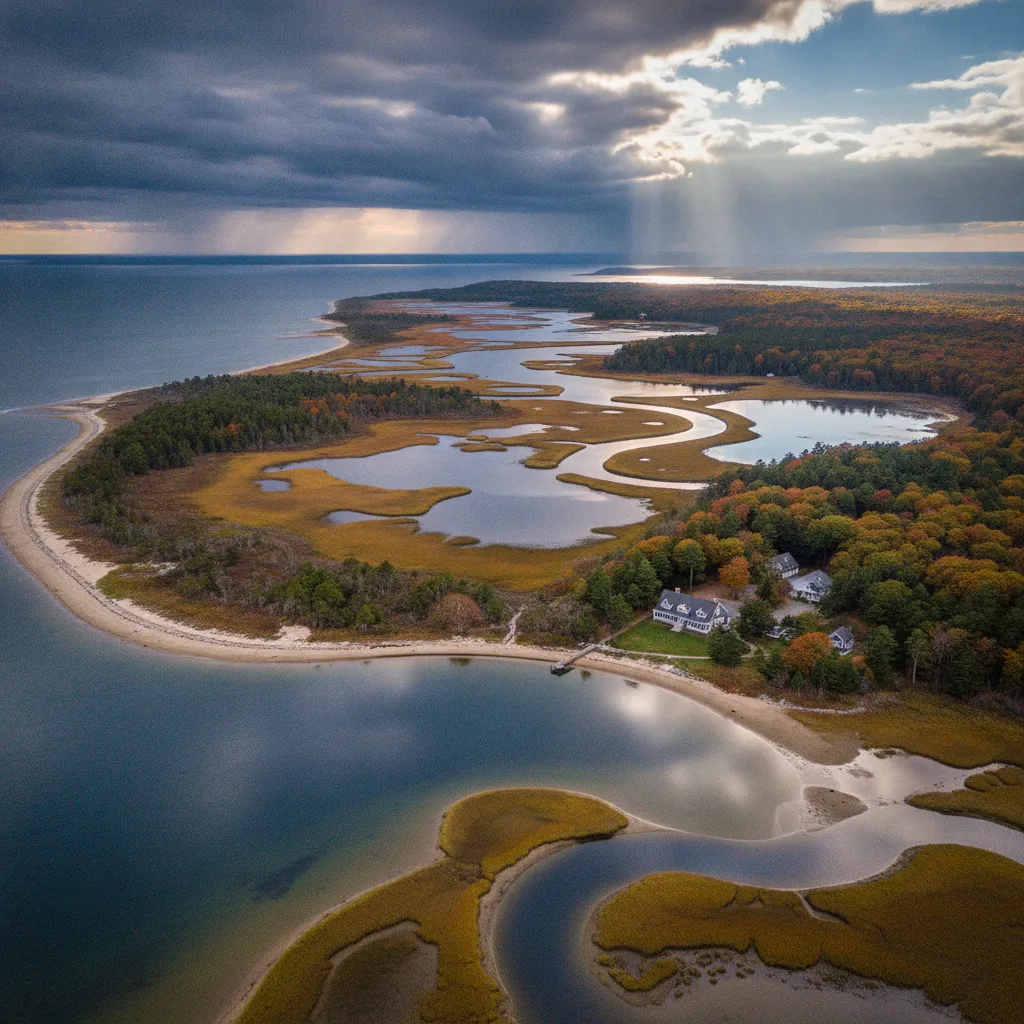
Our team at Roam States is dedicated to uncovering the most authentic and enriching travel experiences across the US. When it comes to coastal Massachusetts, the Cape Cod National Seashore often steals the spotlight, but we believe the Bay State holds many more treasures for the discerning traveler. Among them, the Waquoit Bay National Estuarine Research Reserve Massachusetts stands out as a critical protected area, offering a unique blend of ecological significance and recreational opportunities. This expansive reserve encompasses a diverse array of coastal habitats, including pristine barrier beaches, vital salt marshes, and productive estuaries, making it a haven for wildlife and a fascinating destination for visitors.
Why Visit Waquoit Bay National Estuarine Research Reserve
Visiting Waquoit Bay National Estuarine Research Reserve offers a profound connection to Massachusetts's coastal ecosystems. It's a place where the delicate balance between land and sea is on full display, providing a serene backdrop for both relaxation and education. The Reserve is not just a pretty face; it's a living laboratory, dedicated to long-term research, water-quality monitoring, and coastal stewardship. This commitment to conservation means visitors can experience a remarkably well-preserved natural environment, a stark contrast to some of the more developed areas of Cape Ann or even parts of Martha's Vineyard.
Our team recommends a visit here for anyone seeking an escape into nature, away from the typical tourist crowds. You'll find opportunities for tranquil kayaking through calm bay waters, rewarding fishing and shellfishing, and invigorating hikes through diverse landscapes. Beyond recreation, the Reserve offers a chance to engage with environmental education programs, providing insights into the importance of these fragile coastal systems. It’s a destination that truly combines the joy of outdoor activities with a deeper understanding of our natural world.
Is It Worth Visiting?
Absolutely, Waquoit Bay National Estuarine Research Reserve is unequivocally worth visiting. It stands as one of Cape Cod's hidden gems, offering a peaceful and beautiful area where visitors can engage in beach time, boating, hiking, and wildlife discovery without the overwhelming crowds often found elsewhere on the Cape. For those who appreciate natural beauty, ecological significance, and a chance to unwind in a protected environment, the Reserve delivers immense value.
The Reserve's commitment to research and education enriches the visitor experience, providing context and understanding to the stunning landscapes you'll encounter. Whether you're a nature enthusiast, a family looking for engaging outdoor activities, or simply someone seeking a tranquil retreat, the Waquoit Bay National Estuarine Research Reserve offers a rewarding and memorable experience. The combination of diverse habitats, recreational opportunities, and educational programming makes it a standout destination on Cape Cod, providing a unique perspective on Massachusetts's coastal charm.
Who It's Best For
The Waquoit Bay National Estuarine Research Reserve caters to a broad spectrum of visitors, though it particularly shines for those with a keen interest in nature and outdoor activities. We find it ideal for:
- Nature Enthusiasts and Birdwatchers: With its diverse habitats, the Reserve is a prime location for observing a wide array of bird species, marine life, and coastal flora.
- Families with Children: The calm waters, sandy beaches, and numerous educational programs, such as the Junior Ranger Programs and Summer Science School, make it an excellent spot for kids to learn about and connect with nature. The interactive exhibits at the Visitor Center are a great starting point for little explorers.
- Kayakers, Paddleboarders, and Boaters: The protected bay and salt ponds offer serene waters perfect for paddling, allowing for unique perspectives of the coastline and wildlife.
- Hikers and Walkers: Miles of trails wind through various ecosystems, providing opportunities for gentle strolls or more extensive explorations.
- Fishermen and Shellfishermen: The bay is important for both commercial and recreational fishing, with permits available from the towns of Falmouth or Mashpee for shellfishing.
- Those Seeking Tranquility: If you're looking to escape the hustle and bustle and immerse yourself in a peaceful natural setting, the Reserve offers a quiet refuge.
While adventurers seeking extreme sports might look elsewhere, anyone who appreciates the beauty and ecological importance of coastal environments will find the Waquoit Bay National Estuarine Research Reserve to be a perfect fit for their travel plans.
How to Get There
Reaching the Waquoit Bay National Estuarine Research Reserve is straightforward, primarily by car, with the main headquarters located in East Falmouth, Massachusetts. For those planning a broader USA road trip or exploring New England, it’s a convenient stop on Cape Cod.
Driving Directions to Waquoit Bay National Estuarine Research Reserve Headquarters:
- From Boston: Follow Route 3 South to the Sagamore Bridge over the Cape Cod Canal. Route 3 becomes Route 6 after crossing the bridge. Take Exit 2 (Route 130). Turn right off the ramp and follow Route 130 South for 7.2 miles to Great Neck Road, just after a Dunkin Donuts. Turn right onto Great Neck Road and follow it to the Mashpee Rotary. Go halfway around the rotary and take Route 28 North toward Falmouth/Woods Hole. The Reserve Headquarters is located approximately 3.5 miles from the rotary on the left side of Route 28.
- From Falmouth: Proceed south on Route 28 (toward Mashpee). The Reserve is located just under 2 miles from the Davisville lights in East Falmouth, on the right after the Waquoit Cemetery.
- From Providence and Points West: Follow Route 495 or 195 to Route 25. Route 25 crosses over the Bourne Bridge and becomes Route 28. Follow Route 28 South to Route 151 (the first exit after the Otis ANGB/Cataumet Rotary). Turn right off the ramp and follow Route 151 under the bridge to the Mashpee Rotary. At the rotary, take Route 28 North toward Falmouth/Woods Hole. The Reserve is 3.5 miles from the rotary on the left.
Parking at Waquoit Bay National Estuarine Research Reserve:
Free parking is available on-site at the Reserve Headquarters. For South Cape Beach State Park, which is part of the Reserve, there is a parking fee during the in-season (beginning Father's Day Weekend, daily from 9:00 AM to 5:30 PM). As of 2026, the fee is $12 for Massachusetts residents and $40 for non-Massachusetts residents. Massachusetts residents aged 62 and older can obtain a lifetime senior park pass for $10.
Public Transportation:
While public transportation directly to the Reserve is limited, regional bus services operate on Cape Cod. However, a personal vehicle or ride-sharing service will offer the most flexibility for exploring the various properties within the Waquoit Bay National Estuarine Research Reserve.
Top Things to Do
The Waquoit Bay National Estuarine Research Reserve offers a wealth of activities that allow visitors to fully immerse themselves in its unique coastal environment. Our team has identified the top things to do at Waquoit Bay National Estuarine Research Reserve, ensuring a memorable experience for every type of traveler.
Explore the Visitor Center and Headquarters
Your journey should begin at the Reserve Headquarters and Visitor Center, housed in the historic Sargent Estate. Here, you can delve into interactive exhibits, learn about the local wildlife and ecosystems, and pick up trail maps. The Visitor Center is open Monday through Saturday from 10:00 AM to 4:00 PM. During summer months, it may be open seven days a week from 10:00 AM to 4:00 PM.
Kayaking, Canoeing, and Paddleboarding
The calm, protected waters of Waquoit Bay and its interconnected salt ponds (Hamblin Pond, Jehu Pond, and Abigail's Brook) are ideal for paddling. You can launch your own kayak or canoe, or consider renting one from local providers, some of whom may deliver to the launch points. Paddling offers an unparalleled opportunity for birdwatching and observing marine life from a unique vantage point. Other accessible paddling spots include Bog Pond, Bourne Pond, and Childs River.
Relax at South Cape Beach State Park
South Cape Beach State Park, a barrier beach on Vineyard Sound, is a highlight of the Reserve. It boasts a mile-long stretch of soft, white sand and gentle waves, making it perfect for swimming, sunbathing, and beach games, especially for families. It's also a significant nesting area for protected shorebirds like piping plovers and terns, so visitors should observe posted regulations regarding beach access for dogs (prohibited March 15 – September 1). The park offers seasonal portable restrooms, changing booths, and a wheelchair-accessible boardwalk. A beach wheelchair is available by calling 508-457-0495 at least one day in advance to reserve. Parking fees apply in-season.
Discover Washburn Island
For the more adventurous, Washburn Island offers a truly unique experience. This largely undeveloped island, accessible only by private boat, features barrier beaches, oak and pine forests, and coastal salt ponds. It's a fantastic spot for secluded picnics, exploring dunes, and hiking its trails. Primitive camping is also available here by reservation (more on that in the FAQ). Keep an eye out for artifacts that sometimes surface, some dating back a thousand years.
Participate in Educational Programs
The Reserve is a hub for environmental education. Throughout the year, and especially in the summer, they offer a variety of programs for all ages. These include the Waquoit Bay Summer Science School for kids and teens, Estuary Adventurers, Tidal Trekkers for younger children (ages 3-7), Junior Ranger Programs, and Beach Discovery Days at South Cape Beach. These hands-on activities, nature walks, and experiments provide invaluable learning experiences about coastal ecology and conservation. Many programs are free of charge, though registration is often preferred.
Fishing and Shellfishing
Waquoit Bay is a productive estuary, supporting both commercial and recreational finfish and shellfish fisheries. Visitors can enjoy fishing from various points within the Reserve. For shellfishing, a permit is required and can be obtained from the towns of Falmouth or Mashpee. Always check local regulations and seasons before heading out.
Waquoit Bay National Estuarine Research Reserve hiking trails
Exploring the Waquoit Bay National Estuarine Research Reserve hiking trails is one of the most rewarding ways to experience the Reserve's diverse ecosystems. Our team highly recommends setting aside time to walk these paths, which range from easy strolls to more moderate treks, offering stunning views and excellent opportunities for wildlife observation.
The Reserve boasts miles of trails that wind through marshes, beaches, rivers, and woodlands. These trails provide access to the heart of the estuarine environment, allowing hikers to witness the transition from upland forests to salt marshes and barrier beaches. Many trails are relatively flat and well-maintained, making them suitable for families and casual walkers.
One notable option for those looking to explore the Waquoit Bay National Estuarine Research Reserve hiking trails is the **Quashnet River Walk**. This guided hike typically covers about 3 miles along the Quashnet River, featuring a mix of flat open spaces and narrower paths with some gentle hills. It's an excellent way to experience the riverine habitats that feed into the bay. Another popular trail is The **Great Flat Pond trail** at South Cape Beach, which offers a 2.5-mile walk along salt marshes, beach, and forest.
For those venturing to Washburn Island (accessible by private boat), you'll find dozens of hiking trails through pine and oak trees, marshes, dunes, and small ponds. This island represents one of the last remaining undeveloped coastal lands on Cape Cod, offering a truly immersive hiking experience.
Before heading out, we advise checking the Reserve's website for updated trail maps and conditions. Remember to wear appropriate footwear, bring water, and be mindful of ticks, which are common in the area.
Best Time to Visit
The Waquoit Bay National Estuarine Research Reserve offers unique attractions throughout the year, but our team at Roam States generally recommends visiting during the **late spring (May-June)** and **early fall (September-October)**. During these shoulder seasons, you'll find pleasant weather, fewer crowds, and abundant wildlife activity.
- Spring (April-June): This is an excellent time for birdwatching as migratory species return and nest. The landscape bursts with new growth, and the temperatures are comfortable for hiking and paddling. The Visitor Center and many educational programs begin to operate on extended schedules.
- Summer (July-August): Summer is peak season, offering warm weather ideal for swimming at South Cape Beach and participating in the Reserve's extensive calendar of educational programs, including the Summer Science School, Tidal Trekkers, and Junior Ranger activities. While the Reserve can be busier, it's still less crowded than many other Cape Cod attractions. The Visitor Center is typically open daily during these months.
- Fall (September-October): The autumn months bring crisp air, beautiful foliage, and another fantastic opportunity for bird migration. The crowds thin out after Labor Day, making for a more peaceful experience. Water temperatures remain pleasant enough for paddling into early fall.
- Winter (November-March): While some facilities may have reduced hours, the Reserve remains open for quiet contemplation and winter walks. It's a serene time to visit for those seeking solitude and a chance to observe wintering bird species. However, expect colder temperatures and potentially limited services.
Regardless of when you choose to visit, we recommend checking the official Waquoit Bay National Estuarine Research Reserve website for the most current hours of operation for the Visitor Center and any specific program schedules, especially as they can vary by season.
Waquoit Bay National Estuarine Research Reserve lodging
While the Waquoit Bay National Estuarine Research Reserve itself offers primitive camping on Washburn Island, for those seeking more traditional accommodations, there are numerous excellent Waquoit Bay National Estuarine Research Reserve lodging options in the surrounding towns of East Falmouth, Falmouth, and Mashpee. Our team suggests considering these nearby towns for their convenience and variety of choices, ranging from charming inns to full-service hotels.
Hotels and Inns in Falmouth and East Falmouth:
Falmouth, just a short drive from the Reserve, provides a wide selection of accommodations. Options often include boutique inns, bed and breakfasts, and larger hotels. Some highly-rated choices in the broader Falmouth area include the Admiralty Inn & Suites and the Sea Crest Beach Hotel. These establishments provide comfortable stays with amenities that can enhance your visit to the Cape. You might also find smaller, independently run guesthouses that offer a more personalized experience.
Mashpee Accommodations:
Mashpee, also adjacent to the Reserve, offers additional lodging choices that can be convenient. While specific hotel names may change, the area generally provides a mix of chain hotels and local establishments. These options are often well-suited for families or those looking for modern amenities.
Unique Stays:
For a different experience, consider some of the unique lodging options on Cape Cod. For example, AutoCamp Cape Cod in Falmouth offers a glamping experience with Airstream trailers and luxury tents. While not directly within the Reserve, it provides an outdoor-centric stay with comforts.
Tips for Booking Waquoit Bay National Estuarine Research Reserve lodging:
- Book in Advance: Especially during the peak summer season (July and August) and popular shoulder months, accommodations on Cape Cod fill up quickly. We strongly recommend booking your Waquoit Bay National Estuarine Research Reserve lodging well in advance to secure your preferred option and rate.
- Consider Location: If your primary focus is the Reserve, look for lodging in East Falmouth or the eastern parts of Falmouth for the shortest travel times.
- Check Amenities: Decide what amenities are important to you, such as pools, complimentary breakfast, or pet-friendly policies, and filter your search accordingly.
For a broader exploration of the region, you might also consider staying further afield in places like Cape Cod National Seashore towns, though this would increase your commute to the Reserve. Remember that prices for Waquoit Bay National Estuarine Research Reserve lodging can fluctuate significantly based on season and demand.
Sample 2-Day Itinerary
To help you make the most of your visit, our team has crafted a sample 2-day itinerary for the Waquoit Bay National Estuarine Research Reserve, balancing exploration, relaxation, and education.
Day 1: Estuary Exploration and Beach Bliss
- Morning (9:00 AM - 12:00 PM): Visitor Center and Headquarters Trails
Start your day at the Waquoit Bay National Estuarine Research Reserve Headquarters and Visitor Center in East Falmouth. Spend time exploring the interactive exhibits to gain an understanding of the estuary's ecology and history. Pick up a trail map for the short walking trails around the headquarters property, which offer a gentle introduction to the Reserve's upland forest and salt marsh habitats.
- Lunch (12:00 PM - 1:00 PM): Picnic by the Bay
Pack a picnic lunch to enjoy at one of the designated picnic areas near the Visitor Center, or grab a quick bite from a local deli in East Falmouth.
- Afternoon (1:00 PM - 5:00 PM): South Cape Beach State Park
Head to South Cape Beach State Park for an afternoon of sun, sand, and gentle waves. This barrier beach is perfect for swimming, beachcombing, and relaxing. If visiting between March 15 and September 1, remember that dogs are not permitted on the beach. Consider a leisurely walk along the shore to appreciate the fragile dune systems and look for shorebirds. Don't forget to account for the in-season parking fee.
- Evening: Dinner in Falmouth
Enjoy dinner in Falmouth, which offers a variety of dining options from casual seafood shacks to more upscale restaurants. Consider exploring the town center before heading back to your Waquoit Bay National Estuarine Research Reserve lodging.
Day 2: Paddling, Hiking, and Island Adventure
- Morning (9:00 AM - 12:00 PM): Kayaking or Canoeing in Waquoit Bay
Rent a kayak, canoe, or paddleboard (or bring your own) and launch into the calm waters of Waquoit Bay. Explore the interconnected salt ponds like Hamblin Pond or Jehu Pond, or paddle along the Childs River. This is an excellent opportunity for birdwatching and experiencing the estuary from the water. Many local rental companies offer delivery services to launch points.
- Lunch (12:00 PM - 1:00 PM): Local Eatery in East Falmouth
Grab lunch at a local spot in East Falmouth. The area offers various casual dining options.
- Afternoon (1:00 PM - 4:00 PM): Washburn Island Exploration (Private Boat Required)
If you have access to a private boat (or a sturdy kayak for a longer paddle), venture to Washburn Island. This undeveloped island offers secluded beaches, pine and oak forests, and dozens of hiking trails. It's a truly wild experience, perfect for those seeking solitude and unique natural beauty. Remember that no transportation is provided to the island.
- Late Afternoon/Evening: Environmental Program or Sunset View
Check the Reserve's event calendar for any afternoon educational programs or guided walks that might align with your interests. Alternatively, find a scenic spot within the Reserve or a nearby beach to enjoy a peaceful Cape Cod sunset before concluding your visit.
Last updated: 2026-07-14 by the Roam States team.