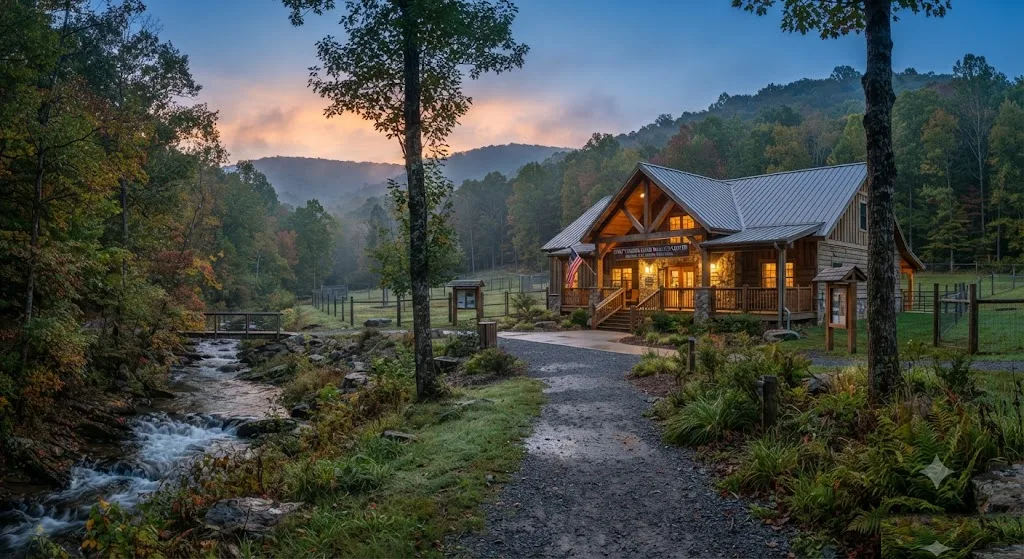
West Virginia State Wildlife Center Travel Guide — West Virginia
Our West Virginia State Wildlife Center guide covers practical planning for West Virginia State Wildlife Center West Virginia — best time to visit, getting there, and what to do on the ground. This expansive facility allows visitors to observe native and introduced wildlife in large, natural habitats, offering a unique opportunity to connect with the state's diverse fauna. Species include bears, bison, elk, and various birds of prey, all presented in settings designed to mimic their natural environments.
Why Visit West Virginia State Wildlife Center
For those questioning "is West Virginia State Wildlife Center worth visiting," our team unequivocally says yes. This isn't your average zoo; it's a dedicated wildlife management area that provides a comprehensive look at the animals native to West Virginia and some introduced species that thrive here. The spacious enclosures allow animals ample room to roam, offering a more natural viewing experience than many traditional zoological parks. It’s an educational and inspiring destination for anyone interested in wildlife conservation and the natural world of the Mountain State.
The center plays a crucial role in wildlife education and conservation, making it a valuable stop for both casual visitors and serious nature enthusiasts. You'll gain a deeper appreciation for the state's biodiversity and the efforts being made to protect it. Our team believes that for a truly immersive and educational wildlife encounter, the West Virginia State Wildlife Center West Virginia is an essential addition to any West Virginia itinerary. We find that the experience of seeing these magnificent creatures in such natural settings truly answers the question, "is West Virginia State Wildlife Center worth visiting?" and makes it a rewarding trip for all ages.
Who It's Best For
The West Virginia State Wildlife Center caters to a wide range of visitors. Families with children will find it particularly engaging, as the paved walking paths are stroller-friendly and the diverse animal exhibits capture the imagination of young explorers. Educators and students can benefit from the interpretive signage and the opportunity to observe wildlife up close, making it an excellent field trip destination.
Nature photographers will appreciate the opportunities for capturing stunning images of animals in naturalistic settings, while birdwatchers can spot various avian species, both within exhibits and in the surrounding natural areas. Even solo travelers seeking a peaceful day surrounded by nature will find solace and enjoyment here. It’s an accessible and enriching experience for almost anyone with an interest in the outdoors and wildlife.
Getting There & Parking
Understanding "how to get to West Virginia State Wildlife Center" is key to a smooth visit. The West Virginia State Wildlife Center is located in French Creek, West Virginia, a relatively rural area. We recommend using a GPS or mapping application for precise directions, as road signage can be sparse in some parts of the state. The center is accessible via well-maintained state routes, making it an easy drive from most major West Virginia cities. For example, it's roughly a 1.5-hour drive from Morgantown and about 2 hours from Charleston, the state capital. You can plan your route using our USA Road Trip Planner.
Once you arrive, parking is straightforward. Our research indicates that ample, free parking is available at the main entrance of the facility. There are designated spaces for cars and larger vehicles, and we haven't found any reports of parking difficulties, even during peak season. Just follow the signs upon arrival. Knowing "how to get to West Virginia State Wildlife Center" and that parking is readily available helps ensure a stress-free start to your wildlife adventure.
Top Things to Do
There are numerous "things to do at West Virginia State Wildlife Center" that make for a memorable visit. The primary activity, of course, is observing the diverse collection of animals. Visitors can walk the extensive loop trail, which guides you past large, natural habitats housing black bears, American bison, elk, white-tailed deer, and even mountain lions. Keep an eye out for the majestic birds of prey, including eagles, hawks, and owls, in their impressive aviaries.
Beyond animal viewing, the center offers educational opportunities through interpretive signage that provides fascinating facts about each species and its role in the ecosystem. There's also a gift shop where you can find souvenirs and educational materials. For those looking for more active "things to do at West Virginia State Wildlife Center," the walking paths themselves provide a pleasant stroll through a forested environment. We recommend taking your time at each exhibit to truly appreciate the animals and their surroundings.
West Virginia State Wildlife Center Hiking Trails
The West Virginia State Wildlife Center hiking trails offer a fantastic way to experience both the wildlife and the natural beauty of the area. The main attraction is a paved, 1.25-mile loop trail that winds through the facility, providing easy access to all the animal exhibits. This path is well-maintained and suitable for all ages and mobility levels, including strollers and wheelchairs.
In addition to the main loop, there are also unpaved, natural surface trails that branch off into the surrounding woodlands, offering a more rugged hiking experience for those seeking it. These trails provide opportunities for birdwatching and enjoying the peaceful forest environment. While not extensive backcountry trails, the West Virginia State Wildlife Center hiking trails offer a pleasant outdoor activity that complements the animal viewing experience. We advise wearing comfortable shoes and checking a trail map, available at the visitor center, before venturing onto the unpaved paths.
Best Time to Visit
Our team recommends visiting the West Virginia State Wildlife Center during the spring, early summer, or fall. In spring (April-May), the weather is mild, and many animals are particularly active as they emerge from winter. You might even catch a glimpse of young animals. Early summer (June) offers pleasant temperatures before the peak heat and humidity of July and August. Fall (September-October) is arguably one of the most beautiful times, as the surrounding foliage transforms into a vibrant display of reds, oranges, and yellows, creating a stunning backdrop for your visit.
Winter visits can be rewarding for seeing animals in a different light, especially species like elk and bison against a snowy landscape, but be prepared for colder temperatures and potential snow or ice on trails. The center is open daily from 9:00 AM to 4:30 PM, but it is closed on major holidays such as Thanksgiving, Christmas, and New Year's Day. We always advise checking the official West Virginia Tourism website (wvtourism.com) or the center's direct site for any unexpected closures or changes to hours before your trip, especially if traveling outside of peak season.
Where to Stay Nearby
When planning your trip to the West Virginia State Wildlife Center West Virginia, finding suitable accommodations is an important consideration. While there isn't luxury lodging immediately adjacent to the center, several comfortable options are available within a reasonable driving distance. The town of Buckhannon, about 20-30 minutes away, offers a selection of chain hotels and local inns. Clarksburg and Elkins, both about 45 minutes to an hour's drive, provide more extensive choices for West Virginia State Wildlife Center lodging, including larger hotels with more amenities.
For a more rustic experience, nearby state parks like Audra State Park or Holly Gray Park offer cabins and camping facilities, though these typically require advance reservations. When considering West Virginia State Wildlife Center lodging, we suggest booking in advance, especially during peak travel seasons, to secure your preferred option. These towns also offer dining options and other services you might need during your stay.
Sample 2-Day Itinerary
For a comprehensive experience at the West Virginia State Wildlife Center and the surrounding area, we recommend a two-day itinerary:
Day 1: Wildlife Immersion
- **Morning (9:00 AM - 1:00 PM):** Arrive at the West Virginia State Wildlife Center. Dedicate the morning to exploring the main loop trail, taking your time at each exhibit to observe the animals. Don't rush through the bear, bison, and elk enclosures – these are truly impressive.
- **Lunch (1:00 PM - 2:00 PM):** Enjoy a picnic lunch at one of the designated areas within the center, or head to a local eatery in French Creek or nearby Buckhannon.
- **Afternoon (2:00 PM - 4:00 PM):** Revisit your favorite exhibits or explore some of the unpaved nature trails for a deeper dive into the surrounding forest. Check out the gift shop for souvenirs and educational materials.
- **Evening:** Check into your lodging in Buckhannon. Enjoy dinner at a local restaurant.
Day 2: Explore West Virginia's Gems
- **Morning (9:00 AM - 1:00 PM):** Venture out to explore other nearby West Virginia attractions. We suggest a visit to Blackwater Falls State Park, known for its iconic amber-colored falls and scenic overlooks, which is about an hour and a half drive away. Alternatively, for a historical perspective, consider the Beckley Exhibition Coal Mine, a fascinating underground tour about two hours south.
- **Lunch (1:00 PM - 2:00 PM):** Grab lunch near your chosen Day 2 destination.
- **Afternoon (2:00 PM - 5:00 PM):** Continue exploring your chosen attraction, or head towards other destinations in West Virginia. Perhaps consider a visit to Blennerhassett Island Historical State Park for a unique historical experience via sternwheeler, though this is a longer drive. For more ideas, consult our guide to Best Places in West Virginia.
- **Evening:** Depart for your next destination or enjoy another night in West Virginia.
Last updated: 2026-07-13 by the Roam States team.