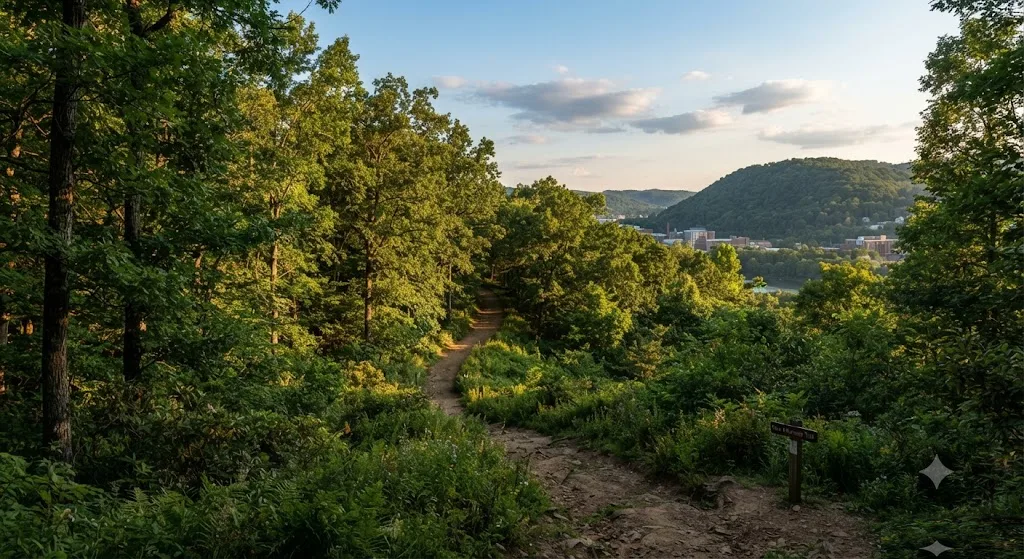
Our West Virginia University Core Arboretum guide covers practical planning for West Virginia University Core Arboretum West Virginia — best time to visit, getting there, and what to do on the ground. We’ve compiled all the essential information to help you navigate this remarkable natural space, ensuring a confident and specific approach to your travel plans, free from generic fluff.
Why Visit West Virginia University Core Arboretum
For those seeking a genuine connection with nature in the heart of West Virginia, the West Virginia University Core Arboretum offers an unparalleled experience. This 91-acre public greenspace is more than just a collection of trees; it's a living botanical garden and an old-growth forest preserve, managed by the WVU Department of Biology. We find its dedication to both education and public enjoyment truly commendable, providing resources for the study of plants, animals, and natural processes while also offering vital recreational opportunities for the community.
What truly sets the Arboretum apart is its diverse ecosystem. Here, you’ll discover hundreds of native West Virginia trees, shrubs, and herbaceous plants, some of which are likely over 200 years old. It’s particularly renowned for its spectacular display of spring ephemeral wildflowers, typically blooming from late March to early May, a sight that draws visitors from far and wide. Beyond the flora, the varied habitats and its riverside location along the Monongahela River make it an excellent spot for birdwatching, with over 180 bird species reported. Our team appreciates that this natural sanctuary is freely accessible to the public every day, from dawn to dusk, without any admission fees.
Who It's Best For
The West Virginia University Core Arboretum is a versatile destination that caters to a wide array of visitors. We confidently recommend it for nature enthusiasts, hikers, and anyone looking for a peaceful escape into the outdoors. Birdwatchers will find it a prime location, especially during migratory seasons, thanks to its diverse avian population. Students and researchers benefit from its role as an outdoor laboratory, offering invaluable resources for biological and botanical studies.
Families with children will appreciate the easy-to-navigate trails and the opportunity for kids to learn about local flora and fauna in an engaging, hands-on environment. The free nature education programs, including guided wildflower and bird walks, are particularly appealing for those looking to deepen their understanding of the natural world. Even those simply seeking a tranquil spot for a leisurely stroll or a quiet moment of reflection will find solace amidst its ancient trees and vibrant plant life. Its accessibility and lack of fees make it an inclusive destination for nearly everyone.
Getting There & Parking
Understanding how to get to West Virginia University Core Arboretum is straightforward, as it's conveniently located in Morgantown, West Virginia, near the WVU Coliseum. The Arboretum sits on a tract of hillside and bottomland between Monongahela Boulevard and the Monongahela River.
If you're driving, the primary entrance is easily accessible. For West Virginia University Core Arboretum parking, visitors have a couple of excellent options. There is a dedicated Arboretum parking lot that offers free parking, though it has a 3-hour limit. For longer visits or if the main lot is full, the adjacent WVU Coliseum Parking Lot is available. While this lot charges a small fee via the ParkMobile app during weekday business hours, it is free on evenings after 4 PM and throughout the weekends. Our team advises planning your visit during off-peak hours or weekends if you prefer to avoid parking fees.
For those who prefer not to drive directly to the main entrance, the Caperton Rail-Trail passes directly through the Arboretum, offering a scenic alternative. You can park in Star City at the Rail Trail access parking lot and enjoy a relatively level 1-mile walk or bike ride along the trail to reach the Arboretum's lower sections. This is an excellent option for experiencing the area's wider trail system and avoiding any potential parking congestion at the main entrance.
Top Things to Do
When planning your visit, you'll find a wealth of things to do at West Virginia University Core Arboretum, catering to various interests and energy levels. Our team recommends setting aside ample time to fully immerse yourself in this natural sanctuary.
- Explore the Extensive Trail System: The Arboretum boasts approximately 3 to 4 miles of foot trails, winding through both planted botanical garden areas and old-growth forest preserves. These trails offer diverse experiences, from relatively level paths like the Guthrie Loop near the parking lot, perfect for a leisurely stroll, to steeper sections for those seeking a more vigorous hike. The West Virginia University Core Arboretum hiking trails are well-maintained and provide intimate access to the varied habitats.
- Witness Spring Ephemeral Wildflowers: If your visit aligns with late March to early May, prepare to be amazed by the vibrant display of spring ephemeral wildflowers. This annual phenomenon is a highlight, and the Arboretum offers free, guided wildflower walks on Sundays in April (in 2026, these walks are scheduled for Sundays in April at 12:00, 12:30, 3:00, and 3:30, with online registration requested). Information on how to find and identify these beautiful blooms is also available at the kiosk.
- Go Birdwatching: With over 180 bird species reported, the Arboretum is a fantastic destination for birders. Guided Spring Bird Walks are also offered, typically on Tuesdays in April and May (in 2026, the Mountaineer Audubon Spring Bird Walks will happen on the last three Tuesdays in April and the first two Tuesdays in May at 7:30 am). Binoculars are even available to share for first-time birders.
- Walk or Run the Loop: For those looking for a dedicated exercise route, the WVU Core Arboretum Running and Walking Loop is a 1.75-mile, clearly marked path with gold and blue signs. It guides visitors through some of the Arboretum's most scenic spots while avoiding the steepest inclines, making it a great way to see much of the area without needing a map. This loop starts and ends at the WVU Coliseum Parking Lot entrance.
- Attend Special Events: The Arboretum hosts a variety of free public events throughout the year. These include the Spring Flower Festival (April 18, 2026), the Nature Connection Series, and the Pawpaw Festival (September 20, 2025, for the previous year, suggesting a similar event in 2026). Solace String Quartet Concerts are also held on the third Thursday evening of each month at 6:30 pm in the Arboretum Amphitheater. Always check their official website for the most current calendar of events.
- Enjoy Photography and Nature Study: The diverse plant life, old-growth trees, and wildlife provide endless opportunities for nature photography. Interpretive signs along the trails offer insights into the local ecology, making it an ideal spot for informal nature study.
These are just a few of the many things to do at West Virginia University Core Arboretum. Whether you're hiking for fitness or simply soaking in the beauty, the West Virginia University Core Arboretum hiking trails and overall environment offer a rich experience.
Best Time to Visit
Our team has identified specific periods when the West Virginia University Core Arboretum truly shines, offering distinct experiences depending on what you hope to see.
- Spring (Late March to Early May): Without a doubt, spring is arguably the most spectacular time to visit. This is when the Arboretum's old-growth forest floor transforms into a vibrant carpet of spring ephemeral wildflowers. The guided wildflower walks in April are a long-standing tradition and highly recommended to fully appreciate this fleeting beauty. Bird activity is also high during this period, with migratory species making their appearance, making it excellent for birdwatching.
- Summer (June to August): Summer offers lush greenery and a dense canopy, providing welcome shade on warmer days. This is a great time for longer hikes on the West Virginia University Core Arboretum hiking trails and enjoying the cool respite of the forest. The Arboretum also hosts its Nature Connection Series and Solace String Quartet Concerts during the summer months.
- Fall (September to October): As the temperatures cool, the Arboretum becomes a canvas of fiery reds, oranges, and yellows as the deciduous trees change color. While less famous for fall foliage than some other West Virginia destinations like Blackwater Falls State Park, the diverse tree species here still offer a beautiful display. The annual Pawpaw Festival, typically held in September, is another excellent reason to visit in the fall.
- Winter (November to February): While many plants are dormant, winter offers a unique, serene beauty. The bare trees allow for clearer views through the forest, and the quiet trails can be perfect for a peaceful, reflective walk. Just be sure to dress warmly and be aware of potentially slippery or muddy conditions on the trails.
Ultimately, the "best" time depends on your interests, but for a truly iconic experience at the West Virginia University Core Arboretum, we strongly suggest a spring visit to witness the ephemeral wildflowers.
Where to Stay Nearby
Finding comfortable and convenient West Virginia University Core Arboretum lodging is simple, as Morgantown offers a variety of accommodations to suit different preferences and budgets. Our team has identified several excellent options within a short distance of the Arboretum.
For those seeking proximity and a range of amenities, numerous hotels are located near West Virginia University and the Coliseum area. Some of the best hotels near West Virginia University Core Arboretum include the Hampton Inn Morgantown, Holiday Inn Morgantown - University Area by IHG, Euro-Suites Hotel, and SpringHill Suites Morgantown. Many of these offer complimentary breakfast, fitness centers, and free Wi-Fi, providing a comfortable base for your explorations. The Morgantown Marriott at Waterfront Place is another highly-rated option, offering an indoor pool and a convenient location, though it's a bit further from the Arboretum itself.
If you prefer something with a bit more character, consider the Hotel Morgan, a Wyndham Hotel, located downtown, which provides a historic ambiance and is also highly rated. For extended stays or those preferring more space and kitchen facilities, options like Residence Inn Morgantown Medical Center Area or Suburban Studios Morgantown are excellent choices. We recommend checking recent reviews and booking in advance, especially during WVU event weekends, as Morgantown can get busy.
Sample 2-Day Itinerary
To help you make the most of your visit to the West Virginia University Core Arboretum and the surrounding Morgantown area, our team has crafted a sample 2-day itinerary:
Day 1: Immersion in the Arboretum
- Morning (Dawn to Noon): Begin your day early at the West Virginia University Core Arboretum. We suggest arriving shortly after dawn to experience the peaceful atmosphere and increase your chances of spotting wildlife. Grab a trail map from the kiosk and embark on a self-guided exploration of the West Virginia University Core Arboretum hiking trails. Prioritize the Guthrie Loop for an easy start, then venture onto trails like the Taylor Trail or Melvin Brown Trail for a moderate challenge. If visiting in spring, dedicate time to the Sheldon Trail and Nuttall Trail, known hotspots for ephemeral wildflowers.
- Late Morning/Lunch (Noon to 2 PM): Participate in a guided Spring Ephemeral Wildflower Walk if it's a Sunday in April (online registration requested). Alternatively, pack a picnic to enjoy at one of the trailside benches or in the lawn area.
- Afternoon (2 PM to 5 PM): Continue exploring the Arboretum, perhaps focusing on the 1.75-mile Running and Walking Loop, marked by gold and blue signs, for a different perspective of the landscape. Consider a visit to the small woodland amphitheater.
- Evening: Head into downtown Morgantown for dinner. We recommend sampling local favorites like Black Bear Burritos or Iron Horse Tavern. If it's the third Thursday of the month, catch a free Solace String Quartet concert at the Arboretum Amphitheater.
Day 2: Morgantown & Beyond
- Morning (8 AM to Noon): Start your day with breakfast at a local cafe in Morgantown, such as Almost Heaven Desserts & Coffee or Terra Café. Then, explore other outdoor attractions nearby. We highly recommend a trip to Coopers Rock State Forest, just a short drive away, for more extensive hiking and panoramic views, particularly the Raven Rock Trail.
- Lunch (Noon to 1 PM): Enjoy lunch at a casual eatery in Morgantown or pack a lunch to enjoy at Coopers Rock.
- Afternoon (1 PM to 5 PM): Depending on your interests, you have several options:
- History & Culture: Visit the Morgantown History Museum or explore the revitalized Wharf District along the Monongahela River. You could also take a self-guided Audio Walking Tour of downtown Morgantown.
- More Nature: Explore the West Virginia Botanic Gardens, offering additional tranquil trails. Or, rent a bike and ride a section of the Caperton Rail-Trail or Deckers Creek Trail.
- Campus Exploration: Stroll through the West Virginia University campus, including Woodburn Circle, or visit the Art Museum of WVU.
- Evening: Enjoy a final dinner in Morgantown. Consider a wine tasting and tour at Forks-of-Cheat Winery for a relaxing end to your trip.
This itinerary provides a blend of dedicated Arboretum time and exploration of Morgantown's other offerings. For those with more time, consider extending your trip to other incredible West Virginia destinations like New River Gorge National Park or Harpers Ferry National Park, both offering distinct historical and natural attractions. You can find more ideas for your trip to the Mountain State on our Best places in West Virginia guide.
FAQ
West Virginia University Core Arboretum camping
Our research indicates that direct camping is not permitted within the West Virginia University Core Arboretum itself. The Arboretum is a public greenspace dedicated to botanical preservation and recreation, open from dawn to dusk. However, visitors looking to camp nearby will find options in the greater Morgantown area, particularly at Coopers Rock State Forest, which offers campgrounds and is a popular destination for outdoor enthusiasts. We recommend checking with the West Virginia State Parks system for specific camping availability and reservation details.
things to do in Morgantown
Beyond the West Virginia University Core Arboretum, Morgantown offers a vibrant mix of outdoor adventures, cultural experiences, and culinary delights. Our team suggests exploring Coopers Rock State Forest for hiking and scenic overlooks, especially the Raven Rock Trail. You can bike or walk along the Mon River and Deckers Creek Rail-Trails. For cultural pursuits, visit the Metropolitan Theatre, Monongalia Arts Center, or the Art Museum of WVU. The revitalized Wharf District offers dining and entertainment options. Morgantown also has a variety of restaurants, breweries, and unique shops to discover.
West Virginia University Core Arboretum with kids
The West Virginia University Core Arboretum is an excellent destination for families with kids. We find that the relatively level trails, such as the Guthrie Loop, are perfect for younger children or those with strollers. The opportunity to explore an old-growth forest, observe native plants and animals, and witness the spring wildflowers provides a fantastic educational and engaging experience. The Arboretum also hosts family-friendly events like the Spring Flower Festival, which includes self-guided tours, live music, and food trucks. Guided wildflower and bird walks are also suitable for curious young minds.
best hotels near West Virginia University Core Arboretum
When searching for the best hotels near West Virginia University Core Arboretum, you'll find several highly-rated options offering comfort and convenience. Based on our research, top choices include the Hampton Inn Morgantown, Holiday Inn Morgantown - University Area by IHG, Euro-Suites Hotel, SpringHill Suites Morgantown, and the Scholar Morgantown, Tapestry Collection by Hilton. Many of these provide amenities such as complimentary breakfast, fitness centers, and free parking, making them ideal for travelers. We recommend checking their proximity to the Arboretum and booking in advance, especially during peak seasons or university events.
West Virginia University Core Arboretum tips
To ensure a smooth and enjoyable visit to the West Virginia University Core Arboretum, our team offers these practical tips:
- Check the Calendar: Before you go, visit the Arboretum's official website for their current calendar of events. This is crucial for catching special happenings like the Spring Flower Festival, guided wildflower walks, or bird walks.
- Dress Appropriately: The trails can be steep or muddy in places, so wear comfortable, sturdy shoes suitable for hiking. Dress in layers, as weather conditions can change, and consider insect repellent during warmer months.
- Parking Savvy: Utilize the free Arboretum parking lot (3-hour limit) or the WVU Coliseum Parking Lot. Remember the Coliseum lot is free after 4 PM on weekdays and all weekend, otherwise, a small fee applies via ParkMobile.
- Bring Water and Snacks: While there are portable toilets in the parking lot and restrooms in the nearby Creative Arts Center (if open), there are no concessions within the Arboretum itself.
- Download a Map: Trail maps are available at the information kiosk, but having a digital copy on your phone can be helpful.
- Mind the Trails: Bicycling is only permitted on the Service Road, so be aware of designated uses for each trail.
- Leave No Trace: Help preserve this beautiful natural space by staying on marked trails and packing out everything you pack in.
where to stay near West Virginia University Core Arboretum
For visitors wondering where to stay near West Virginia University Core Arboretum, Morgantown provides a range of accommodations. We suggest looking at hotels in the immediate vicinity of West Virginia University, as they offer convenient access to the Arboretum and other city attractions. Popular choices include the Hampton Inn Morgantown, Holiday Inn Morgantown - University Area by IHG, Euro-Suites Hotel, and SpringHill Suites Morgantown. These properties are well-regarded for their amenities and proximity. For those seeking a more central location with easy access to downtown Morgantown's dining and entertainment, the Hotel Morgan, a Wyndham Hotel, is a great option.
In conclusion, the West Virginia University Core Arboretum stands as a testament to West Virginia's natural beauty and commitment to environmental education. Our team believes that whether you're a serious botanist, an avid birdwatcher, a dedicated hiker, or simply looking for a serene escape, this 91-acre preserve offers a rich and rewarding experience. From its ancient trees and vibrant wildflowers to its extensive trail system and engaging public programs, the Arboretum provides a unique opportunity to connect with the Mountain State's diverse ecosystems. We encourage you to plan your visit, immerse yourself in its tranquility, and discover the many wonders of the West Virginia University Core Arboretum West Virginia.
Last updated: 2026-07-08 by the Roam States team.