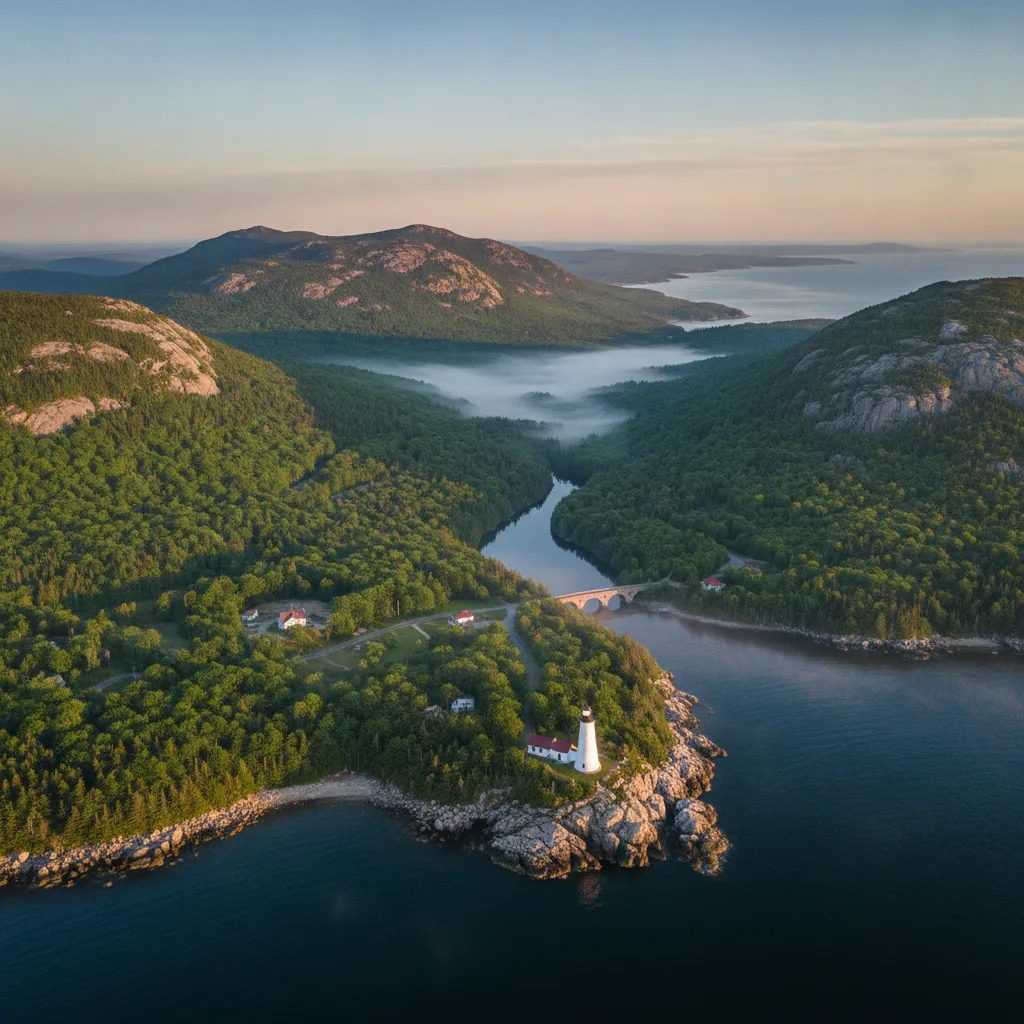
Acadia National Park Travel Guide — Connecticut
Our Acadia National Park guide covers practical planning for Acadia National Park Connecticut — best time to visit, getting there, and what to do on the ground. While many travelers search for Acadia National Park Connecticut, it's important to note that this iconic national park is actually located in the beautiful state of Maine, preserving much of Mount Desert Island and other coastal islands. Our team at Roam States has compiled everything you need to know for an unforgettable trip to this stunning New England gem, ensuring you have all the up-to-date information for 2026.
Why Visit Acadia National Park
Acadia National Park is a jewel of the Atlantic coast, offering a unique blend of rugged mountains, pristine lakes, and a dramatic coastline. We believe it's a destination that truly captivates, providing an unparalleled opportunity to connect with nature's raw beauty. From the highest point on the eastern seaboard, Cadillac Mountain, to the crashing waves at Thunder Hole, the park presents a diverse landscape that appeals to every type of adventurer. It's a place where you can witness breathtaking sunrises, explore historic carriage roads, and discover charming coastal towns. The sheer variety of experiences, combined with its stunning natural scenery, makes Acadia a top-tier national park that consistently draws visitors from around the globe. We've found that the park's commitment to preservation means its natural wonders remain largely untouched, offering a genuine escape from the everyday.
Who It's Best For
Acadia National Park truly offers something for everyone, making it an ideal destination for a wide range of travelers. We've seen families with young children delight in tide pooling and easy strolls along the shore, while seasoned hikers tackle challenging peaks and multi-day treks. Nature photographers will find endless inspiration in the park's dramatic landscapes, from misty mornings over Jordan Pond to vibrant sunsets from Cadillac Mountain. Couples seeking a romantic getaway can enjoy scenic drives, quiet picnics, and charming stays in nearby Bar Harbor. Even solo travelers looking for solitude and reflection will find peace among the park's extensive trails and serene viewpoints. Those interested in history and culture can explore the Rockefeller-funded carriage roads and the quaint New England towns that dot the region. If you're someone who appreciates the outdoors, seeks adventure, or simply desires a tranquil escape, Acadia National Park is undoubtedly for you.
Getting There & Parking
Reaching Acadia National Park, located in Maine, requires a bit of planning, but the journey is well worth it. Most visitors arrive by car, driving along scenic coastal routes. The nearest major airport is Bangor International Airport (BGR), approximately an hour's drive from the park entrance. Alternatively, Portland International Jetport (PWM) is about a three-hour drive away. For those traveling from further afield, we recommend flying into one of these airports and renting a car to fully explore the park and surrounding areas.
Once you arrive, parking within Acadia National Park can be a challenge, especially during peak season (July and August). The park has several designated parking areas, but they fill up quickly. For 2026, we anticipate similar conditions, so early arrival is crucial for popular spots like Cadillac Mountain, Jordan Pond, and Sand Beach. The park's website provides real-time parking updates, which we highly recommend checking before you head out. To alleviate parking stress, consider utilizing the free Island Explorer bus system. This propane-powered shuttle service operates from late June through Columbus Day, connecting various park attractions, campgrounds, and the towns of Bar Harbor, Northeast Harbor, and Southwest Harbor. It's an excellent way to navigate the park without the hassle of finding a space, and a sustainable choice we fully endorse. For those driving, remember that some areas, like the Cadillac Summit Road, may require a vehicle reservation during peak hours in 2026. Be sure to check the official Acadia National Park website for the most current reservation requirements and fee information well in advance of your trip.
Top Things to Do
When planning your visit to Acadia National Park, you'll find an abundance of activities to fill your days. Our team has curated a list of the top things to do at Acadia National Park to ensure you experience the very best of this coastal wonderland.
- Drive the Park Loop Road: This 27-mile scenic drive offers access to many of Acadia's most iconic sights, including Sand Beach, Thunder Hole, Otter Cliff, and Jordan Pond. We recommend dedicating at least half a day to leisurely explore its many overlooks and short trails.
- Summit Cadillac Mountain: As the highest point along the North Atlantic seaboard, Cadillac Mountain offers panoramic views of the park and surrounding islands. It's famous for being one of the first places in the United States to see the sunrise during certain times of the year. You can drive to the summit (reservations may be required in 2026 during peak times) or hike one of the challenging trails.
- Experience Thunder Hole: Located along the Park Loop Road, Thunder Hole is a natural rock inlet where, about an hour and a half before high tide, incoming waves crash into a small cavern, creating a thunderous roar and a spectacular spray of water. It's one of the most exciting things to do at Acadia National Park.
- Walk the Carriage Roads: Over 45 miles of historic carriage roads, funded by John D. Rockefeller Jr., wind through the heart of the park. These gravel paths are perfect for walking, biking, and even horseback riding, offering a gentler way to experience Acadia's interior landscapes.
- Explore Jordan Pond: This pristine, glacier-formed lake is famous for its crystal-clear waters and the "Bubbles," two distinct mountains that rise above its northern end. Enjoy a leisurely walk around the pond, or indulge in the traditional popovers and tea at the Jordan Pond House, a park institution since the late 1800s.
- Relax at Sand Beach: Nestled in a picturesque cove, Sand Beach is one of the few sandy beaches in Acadia, composed of unique shell fragments. It's a popular spot for sunbathing, picnicking, and taking a refreshing dip in the surprisingly chilly Atlantic waters.
- Go Tide Pooling: At low tide, the rocky shores around Acadia reveal a fascinating world of marine life. Head to places like Bar Island (accessible via a sandbar at low tide from Bar Harbor) or Seawall to discover crabs, sea stars, and other creatures in their natural habitat.
- Take a Boat Tour: Experience Acadia from a different perspective by taking a boat tour from Bar Harbor. Options include whale watching, lighthouse tours, and nature cruises that offer stunning views of the coastline and a chance to spot seals, porpoises, and seabirds.
- Visit Bass Harbor Head Light: This iconic lighthouse, perched atop a granite foundation, is one of the most photographed spots in the park. It's a short drive from Bar Harbor and offers stunning views, especially at sunset.
Acadia National Park Hiking Trails
Acadia National Park is a hiker's paradise, boasting over 150 miles of trails ranging from easy strolls to strenuous climbs. Our team agrees that exploring the Acadia National Park hiking trails is one of the most rewarding ways to experience the park's diverse ecosystems and breathtaking vistas. Whether you're seeking a leisurely walk or a challenging ascent, there's a trail suited for every skill level.
- Cadillac Mountain Summit Path: While you can drive, hiking to the summit of Cadillac Mountain offers a truly rewarding experience. Several trails lead to the top, including the North Ridge Trail (moderate to strenuous) and the South Ridge Trail (strenuous), providing unparalleled panoramic views.
- Jordan Pond Path: This relatively flat, 3.3-mile loop around Jordan Pond is perfect for families and those seeking a scenic, easy walk. Part of the path includes a boardwalk over boggy areas, offering unique perspectives of the pond and the Bubbles.
- Beehive Trail: For the adventurous, the Beehive Trail is a challenging, exposed climb featuring iron rungs and ladders bolted into the cliff face. It offers incredible views of Sand Beach and the coastline, but is not for those with a fear of heights.
- Precipice Trail: Even more challenging than the Beehive, the Precipice Trail is Acadia's most strenuous and exposed trail, also utilizing iron rungs and ladders. It's often closed during peregrine falcon nesting season, so check park alerts before attempting.
- Ocean Path: A relatively flat, 4.5-mile round-trip trail that parallels the Park Loop Road, offering stunning ocean views and access to Thunder Hole and Otter Cliff. It's one of the most popular Acadia National Park hiking trails for good reason.
- Gorham Mountain Trail: A moderate 3-mile loop that offers fantastic coastal views, including Sand Beach and Otter Cliff, with a less strenuous climb than the Beehive or Precipice.
- Ship Harbor Trail: Located on the "quiet side" of Mount Desert Island, this easy 1.3-mile loop trail winds through spruce-fir forest and offers beautiful views of the rocky coastline and tide pools.
- Wonderland Trail: Another easy coastal walk on the quiet side, the Wonderland Trail is a 1.4-mile round trip that leads to a beautiful, rocky shoreline perfect for exploring at low tide.
Before embarking on any Acadia National Park hiking trails, we always recommend checking trail conditions, carrying plenty of water, and wearing appropriate footwear. Maps are available at visitor centers, and park rangers can provide up-to-date information on closures or hazards.
Best Time to Visit
Choosing the best time to visit Acadia National Park largely depends on what you hope to experience. Each season offers a distinct charm, and our team has explored them all.
- Summer (July and August): This is peak season, and for good reason. The weather is warm and sunny, perfect for hiking, biking, and enjoying the beaches. All park facilities, tours, and services are fully operational. However, be prepared for crowds, especially at popular attractions and on the Acadia National Park hiking trails. Parking can be challenging, and lodging books up months in advance.
- Fall (September and October): We consider fall to be one of the most magical times to visit. The crowds begin to thin, and the crisp air is ideal for outdoor activities. Most importantly, the foliage transforms into a spectacular display of reds, oranges, and yellows, making for breathtaking scenic drives and hikes. Early October is typically when the colors are at their peak. Many services remain open through Columbus Day weekend.
- Spring (May and June): Spring offers a quieter experience with fewer crowds and blooming wildflowers. The weather can be unpredictable, with cooler temperatures and occasional rain, but it's a great time for birdwatching and enjoying the park's tranquility before the summer rush. Some services and roads may still be opening for the season, so check the park's operating hours for 2026.
- Winter (November to April): Acadia takes on a serene, snow-covered beauty in winter. Many roads, including parts of the Park Loop Road, close to vehicles but are open for cross-country skiing, snowshoeing, and winter hiking. Services are very limited, and temperatures are cold, but for those seeking solitude and a unique winter landscape, it's an unforgettable experience.
For most visitors, we recommend late spring or early fall for the best balance of pleasant weather, fewer crowds, and open services. However, if you're prepared for the crowds, summer offers the fullest range of activities.
Where to Stay Nearby
Finding the right Acadia National Park lodging is crucial for a comfortable and convenient trip. While there are no hotels within the park itself, numerous options are available in the surrounding towns, catering to various budgets and preferences. Our team has firsthand experience with many of these areas.
Bar Harbor: This vibrant town, located just outside the park entrance on Mount Desert Island, is the most popular choice for visitors. It offers the widest selection of hotels, inns, bed & breakfasts, restaurants, and shops. From luxury resorts to charming guesthouses, Bar Harbor has it all. Staying here provides easy access to the Park Loop Road and many tour operators. However, it can be bustling, especially during peak season, and Acadia National Park lodging here tends to be pricier.
Northeast Harbor & Southwest Harbor (The "Quiet Side"): For a more tranquil experience, we highly recommend exploring the towns on the "quiet side" of Mount Desert Island. Northeast Harbor is a picturesque village known for its yachting community, beautiful gardens, and upscale accommodations. Southwest Harbor offers a more laid-back, working harbor atmosphere with a good selection of inns, vacation rentals, and seafood eateries. These towns provide excellent access to different parts of the park, including the Bass Harbor Head Light and less-trafficked hiking trails, offering a different perspective on Acadia National Park. While you'll still find quality Acadia National Park lodging here, it's generally a more relaxed pace.
Trenton & Ellsworth: Located on the mainland, just before the bridge to Mount Desert Island, Trenton and Ellsworth offer more budget-friendly lodging options, including chain hotels and motels. These towns are a good choice if you're looking to save on accommodation and don't mind a short drive (20-30 minutes) to the park entrance. They also offer a wider range of services, including larger supermarkets and gas stations.
Camping: For those who prefer to immerse themselves fully in nature, Acadia National Park offers several campgrounds. We'll delve into Acadia National Park camping options in the FAQ section below.
When booking your Acadia National Park lodging, especially for 2026, we strongly advise making reservations as far in advance as possible, particularly if you plan to visit during the summer or fall foliage season. Demand is consistently high, and the best spots fill up quickly.
Sample 2-Day Itinerary
To help you make the most of your visit, our team has crafted a sample 2-day itinerary for Acadia National Park. This plan focuses on hitting the highlights while allowing time for exploration.
Day 1: Park Loop Road & Coastal Wonders
- Morning (Sunrise to Mid-Morning): Start your day early with a drive or hike to the summit of Cadillac Mountain to witness a spectacular sunrise over the Atlantic. Remember to check for 2026 vehicle reservation requirements. After descending, head to the Jordan Pond House for their famous popovers and tea, enjoying the serene views of Jordan Pond and the Bubbles.
- Late Morning: Embark on the Jordan Pond Path, an easy 3.3-mile loop around the pond, offering beautiful scenery and gentle walking.
- Afternoon: Drive the scenic Park Loop Road, stopping at key viewpoints. Spend time at Sand Beach, perhaps taking a quick dip if you're brave enough for the chilly water. Continue to Thunder Hole and Otter Cliff to experience the dramatic coastal power.
- Late Afternoon: Take a leisurely walk along a section of the Ocean Path, enjoying the fresh sea air and stunning vistas.
- Evening: Return to Bar Harbor for dinner. Explore the town's charming shops and perhaps enjoy an ice cream cone by the harbor.
Day 2: Carriage Roads & Quiet Side Exploration
- Morning: Rent bikes in Bar Harbor or near the park entrance and explore the historic carriage roads. We recommend cycling a section around Eagle Lake or Witch Hole Pond for a peaceful and scenic experience. The gentle grades make it enjoyable for most fitness levels.
- Late Morning: Head to the "quiet side" of Mount Desert Island. Visit the Bass Harbor Head Light, an iconic lighthouse perched on a rocky bluff.
- Afternoon: Explore the Ship Harbor Trail or Wonderland Trail for easy coastal walks and excellent opportunities for tide pooling at low tide. These areas offer a different, more serene side of Acadia National Park.
- Late Afternoon: Consider a short hike on the Gorham Mountain Trail for moderate effort and rewarding coastal views.
- Evening: Enjoy a final dinner in Southwest Harbor or Northeast Harbor for a taste of the quieter side's culinary offerings, or head back to Bar Harbor for more options.
This itinerary is flexible, and we encourage you to tailor it to your interests and pace. Don't forget to factor in travel time between locations and allow for spontaneous stops to truly savor the beauty of Acadia National Park.
Is It Worth Visiting?
Absolutely, without a doubt, Acadia National Park is worth visiting. Our team at Roam States confidently asserts that this national park offers an unparalleled experience that will leave you with lasting memories. The combination of its majestic mountains, pristine lakes, and dramatic coastline creates a landscape that is both awe-inspiring and incredibly diverse. Whether you're an avid hiker eager to conquer challenging peaks, a family looking for accessible outdoor adventures, or simply someone seeking a peaceful escape into nature, Acadia delivers. The park's well-maintained trails, historic carriage roads, and stunning scenic drives provide endless opportunities for exploration and enjoyment. Beyond the natural beauty, the charm of nearby towns like Bar Harbor adds another layer to the experience, offering excellent dining, shopping, and cultural attractions. The unique blend of rugged wilderness and quaint New England charm makes Acadia National Park an essential stop on any East Coast travel itinerary. We believe that once you experience its breathtaking sunrises, the roar of Thunder Hole, and the tranquility of Jordan Pond, you'll understand why so many travelers return year after year. Is Acadia National Park worth visiting? Every single time.
FAQ
Acadia National Park camping
Acadia National Park offers two main campgrounds on Mount Desert Island: Blackwoods Campground and Seawall Campground. Blackwoods is open year-round, though services are limited in the off-season. Seawall is typically open from late May to early October. Both campgrounds offer sites for tents and RVs (no hookups), picnic tables, and fire rings. Reservations are highly recommended, especially for 2026, and can be made up to six months in advance via Recreation.gov. There's also a smaller, more primitive campground, Schoodic Woods Campground, located on the Schoodic Peninsula, which offers some sites with electric hookups. Backcountry camping is not permitted within Acadia National Park.
things to do in Bar Harbor
Bar Harbor serves as the vibrant gateway to Acadia National Park and offers a wealth of activities itself. Beyond being a hub for Acadia National Park lodging, you can enjoy whale watching and nature cruises departing from the harbor, explore unique boutiques and art galleries, and savor fresh Maine lobster at numerous restaurants. We recommend walking the scenic Shore Path, visiting the Abbe Museum to learn about Wabanaki culture, or crossing the sandbar to Bar Island at low tide. For more regional exploration, consider a day trip to the Mystic Seaport Museum or the Mystic Aquarium, though these are located in Connecticut and require a significant drive.
Acadia National Park with kids
Acadia National Park is a fantastic destination for families with kids of all ages. Many of the Acadia National Park hiking trails are family-friendly, such as the Jordan Pond Path, Ocean Path, and Wonderland Trail. Kids will love exploring tide pools at low tide, splashing at Sand Beach, and experiencing the thunderous spray at Thunder Hole. The Island Explorer bus is a fun and convenient way to get around. Junior Ranger programs are available at visitor centers, providing engaging activities for children to learn about the park and earn a badge. We also suggest a boat tour for wildlife spotting or a visit to the Nature Center at Sieur de Monts Spring.
best hotels near Acadia National Park
The best hotels near Acadia National Park largely depend on your budget and desired experience. In Bar Harbor, popular upscale options include The West Street Hotel and the Bar Harbor Inn, offering luxurious amenities and prime waterfront locations. Mid-range choices like the Acadia Inn and the Atlantic Oceanside Hotel & Event Center provide comfortable stays with good access to town and park. For a quieter experience, consider charming inns and B&Bs in Northeast Harbor or Southwest Harbor, such as the Asticou Inn or the Claremont Hotel. On the mainland, Ellsworth and Trenton offer more budget-friendly chain hotels like the Hampton Inn or Comfort Inn. For a comprehensive list of places to stay in the region, including other fantastic destinations, check out our guide to Best Places in Connecticut.
Acadia National Park tips
Our top tips for visiting Acadia National Park include planning ahead, especially for 2026. Make lodging and any required vehicle reservations (e.g., for Cadillac Mountain summit) well in advance. Arrive early at popular trailheads and attractions to secure parking. Utilize the free Island Explorer bus system to avoid parking hassles. Dress in layers, as coastal weather can change quickly. Bring plenty of water, snacks, and a park map. Always check the official park website for current conditions, alerts, and operating hours for 2026. Don't forget bug spray, especially for wooded areas. Finally, embrace the "Leave No Trace" principles to help preserve this beautiful national treasure for future generations.
where to stay near Acadia National Park
As independent US travel authorities, we recommend several areas for where to stay near Acadia National Park. Bar Harbor is the most popular choice, offering the widest array of hotels, B&Bs, and restaurants, along with direct access to the park. For a more relaxed atmosphere, consider the "quiet side" towns of Northeast Harbor and Southwest Harbor, which provide charming accommodations and access to different park sections. If you're looking for more budget-friendly options or don't mind a short drive, Trenton and Ellsworth on the mainland offer chain hotels and motels. For those who love camping, the park's campgrounds (Blackwoods, Seawall, Schoodic Woods) offer an immersive experience, but require early reservations. For broader travel planning, our Plan Your US Trip guide can offer additional insights into choosing destinations and accommodations.
Last updated: 2026-07-05 by the Roam States team.