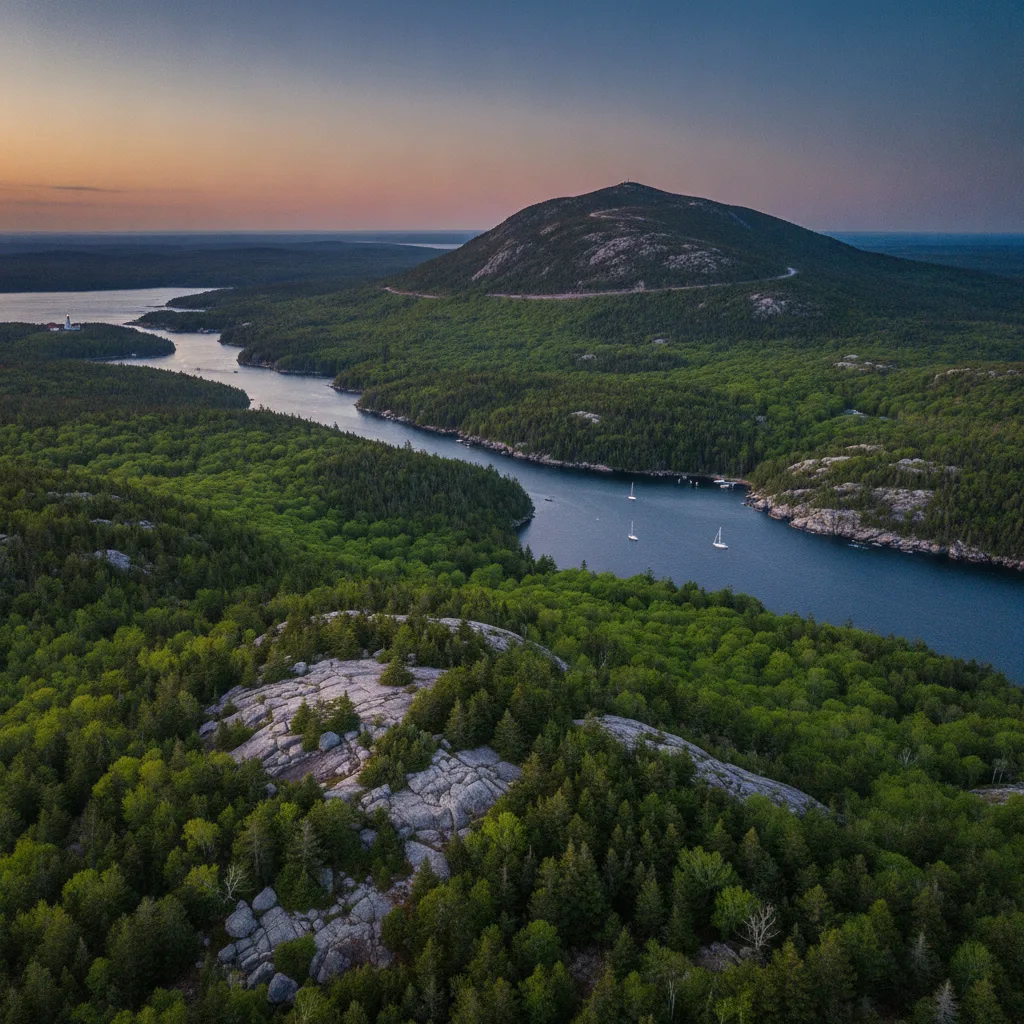
Welcome to our comprehensive guide to Acadia National Park Maine, where rugged coastlines meet pristine forests and granite peaks. As the Visit America editorial team, we’ve explored every corner of this iconic New England gem to bring you the definitive insights for your 2026 adventure. Forget generic travel fluff; we’re here to provide confident, specific, and actionable advice to ensure your trip to Acadia National Park is unforgettable. Whether you're chasing sunrises from Cadillac Mountain or exploring the charming streets of Bar Harbor, we've got you covered.
Why Visit Acadia National Park
Acadia National Park, often called the "Crown Jewel of the North Atlantic Coast," offers a unique blend of mountains, ocean, and woodlands, making it a truly unparalleled destination. It's the only national park in New England, protecting approximately half of Mount Desert Island, a portion of Isle au Haut, and the Schoodic Peninsula. We believe that Acadia's allure lies in its accessibility to diverse landscapes – from the highest rocky headlands along the Atlantic coastline to serene freshwater lakes and dense evergreen forests.
Is It Worth Visiting? Absolutely. Our team firmly believes that Acadia National Park is worth visiting for any traveler seeking natural beauty, outdoor adventure, and a touch of coastal charm. The park's relatively compact size belies a remarkable diversity of ecosystems and activities, ensuring there's something for everyone. From the panoramic views atop Cadillac Mountain to the historic carriage roads, Acadia delivers an authentic Maine experience that few other places can match.
Who It's Best For
Acadia National Park truly caters to a wide spectrum of visitors. It's an ideal destination for:
- Outdoor Enthusiasts: With miles of hiking and biking trails, opportunities for kayaking, rock climbing, and birdwatching, adventurers will find endless ways to explore.
- Families with Kids: The park offers numerous family-friendly activities, including easy walks, tidepooling, ranger programs, and the Junior Ranger program. Freshwater lakes like Echo Lake Beach provide safe swimming spots.
- Nature Lovers: From stunning sunrises and sunsets to diverse wildlife and vibrant fall foliage, Acadia provides ample opportunities to connect with nature.
- Road Trippers: The scenic Park Loop Road allows visitors to experience many of the park's highlights from the comfort of their vehicle, with plenty of pull-offs for breathtaking views.
- Couples Seeking Romance: The picturesque coastal scenery, charming towns like Bar Harbor, and opportunities for stargazing create a perfect backdrop for a romantic getaway.
Even those who prefer a more relaxed pace will find enjoyment, whether it's indulging in popovers at the historic Jordan Pond House or simply soaking in the coastal vistas.
Getting There & Parking
Acadia National Park is primarily located on Mount Desert Island, easily accessible from mainland Maine. For those wondering how to get to Acadia National Park, the most common approach is by car. From Boston, we recommend taking I-95 North to Augusta, Maine, then Route 3 East to Ellsworth, and finally onto Mount Desert Island. An alternative is to continue on I-95 North to Bangor, then I-395 to U.S. Route 1A East to Ellsworth, before taking Route 3 to the island.
Once on Mount Desert Island, the charming town of Bar Harbor serves as a primary gateway to the park. The Hulls Cove Visitor Center, located off Route 3 near Bar Harbor, is Acadia's main visitor contact station and a key transportation hub from May into October.
Parking: Parking within Acadia National Park, especially during peak season (June through August and October foliage season), can be challenging. Parking lots at popular spots like Cadillac Mountain, Echo Lake, Jordan Pond, and Sand Beach fill up quickly. Parking outside designated areas is prohibited.
Cadillac Mountain Reservations (2026): Advanced vehicle reservations are required to drive to the summit of Cadillac Mountain from May 20 through October 25, 2026. These reservations cost $6 and are available through Recreation.gov. 30% of reservations are released 90 days in advance, with the remaining 70% released at 10 AM ET two days prior to the desired date. Hiking or biking to the summit does not require a reservation.
Island Explorer Shuttle (2026): To alleviate parking stress and reduce congestion, we highly recommend utilizing the free Island Explorer shuttle bus service. In 2026, spring service began on May 20, connecting the Acadia Gateway Center in Trenton to the Village Green in Bar Harbor and the Park Loop Road. Full summer service runs from June 23 through October 12, 2026. The Island Explorer does *not* reach Cadillac Summit Road.
Road Closures (2026): Be aware of potential road closures. In spring 2026, a one-mile section of the Park Loop Road between Kebo Street and Sieur de Monts was closed until June 12 (excluding Memorial Day Weekend) for culvert replacement and wastewater system connections. The Cadillac Summit Road was also closed to all uses through April 30, 2026, for construction of the Cadillac East-West Connector Trail.
Top Things to Do
Acadia National Park is brimming with incredible experiences. Our team has curated a list of the top things to do, ensuring you make the most of your visit to this spectacular park.
Scenic Drives and Iconic Views
- Park Loop Road: This 27-mile scenic drive is a must-do, offering access to many of Acadia's most famous spots. It's largely open from April 15 to November 30, with some sections open year-round. Highlights include Thunder Hole, Sand Beach, Otter Cliff, and Jordan Pond.
- Cadillac Mountain: Witnessing the sunrise from Cadillac Mountain, the highest point on the North Atlantic Seaboard, is an unforgettable experience. From October to March, it's often the first place in the U.S. to see the sunrise. Remember your vehicle reservation from May 20 to October 25, 2026.
- Bass Harbor Head Light Station: This iconic lighthouse on the "quiet side" of Mount Desert Island offers stunning sunset views and a quintessential Maine lighthouse experience.
- Schoodic Peninsula: For a less crowded experience, drive over to the Schoodic Peninsula, the only mainland portion of Acadia National Park. It offers dramatic coastline and hiking trails.
Acadia National Park Hiking Trails: Our Top Picks
Acadia boasts over 158 miles of hiking trails, ranging from easy coastal strolls to challenging iron-rung climbs. When considering Acadia National Park hiking trails, we always recommend choosing routes that match your fitness level and allow you to fully appreciate the park's diverse landscapes.
- Jordan Pond Path: An easy 3.3-mile loop around the picturesque Jordan Pond, offering stunning views and a chance to enjoy popovers at the Jordan Pond House.
- Ocean Path: This easy 2.2-mile (one-way) path follows the coastline from Sand Beach, passing Thunder Hole and Otter Cliffs. It's perfect for a leisurely walk with incredible ocean views.
- Beehive Trail: For the adventurous, this strenuous trail features iron rungs and ladders, leading to panoramic views. (Note: The Precipice, Jordan Cliffs, Penobscot East, and Valley Cove trails are typically closed from March 1 to protect nesting peregrine falcons.)
- Carriage Roads: John D. Rockefeller Jr. built over 45 miles of car-free carriage roads, perfect for walking, biking, or even horseback riding. These gravel paths wind through forests and past stone bridges, offering a serene way to explore.
- Wonderland Trail: A family-friendly, easy 1.4-mile trail that leads through a wooded area to the ocean, great for tidepooling at low tide.
Water Activities and More
- Tidepooling: Explore the fascinating marine life in tidepools at low tide, especially at Wonderland Trail or Ship Harbor Trail.
- Swimming: Cool off at Sand Beach (brisk ocean water!) or the warmer freshwater of Echo Lake Beach.
- Kayaking & Canoeing: Paddle on the park's lakes like Eagle Lake (no swimming allowed as it's a public water supply) or explore the coastline.
- Ranger Programs: Participate in interpretive programs led by park rangers to learn more about Acadia's natural and cultural history.
- Wild Gardens of Acadia: Located near Sieur de Monts Spring, these gardens showcase the diverse plant life of Mount Desert Island.
Acadia National Park Camping: Your Options
For those looking to immerse themselves fully in the park's natural beauty, Acadia National Park camping offers several excellent choices. All campsite reservations must be made in advance via Recreation.gov. For peak season visits, we advise booking as early as possible, as reservations typically open six months in advance on the first of each month at 10 AM EST.
- Blackwoods Campground: Located on the east side of Mount Desert Island, this campground is a short walk to the ocean. It's open year-round, though winter camping (December 1 to March 31) is walk-in with a permit.
- Seawall Campground: Situated on the west side of Mount Desert Island near the coastline, Seawall offers a different perspective of the park. It's typically open from late May through September.
- Schoodic Woods Campground: The only campground on the mainland section of the park, located on the tranquil Schoodic Peninsula. It accommodates both RVs and tents.
- Duck Harbor Campground: For a more primitive and secluded experience, consider Duck Harbor on Isle au Haut. It's only accessible by boat and requires a permit, operating from mid-May through mid-October.
We recommend checking Recreation.gov for specific booking windows and availability for each campground.
Best Time to Visit
The best time to visit Acadia National Park largely depends on what you hope to experience, as the park offers distinct charms throughout the year.
- Summer (June-August): This is peak season, offering the warmest weather (highs in the upper 70s°F) and full accessibility to all park facilities and services. Expect large crowds, especially in July and August, and plan for busy parking lots. The Island Explorer shuttle runs its full network during these months.
- Fall (September-October): Our team considers late September through the third week of October to be the absolute best time to visit for fewer crowds and spectacular fall foliage. Temperatures are mild (highs in the 50s-60s°F), and the autumn colors, particularly maples and birches, typically peak from mid-October. Cadillac Mountain vehicle reservations are still required during this period.
- Spring (April-May): Early spring (March-April) is "mud season," with trails being icy or muddy and many businesses in Bar Harbor still closed. Late May offers milder temperatures (highs in the low 60s°F) and fewer crowds before the summer rush. Park Loop Road largely reopens by April 15.
- Winter (November-March): Acadia is open year-round, but many roads (including most of Park Loop Road and Cadillac Summit Road) and facilities close from December 1 to April 14. This season offers a peaceful, snow-covered landscape for snowshoeing and cross-country skiing, though temperatures are cold (14-35°F).
Whenever you choose to visit, planning ahead is crucial, especially for accommodations and popular activities.
Where to Stay Nearby
While Acadia National Park itself offers excellent camping options, many visitors prefer to stay in nearby towns, which provide a range of lodging, dining, and shopping experiences.
- Bar Harbor: The most popular and convenient base for exploring Acadia, Bar Harbor is located directly adjacent to the park on Mount Desert Island. It offers a wide array of hotels, inns, B&Bs, and vacation rentals, along with numerous restaurants, shops, and art galleries. The free Island Explorer shuttle connects Bar Harbor to many park trailheads.
- Southwest Harbor/Northeast Harbor: Located on the "quiet side" of Mount Desert Island, these charming villages offer a more tranquil atmosphere than bustling Bar Harbor. They provide a good selection of accommodations and dining, with easy access to attractions like Bass Harbor Head Light.
- Tremont/Seal Harbor: Also on the quiet side, these smaller communities offer a peaceful retreat with access to different park entrances and trails.
- Ellsworth: Located on the mainland, about a 30-minute drive from Mount Desert Island, Ellsworth offers more budget-friendly lodging and dining options. It's a good choice if you don't mind a short commute to the park.
- Camping (within the park): As mentioned, Acadia offers four campgrounds: Blackwoods, Seawall, Schoodic Woods, and Duck Harbor. These provide an immersive experience, but require advance reservations.
For those looking to explore more of the Pine Tree State, consider extending your trip to other incredible places in Maine, such as the historic Portland Head Light, the vibrant Portland Old Port, or the wilderness of Baxter State Park & Mt. Katahdin.
Sample 2-Day Itinerary
Even with just two days, you can experience the highlights of Acadia National Park. Our team has crafted a sample itinerary to help you make the most of your visit:
Day 1: East Side Exploration & Iconic Views
- Morning (Sunrise at Cadillac Mountain): Wake up early to catch the sunrise from Cadillac Mountain. Remember to secure your vehicle reservation in advance (May 20 - October 25, 2026).
- Late Morning (Park Loop Road & Coastal Sights): Drive the scenic Park Loop Road. Stop at Sand Beach for a walk, experience the powerful surge at Thunder Hole (best two hours before high tide), and admire the dramatic Otter Cliffs.
- Lunch (Jordan Pond House): Enjoy lunch and famous popovers at the historic Jordan Pond House, overlooking the tranquil pond.
- Afternoon (Jordan Pond Path & Carriage Roads): Take a leisurely stroll around Jordan Pond on the easy 3.3-mile path. Afterwards, rent bikes or walk a section of the historic carriage roads, perhaps around Eagle Lake.
- Evening (Bar Harbor): Head into Bar Harbor for dinner, explore the shops, and enjoy the lively atmosphere of the town.
Day 2: West Side Charm & Hiking Adventure
- Morning (Bass Harbor Head Light & Quiet Side): Drive to the "quiet side" of Mount Desert Island. Visit the picturesque Bass Harbor Head Light Station for photos. Explore the charming villages of Southwest Harbor or Northeast Harbor.
- Late Morning (Hiking Adventure): Choose a hike that suits your style. For a moderate challenge, consider the Beech Mountain Trail for summit views. For an easier option, explore the Wonderland Trail, especially at low tide for tidepooling.
- Lunch (Picnic or Local Eatery): Enjoy a picnic lunch at a scenic overlook on the quiet side or grab a bite at a local eatery in Southwest Harbor.
- Afternoon (Echo Lake Beach or Schoodic Peninsula): Relax at Echo Lake Beach with a swim, or for a change of scenery, drive to the Schoodic Peninsula (about an hour's drive from Bar Harbor) to experience its rugged coastline and fewer crowds.
- Evening (Farewell Dinner): Enjoy a final Maine lobster dinner in Bar Harbor or another coastal town.