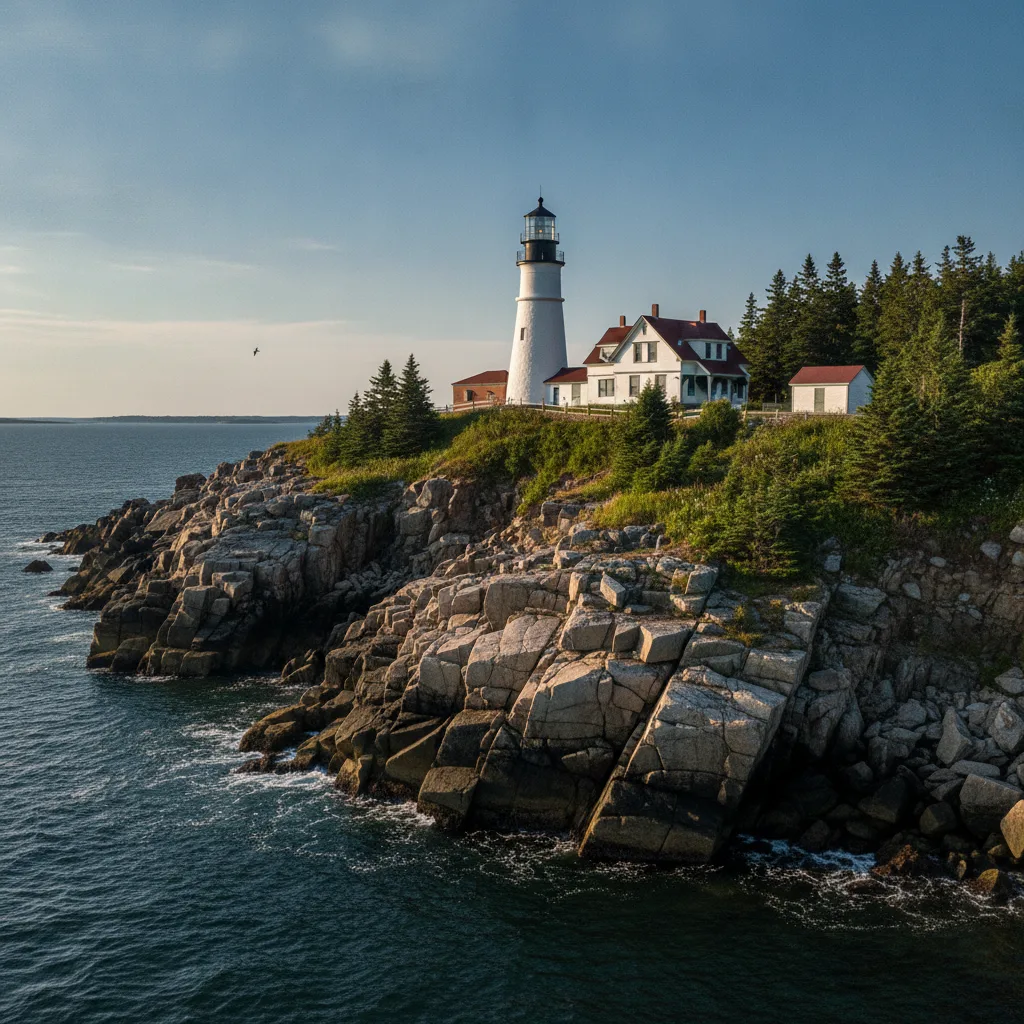
Our Bass Harbor Head Light guide covers practical planning for Bass Harbor Head Light Maine — best time to visit, getting there, and what to do on the ground. We’ve meticulously researched the latest 2026 information to ensure your trip to this iconic Maine landmark is seamless and unforgettable.
Why Visit Bass Harbor Head Light
There's a reason Bass Harbor Head Light stands as one of Maine's most enduring and photographed symbols: its dramatic setting is simply unparalleled. Perched atop rugged, pink-granite cliffs, this historic lighthouse offers a quintessential New England coastal experience. Built in 1858, the lighthouse itself is a striking brick structure with a unique cylindrical tower, rising 32 feet high and standing 56 feet above mean high water. Its distinctive red light, now automated, has guided mariners safely into Bass Harbor and Blue Hill Bay for over a century and a half.
What truly sets Bass Harbor Head Light apart is the raw, untamed beauty of its surroundings. The crashing waves against the rocky shore, the scent of salt and pine in the air, and the panoramic views of the Atlantic Ocean create a sensory experience that captures the essence of coastal Maine. It's a place where you can feel the power of nature and connect with a rich maritime history. In fact, it was added to the National Register of Historic Places in 1988, recognizing its significance in mid-19th century design and its role in Maine's maritime transportation.
Unlike many lighthouses that are primarily viewed from a distance, Bass Harbor Head Light offers multiple vantage points, including a unique opportunity to descend a rustic staircase to the rocky intertidal zone below the cliffs. This allows for truly spectacular photographs, especially during the golden hours of sunrise and sunset, when the light bathes the lighthouse and the surrounding landscape in a warm, ethereal glow. It’s a place that inspires awe and provides a profound sense of peace, making it a must-see for anyone exploring the Acadia region.
Who It's Best For
Bass Harbor Head Light appeals to a wide range of travelers, but it particularly shines for those seeking a blend of natural beauty, photography opportunities, and a touch of history. If you're a photographer, whether amateur or professional, this is your canvas. The dramatic cliffside setting, the texture of the granite, and the ever-changing light conditions make for endless creative possibilities. Sunset, in particular, draws crowds eager to capture its iconic beauty.
Nature lovers and outdoor enthusiasts will also find much to appreciate. The short trails around the lighthouse, including the descent to the rocky shore, offer a chance to explore Maine's rugged coastline up close. Tide pooling on the rocks can be a fascinating activity for families, revealing the diverse marine life that thrives in this environment. While the lighthouse interior is not open to the public, the grounds provide ample space to enjoy the views and reflect on the area's natural splendor.
Families with older children who are comfortable navigating uneven terrain will enjoy the adventure of exploring the rocks. However, those with very young children or mobility limitations should be aware of the challenging rocky path and steep stairs. History buffs will appreciate the lighthouse's 1858 origins and its role in maritime navigation, now managed by Acadia National Park since 2020. It's a destination that encourages quiet contemplation and appreciation for both human ingenuity and the raw power of the ocean.
Is It Worth Visiting?
Our team unequivocally believes that visiting Bass Harbor Head Light is absolutely worth it, especially if you're exploring Mount Desert Island and Acadia National Park. This iconic landmark offers a distinct experience compared to the busier eastern side of the park, providing a quieter, more reflective encounter with Maine's rugged coast. It's a quintessential stop that encapsulates the charm and wildness of the region.
Despite its popularity, particularly at sunset, the overall experience at Bass Harbor Head Light remains deeply rewarding. The opportunity to witness the lighthouse from multiple perspectives – from the paved walkway near the keeper's house to the adventurous descent onto the rocky shore – provides varied photographic opportunities and a deeper connection to the landscape. For many, the unique granite foundation and the dramatic cliffside setting make it one of the most picturesque lighthouses in New England.
While the lighthouse tower and keeper's dwelling are not open for interior tours, the exterior views and the surrounding natural environment are the main draw. The sheer beauty of the location, combined with the historical significance of the structure, makes the journey to the "quiet side" of Mount Desert Island a highly recommended part of any Maine itinerary. It’s a perfect complement to other Acadia National Park attractions and offers a memorable glimpse into the state's maritime heritage. Whether you're a first-time visitor or a returning enthusiast, Bass Harbor Head Light continues to captivate and inspire, proving its enduring worth.
Getting There & Parking
Understanding how to get to Bass Harbor Head Light and navigating the parking situation is key to a stress-free visit. The lighthouse is located on the southwestern tip of Mount Desert Island in the village of Bass Harbor, part of Tremont, Maine. It's easily accessible by car, unlike some other more remote lighthouses in the region. From the main Route 3 that leads onto Mount Desert Island, bear right onto Route 102 South. Continue through Somesville and Southwest Harbor, then follow Route 102A south through Bass Harbor. Where Route 102A makes a sharp turn to the east, continue straight onto Lighthouse Road, which leads directly to the parking area.
The journey to Bass Harbor Head Light Maine is scenic, taking you away from the busier areas of Bar Harbor and deeper into the "quiet side" of Mount Desert Island. The lighthouse is about a 35-minute drive from Hulls Cove Visitor Center and 10 minutes from Seawall Campground.
**Parking at Bass Harbor Head Light:** This is the most critical aspect of your visit. There is a single, small parking lot at the end of Lighthouse Road, which accommodates approximately two dozen vehicles. Parking is free, but it fills up very quickly, especially during peak season (summer) and around sunset. Roadside parking along the entrance road and Route 102A is strictly prohibited.
We strongly recommend arriving early in the day, ideally before 9 AM, to secure a spot and enjoy a more peaceful experience. If you plan to visit for sunset, be prepared for significant crowds and potential "sunset gridlock". Arriving at least 1.5 hours before sunset is advised to increase your chances of finding parking. If the lot is full, you cannot park on the street; you'll need to wait in a queue or drive off and return later.
For those with accessibility needs, there are three designated handicap accessible parking spots that provide access to the upper lighthouse viewing area and a packed gravel overlook. An Acadia National Park entrance pass is required to park at Bass Harbor Head Light Station. This is a standard park pass, not a specific reservation for the lighthouse itself, but it is necessary for vehicle entry into Acadia National Park areas where fees apply.
It's important to note that the free Island Explorer shuttle bus, which services much of Acadia National Park, does not extend to Bass Harbor Head Light. Therefore, personal vehicle or bicycle is the primary mode of transportation. If you're wondering how to get to Bass Harbor Head Light without a car, biking from nearby areas on Mount Desert Island is an option, though it can be a long ride.
Top Things to Do
While the lighthouse itself is the main attraction, there are several compelling things to do at Bass Harbor Head Light and in the surrounding Bass Harbor area that make for a rich and varied visit. Our team suggests allocating at least an hour, or more if you plan to explore the rocky shore, to fully appreciate this unique location.
1. Photograph the Lighthouse from Multiple Angles: This is arguably the most popular activity. From the paved path near the parking lot, you can get close-up views of the lighthouse and read interpretive exhibits about its history and connection to Acadia National Park. For the iconic, dramatic shots, follow the trail into the woods from the end of the parking lot, which leads to a series of stairs (wooden and stone) down to the rocky shoreline below the cliffs. This is where most of the famous photographs of Bass Harbor Head Light are taken, offering a perspective that highlights its rugged setting. Be mindful of the tide and slippery conditions on the rocks.
2. Explore the Rocky Shore and Tide Pools: Once you’ve descended to the rocks, take your time exploring. This area is fantastic for tide pooling, where you can discover various marine creatures in the shallow pools left by the receding tide. It’s a hands-on natural history lesson, especially engaging for families. Remember to wear sturdy, closed-toe shoes with good grip, as the rocks can be uneven and slick.
3. Enjoy Sunset Views: Bass Harbor Head Light is renowned for its spectacular sunsets. The golden light illuminates the lighthouse and the ocean, creating a truly magical scene. However, as mentioned, this is the busiest time, so plan to arrive well in advance to secure parking and a good viewing spot.
4. Visit the Keeper's House (Exterior Only): The attached keeper's house, also built in 1858, is a charming historical structure. While it serves as private housing for Coast Guard personnel and is not open to the public, you can admire its exterior and imagine the lives of the lighthouse keepers and their families who once lived here.
Beyond the immediate lighthouse grounds, there are more things to do in Bass Harbor (Mount Desert Island):
5. Hike the Ship Harbor Nature Trail or Wonderland Trail: Located just a short drive from Bass Harbor Head Light, these two easy, family-friendly coastal loop trails offer beautiful ocean views and a quieter experience away from the main park crowds. They are excellent options if the lighthouse parking is full, or to extend your exploration of the "quiet side". The Ship Harbor Nature Trail is a 1.3-mile loop that winds through spruce-fir forest and along a picturesque rocky coastline, while the Wonderland Trail offers similar coastal beauty.
6. Explore Bass Harbor Village: This charming working fishing village offers a glimpse into authentic Maine life. You can watch lobster boats come and go, grab a fresh lobster roll, or browse local shops. Southwest Harbor, another nearby village, is also a great spot for dining and exploring.
7. Take an Island Cruise: For a different perspective of Bass Harbor Head Light and the surrounding coastline, consider a boat tour from Bass Harbor. These cruises often provide unique photo opportunities of the lighthouse from the water.
8. Visit the Tremont Historical Society: Located in Bass Harbor, the Historical Society offers insights into the local history and maritime heritage of the area, including details about the lighthouse and its keepers. They occasionally conduct tours of the lighthouse, though interior access is generally restricted.
These activities collectively ensure that your visit to Bass Harbor Head Light and the surrounding area is filled with memorable experiences, far beyond just a quick photo stop.
Best Time to Visit
Choosing the best time to visit Bass Harbor Head Light Maine can significantly impact your experience, largely due to crowd levels and weather conditions. Our team has found that while the lighthouse grounds are open year-round from 9 AM to sunset, certain times offer distinct advantages.
Shoulder Seasons (May-June and September-October): We highly recommend visiting during the shoulder seasons. The weather is generally pleasant, with fewer crowds than in the peak summer months. In May and early June, you'll witness the awakening of spring, with lush greenery and blooming wildflowers. Late September and October bring the spectacular fall foliage, painting Mount Desert Island in vibrant hues of red, orange, and gold, providing a breathtaking backdrop for the lighthouse. Parking is still a consideration, but it's generally less challenging than in mid-summer.
Summer (July-August): Summer is the most popular time to visit Acadia National Park and Bass Harbor Head Light. The weather is warm, and all attractions and services are fully operational. However, be prepared for significant crowds, especially during midday and sunset. Parking can be extremely difficult, often requiring a wait or multiple attempts. If you visit in summer, plan to arrive very early in the morning (before 9 AM) for a more peaceful experience and guaranteed parking. The National Park Service even issues warnings about how difficult it can be to visit at sunset due to congestion.
Winter (November-April): For those seeking solitude and a dramatic, stark beauty, a winter visit can be incredibly rewarding. The crowds are minimal, and the landscape takes on a serene, rugged charm, often dusted with snow or ice. However, many services and accommodations on Mount Desert Island will be closed, and some roads may be inaccessible due to weather. Dress warmly, as coastal Maine winters are cold and windy. While the grounds remain open, facilities like restrooms may be limited. Always check local conditions before a winter trip.
Time of Day: * **Morning (before 9 AM):** This is our top recommendation for avoiding crowds and securing parking. The morning light is also excellent for photography, illuminating the lighthouse from the east. * **Late Afternoon/Sunset:** While incredibly popular for its stunning photographic opportunities, this is the busiest time. If you aim for sunset, arrive at least 1.5 hours beforehand to find parking and a good vantage point. Be prepared for many other photographers and visitors vying for the best spots. * **Midday:** Generally the least appealing time due to harsh light for photography and peak crowds. However, if your schedule only allows for a midday visit, it's still worth seeing, just manage your expectations regarding parking and solitude.
Consider checking tide charts if you plan to explore the rocky shore below the cliffs, as access is dependent on safe conditions.
Where to Stay Nearby
Finding the right Bass Harbor Head Light lodging enhances your entire Mount Desert Island experience. While the lighthouse itself is on the "quiet side" of the island, there are excellent options ranging from cozy cabins to charming inns and hotels in nearby towns. Our team prioritizes locations that offer convenience to the lighthouse while providing a comfortable base for exploring Acadia National Park.
Bass Harbor & Southwest Harbor: These two adjacent villages, often collectively referred to as the "quiet side," offer the closest and most authentic Maine experiences to the lighthouse. They are ideal for travelers seeking a more laid-back atmosphere away from the bustling crowds of Bar Harbor. * **Lighthouse Cabins Maine:** These cabins are nestled in the woods, just a short walk to Bass Harbor and are the closest lodging option to Bass Harbor Head Light and the Ship Harbor and Wonderland hiking trails. They offer comfortable, cozy living spaces with kitchenettes, private bathrooms, and amenities like air conditioning and Wi-Fi. Many reviews highlight the exceptional experience and friendly staff. * **Bass Harbor Cottages and Country Inn:** Located five minutes from Bass Harbor Head Lighthouse, this inn offers both private waterfront cottages and rooms in a country inn setting. It's ideal for those seeking a tranquil retreat with easy access to nature trails and Southwest Harbor Village. * **Other Vacation Rentals:** There's a good selection of vacation homes, apartments, and cabins in Bass Harbor and Tremont (the municipality Bass Harbor is part of) available through platforms like Expedia and Travelocity. Many offer amenities like hot tubs, fireplaces, and pet-friendly options, providing a home-away-from-home feel. Look for properties with names like "Woodland Apartments - Acadia National Park" or "Quiet Waterfront Home".
Northeast Harbor: A slightly more upscale and picturesque village, Northeast Harbor offers a charming harbor, boutique shops, and fine dining. It's about a 15-20 minute drive from Bass Harbor Head Light, making it a convenient option for those who prefer a refined setting.
Bar Harbor: For travelers who want access to a wider array of restaurants, shops, and tour operators, Bar Harbor is the largest town on Mount Desert Island. However, it's about a 30-40 minute drive to Bass Harbor Head Light, so factor in travel time, especially during peak season traffic. Bar Harbor offers numerous hotels, motels, and B&Bs, including options like the Holiday Inn Resort Bar Harbor - Acadia Natl Park. While not direct Bass Harbor Head Light lodging, it serves as a popular base for exploring the entire island, including our link to Bar Harbor.
When considering Bass Harbor Head Light lodging, we advise booking well in advance, especially for summer and fall visits, as accommodations on Mount Desert Island fill up quickly. Many properties offer free parking and Wi-Fi, which are essential amenities for exploring the area.
Sample 2-Day Itinerary
To help you make the most of your visit to Bass Harbor Head Light Maine and the surrounding Acadia National Park, our team has crafted a sample 2-day itinerary. This plan balances iconic sights with the quieter charm of Mount Desert Island's western side, ensuring a memorable experience.
Day 1: The Quiet Side & Bass Harbor Head Light
- Morning (Early Start Recommended): Begin your day by heading directly to Bass Harbor Head Light. Arrive before 9 AM to secure parking and experience the lighthouse in a more serene setting. Take your time photographing the lighthouse from various angles, including the paved path and the descent to the rocky shore. Explore the tide pools if the tide is out.
- Late Morning: After soaking in the lighthouse views, explore the nearby Ship Harbor Nature Trail or Wonderland Trail. These easy, scenic loops offer beautiful coastal walks and are perfect for a leisurely stroll. You'll find fewer crowds here and can enjoy the tranquility of the spruce-fir forests and rocky beaches.
- Lunch: Head to Bass Harbor village or Southwest Harbor for a classic Maine lunch. Enjoy fresh seafood, perhaps a lobster roll, at a local eatery. These villages offer a more authentic, working-harbor feel compared to Bar Harbor.
- Afternoon: Visit the Tremont Historical Society in Bass Harbor to delve deeper into the region's maritime history. Alternatively, consider an afternoon boat cruise from Bass Harbor to see the lighthouse and other coastal sights from the water.
- Evening: Enjoy dinner in Southwest Harbor or Bass Harbor. If you're keen on capturing the famous sunset shots of Bass Harbor Head Light, return to the lighthouse at least 1.5 hours before sunset, prepared for crowds and parking challenges. Otherwise, enjoy a peaceful evening on the quiet side.
Day 2: Acadia's Highlights & Beyond
- Morning: Dedicate your second day to exploring the main attractions of Acadia National Park. Start with the Park Loop Road, driving it early to beat the crowds at popular spots like Sand Beach and Thunder Hole. Check the tide schedule for Thunder Hole, as it's most dramatic on a rising tide with some swell.
- Mid-Morning: Continue along the Park Loop Road to Jordan Pond. Enjoy a leisurely walk around the pond, taking in the views of the "Bubbles" mountains. Consider stopping at the Jordan Pond House for their famous popovers and tea.
- Lunch: Have lunch at the Jordan Pond House or pack a picnic to enjoy at one of Acadia's scenic picnic areas.
- Afternoon: If you secured a vehicle reservation, drive up Cadillac Mountain for panoramic views of the island and coastline. Remember that a timed vehicle reservation is required for Cadillac Summit Road from late May through late October. If not, explore some of Acadia's carriage roads by foot or bike, or hike one of the park's many trails, such as Gorham Mountain.
- Late Afternoon/Evening: Head towards Bar Harbor for dinner and to experience the town's lively atmosphere. You can explore the shops or take a stroll along the Shore Path.
This itinerary provides a comprehensive overview, but feel free to adjust it based on your interests and pace. Remember to check Acadia National Park's official website for any current alerts, reservation requirements (like for Cadillac Mountain), and operating hours before your visit. For more ideas on planning your trip to Maine, check out our guide to the Best places in Maine.
Last updated: 2026-07-06 by the Roam States team.