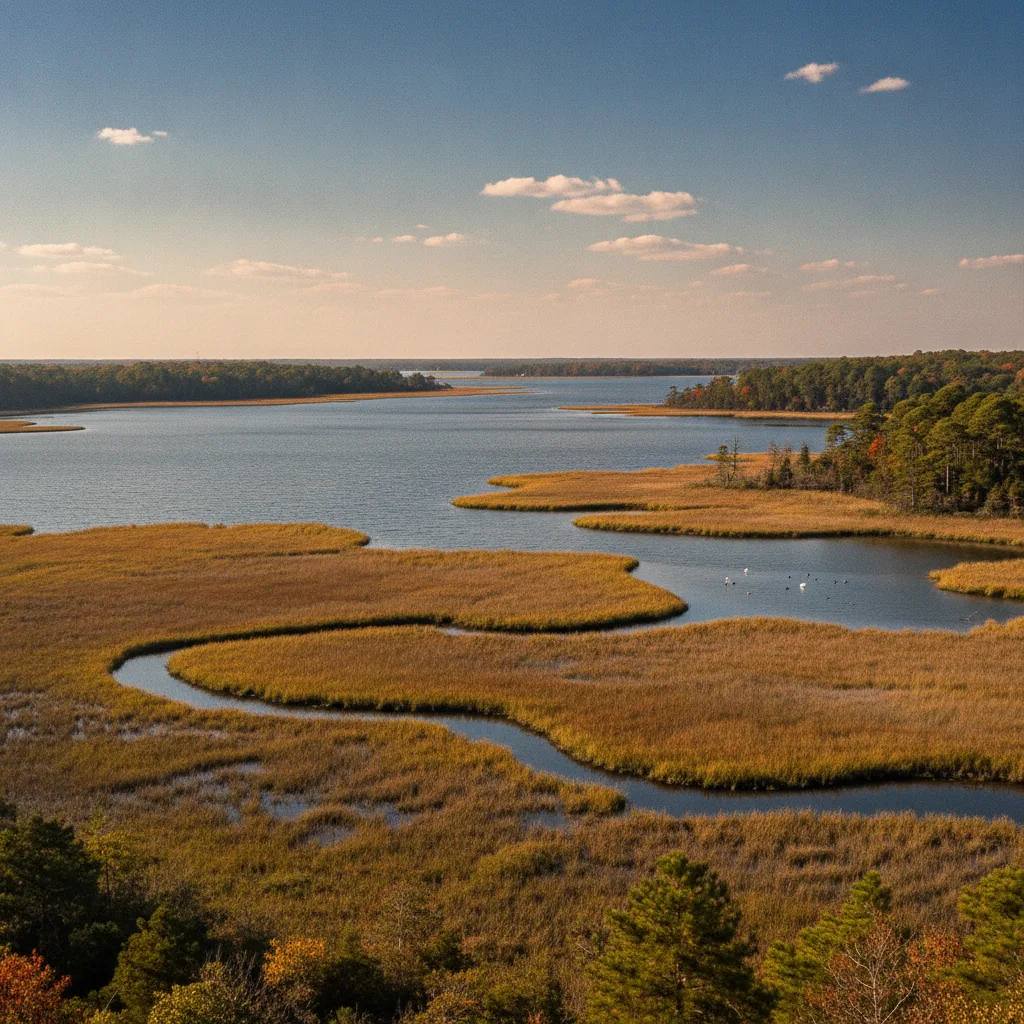
Our Assawoman Bay State Wildlife Area guide covers practical planning for Assawoman Bay State Wildlife Area Delaware — best time to visit, getting there, and what to do on the ground.
As independent US travel authorities, our team at Roam States is dedicated to bringing you the most accurate and actionable information for your adventures. We cut through the generic fluff to provide confident, specific recommendations for destinations like the Assawoman Bay State Wildlife Area Delaware. This guide is your essential resource for planning a trip to this vital natural preserve, ensuring you experience its diverse habitats and abundant wildlife without a hitch.
Why Visit Assawoman Bay State Wildlife Area
The Assawoman Bay State Wildlife Area offers a serene escape from the bustling beach towns of coastal Delaware. Encompassing 3,100 acres near Frankford and Little Assawoman Bay, this wilderness area is a critical habitat for numerous species, making it a prime destination for nature lovers and outdoor enthusiasts. We recommend it for its quiet beauty, diverse ecosystems, and the opportunity to observe wildlife in a protected setting. It's a place where the needs of animals and plants come first, providing a genuine "wild" experience.
Visitors can expect to find a rich tapestry of salt marshes, loblolly pine forests, and open water, all contributing to a vibrant ecosystem. This mix of habitats supports an impressive array of birds, including migratory waterfowl, wading birds, shorebirds, and landbirds like bald eagles, ospreys, and pileated woodpeckers. Beyond birdwatching, the area's clean waters are home to river otters, a testament to the health of the environment. If you're looking to reconnect with nature and experience Delaware's wild side, Assawoman Bay State Wildlife Area offers an unparalleled opportunity.
Who It's Best For
Assawoman Bay State Wildlife Area is an ideal destination for a variety of travelers, particularly those seeking tranquility and a deep connection with nature. Our team finds it especially suited for:
- **Birdwatchers and Wildlife Photographers:** With its diverse habitats and abundant birdlife, including bald eagles and ospreys, it's a paradise for spotting and photographing various species.
- **Kayakers and Canoers:** The sheltered inland waters of Little Assawoman Bay and Miller Creek offer excellent opportunities for paddling, allowing for exploration of salt marshes and wooded shorelines.
- **Anglers and Crabbers:** The area is popular for fishing and crabbing, with designated spots like the pier at Mulberry Landing.
- **Hikers and Walkers:** Numerous paths and sand roads provide peaceful routes for walking and hiking, ranging from easy strolls to more vigorous treks.
- **Families:** While not a typical playground destination, families who enjoy outdoor activities like birdwatching, gentle kayaking, or picnicking will find plenty to appreciate. The observation tower is a favorite for all ages.
- **Those Seeking Solitude:** If you thrive on escaping crowds and prefer quiet scenes of pine woods, marshland beauty, and waterfront vistas, this area provides a world away from the nearby beach resorts.
It's important to note that while dogs are permitted, they must be kept on a leash. The area is also a "carry-in, carry-out" park, emphasizing its commitment to conservation.
Getting There & Parking
Navigating to the Assawoman Bay State Wildlife Area is straightforward, though signage is intentionally minimal to preserve the natural feel of the area. We recommend using a GPS or consulting a detailed map for the most direct route.
The nearest address for the wildlife area is Sassafras Landing Rd, Frankford, DE 19945. From Route 1 in Bethany Beach, you can go west on Route 26 for 0.1 mile, then turn left (south) onto Kent Ave and follow it for 1.4 miles. After the Assawoman Canal bridge, turn left (southwest) onto Double Bridges Road, then after 3.3 miles, turn left (southeast) onto Camp Barnes Road. Follow Camp Barnes Road, bearing left at 0.6 mile, and continue another 1.1 miles to the wildlife area entrance (Mulberry Landing Road), which is on the right (east).
There is no parking fee to access the Assawoman Bay State Wildlife Area itself. However, if you are launching a kayak from a state park like Fenwick Island State Park (North), there may be a daily park entry fee, which varies for in-state and out-of-state vehicles. An annual Delaware State Parks pass can help avoid these daily fees. Parking is available at various landings within the wildlife area, including Sassafras Landing, Strawberry Landing, and Mulberry Landing. We advise parking in a manner that does not block access to roads, trails, or boat ramps, as improperly parked vehicles may be towed.
A Conservation Access Pass is required for any registered motor vehicle used to access designated Delaware State Wildlife Areas for activities such as birdwatching, hiking, and photography. This pass ensures the continued management and conservation of these vital lands. For more information on the pass, we recommend visiting the official Delaware Division of Fish & Wildlife website.
Top Things to Do
The Assawoman Bay State Wildlife Area offers a wealth of activities for those looking to immerse themselves in nature. Our team has identified the top things to do at Assawoman Bay State Wildlife Area:
- **Kayaking and Canoeing:** Explore the calm, picturesque waters of Little Assawoman Bay and its tidal creeks. Launch sites like Sassafras Landing provide sandy beaches accessible at both high and low tide. This is an excellent way to get up close with the salt marshes and wooded shorelines, with guided tours often available from local outfitters.
- **Birdwatching and Wildlife Viewing:** The area is a haven for birdlife. Climb the observation tower overlooking Mulberry Pond for panoramic views and prime birdwatching opportunities, especially during fall and winter waterfowl migration. Keep an eye out for bald eagles, ospreys, and various wading birds. Photography blinds are also available at Mulberry Landing.
- **Fishing and Crabbing:** Cast a line or set a crab pot from the pier at Mulberry Landing or other designated areas. Remember to check local regulations for licenses and catch limits.
- **Hiking and Walking:** Discover the numerous paths and sand roads that wind through the diverse habitats. Gated roads, like the one leading to Strawberry Landing, offer peaceful, traffic-free routes for walking and hiking. While official "hiking trails" might not be extensively marked as in state parks, the unpaved roads and paths provide ample opportunity for exploration.
- **Picnicking:** Enjoy a quiet meal amidst the natural beauty. Picnic areas are available, offering a serene setting for relaxation.
- **Auto Tour:** Brochures describing a pre-planned auto tour are available near the main entrance sign, offering a convenient way to experience the area's highlights.
Remember that camping and swimming are generally prohibited within the wildlife area. The area operates on a "carry-in, carry-out" policy, so be prepared to take all your trash with you.
Best Time to Visit
The optimal time to visit Assawoman Bay State Wildlife Area Delaware largely depends on your interests, but generally, spring and fall offer the most comfortable weather and abundant wildlife viewing opportunities.
- **Spring (March-May):** This is an excellent time for bird migration, as many species pass through or return to the area for nesting. The weather is typically mild, making it pleasant for hiking and paddling.
- **Summer (June-August):** While the area can be warm and humid, it's still popular for kayaking, fishing, and crabbing. The observation tower is a good spot to see Black Skimmers and egrets in summer. However, be aware that nearby beach towns get crowded, and the wildlife area offers a quieter alternative. We recommend early mornings or late afternoons to avoid the midday heat and potential for higher insect activity.
- **Fall (September-November):** Fall is another prime season for bird migration, particularly waterfowl. The cooler temperatures and vibrant foliage make it ideal for hiking and photography. The watch tower is a favorite during fall/wintertime waterfowl migration.
- **Winter (December-February):** For serious birdwatchers, winter can be rewarding for spotting overwintering waterfowl. The area is generally very quiet during this time, offering a peaceful experience. Just be sure to dress warmly.
Regardless of the season, we advise checking the weather forecast for Bethany Beach, DE, as conditions can influence your visit, especially for paddling activities. Also, be aware that the main road within the wildlife area may be closed without notice on days with heavy precipitation to prevent pothole formation. During such closures, you are still free to hike the roads.
Where to Stay Nearby
While camping is not permitted within the Assawoman Bay State Wildlife Area itself, there are numerous excellent Assawoman Bay State Wildlife Area lodging options in the surrounding communities, offering a range of experiences from bustling beach resorts to more secluded retreats. Our team recommends considering accommodations in nearby Fenwick Island, Bethany Beach, Ocean City (Maryland), or Frankford for convenient access.
Hotels and Resorts:
- **Fenwick Island, DE:** Just a short drive from the wildlife area, Fenwick Island offers a quieter resort experience compared to its Maryland neighbor. Hotels like the Fenwick Inn or properties closer to the beach provide comfortable stays. Fenwick Island is known for its pristine beaches and a more laid-back atmosphere.
- **Bethany Beach, DE:** A family-friendly beach town, Bethany Beach has a variety of hotels, motels, and vacation rentals. It's close enough for easy access to the wildlife area and offers additional dining and entertainment options.
- **Ocean City, MD:** For those who enjoy a more vibrant atmosphere with extensive dining, shopping, and entertainment, Ocean City is a popular choice, located just across the state line. Many hotels in Ocean City, particularly those closer to the bay, offer stunning views and are only a few miles from the wildlife area. Options include Princess Royale Oceanfront Resort, Carousel Resort Hotel & Condominiums, and Coastal Palms Inn & Suites.
- **Frankford, DE:** For a truly rural retreat and a serene blend of nature and community charm, Frankford itself offers a peaceful escape. While fewer large hotels are available directly in Frankford, it provides easy access to the wildlife area and a taste of local Delaware life.
Camping and RV Parks:
If you prefer a camping experience, several campgrounds and RV parks are located within a reasonable driving distance, offering a different kind of Assawoman Bay State Wildlife Area lodging.
- **Treasure Beach RV Park & Campground:** Located on the shores of Little Assawoman Bay, less than two miles from Fenwick Island and Ocean City, this park offers over 1000 full hook-up sites, cabin rentals, and family-friendly amenities.
- **Delaware Seashore State Park:** This park, a bit further north, offers two waterfront campgrounds for RVing and tent-camping, as well as bayfront cottages and a four-bedroom house available for reservations. It's a popular destination with excellent fishing and pristine beaches.
- Other nearby campgrounds include Holly Lake Campsites, Lighthouse Beach RV Resort, and Sun Retreats Rehoboth Bay.
When planning your Assawoman Bay State Wildlife Area lodging, we recommend booking in advance, especially during peak seasons, to secure your preferred accommodation.
Assawoman Bay State Wildlife Area Hiking Trails
While the Assawoman Bay State Wildlife Area Delaware is not extensively crisscrossed with traditionally marked hiking trails like some state parks, it offers ample opportunities for walking and exploring its diverse landscapes. The emphasis here is on natural immersion, with many routes following unpaved roads and paths through pine forests and along marsh edges.
Our team recommends exploring the various landings within the wildlife area, such as Mulberry Landing, Strawberry Landing, and Sassafras Landing. The roads leading to these points, often gated to vehicle traffic, transform into peaceful pathways perfect for a leisurely stroll or a more vigorous hike. These routes allow you to experience the quiet beauty of the area, with opportunities for birdwatching and enjoying the tall pine trees. Some trails can range from easy walks to more vigorous, expert hikes.
One notable nearby option, though technically part of Delaware Seashore State Park, is the **Assawoman Canal Trail**. This crushed stone, multi-use trail parallels a portion of the three-mile-long canal that connects the Indian River Bay with Little Assawoman Bay. It's about one mile each way and offers nice views of the canal, providing a peaceful place to enjoy nature. There is parking available at the Town Road trailhead for the Assawoman Canal Trail.
When exploring the Assawoman Bay State Wildlife Area hiking trails or paths, we advise wearing appropriate footwear, bringing plenty of water, and being aware that it is a high tick area. While dogs are welcome, they must be on a leash. Brochures describing an auto tour are available near the main entrance, which can also provide a framework for where to find good walking areas.
Is It Worth Visiting?
Our team at Roam States confidently asserts that the Assawoman Bay State Wildlife Area Delaware is absolutely worth visiting, especially for those seeking an authentic natural experience away from the typical beach crowds. It stands as a stark and welcome contrast to the bustling coastal resorts, offering a genuine retreat into the wild.
The value of this wildlife area lies in its commitment to conservation and the pristine natural beauty it preserves. It's a place where the needs of native plants and animals take precedence, providing critical habitat for a vast array of species. This focus means visitors are treated to exceptional wildlife viewing opportunities, from spotting bald eagles soaring overhead to observing river otters in the clean bay waters. The quiet natural surroundings and abundant birds are frequently highlighted by visitors as key reasons for its appeal.
For those who enjoy activities like kayaking, fishing, crabbing, birdwatching, or simply a peaceful walk through diverse ecosystems, the Assawoman Bay State Wildlife Area delivers. It's a place to slow down, breathe deeply, and appreciate the unspoiled landscapes of Delaware. While it may not offer the commercial amenities of nearby towns, its raw, untamed charm is precisely what makes it a must-visit for discerning travelers who prioritize nature and tranquility.
Sample 2-Day Itinerary
To help you make the most of your visit to the Assawoman Bay State Wildlife Area, our team has crafted a sample 2-day itinerary, focusing on immersive natural experiences.
Day 1: Wildlife & Water Exploration
- **Morning (9:00 AM - 1:00 PM): Kayaking the Little Assawoman Bay.** Start your day with a paddle on the serene waters. Launch from Sassafras Landing (nearest address: Sassafras Landing Rd, Frankford, DE 19945). Explore the salt marshes and Miller Creek, keeping an eye out for bald eagles, ospreys, and other waterbirds. Remember to bring plenty of water and sunscreen. If you don't have your own kayak, consider a guided tour from a local outfitter near Fenwick Island.
- **Lunch (1:00 PM - 2:00 PM): Picnic at Mulberry Landing.** Pack a lunch and enjoy it at the picnic area at Mulberry Landing, offering pleasant views of the water.
- **Afternoon (2:00 PM - 5:00 PM): Birdwatching and Observation Tower.** Head to the observation tower near Mulberry Pond. Climb to the top for panoramic views of the wildlife area and exceptional birdwatching opportunities. In summer, look for Black Skimmers and egrets. Afterwards, take a leisurely walk along the unpaved roads around Mulberry Landing, observing the diverse flora and fauna.
- **Evening: Dinner in Bethany Beach.** Head to nearby Bethany Beach for dinner. We recommend exploring the local seafood offerings. Consider a stroll along the Bethany Beach & Boardwalk after your meal.
Day 2: Hiking & Coastal Exploration
- **Morning (9:00 AM - 12:00 PM): Assawoman Canal Trail Hike.** Drive to the Town Road trailhead for the Assawoman Canal Trail (part of Delaware Seashore State Park). This crushed stone trail offers a peaceful 1-mile (each way) walk alongside the historic Assawoman Canal. It's a flat, easy hike with lovely canal views.
- **Lunch (12:00 PM - 1:00 PM): Frankford Eatery.** Explore the local charm of Frankford for lunch. Frankford offers a serene blend of nature and community, with local eateries serving fresh seafood or classic comfort food.
- **Afternoon (1:00 PM - 4:00 PM): Fenwick Island State Park.** Head to Fenwick Island State Park, which borders the wildlife area. Enjoy three miles of ocean beaches or paddle the calm bay side. Catch a sunset over the Little Assawoman Bay at the Assawoman Recreation Area within the park.
- **Evening: Relax and Reflect.** Enjoy a quiet evening at your chosen lodging. Consider reviewing your wildlife photos or simply enjoying the peaceful coastal ambiance. For other natural escapes in the region, you might explore Cape Henlopen State Park or Delaware Seashore State Park.
This itinerary provides a balanced blend of active exploration and tranquil observation, highlighting the best of the Assawoman Bay State Wildlife Area and its surroundings. For further planning, explore our guide to the Best Places in Delaware.
Last updated: 2026-07-13 by the Roam States team.