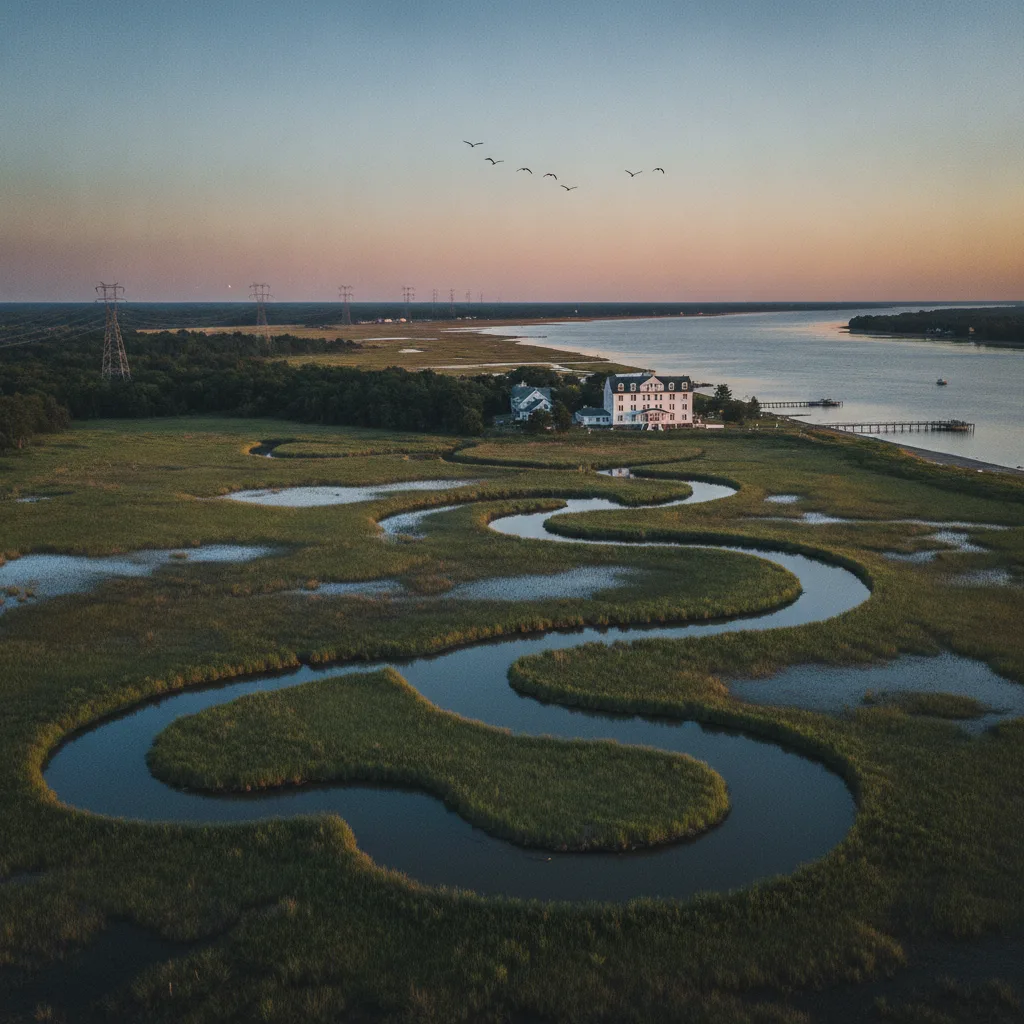
Our Augustine Wildlife Area guide covers practical planning for Augustine Wildlife Area Delaware — best time to visit, getting there, and what to do on the ground. We’re here to help you navigate this expansive and diverse natural sanctuary, ensuring you make the most of your visit to one of Delaware’s true outdoor gems.
Why Visit Augustine Wildlife Area
We believe the Augustine Wildlife Area Delaware is a must-visit destination for anyone seeking an authentic connection with nature. This expansive area, spanning over 3,100 acres across six large land tracts near Port Penn and the Delaware River, is a prime example of Delaware's commitment to preserving its natural heritage. Our team has explored its diverse habitats, which include vital marshes, dense forests, and active agricultural fields, providing a critical refuge for an impressive array of wildlife.
What draws us back time and again is the sheer diversity of experiences it offers. For birdwatchers, it's a dynamic stage for migratory species, especially during spring and fall, and a wintering ground for waterfowl and bald eagles. Hunters find well-managed opportunities, while anglers can enjoy the waters of the Delaware River and its tributaries. Beyond these specific pursuits, the area simply offers a tranquil escape, a place where the rhythms of nature dictate the pace. It’s a testament to effective conservation, providing both ecological value and recreational opportunities for all who visit.
Who It's Best For
The Augustine Wildlife Area truly caters to a broad spectrum of outdoor enthusiasts, making it a versatile destination for many types of travelers. Our team finds it particularly ideal for:
- Birdwatchers: With its extensive wetlands and diverse habitats, the area is a renowned hotspot for birding. Expect to see wintering waterfowl, bald eagles, wading birds, and a wide variety of migrating songbirds during the spring and fall migrations. The observation decks at Ashton and Port Penn Tracts offer excellent vantage points.
- Hunters: The area is actively managed for hunting, with specific seasons for waterfowl, deer, and small game. It's a popular spot, though regulations are strict and permits are often required. We always recommend checking the latest 2026-2027 Delaware Hunting & Trapping Guide for specific season dates and permit requirements.
- Anglers: Whether you prefer freshwater or tidal fishing, the Augustine Wildlife Area offers opportunities along the Delaware River and its associated waterways. Be sure to obtain a Delaware fishing license and a free Fisherman Information Network (FIN) number before casting your line.
- Hikers and Nature Walkers: Accessible trails and boardwalks make parts of the area enjoyable for leisurely strolls, offering scenic views of the marshes and river. It's a peaceful setting for those looking to immerse themselves in nature without strenuous climbs.
- Families: With accessible trails, opportunities for wildlife viewing, and the nearby Port Penn Interpretive Center, families can enjoy educational and engaging outdoor experiences. The relatively flat terrain is suitable for all ages.
However, if you're looking for highly developed recreational facilities, extensive amenities, or a bustling beach scene like you'd find at Rehoboth Beach & Boardwalk, this might not be your primary destination. The Augustine Wildlife Area is about raw, unspoiled nature and the activities it supports.
Getting There & Parking
Understanding how to get to Augustine Wildlife Area is straightforward, though navigating within its various tracts requires a bit of planning. The area is located near Port Penn, Delaware, in New Castle County.
Driving Directions
Most visitors arrive by car. From major routes like DE-1 or US-13, you'll typically head towards Port Penn. For instance, to reach the Ashton Tract, a popular birdwatching spot, you'd turn onto Port Penn Road, then Thorntown Road, and follow signs for the Augustine Wildlife Area Ashton Tract. The Port Penn Tract and Interpretive Center are located directly in the village of Port Penn.
Parking
Parking is available at various designated points throughout the wildlife area's tracts. We've found accessible parking near the trailheads and observation decks at both the Ashton Tract and the Port Penn Tract. For the Taylors Gut Observation Tower, a small parking lot is available along Route 9. It’s crucial to use only designated parking lots and avoid driving into fields. Blocking access to any road, trail, or boat ramp is strictly prohibited, and vehicles doing so may be towed.
Conservation Access Pass (CAP)
A key 2026 fact to remember is the requirement for a Conservation Access Pass (CAP). If you're accessing the Augustine Wildlife Area with a registered motor vehicle for any allowable activity—including birdwatching, hiking, or photography—you'll need a CAP.
- An annual pass for a Delaware-registered vehicle costs $32.50, while an out-of-state registered vehicle pass is $65.00.
- Three-day passes are also available for $10.00 (Delaware residents) or $20.00 (out-of-state).
- Delaware residents aged 65 and older can purchase a Resident Senior Lifetime CAP for a one-time fee of $65.00.
- Hunters purchasing a hunting license receive one free annual vehicle pass, valid for both hunting and non-hunting activities.
These passes can be purchased online through Digital DNREC or at participating license agents. We recommend securing your pass in advance to ensure smooth access.
Top Things to Do
The Augustine Wildlife Area offers a wealth of activities for nature lovers. Our team highlights these top things to do at Augustine Wildlife Area:
Birdwatching
This is arguably the most popular activity here. The diverse habitats, particularly the Thousand Acre Marsh and Lang Marsh, attract an incredible variety of avian species. We often spot wintering waterfowl, majestic bald eagles, and various wading birds. During the spring and fall migrations, the area teems with migrating songbirds. The Ashton Tract features a 700-foot wheelchair-accessible trail and observation deck overlooking the Thousand Acre Marsh, while the Port Penn Tract offers a 550-foot accessible trail and boardwalk to an observation deck over Lang Marsh, providing excellent viewing opportunities. Remember to bring your binoculars – or check if a local birding group is offering loaners for an event.
Hunting
The Augustine Wildlife Area is a significant public hunting ground. We emphasize that hunters must be thoroughly familiar with the 2026-2027 Delaware Hunting & Trapping Guide, as regulations are specific and strictly enforced. Hunting is permitted on specific days, including opening day, Mondays, Wednesdays, Fridays, Saturdays, and Sundays during regular waterfowl seasons. Expanded Sunday hunting opportunities for all game species are new for the 2026-27 season. A Wildlife Area Deer Stand / Waterfowl Blind Lottery Permit is required for deer and waterfowl hunting. Species commonly hunted include deer, waterfowl, and small game like gray squirrel, cottontail rabbit, and pheasants. Always wear hunter's orange during hunting seasons for safety. Target shooting is strictly prohibited.
Fishing
Anglers can find good opportunities here, particularly along the Delaware River. Before heading out, ensure you have a valid Delaware fishing license and a free Fisherman Information Network (FIN) number, required for anyone 16 or older. Note that fishing in Division-managed wildlife area ponds is generally prohibited from September 1 through January 31 and during the spring turkey season, unless specific area rules permit it. Crabbing or fishing from dikes or water control structures is also prohibited. For 2026, bluefish daily possession limits have increased to five per day from private boats and shore, and seven per day from for-hire boats.
Hiking and Nature Walks
While extensive backpacking isn't the focus, the Augustine Wildlife Area offers pleasant trails for walking and experiencing the natural environment. The Port Penn Trail is a popular one-mile path that winds between a tidal marsh and the Delaware River. The accessible trails at Ashton and Port Penn Tracts are perfect for a leisurely stroll, offering scenic views and wildlife spotting. We always recommend consulting area maps as signage can be minimal, and a compass or GPS unit can be helpful.
Photography
The scenic marshlands, diverse wildlife, and expansive skies provide endless opportunities for nature photography. Early mornings and late afternoons are particularly rewarding for capturing the area's beauty.
When planning your things to do at Augustine Wildlife Area, remember that it's a "Carry-In/Carry-Out" area, meaning all trash must be taken with you.
Best Time to Visit
The optimal time to visit Augustine Wildlife Area largely depends on your primary interest, as each season offers unique highlights:
- Fall (September to November): For birdwatchers, fall migration brings a spectacular array of raptors, shorebirds, and songbirds. Waterfowl numbers begin to build, making it excellent for observing ducks and geese. Hunters will find active seasons for deer, waterfowl, and small game during this period. The cooler temperatures also make for comfortable hiking.
- Winter (December to February): This is prime time for viewing wintering waterfowl, including various duck species and snow geese, which can be abundant in early spring. Bald eagles are also frequently sighted. The stark beauty of the marshlands under a winter sky offers unique photographic opportunities.
- Spring (March to May): Spring migration brings a fresh wave of songbirds and wading birds. It's also when horseshoe crabs come ashore to spawn, attracting numerous shorebirds to feast on their eggs – a truly spectacular natural event, particularly visible from the observation deck at the Aquatic Resources Education Center in the nearby Woodland Beach Wildlife Area. Fishing activity picks up, though be mindful of pond closures during spring turkey season.
- Summer (June to August): While generally hotter and potentially buggier, summer still offers opportunities for resident bird species, fishing, and exploring the trails. Osprey can be seen nesting in summer. We recommend early mornings or late afternoons to avoid the midday heat.
Regardless of the season, we always advise checking the official DNREC website for current hunting and fishing seasons and regulations, as these can influence access and safety, especially if you plan to hike. Wearing bright colors, like hunter's orange, is a wise precaution during hunting seasons.
Where to Stay Nearby
While the Augustine Wildlife Area itself is a pristine natural environment without on-site lodging, there are several convenient options for Augustine Wildlife Area lodging in nearby towns. We recommend looking at accommodations in Middletown, Newark, and Wilmington, which offer a range of hotels and amenities.
Middletown, DE
Middletown is one of the closest larger towns, offering several reputable hotels. Options include the Holiday Inn Express & Suites Middletown, which has received awards for guest service, and the Fairfield Inn & Suites by Marriott Middletown. These provide comfortable stays with amenities like complimentary Wi-Fi and fitness centers. Middletown also offers walkable access to shopping, dining, and entertainment.
Newark, DE
A bit further north, Newark provides additional choices. We've noted options such as the Comfort Inn & Suites Newark - Wilmington, Best Western Plus Newark/Christiana Inn, and Sonesta ES Suites Wilmington - Newark. These hotels generally offer good value and are well-suited for travelers seeking modern conveniences and easy access to major roadways.
Wilmington, DE
For those seeking more upscale options or a wider array of dining and cultural experiences, Wilmington is about a 30-40 minute drive. Here, you'll find hotels like the Hilton Wilmington/Christiana, DoubleTree by Hilton Downtown Wilmington - Legal District, and The Westin Wilmington. Wilmington also provides access to attractions like the Winterthur Museum & Estate and the Hagley Museum and Library.
Camping is not permitted within the Augustine Wildlife Area itself. If you're looking for camping facilities, you'll need to explore Delaware State Parks further afield, such as Cape Henlopen State Park, which offers various camping options.
When selecting your Augustine Wildlife Area lodging, consider the balance between proximity to the wildlife area and access to other amenities or attractions you wish to visit during your trip to Delaware.
Augustine Wildlife Area Hiking Trails
For those eager to explore the Augustine Wildlife Area on foot, our team can confirm that there are several accessible and rewarding hiking opportunities. While you won't find rugged mountain treks here, the Augustine Wildlife Area hiking trails offer peaceful strolls through diverse ecosystems, perfect for wildlife observation and immersing yourself in the tranquil marshlands.
- Ashton Tract Accessible Trail: This tract features a 700-foot wheelchair-accessible trail that leads to an observation deck. From here, you can overlook the expansive Thousand Acre Marsh, a prime spot for birdwatching. Accessible parking and ADA-compliant portable toilets are available near the trailhead kiosk, and benches are placed along the trail for resting.
- Port Penn Tract Accessible Trail: Another excellent option is the 550-foot wheelchair-accessible trail at the Port Penn Tract, which includes a 140-foot wetlands boardwalk. This trail culminates at an accessible observation deck offering views of the Lang Marsh and the Delaware River. It’s a fantastic location for spotting gulls, herons, egrets, and resident songbirds. Accessible parking is also provided here.
- Port Penn Trail: Located across the street from the Port Penn Interpretive Center, this one-mile path snakes its way between a tidal marsh and the Delaware River. It offers a chance to experience the unique ecosystem where the freshwater and saltwater meet. This trail is typically open from October 1 to February 1. Near the trailhead, you can even find a vintage floating cabin and a historic muskrat-skinning shack, adding a touch of local history to your walk.
- Taylors Gut Observation Tower: While not a trail, this observation tower offers elevated views. However, it is important to note that this site is not accessible for individuals with physical limitations. Parking is available in a small lot along Route 9.
When venturing onto the Augustine Wildlife Area hiking trails, especially during hunting seasons (which run from early fall through late winter), we strongly advise wearing bright colors, such as hunter's orange, for your safety. Signage within the wildlife area can be minimal, so bringing a compass or GPS unit is a good idea to help with navigation. Remember that a Conservation Access Pass is required for vehicles accessing the area for hiking.
Sample 2-Day Itinerary
To truly immerse ourselves in the Augustine Wildlife Area and its surroundings, we recommend a two-day itinerary, allowing ample time for exploration and relaxation.
Day 1: Birdwatching & Marsh Exploration
- Morning (Sunrise to Noon): Begin your day early at the Ashton Tract. This is prime time for birdwatching, especially for waterfowl and bald eagles over the Thousand Acre Marsh. Take advantage of the 700-foot wheelchair-accessible trail and observation deck for optimal viewing. Remember your Conservation Access Pass for vehicle entry.
- Lunch: Head to Port Penn for a casual lunch. While dining options are limited directly in Port Penn, nearby Middletown offers a wider selection of restaurants.
- Afternoon (1:00 PM - 4:00 PM): Explore the Port Penn Tract. Walk the 550-foot accessible trail and boardwalk to the observation deck overlooking Lang Marsh and the Delaware River. This is another excellent spot for gulls, herons, and egrets.
- Late Afternoon (4:00 PM - Sunset): Visit the Port Penn Interpretive Center (check 2026 hours, as they can be seasonal; for example, open Sept 1, 2026, 10 AM - 4 PM). Learn about the folklife of the historic wetland communities and the area's role in the Underground Railroad. Afterwards, take a self-guided stroll through the historic village of Port Penn, admiring the 18th and 19th-century homes.
- Evening: Drive to Middletown or Newark for dinner and overnight stay.
Day 2: Hiking, History & Delaware River Views
- Morning (Sunrise to Noon): Start your day with a hike on the Port Penn Trail. This one-mile path offers scenic views between the tidal marsh and the Delaware River, and you might spot the vintage floating cabin and muskrat skinning shack near the trailhead. If it's hunting season, wear bright colors.
- Late Morning: Consider a visit to the nearby Michael N. Castle C&D Canal Trail for a different kind of outdoor experience. This paved, multi-use path is great for cycling or a longer walk with views of the canal.
- Lunch: Enjoy lunch in Delaware City, a charming historic town north of Port Penn.
- Afternoon: Explore more of Delaware's rich history. You could head south towards Historic New Castle for its colonial architecture and riverfront, or journey towards Dover Green & Heritage Park to delve into the state capital's past. Alternatively, for more nature, explore another section of the wildlife area or visit a different state park in Delaware.
- Evening: Depart or enjoy another night in Middletown/Newark.
This itinerary provides a balanced mix of wildlife observation, outdoor activity, and local history, allowing you to fully appreciate the unique character of the Augustine Wildlife Area and its surroundings.
Is It Worth Visiting?
From our perspective as independent US travel authorities, the question "is Augustine Wildlife Area worth visiting?" receives a resounding yes, particularly for those who prioritize authentic natural experiences over commercialized attractions. This isn't a theme park, nor is it a manicured botanical garden. What it offers is something far more profound: a vast, living ecosystem that plays a crucial role in the ecological health of the Delaware River estuary.
We find immense value in the Augustine Wildlife Area Delaware for its unparalleled birdwatching opportunities, especially during migration, and its well-managed grounds for hunting and fishing. The accessible trails and observation decks make it inclusive for visitors of varying mobility, and the sheer scale of its marshes, forests, and fields ensures a sense of wildness that is increasingly rare. It provides a quiet refuge, a place for contemplation, and a classroom for understanding wetland ecology. If your ideal getaway involves observing wildlife in its natural habitat, engaging in responsible outdoor recreation, and appreciating the raw beauty of the Delaware Bayshore, then this area is unequivocally worth your time and effort. It's a fundamental part of what makes Delaware special.
FAQ Longtails
Augustine Wildlife Area camping
Camping is strictly prohibited within the Augustine Wildlife Area. The area is managed primarily for wildlife conservation and specific recreational activities like hunting, fishing, and birdwatching, not overnight stays. If you're looking for camping facilities in Delaware, we recommend exploring options at one of the state's dedicated state parks, such as Cape Henlopen State Park, which offers various types of campsites.
things to do in Port Penn
Beyond the Augustine Wildlife Area, Port Penn itself offers a quaint glimpse into Delaware's historic wetland communities. Our top recommendations for things to do in Port Penn include visiting the Port Penn Interpretive Center, which provides engaging displays on local history, including its role in the Underground Railroad. You can also take a self-guided walking tour through the historic village to see its 18th and 19th-century homes, or stroll the one-mile Port Penn Trail that winds between a tidal marsh and the Delaware River. Don't miss the Stewart Cemetery, the burial grounds of the town's founder, with headstones dating back to the late 18th century. For outdoor enthusiasts, the nearby Michael N. Castle C&D Canal Trail is excellent for cycling.
Augustine Wildlife Area with kids
The Augustine Wildlife Area can be a fantastic educational and engaging experience for kids, especially those interested in nature. We suggest focusing on the accessible trails and observation decks at the Ashton and Port Penn Tracts, which offer easy walks and excellent opportunities to spot birds like bald eagles, herons, and various waterfowl. The Port Penn Interpretive Center is designed to be engaging for all ages, with interactive exhibits that teach about local history and ecosystems. Remember to pack snacks, water, and binoculars, and consider wearing bright colors during hunting seasons for safety.
best hotels near Augustine Wildlife Area
The best hotels near Augustine Wildlife Area are typically found in the nearby towns of Middletown, Newark, and Wilmington. In Middletown, we recommend the Holiday Inn Express & Suites Middletown or the Fairfield Inn & Suites by Marriott Middletown for comfortable and convenient stays. Closer to Newark, options like the Comfort Inn & Suites Newark - Wilmington and Best Western Plus Newark/Christiana Inn offer good amenities. For more upscale choices, Wilmington provides hotels such as the Hilton Wilmington/Christiana or The Westin Wilmington. These towns offer a broader range of dining and services to complement your visit.
Augustine Wildlife Area tips
Our top tips for visiting the Augustine Wildlife Area include securing a Conservation Access Pass (CAP) in advance if you're arriving by vehicle, as it's required for entry. Always check the current 2026-2027 hunting and fishing regulations on the DNREC website before your visit, especially if you plan to hike during hunting seasons, and consider wearing hunter's orange for safety. Be prepared for minimal signage by bringing a map, compass, or GPS unit. The area operates on a "Carry-In/Carry-Out" policy, so be sure to take all your trash with you. Finally, plan your visit around sunrise or sunset for the best wildlife viewing and photography opportunities, and bring insect repellent, especially during warmer months.
where to stay near Augustine Wildlife Area
When planning where to stay near Augustine Wildlife Area, your best bet is to look at the communities surrounding this natural preserve. Middletown, Delaware, is a popular choice, offering hotels like the Holiday Inn Express & Suites Middletown and Fairfield Inn & Suites by Marriott Middletown. Slightly further afield, Newark provides options such as the Comfort Inn & Suites Newark - Wilmington and Best Western Plus Newark/Christiana Inn. For a wider selection of accommodations and proximity to other attractions in Delaware, Wilmington also offers various hotels, including higher-end choices. Remember, camping is not permitted directly within the wildlife area.
The Augustine Wildlife Area Delaware is a truly special place, offering a vital sanctuary for wildlife and a peaceful retreat for visitors. Whether you're here to witness the spectacle of migrating birds, enjoy a quiet day of fishing, or explore the rich history of the Delaware Bayshore, we're confident you'll find an enriching experience. We encourage you to plan your trip responsibly, respect the natural environment, and discover the unique beauty that this diverse habitat has to offer.
Expert Verdict: The Augustine Wildlife Area is a premier destination for serious birders, hunters, and anglers seeking authentic outdoor experiences in Delaware's unique wetland ecosystems. Its accessible trails and educational center also make it a valuable, low-key escape for families and nature enthusiasts. Don't expect resort amenities; come prepared for nature in its raw, beautiful form.
Last updated: 2026-07-05 by the Roam States team.