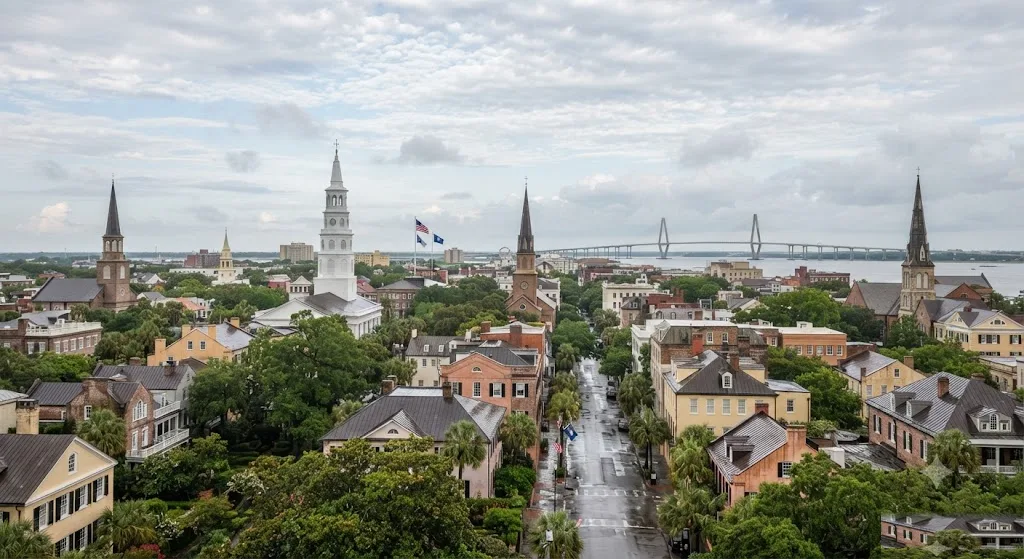
Welcome to our comprehensive guide to the Charleston Historic District South Carolina. Our team has explored the cobblestone streets, admired the pastel-hued homes, and delved into the rich narratives that define this extraordinary destination. We're here to cut through the generic travel advice and provide you with specific, actionable insights for planning your visit. From the grand architecture and lush gardens to the poignant historical sites, the Charleston Historic District offers an immersive journey into America's past, all set within a vibrant, modern city. We’ll cover everything you need to know, from navigating its charming alleys to experiencing its unique Lowcountry culture, ensuring your trip is as enriching as it is enjoyable.
Why Visit Charleston Historic District
The Charleston Historic District isn't just a collection of old buildings; it's a living museum, a testament to centuries of American history, resilience, and beauty. What draws us back, time and again, is the unparalleled sense of stepping back in time while still enjoying contemporary comforts. Every corner reveals a story, from the antebellum mansions lining the Battery to the bustling Historic Charleston City Market that has been a hub of commerce for over 200 years. We find ourselves captivated by the intricate ironwork, the hidden courtyards, and the palpable sense of history that permeates the air. This district offers a unique blend of architectural splendor, cultural depth, and Southern charm that is simply unmatched. It's a place where history isn't just preserved; it's celebrated, inviting visitors to engage with its past in a meaningful way.
Beyond the visual appeal, the district holds immense historical significance. It played a pivotal role in major events, from the American Revolution to the Civil War, and its streets bear witness to these transformative periods. Our team believes that understanding these layers of history enriches the travel experience immensely. Whether you're a history buff, an architecture enthusiast, or simply seeking a beautiful and culturally rich escape, the Charleston Historic District provides an incredibly rewarding experience. It’s a destination that truly offers something for every curious traveler, inviting you to explore at your own pace and uncover its many secrets.
Who It's Best For
The Charleston Historic District truly appeals to a broad spectrum of travelers, but we’ve identified a few groups for whom it’s an absolute must-visit. First and foremost, history enthusiasts will find themselves in paradise. The district is a treasure trove of historical sites, from colonial-era homes to Civil War landmarks. Those with a keen interest in American history, particularly the antebellum South, slavery, and the Civil War, will find endless opportunities for exploration and learning. Architecture aficionados will also be enthralled by the diverse styles, including Georgian, Federal, Greek Revival, and Victorian, all meticulously preserved. The intricate details of the homes, the vibrant "Charleston Green" shutters, and the picturesque alleyways are a constant source of admiration for us.
Beyond history and architecture, the Charleston Historic District is ideal for couples seeking a romantic getaway. The charming streets, horse-drawn carriage tours, and exquisite dining scene create an idyllic backdrop for romance. Foodies will also be delighted by Charleston's renowned culinary scene, which blends traditional Lowcountry flavors with innovative modern cuisine. Families with older children who have an interest in history can also have a rewarding experience, though younger children might find some historical tours less engaging. Ultimately, if you appreciate beauty, history, delicious food, and a slower pace of life, this district is tailored for you. It’s less suited for travelers primarily seeking high-energy nightlife or extensive outdoor adventure within the immediate district, though those options are available elsewhere in the Charleston area.
Getting There & Parking
Navigating to and around the Charleston Historic District is straightforward, whether you're arriving by air or car. The closest major airport is Charleston International Airport (CHS), located approximately 12 miles northwest of the historic district. From CHS, you have several options for how to get to Charleston Historic District. Taxis, ride-sharing services (Uber/Lyft), and rental cars are readily available. A taxi or ride-share typically takes about 20-30 minutes, depending on traffic, and costs around $30-40. Many hotels in the historic district do not offer airport shuttles, so plan accordingly.
If you're driving, the historic district is easily accessible via major highways like I-26 and US-17. However, once you arrive, understanding Charleston Historic District parking is crucial. Street parking is limited and often metered, with rates varying but generally around $2-3 per hour, enforced Monday through Saturday from 9 AM to 6 PM. We highly recommend utilizing one of the many public parking garages. These garages are strategically located throughout the district and offer more reliable and often more affordable options for extended stays. Popular options include the garages at the Charleston Visitor Center (375 Meeting Street), the Aquarium Garage (24 Calhoun Street), and the Prioleau Street Garage (11 Prioleau Street). Daily maximums typically range from $18 to $25, though rates can fluctuate. For those wondering how to get to Charleston Historic District without a car, once you're in the district, it's incredibly walkable, and we often find ourselves leaving the car parked for days.
For getting around the district, the Charleston Area Regional Transportation Authority (CARTA) offers a free downtown shuttle service called the DASH (Downtown Area Shuttle), which has several routes connecting major attractions and parking garages. This is an excellent option for covering longer distances within the historic core without moving your car. Additionally, pedicabs are a fun and convenient way to travel shorter distances, especially in the evenings.
Top Things to Do
The Charleston Historic District is brimming with experiences, and our team has curated the absolute best. When considering things to do at Charleston Historic District, we always start with a leisurely stroll. Simply walking the cobblestone streets allows you to soak in the atmosphere and discover hidden gems. Don't miss Rainbow Row, a series of thirteen colorful Georgian houses along East Bay Street, perfect for iconic photos. The Battery, a picturesque promenade and park at the southern tip of the peninsula, offers stunning views of Charleston Harbor and Fort Sumter. It’s also one of the primary things to do in Charleston that we recommend to everyone.
- Historic House Museums: Immerse yourself in the past by touring one of the many impeccably preserved historic homes. The Nathaniel Russell House (51 Meeting Street) is a Federal-style masterpiece, open daily from 10 AM to 5 PM, with tickets costing $18 for adults. The Edmondston-Alston House (21 East Battery) offers unparalleled views of the harbor and is open Monday-Saturday 10 AM-4:30 PM, Sunday 1 PM-4:30 PM, with adult tickets at $15. These tours provide invaluable insight into Charleston’s antebellum history and architecture, making them essential things to do at Charleston Historic District.
- Carriage Tours: A horse-drawn carriage tour is a quintessential Charleston experience. Multiple companies operate from the Visitor Center, offering narrated tours that provide historical context and anecdotes as you clip-clop through the streets. Tours typically last about an hour and cost around $45-55 per person.
- Charleston City Market: For over two centuries, this historic market has been a vibrant hub. You'll find everything from local Gullah sweetgrass baskets (a unique Charleston craft) to souvenirs and local delicacies. It's open daily from 9:30 AM to 5 PM.
- Waterfront Park: Home to the iconic Pineapple Fountain, Waterfront Park offers serene views of the harbor, perfect for a relaxing break.
- Museums: The Charleston Museum (360 Meeting Street), founded in 1773, is America's first museum and offers extensive exhibits on Lowcountry history. It's open Monday-Saturday 9 AM-5 PM, Sunday 12 PM-5 PM, with adult admission at $15. For a deeper dive into the city's maritime and military history, a visit to Fort Sumter National Monument is highly recommended, accessible via ferry from Liberty Square.
- Dining: Charleston is a culinary powerhouse. From upscale dining to casual Lowcountry eateries, the options are endless. We recommend trying local specialties like shrimp and grits, she-crab soup, and oysters. Reservations are often essential for popular spots, especially on weekends.
- Shopping on King Street: For those who enjoy retail therapy, King Street offers a mix of high-end boutiques, antique shops, and local stores.
- Ghost Tours: As one of America's oldest cities, Charleston has its share of spooky tales. Evening ghost tours offer a fun and eerie way to explore the district's darker history.
These are just a few of the many things to do in Charleston. For those looking to venture slightly outside the immediate historic district, we also highly recommend visiting Magnolia Plantation and Gardens, a short drive away, for its stunning natural beauty and rich history.
Best Time to Visit
Choosing the best time to visit Charleston Historic District significantly impacts your experience, primarily due to weather and crowd levels. Our team consistently recommends spring (March to May) and fall (September to November) as the ideal seasons. During these months, the weather is exceptionally pleasant, with comfortable temperatures ranging from the 60s to 70s Fahrenheit. The humidity is lower, making it perfect for exploring on foot, and the city's famous gardens are in full bloom in spring, adding to the picturesque charm. You'll find fewer crowds than in the peak summer months, though these are still popular times, so booking accommodations and popular tours in advance is advisable.
Summer (June to August) brings heat and high humidity, with temperatures often soaring into the 90s Fahrenheit. While the city is still vibrant, the intense heat can make extended outdoor exploration uncomfortable. Afternoon thunderstorms are also common. If you do visit in summer, we suggest planning indoor activities for the hottest parts of the day and taking advantage of early mornings and evenings. Winter (December to February) offers the fewest crowds and cooler temperatures, typically in the 50s and 60s Fahrenheit. While some attractions might have reduced hours, it’s a peaceful time to visit if you prefer a quieter experience and don't mind bundling up. Ultimately, for the most enjoyable and comfortable exploration of the Charleston Historic District, aim for spring or fall.
Where to Stay Nearby
Staying within or very close to the Charleston Historic District is key to an immersive experience, allowing you to walk to most attractions. Our team has found that the best accommodations blend historic charm with modern amenities. Here are a few recommendations across different price points:
- Luxury:
- The Spectator Hotel (67 State Street): An award-winning boutique hotel known for its personalized butler service, elegant decor, and prime location just steps from the City Market.
- The Dewberry Charleston (334 Meeting Street): Housed in a beautifully restored mid-century building, The Dewberry offers sophisticated design, a rooftop bar, and excellent amenities, situated at the edge of the historic district.
- Mid-Range:
- HarbourView Inn (2 Vendue Range): Offering stunning views of Charleston Harbor, this charming inn provides comfortable rooms, complimentary breakfast, and a fantastic location near Waterfront Park.
- Hotel Emeline (188 Church Street): A stylish and vibrant hotel with a focus on local artistry and design, located conveniently near the City Market and historic sites.
- Boutique & Budget-Friendly (relatively):
- The Meeting Street Inn (173 Meeting Street): A more modest but well-located option, offering clean rooms and a classic Charleston feel, ideal for those who prioritize location over extensive amenities.
- French Quarter Inn (166 Church Street): While still on the higher end of mid-range, its exceptional service, evening wine and cheese reception, and prime French Quarter location make it a beloved choice.
Many of these hotels are within walking distance of popular attractions, dining, and shopping. We always recommend booking well in advance, especially during peak seasons (spring and fall), as the best options tend to fill up quickly. Consider hotels that offer parking, as this can save you the hassle of finding public garages, though many do charge an additional daily fee for parking.
Sample 2-Day Itinerary
To truly experience the Charleston Historic District, we recommend at least two full days. This sample 2-day itinerary is designed to give you a comprehensive taste of the city’s history, charm, and culinary delights, covering the best things to do in Charleston. It’s a packed schedule, but one that ensures you hit all the highlights.
Day 1: History, Homes, and Harbor Views
- Morning (9:00 AM - 12:30 PM): Start your day with a guided walking tour or a horse-drawn carriage tour from the Visitor Center (375 Meeting Street). This provides an excellent overview of the Charleston Historic District South Carolina and its rich history. Afterward, visit the Nathaniel Russell House (51 Meeting Street) for a tour of its stunning architecture and gardens.
- Lunch (12:30 PM - 1:30 PM): Grab a casual lunch at a spot near the market, perhaps a classic Lowcountry sandwich or salad.
- Afternoon (1:30 PM - 5:00 PM): Explore the Historic Charleston City Market, browsing local crafts and sweetgrass baskets. Then, walk south towards the Battery, admiring the grand mansions along the way. Spend time at Waterfront Park, enjoying the Pineapple Fountain and harbor views.
- Evening (6:00 PM onwards): Enjoy a sophisticated dinner at one of Charleston's acclaimed restaurants (reservations highly recommended). Consider a post-dinner stroll along the Battery or a ghost tour for a different perspective on the city.
Day 2: Museums, Markets, and More
- Morning (9:00 AM - 12:00 PM): Delve deeper into history with a visit to the Charleston Museum (360 Meeting Street), America's first museum, or take a ferry to Fort Sumter National Monument for a powerful historical experience.
- Lunch (12:00 PM - 1:00 PM): Find a charming cafe in the French Quarter or near King Street for a light bite.
- Afternoon (1:00 PM - 5:00 PM): Spend your afternoon exploring King Street's boutiques and antique shops, or visit the Edmondston-Alston House (21 East Battery) for another glimpse into antebellum life with stunning harbor views. Alternatively, for a change of pace, consider a short drive to Magnolia Plantation and Gardens for its beautiful natural setting.
- Evening (6:00 PM onwards): Indulge in a final Lowcountry dinner, perhaps trying a restaurant you couldn't fit in on Day 1. Consider a sunset harbor cruise for a memorable farewell to Charleston.
This Charleston Historic District itinerary provides a robust two days, but remember to build in time for spontaneous discoveries and relaxation. This sample itinerary offers a great starting point for things to do in Charleston, allowing you to tailor it to your interests.
Visiting With Kids
Exploring the Charleston Historic District with kids can be a fantastic educational and enjoyable experience, provided you plan activities that cater to their interests and attention spans. Our team believes that while some historical tours might be a bit dry for younger children, there are plenty of engaging options to keep them entertained. When visiting Charleston Historic District with kids, we recommend focusing on interactive experiences and outdoor adventures.
- South Carolina Aquarium (100 Aquarium Wharf): Located just outside the main historic district, the Aquarium is a guaranteed hit with children of all ages. It's open daily from 9 AM to 5 PM, with adult tickets around $35 and children's tickets (3-12) around $28.
- Children's Museum of the Lowcountry (25 Ann Street): This hands-on museum offers interactive exhibits designed specifically for younger children, making it an excellent stop when visiting Charleston Historic District with kids. It's typically open Tuesday-Saturday, 9 AM-5 PM, with admission around $12 per person.
- Waterfront Park & Pineapple Fountain: Kids love splashing in the Pineapple Fountain (seasonal) and playing in the open spaces of Waterfront Park. It’s a great spot to let them burn off some energy.
- Fort Sumter National Monument: For older children, a ferry trip to Fort Sumter can be a powerful and educational experience, bringing history to life. The boat ride itself is often an adventure for them.
- Carriage Tours: Horse-drawn carriage tours can be exciting for kids, offering a novel way to see the city without too much walking. Request a tour that focuses more on general history and less on intricate architectural details if you have younger ones.
- Charleston City Market: The bustling market with its unique crafts, especially the sweetgrass basket weavers, can capture a child's imagination.
- Ghost Tours: For pre-teens and teenagers, an evening ghost tour can be a thrilling and memorable way to learn about Charleston's spooky legends.
Remember to build in breaks, carry snacks and water, and be flexible with your itinerary. Many restaurants in the historic district are family-friendly, but it's always wise to check menus beforehand. Visiting Charleston Historic District with kids is about balancing historical exploration with fun and engaging activities.
Is It Worth Visiting?
Without a doubt, our team firmly believes that the Charleston Historic District is worth visiting. This isn't just another charming Southern town; it’s a destination that consistently delivers on its promise of history, beauty, and hospitality. The question "is Charleston Historic District worth visiting" is one we answer with an emphatic yes, every single time. From the moment you step onto its gas-lamp-lit streets, you're enveloped in an atmosphere that is both grand and inviting. The meticulous preservation of its architecture, the vibrant culinary scene, and the profound historical narratives combine to create an experience that is truly unique in the United States.
What sets it apart is the depth of experience it offers. It’s not merely about seeing old buildings; it's about understanding the complex tapestry of American history, from the struggles for independence to the Civil War, and the enduring Gullah culture. The city manages to honor its past while embracing the present, offering world-class dining, boutique shopping, and a thriving arts scene alongside its historical treasures. For those still pondering, "is Charleston Historic District worth visiting," consider its consistent ranking among top travel destinations globally. It’s a place that leaves a lasting impression, inspiring visitors to return and discover even more of its charm. We find that the blend of educational opportunities, aesthetic pleasure, and genuine Southern warmth makes it an unparalleled travel destination for anyone seeking a rich and memorable escape.
FAQ
Charleston Historic District tips
Our top tips for visiting the Charleston Historic District include wearing comfortable shoes for extensive walking, booking popular tours and restaurants in advance, especially during peak seasons (spring and fall), and staying hydrated, particularly in warmer months. Consider starting your day early to beat the crowds and the heat, and don't be afraid to wander off the main streets to discover hidden alleys and gardens. Utilize the free DASH shuttle for longer distances within the district, and always look up to admire the intricate architectural details.
Charleston Historic District parking
Charleston Historic District parking is best managed by utilizing one of the many public parking garages located throughout the area. While limited street parking is available, it is often metered and can be hard to find. We recommend garages such as the Charleston Visitor Center Garage (375 Meeting Street), the Aquarium Garage (24 Calhoun Street), or the Prioleau Street Garage (11 Prioleau Street). Daily maximums typically range from $18 to $25. Many hotels also offer valet parking for an additional fee.
best time to visit Charleston Historic District
The best time to visit Charleston Historic District is during the spring (March to May) and fall (September to November). These seasons offer pleasant temperatures, lower humidity, and fewer crowds compared to the summer. The spring months showcase the city's beautiful gardens in full bloom, while fall brings comfortable weather perfect for walking tours and outdoor dining. Summer can be very hot and humid, and winter is quieter with cooler temperatures.
Charleston Historic District hours and fees
The Charleston Historic District itself does not have specific hours or an entrance fee, as it is a living part of the city. However, individual attractions within the district do have their own operating hours and admission fees. For example, the Nathaniel Russell House is open daily from 10 AM to 5 PM with adult tickets at $18, and the Charleston Museum is open Monday-Saturday 9 AM-5 PM, Sunday 12 PM-5 PM, with adult admission at $15. We always recommend checking the specific websites of attractions you plan to visit for the most current 2026 hours and pricing.
Charleston Historic District travel guide
Our Charleston Historic District travel guide emphasizes immersive historical exploration, culinary delights, and experiencing genuine Southern charm. We recommend starting with a walking or carriage tour to get acquainted with the area, then delving into historic house museums like the Nathaniel Russell House. Don't miss Rainbow Row, the Battery, and the Historic Charleston City Market. Plan for at least two full days to fully appreciate the district, and consider a day trip to nearby attractions like Magnolia Plantation and Gardens or Fort Sumter National Monument.
Charleston Historic District itinerary
A recommended Charleston Historic District itinerary for two days includes: Day 1: Morning carriage tour, Nathaniel Russell House, lunch, afternoon at Charleston City Market, Waterfront Park, and dinner. Day 2: Morning visit to the Charleston Museum or Fort Sumter, lunch, afternoon shopping on King Street or Edmondston-Alston House tour, and a final Lowcountry dinner. This itinerary balances historical insights with leisure and culinary experiences, ensuring you capture the essence of the Charleston Historic District.
Our team's verdict: The Charleston Historic District is an essential American travel experience. Its blend of profound history, stunning architecture, and vibrant culture creates an unforgettable journey. We encourage every traveler to immerse themselves in its unique charm and discover why it remains one of our nation's most beloved destinations.
Last updated: 2026-07-08 by the Roam States team.