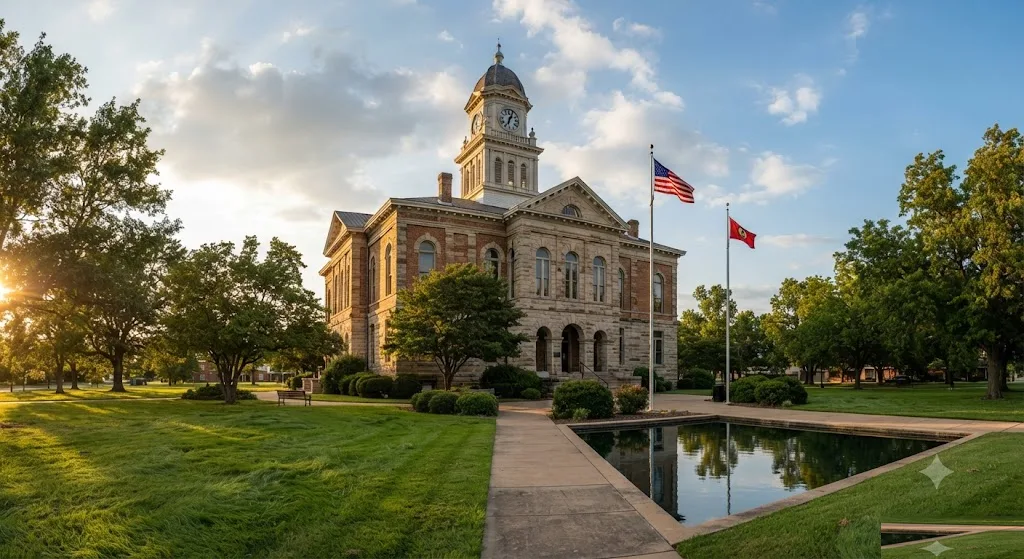
Our Cherokee National Capitol guide covers practical planning for Cherokee National Capitol Oklahoma — best time to visit, getting there, and what to do on the ground.
As the Roam States editorial team, we’ve explored countless corners of the US, but few destinations resonate with the historical depth and cultural significance of the Cherokee National Capitol Oklahoma. This isn't just a building; it's a living testament to the resilience, sovereignty, and enduring spirit of the Cherokee Nation. Our team is dedicated to bringing you the most authentic and actionable travel advice, cutting through generic fluff to deliver what you truly need to plan a meaningful visit.
Why Visit Cherokee National Capitol
Visiting the Cherokee National Capitol offers a profound journey into one of America's most significant Native American histories. This isn't merely a stop on a road trip; it's an immersion into the heart of a sovereign nation's past and present. The Capitol building itself, completed in 1869, served as the seat of the Cherokee Nation government until 1907, housing its executive, legislative, and judicial offices. It stands as a powerful symbol of the Cherokee people's ability to rebuild and thrive after the forced removal known as the Trail of Tears.
Today, the renovated Cherokee National Capitol is home to the Cherokee National History Museum. Here, we discover the intricate story of the Cherokee Nation through immersive exhibits and augmented reality presentations, showcasing artifacts on loan from prestigious institutions like the Smithsonian. The museum delves into pre-contact life, the devastating impact of the Trail of Tears, the Civil War era, and the modern-day Cherokee Nation, highlighting their resilience and cultural continuity. It’s a chance to understand tribal law, governance, and the rich cultural traditions that continue to shape the largest tribe in the United States.
Who It's Best For
The Cherokee National Capitol is an essential destination for history enthusiasts, cultural travelers, and anyone seeking a deeper understanding of Native American heritage. Educators and students will find the immersive exhibits and historical context invaluable for learning about tribal sovereignty, forced migration, and cultural preservation. Families with older children can engage with the interactive displays and gain a profound appreciation for the Cherokee story. While younger children might find some of the historical details complex, the broader cultural experience and related sites in Tahlequah offer plenty to capture their interest (more on visiting with kids in our FAQ). Ultimately, it's for anyone who values authentic storytelling and wishes to connect with a pivotal piece of American history often overlooked in mainstream narratives.
Getting There & Parking
When planning how to get to Cherokee National Capitol, you'll find it conveniently located in downtown Tahlequah, Oklahoma, the capital of the Cherokee Nation. Tahlequah is nestled in the foothills of the Ozarks, making it a scenic drive from various points in Oklahoma and neighboring states.
For those driving, the address for the Cherokee National History Museum, located within the Capitol building, is 101 S Muskogee Ave, Tahlequah, OK 74464. Our team found that parking is generally available in the vicinity of the Capitol building. While there isn't a dedicated large parking garage directly at the Capitol, downtown Tahlequah offers street parking and public lots. We recommend arriving earlier in the day, especially during peak season or for special events, to secure the best spots. The city of Tahlequah is also considering capital improvement projects for parking in various areas, including the Tahlequah Public Library, which might improve overall downtown parking in the future. There are no specific reservation requirements for visiting the Cherokee National Capitol itself. Admission to the Cherokee National History Museum is free.
Top Things to Do
There are many things to do at Cherokee National Capitol and in the surrounding area, offering a rich cultural and historical experience. Our team recommends dedicating ample time to truly absorb the significance of this site and the vibrant community of Tahlequah.
Explore the Cherokee National History Museum
At the heart of your visit to the Cherokee National Capitol is the Cherokee National History Museum. Housed within the historic Capitol building, this museum offers an extraordinary account of Cherokee life, from pre-contact times through the Trail of Tears, the Civil War, and into the present day. You'll find interactive exhibits, artifacts, and augmented reality presentations that bring the Cherokee story to life. Learning about the Cherokee syllabary and engaging with workshops in authentic Cherokee arts and crafts are also available.
Visit the Cherokee National Supreme Court Museum
Just steps away from the Capitol, the Cherokee National Supreme Court Museum provides a fascinating look into Cherokee governance and justice systems. This historic building underscores how the Cherokee Nation established its own laws and courts long before Oklahoma achieved statehood. It’s a compelling complement to your understanding of Cherokee sovereignty.
Discover the Cherokee National Prison Museum
The Cherokee National Prison Museum, also located downtown, was the only prison in Indian Territory at the end of the 19th century. This intriguing museum details the history of law and order within the Cherokee Nation and how their legal system evolved alongside US law. The admission fee for adults is $5, and for seniors and students, it's $3.
Walk the Cherokee Cultural Pathway
Connecting the Cherokee National History Museum, the Cherokee National Supreme Court Museum, and the Cherokee National Prison Museum is the Cherokee Cultural Pathway. This beautifully landscaped path not only enhances accessibility but also features permanent and rotating large-scale art installations by Cherokee artists, celebrating their culture and heritage. The pathway is open daily, 24/7, and admission is free.
Explore Downtown Tahlequah
Beyond the Capitol, there are many things to do in Tahlequah. Wander through the Tahlequah Original Historic District, where street signs are in both English and Cherokee. The Spider Gallery, a contemporary space in downtown Tahlequah, showcases rotating exhibitions of painting, sculpture, jewelry, and other art by Cherokee artists, demonstrating the ongoing evolution of Cherokee culture. You can also enjoy local eateries like Drip for coffee and crepes, or Sam & Ella's Chicken Palace for pizza.
Experience the Cherokee Heritage Center
A short drive from downtown Tahlequah, in Park Hill, is the Cherokee Heritage Center. Here, you can time travel to Diligwa, a re-created 1710 Cherokee Village, and explore a permanent exhibit about the Trail of Tears, developed in conjunction with the National Park Service. The Hunter's Home, a preserved 19th-century plantation home, offers insight into Cherokee life before the Civil War. The Cherokee Nation museums, including the Cherokee National History Museum, Supreme Court Museum, and Prison Museum, are open Tuesday through Saturday from 10 AM to 4 PM, and admission is free. Hunter's Home is open Tuesday-Saturday from 9 AM to 4:30 PM. Admission for adults is $8, for kids aged 6-18 it's $5, and families up to 6 people can enter for $30.
For more adventures in the state, be sure to check out our guide to the Best Places in Oklahoma.
Best Time to Visit
The best time to visit the Cherokee National Capitol and Tahlequah largely depends on your preference for weather and crowd levels. Our team finds that for warm-weather activities, early May to early October is ideal. During this period, the weather in Tahlequah is generally comfortable, making it perfect for exploring the outdoor attractions and enjoying the scenic beauty of Green Country.
Spring (April and May) is particularly vibrant, with downtown events like Crawfest (April 17–18, 2026), the Red Fern Festival (April 24–25, 2026), and Fiesta de Mayo (May 2, 2026). The Illinois River and Lake Tenkiller also start to become active with floating, kayaking, and fishing. However, May is also the month with the highest precipitation.
Summer (June through September) is hot and muggy, with July being the hottest month, averaging a high of 92°F. July 2026 forecasts show daily highs ranging from 90° to 100°F. While hot, this is peak season for water activities on the Illinois River and Lake Tenkiller.
Fall (September and October) offers cooler temperatures and beautiful foliage, making it a pleasant time for outdoor exploration. The Cherokee National Holiday, commemorating the signing of the Cherokee Nation Constitution in 1839, is held annually over Labor Day weekend in Tahlequah (September 4-6, 2026). This is a significant cultural event that draws many visitors.
Winter (November through February) is very cold, with January being the coldest month, averaging a low of 28°F. While outdoor activities are limited, visiting during the colder months means fewer crowds at indoor attractions like the museums, allowing for a more intimate experience.
Where to Stay Nearby
When considering Cherokee National Capitol lodging, Tahlequah offers a range of options, from well-known hotel chains to charming local accommodations. Our team recommends booking in advance, especially during popular festival weekends or the Cherokee National Holiday, as rooms can fill up quickly.
Several hotels are conveniently located near the Cherokee National Capitol, providing easy access to the historic sites. The Days Inn & Suites by Wyndham Tahlequah, Best Western NSU Inn, Holiday Inn Express & Suites Tahlequah by IHG, and Tru by Hilton Tahlequah are popular choices, many offering amenities like free WiFi and parking. For instance, the Days Inn & Suites Tahlequah is often listed as a popular and budget-friendly option. The Holiday Inn Express & Suites Tahlequah by IHG is noted for its modern accommodations, indoor pool, fitness center, and complimentary breakfast.
If you're looking for something with a more local feel, consider independent motels or vacation rentals in and around Tahlequah. Options like the Tahlequah Motor Lodge are less than two miles from the Capitol. For those seeking a unique experience, rustic cabins or ranch houses are available within a short drive, especially if you plan to enjoy the natural beauty of the Illinois River or Lake Tenkiller. Many hotels in Tahlequah also offer free cancellation, providing flexibility for your travel plans.
Sample 2-Day Itinerary
Day 1: Immersion in Cherokee History
- **Morning (9:00 AM - 12:00 PM):** Begin your visit at the Cherokee National Capitol Oklahoma. Explore the Cherokee National History Museum, delving into the exhibits that cover pre-contact life, the Trail of Tears, and modern Cherokee Nation sovereignty. Allow at least 2-3 hours to fully appreciate the artifacts and interactive displays.
- **Lunch (12:00 PM - 1:00 PM):** Enjoy lunch at a local Tahlequah eatery. Consider Drip for coffee and crepes, or Sam & Ella's Chicken Palace for a classic pizza experience.
- **Afternoon (1:00 PM - 4:00 PM):** Continue your historical journey by walking the Cherokee Cultural Pathway. Visit the Cherokee National Supreme Court Museum and the Cherokee National Prison Museum, both offering unique insights into Cherokee governance and justice.
- **Late Afternoon (4:00 PM - 5:30 PM):** Browse the Spider Gallery in downtown Tahlequah, showcasing contemporary Cherokee art. Take some time to explore the shops in the Tahlequah Original Historic District.
- **Evening:** Dinner at a local restaurant.
Day 2: Culture, Nature & Reflection
- **Morning (9:30 AM - 1:00 PM):** Drive to the Cherokee Heritage Center in Park Hill (about 6 miles south of downtown). Explore Diligwa, the re-created 1710 Cherokee Village, and the Trail of Tears exhibit. Consider a guided tour of Hunter's Home for a glimpse into 19th-century Cherokee life.
- **Lunch (1:00 PM - 2:00 PM):** Have lunch at the Cherokee Heritage Center, if available, or head back towards Tahlequah for another local dining spot.
- **Afternoon (2:00 PM - 5:00 PM):** Embrace Tahlequah's natural beauty. Depending on the season, consider a float trip on the Illinois River or spend time at Lake Tenkiller for boating, fishing, or simply enjoying the views. If you prefer a more relaxed pace, explore one of Tahlequah's parks or walking trails.
- **Late Afternoon/Evening:** If your visit aligns with an event, check out local happenings like the Tahlequah Farmers' Market (Saturdays 8 AM to noon) or a "Stories on the Square" event.
Our team believes that a visit to the Cherokee National Capitol is more than just a historical tour; it's an opportunity to connect with a thriving culture and understand the profound impact of the Cherokee Nation on American history. The depth of experience here is truly unmatched.
FAQ Longtails
Cherokee National Capitol with kids
Visiting the Cherokee National Capitol with kids can be a rewarding educational experience, especially for older children who can grasp the historical context. The Cherokee National History Museum, housed within the Capitol, features interactive exhibits and augmented reality presentations that can engage younger audiences. Additionally, the Cherokee Cultural Pathway, with its Native art installations, provides an interesting outdoor walk between the museums. For a more hands-on experience, the Cherokee Heritage Center, a short drive away, offers the re-created 1710 Cherokee Village of Diligwa, which can be particularly captivating for children. Tahlequah also has parks and outdoor activities, like floating on the Illinois River or visiting Lake Tenkiller, which are great for families.
best hotels near Cherokee National Capitol
For the best hotels near Cherokee National Capitol, our team recommends several options in Tahlequah that offer convenience and comfort. Popular choices include the Days Inn & Suites by Wyndham Tahlequah, Best Western NSU Inn, Holiday Inn Express & Suites Tahlequah by IHG, and Tru by Hilton Tahlequah. Many of these hotels provide amenities such as free WiFi, parking, and in some cases, pools. The Tahlequah Motor Lodge is also noted for being less than two miles from the Capitol. Booking in advance is advisable, especially during peak travel times or major events like the Cherokee National Holiday.
Cherokee National Capitol tips
To make the most of your visit to the Cherokee National Capitol, our team offers these tips: Plan to spend at least half a day exploring the Capitol and the adjacent museums (Supreme Court and Prison) to fully appreciate the exhibits. Take advantage of the free admission to the Cherokee National History Museum. Wear comfortable walking shoes, as you'll be on your feet exploring the various sites and the Cherokee Cultural Pathway. Consider visiting during the spring or fall for pleasant weather and fewer crowds, though summer offers more outdoor water activities. Check the Cherokee Nation's official website for any special events, cultural demonstrations, or temporary exhibit closures before your visit. Respect tribal protocols, especially regarding photography in ceremonial spaces, particularly during events like the Cherokee National Holiday.
where to stay near Cherokee National Capitol
When deciding where to stay near Cherokee National Capitol, Tahlequah provides numerous choices. Hotels such as Days Inn & Suites by Wyndham Tahlequah, Best Western NSU Inn, Holiday Inn Express & Suites Tahlequah by IHG, and Tru by Hilton Tahlequah are all well-regarded and close to the main attractions. These accommodations often feature free parking and Wi-Fi. For those seeking alternatives to traditional hotels, Tahlequah also offers vacation rentals, including charming cottages and rustic cabins, particularly appealing if you plan to explore the natural surroundings like the Illinois River. Booking in advance is highly recommended, especially if your visit coincides with local festivals or the Cherokee National Holiday.
Cherokee National Capitol parking
For Cherokee National Capitol parking, visitors will find options available in downtown Tahlequah. While there isn't a dedicated parking structure specifically for the Capitol building, street parking and public lots are generally accessible in the surrounding downtown area. Our team advises arriving earlier in the day to secure the most convenient spots, especially during special events or peak tourist seasons. Admission to the Cherokee National History Museum, located within the Capitol, is free, and there are no specific parking fees directly associated with the museum itself. The Cherokee Cultural Pathway, which connects several historic sites, is also free and accessible. The city of Tahlequah is actively planning capital improvement projects that include new parking areas in various locations, which may further enhance parking availability in the future.
best time to visit Cherokee National Capitol
The best time to visit Cherokee National Capitol for a comfortable and engaging experience is typically during the spring (April-May) or fall (September-October). Spring offers pleasant weather, vibrant local festivals like the Red Fern Festival (April 24–25, 2026), and the awakening of outdoor activities on the Illinois River and Lake Tenkiller. Fall provides cooler temperatures, beautiful foliage, and the significant Cherokee National Holiday (September 4-6, 2026). While summer (June-August) is hot and humid, it's ideal for water-based recreation. Winter (November-February) is cold but offers fewer crowds at indoor attractions. Ultimately, early May to early October is generally recommended for warm-weather activities.
For those interested in exploring more of Oklahoma's rich history and diverse attractions, consider visiting the Oklahoma City National Memorial, a powerful tribute to resilience, or the National Cowboy & Western Heritage Museum, celebrating the spirit of the American West. These destinations, like the Cherokee National Capitol, offer invaluable insights into the state's unique character.
Last updated: 2026-07-08 by the Roam States team.