Our Cherokee National History Museum guide covers practical planning for Cherokee National History Museum Oklahoma — best time to visit, getting there, and what to do on the ground.
As independent US travel authorities, our team at Roam States is dedicated to bringing you the most authentic and actionable travel advice. When it comes to delving into the rich tapestry of Native American history and culture, few destinations offer an experience as profound and educational as the Cherokee National History Museum Oklahoma. Part of the larger Cherokee Heritage Center, this museum in Tahlequah, Oklahoma, serves as a vital gateway to understanding the enduring legacy of the Cherokee Nation, from their ancient origins to their modern-day resilience.
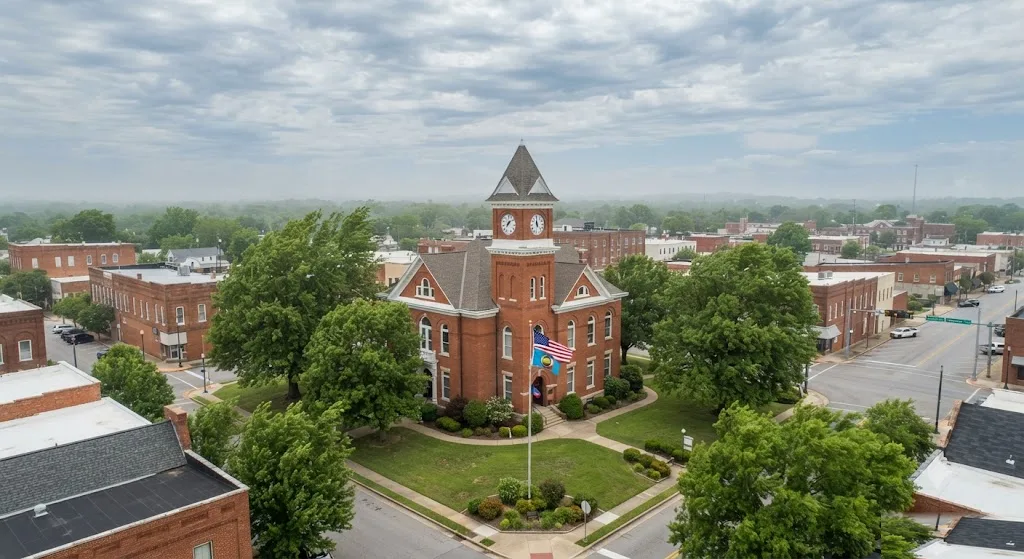
We believe that understanding the past is crucial for appreciating the present, and the Cherokee National History Museum provides an unparalleled opportunity to do just that. Housed within the historic Cherokee National Capitol building in downtown Tahlequah, the museum offers over 7,000 square feet of exhibits, showcasing tribal art, artifacts, and interactive presentations that bring the Cherokee story to life.
Why Visit Cherokee National History Museum
Visiting the Cherokee National History Museum is an essential experience for anyone seeking a deeper understanding of American history, beyond what is often taught in textbooks. This isn't just a collection of artifacts; it's a narrative of survival, adaptation, and cultural preservation. The museum vividly recounts the Cherokee story, from their life before European contact, through the harrowing Trail of Tears, to their remarkable rebuilding and continued sovereignty in the modern era.
What truly sets this museum apart is its immersive approach. You'll find state-of-the-art interactive augmented reality presentations that allow you to engage with the exhibits in a dynamic way. Imagine exploring an art installation depicting one of the Cherokee Nation's origin stories, or using a device to delve deeper into various artworks and historical displays. The museum also features authentic artifacts on loan from prestigious institutions like the Smithsonian Institution, Gilcrease Museum, Oklahoma Historical Society, and Cherokee National Archives, offering a tangible connection to the past.
The building itself, the Cherokee National Capitol, is a historical exhibit. Originally built in 1869 to replace structures destroyed during the Civil War, it housed the tribe's executive, legislative, and judicial offices until 1906. Its restoration and current use as the museum underscore the Cherokee Nation's commitment to preserving and sharing its heritage. For us, it represents a powerful testament to the strength and spirit of the Cherokee people.
Who It's Best For
The Cherokee National History Museum caters to a wide array of visitors, making it a compelling destination for many. We find it particularly ideal for:
- **History Buffs:** Those with a keen interest in Native American history, particularly the Cherokee Nation, will find the comprehensive exhibits and in-depth narratives incredibly rewarding. The museum covers pre-contact life, the devastating Trail of Tears, the Civil War era, and modern Cherokee Nation history, offering a nuanced and complete picture.
- **Families with Older Children:** The interactive exhibits and augmented reality presentations are designed to engage younger audiences, making complex historical events more accessible and memorable. Workshops in authentic Cherokee arts and crafts also provide a hands-on learning experience.
- **Cultural Enthusiasts:** Visitors looking to immerse themselves in Cherokee culture, from traditional art and storytelling to understanding the Cherokee syllabary, will find rich opportunities for engagement.
- **Educators and Students:** The museum offers a valuable educational resource, providing primary source information and a deeper understanding of Indigenous perspectives often missing from standard curricula.
- **Anyone Seeking a Meaningful Travel Experience:** If you're looking to connect with a powerful narrative of resilience and cultural pride, rather than just a superficial tourist attraction, the Cherokee National History Museum Oklahoma will resonate deeply.
While younger children might enjoy some interactive elements, the depth of historical information might be best appreciated by those aged 8 and up. However, the broader Cherokee Heritage Center, which includes living history villages, offers attractions suitable for all ages.
Getting There & Parking
How to Get There
The Cherokee National History Museum is conveniently located in downtown Tahlequah, Oklahoma, at 101 S Muskogee Ave, 74464. Tahlequah itself is the capital of the Cherokee Nation and a vibrant college town.
If you're driving from Oklahoma City, expect a journey of approximately 2.5 to 3 hours, heading east on I-40 and then north on various state highways. From Tulsa, the drive is much shorter, typically around an hour to an hour and a half, generally heading southeast on US-62. We always recommend checking current traffic conditions before you depart.
Parking
Parking for the Cherokee National History Museum is generally available in the downtown Tahlequah area. While specific dedicated museum parking isn't always highlighted, the museum is situated on the main town square, suggesting street parking or nearby public lots would be accessible. For visitors with disabilities, handicapped parking is available. Our team advises arriving a bit early, especially on weekends or during special events, to secure the most convenient spot. There are no specific reservation requirements for general admission or parking at the museum itself.
Top Things to Do
A visit to the Cherokee National History Museum is just one part of a rich cultural immersion in Tahlequah. Our team recommends dedicating ample time to fully explore the museum and its surrounding attractions. Here are the top things to do:
Things to Do at Cherokee National History Museum
- **Explore the Permanent Exhibits:** Dive into the comprehensive narrative of the Cherokee people, from their pre-contact life and rich cultural traditions to the forced removal known as the Trail of Tears, and their subsequent rebuilding and modern-day sovereignty. The exhibits span over 7,000 square feet and feature timeless art, artifacts, and tribal heritage.
- **Engage with Interactive Displays:** The museum utilizes state-of-the-art augmented reality presentations and interactive elements to bring history to life. These are excellent for understanding complex historical events and cultural practices.
- **Discover the Trail of Tears Gallery:** This poignant gallery details the tribe's forced removal to Indian Territory in the 1830s, offering a crucial historical perspective.
- **Learn Cherokee Arts and Crafts:** Visitors can participate in workshops focused on authentic Cherokee arts and crafts, providing a hands-on experience with traditional skills.
- **Study the Cherokee Syllabary:** Gain an appreciation for the written Cherokee language by learning about Sequoyah's syllabary, a remarkable achievement in Indigenous literacy.
- **View Special Exhibits:** The museum frequently hosts temporary exhibits. For instance, from June 30, 2026, to May 8, 2027, the "Declarations of Sovereignty: The Cherokee Response to Revolution" exhibit will be on display. Another exhibit, "Since the First Fire: The Living Legacy of Cherokee Art," explores the endurance of Cherokee artistic creation.
- **Visit the Gift Shop:** Browse for unique, authentic Cherokee-made crafts, books, and souvenirs to remember your visit.
Things to Do in Tahlequah
Beyond the Cherokee National History Museum, Tahlequah offers a wealth of activities that highlight its natural beauty and deep cultural roots. We recommend exploring these options to round out your trip:
- **Explore the Cherokee Heritage Center:** While the National History Museum is in downtown Tahlequah, the larger Cherokee Heritage Center campus (located a few miles south in Park Hill) offers additional attractions. These include Diligwa, a re-created 1710 Cherokee Village with living history interpreters, and Adams Corner Rural Village, showcasing 19th-century Cherokee life. The Heritage Center also houses the Cherokee Family Research Center. Note that the Cherokee Heritage Center itself was temporarily closed as of March 2026, so it's wise to verify its operational status before planning a visit.
- **Visit Other Cherokee Nation Museums:** Tahlequah is home to several tribally-owned museums. Consider visiting the Cherokee National Supreme Court Museum and the Cherokee National Prison Museum for further insight into Cherokee governance and justice systems.
- **Float the Illinois River:** Tahlequah is known as the gateway to the Illinois River, a popular spot for canoeing, kayaking, and rafting. Spring is an excellent time for river activities.
- **Enjoy Lake Tenkiller:** Just a short drive from Tahlequah, Lake Tenkiller offers opportunities for boating, fishing, and simply relaxing by the water.
- **Discover Downtown Tahlequah:** Wander through the Tahlequah Original Historic District, where street signs are in both English and Cherokee. Explore local shops, grab a coffee, and enjoy the college town atmosphere.
- **Attend a Local Event:** Tahlequah hosts various events throughout the year. In spring 2026, events included Crawfest (April 17-18), the Red Fern Festival (April 24-25), and Fiesta de Mayo (May 2). The annual Cherokee National Holiday, commemorating the signing of the Cherokee Nation Constitution, is a major celebration with parades, traditional games, and arts and crafts. The 2026 Cherokee National Holiday will feature art and craft deadlines by June 30, 2026.
- **Experience Cherokee Arts:** Visit the Cherokee Arts Center & Spider Gallery in downtown Tahlequah, which features rotating exhibitions of contemporary Cherokee art.
- **Check out the NSU Jazz Lab or River City Players:** For evening entertainment, catch a performance at the Northeastern State University (NSU) Jazz Lab or the River City Players variety show during the summer.
For those interested in exploring more of Oklahoma's rich history and diverse attractions, we suggest visiting the Best Places in Oklahoma. You might also consider a trip to the Oklahoma City National Memorial for a solemn reflection, or the National Cowboy & Western Heritage Museum for a taste of the Old West.
Best Time to Visit
Our team finds that the best time to visit the Cherokee National History Museum and the Tahlequah area generally falls during the **spring (April-May)** and **fall (September-October)**. During these seasons, the weather is typically mild and pleasant, making it ideal for exploring both indoor and outdoor attractions.
- **Spring:** Early spring brings comfortable temperatures, and the natural landscape of Green Country, as Oklahoma is known, comes alive with lush greenery. This is also when many local festivals and outdoor activities on the Illinois River and Lake Tenkiller begin to pick up.
- **Fall:** The autumn months offer cooler temperatures and beautiful foliage, creating a picturesque backdrop for your visit. The Cherokee National Holiday, a significant cultural event, typically takes place around Labor Day weekend, making early September a vibrant time to visit.
- **Summer (June-August):** While summer can be hot and humid, it's a popular time for water activities on the Illinois River and Lake Tenkiller. The Cherokee Heritage Center has historically offered its "Under the Cherokee Moon" historical drama during summer evenings. If you plan a summer visit, we recommend scheduling indoor museum time during the hottest parts of the day.
- **Winter (November-March):** Winter can be chilly, but it's an excellent time for a more contemplative museum experience with fewer crowds. Many Cherokee Nation museums, including the National History Museum, are open Tuesday through Saturday, 10 am to 4 pm, even in winter.
Regardless of when you choose to visit, we always advise checking the museum's official website and local event calendars for specific hours, special exhibits, and any holiday closures in 2026. The museum is closed on Mondays and Sundays.
Where to Stay Nearby
Cherokee National History Museum Lodging
When planning your trip to the Cherokee National History Museum, finding comfortable and convenient Cherokee National History Museum lodging is key. Tahlequah offers a range of options, from well-known hotel chains to unique local stays. Our team has identified several highly-rated choices that put you within easy reach of the museum and other attractions:
- **Best Western NSU Inn:** Located at 101 Reasor St, this hotel is approximately 1.9 miles from the Cherokee National History Museum. It offers free hot breakfast, microwaves, refrigerators, and free high-speed internet.
- **Tru by Hilton Tahlequah:** One of the newer hotels in Tahlequah, the Tru by Hilton is conveniently situated off Highway 62 in Cherokee Springs Plaza, adjacent to Cherokee Casino Tahlequah and several dining options. It's about 3.1 miles from the Cherokee National History Museum and offers free breakfast, free WiFi, and a seasonal outdoor pool.
- **Holiday Inn Express & Suites Tahlequah:** Located at 2142 Mahaney Ave, this hotel is in the heart of Tahlequah, close to local attractions. It offers complimentary breakfast, a business center, and a pool.
- **Days Inn & Suites by Wyndham Tahlequah:** This is another solid option, offering clean rooms and friendly service. It's approximately 2.3 miles from the Cherokee Heritage Center.
- **Tenkiller Lodge:** If you prefer to be closer to nature and Lake Tenkiller, this log lodge is about 5.1 miles from the Cherokee Heritage Center and offers kid activities, a pool, free breakfast, and is pet-friendly.
- **Local Vacation Rentals and B&Bs:** For a more unique experience, consider options like The Spring Street Hideaway, a former Dari Barn Restaurant converted into a two-bedroom, one-bath Air Bed and Breakfast close to downtown Tahlequah and NSU. Other vacation homes in Tahlequah offer peaceful stays with gardens and patios.
We recommend booking your Cherokee National History Museum lodging in advance, especially during peak seasons or major events like the Cherokee National Holiday, to ensure the best availability and rates.
Sample 2-Day Itinerary
To help you make the most of your visit to the Cherokee National History Museum Oklahoma and the surrounding area, our team has crafted a sample 2-day itinerary:
Day 1: Immerse in Cherokee History & Culture
- **Morning (9:30 AM - 12:30 PM): Cherokee National History Museum**
Start your day at the heart of Tahlequah, exploring the Cherokee National History Museum. Dedicate at least 3 hours to fully engage with the interactive exhibits, artifacts, and augmented reality presentations that tell the comprehensive story of the Cherokee Nation. Pay special attention to the Trail of Tears gallery and any current special exhibits like "Declarations of Sovereignty: The Cherokee Response to Revolution" (on display through May 8, 2027). - **Lunch (12:30 PM - 1:30 PM): Downtown Tahlequah**
Enjoy lunch at a local eatery in downtown Tahlequah. Sam & Ella's Chicken Palace is a popular choice for pizza. - **Afternoon (1:30 PM - 4:30 PM): Cherokee Nation Museums & Art**
After lunch, continue your historical journey by visiting the nearby Cherokee National Supreme Court Museum and the Cherokee National Prison Museum, both offering unique insights into Cherokee governance and justice systems. Afterwards, explore the Cherokee Arts Center & Spider Gallery to appreciate contemporary Cherokee art. - **Late Afternoon (4:30 PM - 6:00 PM): Cherokee Nation Gift Shop**
Head to the Cherokee Nation Gift Shop at Cherokee Springs Plaza for authentic souvenirs and gifts. - **Evening: Dinner & Local Entertainment**
Dine at one of Tahlequah's restaurants. Depending on the season, you might catch a performance by the River City Players or at the NSU Jazz Lab.
Day 2: Outdoor Adventures & Living History
- **Morning (9:00 AM - 1:00 PM): Cherokee Heritage Center (Park Hill)**
Drive a few miles south to Park Hill to visit the Cherokee Heritage Center (verify operational status in 2026). Explore Diligwa, the re-created 1710 Cherokee Village, and Adams Corner Rural Village, where living history interpreters demonstrate traditional Cherokee life. If interested, you can also visit the Cherokee Family Research Center here. - **Lunch (1:00 PM - 2:00 PM): Picnic or Nearby Eatery**
Enjoy a picnic on the grounds of the Heritage Center (if permitted) or find a casual spot in Park Hill or back towards Tahlequah. - **Afternoon (2:00 PM - 5:00 PM): Illinois River or Lake Tenkiller**
Embrace the natural beauty of the area. Depending on your preference and the season, you can enjoy a leisurely float on the Illinois River (canoeing, kayaking, rafting), or head to Lake Tenkiller for some relaxation, fishing, or boating. - **Late Afternoon/Evening: Relax & Reflect**
Return to your lodging to relax. Consider a casual dinner and reflect on the rich history and vibrant culture you've experienced.
This itinerary is flexible and can be adjusted based on your interests and the specific events happening during your visit. Always check opening hours and any reservation requirements for individual attractions, especially for 2026. For more ideas on planning your journey, consult our Plan Your US Trip guide.
Last updated: 2026-07-08 by the Roam States team.