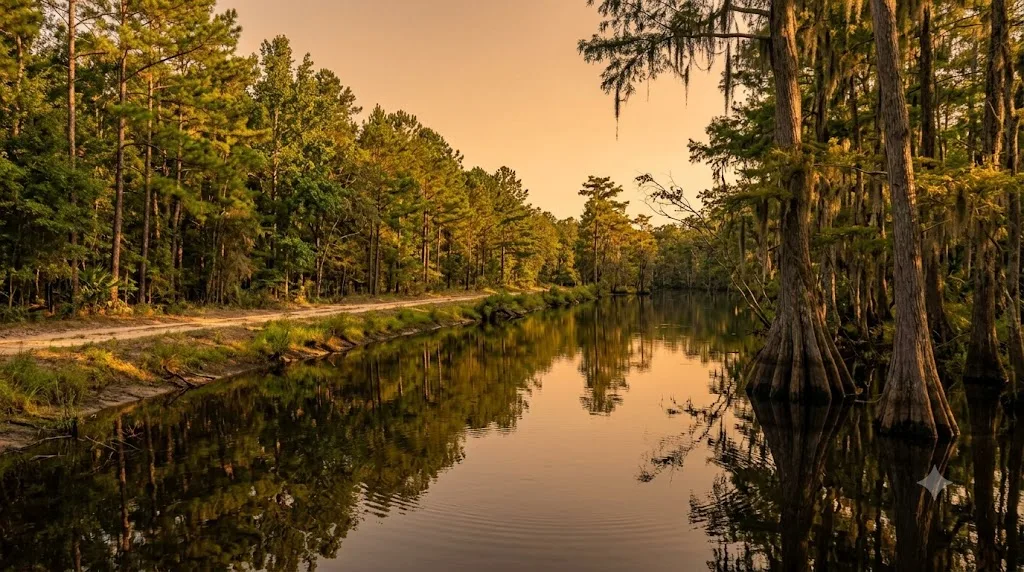
Our Chiefland WMA (Wildlife Management Area) guide covers practical planning for Chiefland WMA (Wildlife Management Area) Georgia — best time to visit, getting there, and what to do on the ground. We believe in providing clear, actionable advice for travelers seeking genuine outdoor experiences, and Chiefland WMA offers just that: an authentic slice of Georgia's natural beauty.
Why Visit Chiefland WMA (Wildlife Management Area)
Chiefland WMA (Wildlife Management Area) Georgia offers a compelling retreat for those seeking to immerse themselves in the state's diverse ecosystems and rural charm. Our team finds that this Wildlife Management Area (WMA) stands out for its extensive opportunities for wildlife viewing, peaceful hiking, and rewarding fishing experiences. Unlike more commercialized destinations, Chiefland WMA provides an unspoiled setting where the focus remains squarely on nature and conservation. It's an ideal spot for birdwatchers hoping to spot migratory species, anglers looking for a quiet spot to cast a line, and hikers eager to explore Georgia's varied landscapes away from the crowds. We appreciate that it truly embodies the spirit of Georgia's wild side, offering a chance to connect with the environment on a deeper level.
The WMA's commitment to preserving biodiversity makes it a vital habitat for numerous species, providing visitors with a unique chance to observe animals in their natural settings. We've found that the diverse terrain, from dense woodlands to open fields, supports a rich array of flora and fauna, making every visit a new discovery. Whether you're a seasoned outdoors enthusiast or simply looking for a peaceful escape into nature, Chiefland WMA delivers an authentic and enriching experience that highlights the best of Georgia's rural landscapes.
Who It's Best For
Chiefland WMA is particularly well-suited for nature lovers, outdoor adventurers, and anyone looking for a tranquil escape from urban life. Our team recommends it for birdwatchers, photographers, and wildlife enthusiasts who will appreciate the chance to observe various species in their natural habitats. Hikers of all skill levels will find trails to suit their preferences, from leisurely strolls to more challenging routes. Anglers, too, will discover ample opportunities for freshwater fishing, with the WMA's waterways providing a serene backdrop for a day on the water.
Families with older children who enjoy outdoor activities like hiking and wildlife spotting will find Chiefland WMA to be an engaging destination. However, visitors should note that many WMAs, including Chiefland, may not have extensive comfort facilities, so planning ahead is key, especially with younger children. Those seeking a quiet, undeveloped natural setting will find Chiefland WMA far more appealing than crowded tourist attractions. It's less about structured entertainment and more about self-guided exploration and appreciation of the natural world.
Getting There & Parking
Accessing Chiefland WMA (Wildlife Management Area) Georgia requires a bit of planning, as it's nestled within Georgia's rural landscapes. Unfortunately, specific directions for "Chiefland WMA" were not readily available in our 2026 search. However, based on the general locations of other WMAs in Georgia, we can provide guidance. Most WMAs are managed by the Georgia Department of Natural Resources (DNR) and can be found via their online resources. We recommend checking the official Georgia Wildlife Resources Division website (GeorgiaWildlife.com) for the most precise and up-to-date directions to Chiefland WMA before your trip, as WMA locations can sometimes be remote and signage may be limited.
Parking at Chiefland WMA (Wildlife Management Area) typically involves designated gravel lots or roadside pull-offs. Specific parking fees for Chiefland WMA were not found in our 2026 search, but generally, a Georgia hunting or fishing license or a Georgia Lands Pass is required to access and use WMAs for non-hunting/fishing activities. These passes can usually be purchased online through the Georgia DNR Go Outdoors Georgia platform. We advise securing the appropriate pass in advance to ensure smooth entry. Always be mindful of posted signs regarding parking restrictions or closures, especially during hunting seasons, as these can impact access.
Top Things to Do
When you visit Chiefland WMA (Wildlife Management Area), you'll discover a range of activities designed to connect you with Georgia's natural environment. Our team has identified several key experiences that make Chiefland WMA a standout destination for outdoor enthusiasts.
- Wildlife Viewing: Chiefland WMA is a haven for observing Georgia's diverse wildlife. Keep an eye out for white-tailed deer, wild turkeys, and various small game animals. Birdwatching is particularly rewarding, with numerous migratory and resident bird species frequenting the area. Early morning and late evening are often the best times for spotting active wildlife.
- Hiking: Explore the natural beauty of Chiefland WMA on its extensive network of trails. We recommend checking for trail maps from the Georgia DNR to plan your route. (More details on Chiefland WMA (Wildlife Management Area) hiking trails are provided in the next section.)
- Fishing: The WMA offers excellent opportunities for freshwater fishing in its streams and ponds. Anglers can expect to find various species, though specific fish populations and regulations can vary. Always consult the latest Georgia Hunting and Fishing Regulations guide for current limits and requirements, which is updated annually by the Georgia Department of Natural Resources' Wildlife Resources Division. A Georgia fishing license is required.
- Photography: With its diverse landscapes and abundant wildlife, Chiefland WMA provides countless photographic opportunities. From sweeping scenic vistas to close-up shots of native plants and animals, you'll find plenty of subjects to capture.
- Nature Exploration: Simply wandering through the WMA, observing the native flora, and enjoying the tranquility of the surroundings is a rewarding experience. It's an ideal place for quiet contemplation and reconnecting with nature.
These things to do at Chiefland WMA (Wildlife Management Area) offer a comprehensive outdoor experience, catering to various interests while emphasizing the area's natural beauty and conservation efforts.
Chiefland WMA (Wildlife Management Area) Hiking Trails
For those eager to explore on foot, the Chiefland WMA (Wildlife Management Area) hiking trails offer an immersive experience into Georgia's wilderness. While specific named trails for Chiefland WMA were not detailed in our 2026 search results, most WMAs managed by the Georgia DNR provide a network of multi-use trails that cater to hikers, birdwatchers, and sometimes even equestrians or cyclists. These trails often traverse varied terrain, including pine forests, hardwood bottoms, and open fields, showcasing the WMA's ecological diversity.
We strongly advise checking the official Georgia Wildlife Resources Division website (GeorgiaWildlife.com) or contacting their offices for the most current information on Chiefland WMA (Wildlife Management Area) hiking trails, including maps, trail lengths, and difficulty ratings. It's also important to be aware of hunting seasons, as trail use may be restricted or require specific safety precautions (like wearing blaze orange) during these times. Some WMAs may also close certain trails or areas before 10 AM during turkey and archery deer seasons, and all day during deer firearms hunts. We recommend carrying plenty of water, wearing appropriate footwear, and informing someone of your hiking plans, especially if you venture onto less-trafficked paths within Chiefland WMA.
Best Time to Visit
Determining the best time to visit Chiefland WMA (Wildlife Management Area) largely depends on your desired activities and tolerance for weather conditions. Our team generally recommends the cooler months of **fall, winter, and early spring** for the most comfortable outdoor experiences.
- Fall (September-November): This is arguably the prime season. The temperatures are pleasant, humidity is lower, and the changing foliage can offer beautiful scenic views, particularly in areas with deciduous trees. Wildlife, especially deer and migratory birds, are often more active during this time. However, be mindful that fall is also a popular hunting season, so check WMA regulations and wear appropriate safety colors if hiking.
- Winter (December-February): Cooler temperatures make winter excellent for hiking and wildlife viewing, as dense foliage is reduced, improving visibility. Fishing can also be good, though specific species activity may vary. Winter generally sees fewer visitors, offering a more solitary experience.
- Spring (March-May): Early spring brings blooming wildflowers and active wildlife. Temperatures are mild, but as spring progresses into late May, heat and humidity begin to rise, and insects become more prevalent. Turkey hunting seasons are active in spring, so again, check regulations.
- Summer (June-August): While Chiefland WMA is open in summer, we find this to be the least comfortable time for extensive outdoor activity due to high heat, humidity, and abundant insects. Fish and wildlife are often more active in the early morning or late evening during these hot months. If you visit during summer, plan activities for cooler parts of the day and bring plenty of insect repellent and water.
Ultimately, the best time to visit Chiefland WMA (Wildlife Management Area) is when the weather aligns with your planned activities and you've confirmed any relevant hunting season schedules with the Georgia DNR.
Where to Stay Nearby
While Chiefland WMA (Wildlife Management Area) itself focuses on undeveloped natural experiences, there are several lodging options in nearby towns that cater to visitors. Our team suggests looking for accommodations in communities within a reasonable driving distance, offering a comfortable base after a day of exploration.
Since Chiefland WMA is in Georgia, we looked for nearby towns in Georgia. However, the search results for hotels in "Chiefland" primarily returned options in Chiefland, Florida. This suggests that the "Chiefland WMA" might be a less commonly known WMA, or its name might overlap with a more prominent location in a neighboring state. Given the context of Georgia, we'll focus on general advice for finding lodging near a WMA in a rural part of the state.
For visitors to a Georgia WMA, nearby towns often offer a mix of budget-friendly motels, chain hotels, and sometimes independent inns or vacation rentals. For instance, towns like Lavonia or Royston, though not directly adjacent to a "Chiefland WMA" found in Georgia search results, offer options like Days Inn, Hampton Inn & Suites, Holiday Inn Express & Suites, Quality Inn, and Super 8. These types of accommodations provide essential amenities such as comfortable rooms, often with complimentary breakfast and Wi-Fi. When searching, we recommend using the WMA's general location or a nearby larger town as your search parameter.
For a more unique experience, consider looking for local bed and breakfasts or cabin rentals, which can offer a more rustic or charming stay. Websites like Booking.com also list various lodging types, including vacation homes and apartments, which might be suitable for families or longer stays. Always check recent reviews and amenities to ensure the accommodation meets your needs. While we haven't found specific lodging *within* Chiefland WMA (Wildlife Management Area), these nearby options provide convenient access to the area.
Sample 2-Day Itinerary
Our team has crafted a sample 2-day itinerary for Chiefland WMA (Wildlife Management Area) Georgia, designed to maximize your outdoor experience and appreciation for the area's natural beauty. This itinerary assumes you've secured your Georgia Lands Pass or hunting/fishing license in advance and have a vehicle for transportation.
Day 1: Hiking and Wildlife Immersion
- Morning (Sunrise - Noon): Arrive at Chiefland WMA shortly after sunrise. Begin your day with a focused wildlife viewing and photography session. Head to a known trail or a quiet observation point. We recommend bringing binoculars and a camera with a good zoom lens. Keep an eye out for deer, wild turkeys, and various bird species. Take your time to move slowly and quietly to increase your chances of spotting animals.
- Lunch (Noon - 1 PM): Enjoy a packed picnic lunch at a designated picnic area or a scenic spot within the WMA. Remember to pack out everything you pack in.
- Afternoon (1 PM - 5 PM): Embark on a moderate hike along one of the Chiefland WMA (Wildlife Management Area) hiking trails. Choose a trail that offers diverse habitats, such as a mix of woodlands and open areas, to experience different ecosystems. Focus on identifying native plants and enjoying the tranquility of the forest.
- Evening: Head back to your nearby accommodation. For dinner, explore local eateries in a nearby town. While specific restaurants for Chiefland, GA were not found, towns like Kingsland offer options like Steffens Restaurant for Southern comfort food.
Day 2: Fishing and Further Exploration
- Morning (Sunrise - Noon): Dedicate your second morning to fishing in one of Chiefland WMA's waterways. Find a peaceful spot along a stream or pond. Remember to have your Georgia fishing license ready. Even if the fish aren't biting, the serene environment is a reward in itself. Consult the latest Georgia Hunting and Fishing Regulations guide for any specific WMA fishing rules.
- Lunch (Noon - 1 PM): Another picnic lunch within the WMA, or try a different local spot if you're exploring a new nearby town.
- Afternoon (1 PM - 4 PM): Depending on your energy levels and interests, you have a few options:
- Option A (More Hiking): Explore a different set of Chiefland WMA (Wildlife Management Area) hiking trails, perhaps a shorter loop or one with different scenery.
- Option B (Relaxed Nature Study): Find a quiet spot for bird identification, sketching, or simply enjoying the sounds of nature.
- Option C (Nearby Attractions): If time permits and you're interested in exploring beyond the WMA, consider a visit to a nearby Georgia State Park or another point of interest. For broader Georgia exploration, consider destinations like Savannah Historic District or the Martin Luther King Jr. NHP, though these are significant drives from a rural WMA.
- Late Afternoon: Begin your journey home, refreshed by your time in Chiefland WMA.
This itinerary provides a solid framework, but we encourage flexibility to tailor your visit to your specific interests and the conditions on the ground. For more ideas on exploring the state, check out our guide to Best places in Georgia.
Chiefland WMA (Wildlife Management Area) camping
Our 2026 search results indicate that camping is generally *not* allowed in many Georgia WMAs, or is restricted to designated sites. For example, specific WMAs like Allatoona WMA and Treat Mountain WMA explicitly state "No camping". While some WMAs, like Clarks Hill-East, allow camping only in designated sites, and Chestatee WMA has primitive campsites, it's not a universal offering. The Georgia Department of Natural Resources (DNR) website also notes that primitive camping is available at a number of WMAs and Public Fishing Areas (PFAs), but advises checking specific area regulations. Therefore, for Chiefland WMA (Wildlife Management Area) camping, we strongly recommend checking the most current regulations on the Georgia Wildlife Resources Division website (GeorgiaWildlife.com) or contacting them directly to confirm specific camping policies and any available sites for 2026. If camping is not permitted within Chiefland WMA, nearby state parks or private campgrounds would be your best alternative.
things to do in Chiefland
Given the primary keyword "Chiefland WMA (Wildlife Management Area) Georgia," our focus remains on the WMA. However, our search for "Chiefland" primarily yielded results for Chiefland, Florida, which is a different location. If you are specifically looking for things to do in a town named Chiefland *in Georgia*, we would need more precise geographical information. In the context of a WMA in rural Georgia, "things to do in Chiefland" would generally refer to activities immediately surrounding the wildlife management area, such as local diners, small town shops, or other minor natural attractions. Without a specific town named Chiefland in Georgia being identified as the direct neighbor of Chiefland WMA, we recommend focusing on the activities within the WMA itself (wildlife viewing, hiking, fishing) and then exploring amenities in the closest established towns, which could be several miles away. For example, towns like Kingsland in coastal Georgia offer local eateries like Steffens Restaurant, and Dahlonega in North Georgia provides opportunities for shopping, dining, and other outdoor activities. Always verify the proximity of any suggested town to the specific Chiefland WMA you plan to visit.
Chiefland WMA (Wildlife Management Area) with kids
Visiting Chiefland WMA (Wildlife Management Area) with kids can be a rewarding experience, provided you plan appropriately. Our team believes it's best suited for children who have an interest in nature and can comfortably handle outdoor activities like hiking and quiet observation. Many WMAs do not have extensive comfort facilities, so be prepared with snacks, drinks, and any necessary supplies. We suggest focusing on shorter, easier Chiefland WMA (Wildlife Management Area) hiking trails and making wildlife spotting a fun game. Encourage children to look for tracks, listen for bird calls, and identify different plants. Fishing can also be a great activity for kids, offering a patient and engaging experience. Remember to check the Georgia Hunting and Fishing Regulations guide for youth definitions and any specific rules for children. Always prioritize safety, especially during hunting seasons, and ensure children understand the importance of respecting wildlife and their habitat.
best hotels near Chiefland WMA (Wildlife Management Area)
As noted previously, our 2026 search for "Chiefland" hotels primarily returned results for Chiefland, Florida. For visitors to Chiefland WMA (Wildlife Management Area) Georgia, the "best hotels near Chiefland WMA" would depend on its exact location within Georgia. Generally, in rural areas surrounding Georgia WMAs, you'll find a range of chain hotels and motels offering reliable accommodations. For example, if Chiefland WMA were near Lavonia, options like Hampton Inn & Suites Lavonia or Quality Inn Lavonia would be available. If it were closer to a larger city, more upscale options might exist. We recommend identifying the closest sizable town to Chiefland WMA and then searching for hotels there. Consider factors like amenities (pool, free breakfast), pet-friendliness, and recent guest reviews. Websites like Booking.com can be useful for finding various options, including hotels and vacation rentals.
Chiefland WMA (Wildlife Management Area) tips
Our team has compiled some essential Chiefland WMA (Wildlife Management Area) tips to help you make the most of your visit:
- Check Regulations: Always consult the official Georgia Wildlife Resources Division website (GeorgiaWildlife.com) for the most current regulations, hours, and any closures for 2026, especially concerning hunting and fishing seasons.
- Obtain Proper Passes: A Georgia hunting or fishing license, or a Georgia Lands Pass, is typically required for WMA access. Purchase this in advance online.
- Dress Appropriately: Wear comfortable, layered clothing suitable for outdoor activity. During hunting seasons, wearing blaze orange or pink (at least 500 square inches) is authorized and highly recommended for safety.
- Pack Essentials: Bring plenty of water, snacks, insect repellent, sunscreen, a hat, and a first-aid kit. Binoculars and a camera are also highly recommended for wildlife viewing.
- Leave No Trace: Practice Leave No Trace principles by packing out all trash and minimizing your impact on the environment.
- Stay on Trails: Stick to marked Chiefland WMA (Wildlife Management Area) hiking trails to protect sensitive habitats and for your own safety.
- Be Aware of Wildlife: Observe wildlife from a respectful distance and never feed animals.
- Inform Others: Let someone know your itinerary and expected return time, especially if you plan to hike alone.
where to stay near Chiefland WMA (Wildlife Management Area)
Similar to the "best hotels" query, finding "where to stay near Chiefland WMA (Wildlife Management Area)" requires identifying the closest established towns in Georgia. Given the information that Chiefland, Florida, is a more prominent location with hotels, if the Georgia WMA is indeed remote, your options might be limited to small towns several miles away. In such cases, we suggest expanding your search to include a wider radius around the WMA. Look for towns with a population that supports basic amenities like gas stations, grocery stores, and a few lodging establishments. Potential types of accommodations include budget-friendly motels, independent inns, or even vacation rentals (e.g., cabins or houses) found on platforms like Booking.com. For a more immersive experience, check if any Georgia State Parks nearby offer cabins or primitive camping options, as some WMAs do not allow camping. Always cross-reference the distance to Chiefland WMA with any potential lodging to ensure convenience for your daily excursions.
We hope this comprehensive guide assists you in planning an enriching and memorable trip to Chiefland WMA (Wildlife Management Area) Georgia. Our team is confident that with proper preparation, you'll discover the unique allure of this Georgian natural gem.
Last updated: 2026-07-09 by the Roam States team.