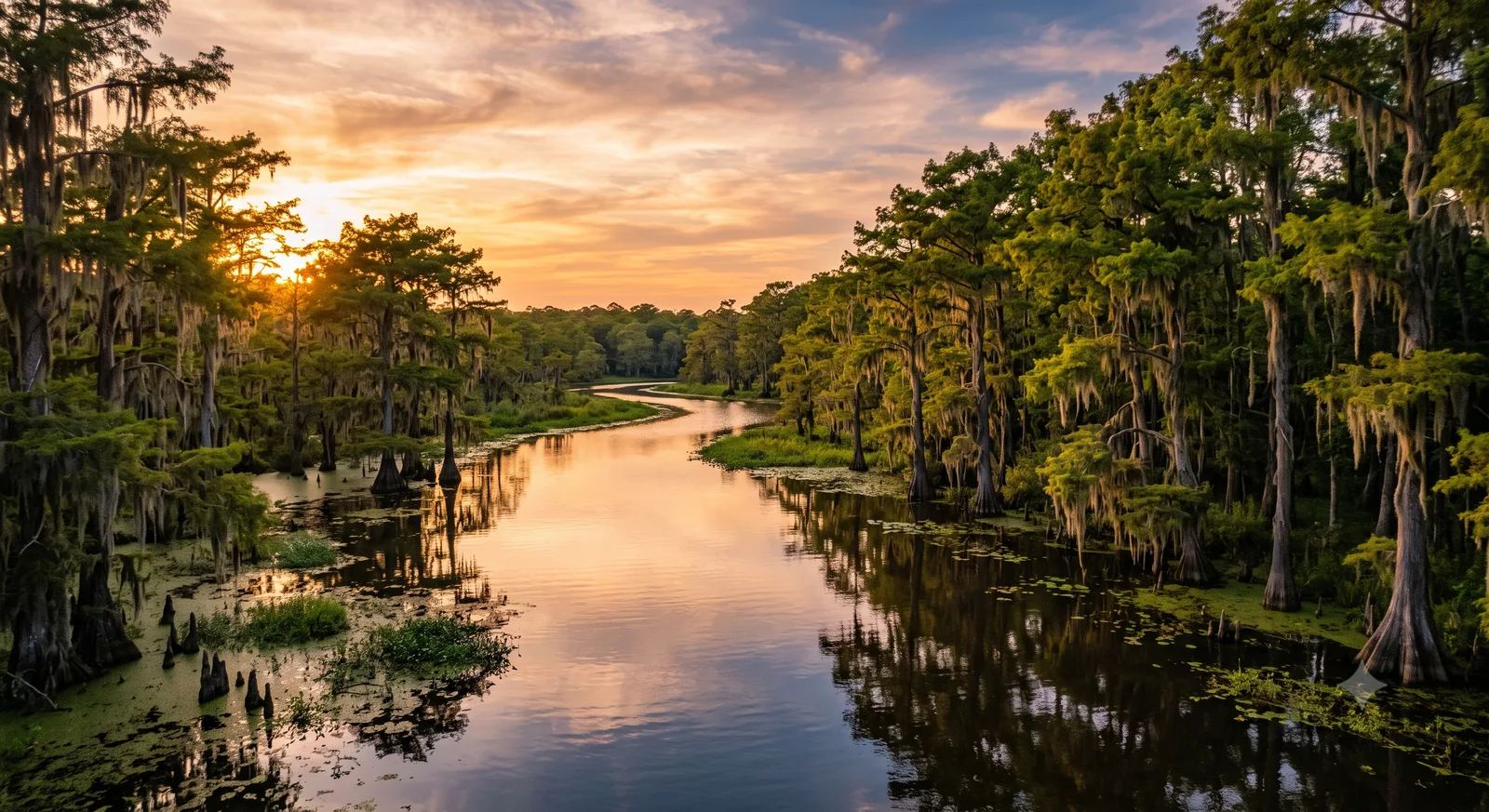
Dahomey National Wildlife Refuge Travel Guide — Mississippi
Our team at Roam States has meticulously crafted this Dahomey National Wildlife Refuge guide to cover practical planning for Dahomey National Wildlife Refuge Mississippi — from the best time to visit and how to get there, to what to do on the ground. We cut through the generic fluff to bring you confident, specific advice for exploring one of the last remaining bottomland hardwood forests in the Mississippi Delta. This critical habitat for migratory birds offers unparalleled opportunities for wildlife observation, photography, and fishing, and we’re here to ensure your trip is nothing short of exceptional.
Why Visit Dahomey National Wildlife Refuge
Dahomey National Wildlife Refuge stands as a vital ecological treasure, preserving one of the largest contiguous tracts of bottomland hardwood forest outside the Mississippi mainline levee in northwest Mississippi. We believe this alone makes it a compelling destination for any nature enthusiast. Established in 1991, the refuge’s primary purpose is to provide an inviolate sanctuary for migratory birds and to conserve the nation's wetlands. This commitment translates into a rich, biodiverse environment teeming with life, offering a unique window into a disappearing ecosystem.
Beyond its ecological significance, Dahomey National Wildlife Refuge Mississippi provides a tranquil escape from the hustle and bustle of modern life. Here, you can immerse yourself in the sights and sounds of a truly wild landscape. The refuge’s 9,691 acres are a haven for a diverse array of wildlife, from the vibrant migratory songbirds and waterfowl that pass through seasonally to resident deer, squirrels, and various other mammals. The "ridge and swale" topography, a remnant of former floods and river meanders, adds to the unique character of the landscape, and during winter, much of the forest can shallowly flood, creating temporary wetlands that support amphibians, reptiles, and invertebrates.
For those passionate about conservation, visiting Dahomey National Wildlife Refuge offers a direct connection to the efforts being made to protect these crucial habitats. The U.S. Fish and Wildlife Service, which manages the refuge, actively employs various management techniques to sustain this vital wetland and forest ecosystem. It's a place where you can witness the success of conservation firsthand and appreciate the delicate balance of nature in the Mississippi Delta. We find it to be an inspiring destination that educates as much as it invigorates.
Who It's Best For
Dahomey National Wildlife Refuge caters to a specific type of traveler, and we want to be clear about who will most appreciate its unique offerings. This refuge is ideal for:
- Birdwatchers and Wildlife Photographers: With its designation as a critical habitat for migratory birds, the refuge offers exceptional opportunities for birding year-round. From painted buntings and yellow-billed cuckoos in summer to thousands of waterfowl in winter, the diversity is remarkable. The recent additions of a photo blind on Paw Paw Trail and a boardwalk with a viewing tower on the Herbert Nature Trail enhance these experiences.
- Nature Enthusiasts and Hikers: If you enjoy exploring natural landscapes on foot, the refuge's 35 miles of hiking trails and roads provide ample opportunity. While some trails are un-maintained, the Herbert Nature Trail offers an accessible 1-mile loop with a viewing tower. It's a chance to truly disconnect and immerse yourself in a bottomland hardwood forest.
- Anglers and Hunters: For those who enjoy ethical and regulated outdoor sports, Dahomey National Wildlife Refuge offers seasonal hunting and year-round fishing opportunities, though a refuge permit is required. Happy Hollow Lake provides bank fishing for bass and sunfish, and the borrow pits in the southeastern corner are also open for fishing.
- Environmental Educators and Researchers: The refuge collaborates with institutions like Delta State University on various research projects, making it a valuable site for environmental study and interpretation.
- Families Seeking Quiet Outdoor Exploration: While not a theme park, families who appreciate quiet, educational outdoor activities will find the butterfly garden at the headquarters, easy nature trails, and abundant wildlife viewing to be engaging.
Conversely, if you're looking for paved paths, extensive visitor centers, gift shops, or high-octane adventure sports, Dahomey National Wildlife Refuge might not be your primary destination. We recommend it for those who value tranquility, natural beauty, and a genuine connection with the wild.
Getting There & Parking
Understanding how to get to Dahomey National Wildlife Refuge is crucial for a smooth trip, as it's nestled in a more remote part of the Mississippi Delta. We advise planning your route carefully before you depart.
The refuge is located approximately 15 miles southwest of Cleveland, Mississippi, and about 10 miles west of Cleveland. The nearest city is Boyle, about 7 miles away.
Driving Directions:
- From Cleveland: Head south on Highway 61. Turn west onto Highway 446 at Boyle. Refuge properties are signed and lie both north and south of Highway 446, starting about 15 miles west of Boyle. The refuge headquarters is located on the north side of Highway 446.
- From Rosedale: Go south on Highway 1 through Beulah. About 5.5 miles south of Beulah, turn east onto Highway 446. Refuge properties begin 2.5 miles east of Highway 1, are signed, and are situated north and south of Highway 446. The headquarters is on the north side.
- From Greenville: If coming from Greenville, take Highway 1 north approximately 24.5 miles, then follow directions from Rosedale.
For those wondering how to get to Dahomey National Wildlife Refuge, we always recommend having a physical map or offline GPS capabilities, as cell service can be spotty in rural areas. The GPS coordinates for the refuge are approximately 33.7042211, -90.9108130.
Parking:
Parking is available at various points throughout the refuge, including at the headquarters building and near trailheads. Hunter kiosks, which also serve as information points, are often located at refuge entry points. When parking, it's imperative to ensure your vehicle does not obstruct roads, gates, turn rows, field access ramps, or fire lanes, as these are critical for refuge management and emergency access. We found no specific parking fees mentioned for general public access in 2026.
Top Things to Do
Dahomey National Wildlife Refuge offers a range of activities that allow visitors to connect with its unique environment. Our team has identified the top things to do at Dahomey National Wildlife Refuge to help you make the most of your visit.
-
Wildlife Observation & Photography
This is arguably the premier activity here. The refuge is a sanctuary for migratory birds, meaning incredible birdwatching opportunities abound year-round. During the summer, look for painted buntings, yellow-billed cuckoos, and other neotropical migrants. Spring and fall bring a parade of shorebirds and warblers, while winter transforms the refuge into a bustling hub for thousands of ducks and geese. Keep an eye out for resident deer, squirrels, and various other small mammals. The newly added photo blind on Paw Paw Trail and a boardwalk with a viewing tower on the Herbert Nature Trail are excellent spots to set up your camera or binoculars. These dedicated facilities enhance your chances of seeing wildlife without disturbance.
-
Hiking & Nature Trails
Exploring the refuge on foot is one of the best ways to experience its bottomland hardwood forest. The refuge boasts two maintained hiking trails and 11 un-maintained trails, offering approximately 35 miles of paths and roads for exploration. The Herbert Nature Trail is a popular 1-mile loop featuring an observation tower overlooking a meadow and reforestation area, providing excellent views. Another maintained option is the Paw Paw Trail, which also includes a photo blind. Remember that during hunting season (October-April), visitors must wear hunter orange when hiking trails, with the exception of the Herbert Nature Trail and Paw Paw Trail, which are in areas closed to hunting.
-
Fishing
For anglers, Dahomey National Wildlife Refuge offers year-round bank fishing opportunities. Happy Hollow Lake is a great spot to cast a line for bass and sunfish. Additionally, the borrow pits located in the southeastern corner of the refuge are also open for fishing. A North Mississippi Refuges Complex Hunting and Fishing Permit is required for fishing, which costs $15 and is valid for one year. It's a small investment for a year of access to these tranquil fishing spots.
-
Auto Touring
While not an extensive scenic drive, visitors can explore portions of the refuge by vehicle. Driving Headquarters Road to Bear Road to Neblett Road, or down Well Road, allows for wildlife viewing from your car, especially if you're short on time or have mobility limitations. Biking is also permitted on any road open to vehicles. This provides another way to cover more ground and observe the landscape.
-
Butterfly Garden at Headquarters
Even if the headquarters building is unstaffed, a visit to the butterfly garden is a delightful and accessible activity. It's a wonderful spot to view a variety of pollinators, with wildflowers blooming throughout spring and summer, attracting butterflies well into early fall. This is one of the easier things to do at Dahomey National Wildlife Refuge if you have limited time.
-
Hunting (Seasonal, Permit Required)
Dahomey National Wildlife Refuge is part of the North Mississippi Refuges Complex, which offers seasonal hunting opportunities for waterfowl and other game. A refuge permit is mandatory, and state hunting regulations apply. Specific hunt units are designated, and some areas, particularly near the observation tower, are closed to hunting for public viewing. Hunters should consult the current North Mississippi Refuges Complex Hunting and Fishing Regulations brochure for detailed rules, seasons, and permit requirements for 2025-2026.
Whether you're an avid birder, a keen photographer, or simply seeking a peaceful natural setting, the things to do at Dahomey National Wildlife Refuge offer a genuine connection to Mississippi's wild heart.
Best Time to Visit
Choosing the best time to visit Dahomey National Wildlife Refuge largely depends on your interests, as each season offers unique experiences. Our team has broken down the seasonal highlights to help you plan your ideal trip.
-
Winter (November - February)
For serious birdwatchers, especially those interested in waterfowl, winter is hands down the best time to visit. Thousands of ducks and geese descend upon the refuge's moist soil units and flooded forests, using them as crucial refueling stops during their migration. The observation tower provides excellent views of these large congregations. The bare trees also make it easier to spot other wildlife. Keep in mind that temperatures will be cooler, and some areas may experience shallow flooding, which can affect trail accessibility. If you plan to hike during hunting season (October-April), remember to wear hunter orange on designated trails, though Herbert Nature Trail and Paw Paw Trail are in no-hunt zones.
-
Spring (March - May)
Spring brings a burst of new life and is an excellent time for observing migratory shorebirds and warblers as they pass through. The bottomland hardwood forest begins to green, and the air is filled with the sounds of returning birds. The butterfly garden at the headquarters starts to bloom, attracting pollinators. Temperatures are generally pleasant, making it comfortable for hiking and extended outdoor activities. This is a fantastic time for photography as the landscape awakens.
-
Summer (June - August)
During the summer months, Dahomey National Wildlife Refuge is vibrant with nesting species. You can expect to see painted buntings, indigo buntings, yellow-billed cuckoos, prothonotary warblers, and Mississippi kites. The butterfly garden is in full bloom, offering prime pollinator viewing, particularly in mid-morning and late afternoon. The fishing pier at Happy Hollow Lake provides views of water snakes, turtles, and wading birds. While it can be hot and humid, early mornings and late afternoons are ideal for wildlife observation. Be prepared for insects and wear appropriate clothing.
-
Fall (September - October)
Fall is another prime migration period, with shorebirds, warblers, and other species migrating through the refuge. The changing foliage of the bottomland hardwoods can offer beautiful photographic opportunities, though it's not as dramatic as in northern hardwood forests. Temperatures are generally mild and comfortable for hiking. This season also marks the beginning of hunting season, so be mindful of regulations and wear hunter orange if you're on trails outside of the designated no-hunt areas.
Overall, we recommend visiting from late fall through early spring for the most spectacular birding, particularly waterfowl. For a more temperate and colorful experience with migratory songbirds, spring and early fall are excellent choices.
Where to Stay Nearby
Since camping is prohibited within Dahomey National Wildlife Refuge, finding comfortable Dahomey National Wildlife Refuge lodging in nearby towns is essential for your visit. While the refuge itself is quite remote, several towns within a reasonable driving distance offer accommodations. We recommend basing yourself in Cleveland, Mississippi, which provides the most amenities and is a convenient hub for exploring the Delta region.
Cleveland, Mississippi (Approx. 15-20 miles from the refuge):
Cleveland is a charming Delta town with a vibrant downtown area, Delta State University, and a good selection of hotels and dining options. It's your best bet for a comfortable stay when seeking Dahomey National Wildlife Refuge lodging.
- Hotels: You'll find a range of chain hotels in Cleveland, including options like the Holiday Inn Express, Hampton Inn, and Quality Inn. These typically offer standard amenities such as complimentary breakfast, Wi-Fi, and comfortable rooms. We recommend checking current reviews and booking in advance, especially during peak seasons for Delta State University events or local festivals.
- Dining: Cleveland boasts a variety of restaurants, from casual Southern fare to more upscale dining. Don't miss the chance to try some authentic Delta cuisine.
- Attractions: While in Cleveland, consider visiting the GRAMMY Museum Mississippi, which celebrates the rich musical heritage of the state, or exploring the vibrant arts scene.
Boyle, Mississippi (Approx. 7 miles from the refuge):
Boyle is the closest small town to the refuge, but lodging options are very limited. You might find a local guesthouse or an Airbnb, but don't expect a wide selection of hotels. The On the Go Boyle Truck Stop offers hot food and convenience store items, which could be useful for provisions.
Rosedale, Mississippi (Approx. 20-25 miles from the refuge):
Rosedale is another small Delta town that might offer limited, locally-owned lodging options. It's less developed than Cleveland but could be an option if you prefer a quieter, more rustic experience. Always call ahead to confirm availability and amenities.
Greenville, Mississippi (Approx. 40-50 miles from the refuge):
Greenville is a larger city further west, located on the Mississippi River. It offers more extensive lodging and dining choices than Boyle or Rosedale, but it's a longer drive to the refuge. If you're combining your visit with other Delta attractions, Greenville could serve as a base. For those interested in the history of the region, we also suggest exploring the Vicksburg National Military Park, though it's a longer drive south. For more historical insights, consider a trip to Natchez Historic Homes.
When searching for Dahomey National Wildlife Refuge lodging, we advise checking online travel agencies and local tourism websites for the most up-to-date availability and pricing for hotels and guesthouses in Cleveland and the surrounding areas. Always confirm cancellation policies, as plans can sometimes change.
Sample 2-Day Itinerary
To help you maximize your visit to Dahomey National Wildlife Refuge, we've crafted a sample 2-day itinerary focusing on its natural wonders and nearby Delta charm. This plan assumes you're basing yourself in Cleveland, Mississippi.
Day 1: Immersion in the Refuge
- Morning (Sunrise - Noon): Birding & Hiking
- Sunrise Start: Head out early from Cleveland (approx. 20-minute drive) to Dahomey National Wildlife Refuge. Arrive shortly after sunrise to experience the most active wildlife period.
- Herbert Nature Trail: Begin your exploration on the 1-mile Herbert Nature Trail loop. This maintained trail offers a boardwalk and a viewing tower, providing excellent opportunities for birdwatching and wildlife photography. Look for early morning activity, especially waterfowl in winter or songbirds in spring/summer.
- Paw Paw Trail & Butterfly Garden: After Herbert Nature Trail, explore the Paw Paw Trail, which features a photo blind. Then, make your way to the refuge headquarters to visit the butterfly garden, particularly vibrant in mid-morning.
- Lunch (Noon - 1:00 PM): Picnic or Local Bite
- Picnic: Pack a lunch to enjoy at one of the refuge's designated picnic spots (if available and accessible) or simply find a scenic pull-off.
- Boyle Stop: Alternatively, head to Boyle (approx. 7 miles from the refuge) for a quick bite at the On the Go Boyle Truck Stop, known for its hot food.
- Afternoon (1:00 PM - Sunset): Auto Tour & Fishing/Further Hiking
- Auto Tour: Drive some of the refuge's roads, such as Headquarters Road, Bear Road, and Neblett Road, for additional wildlife viewing from your vehicle.
- Fishing at Happy Hollow Lake: If you have a refuge fishing permit, spend the late afternoon bank fishing for bass and sunfish at Happy Hollow Lake.
- Explore Un-maintained Trails: For more adventurous hikers, explore one of the un-maintained trails like Bear Trail or Stillwater Trail, being mindful of conditions and wearing hunter orange if it's hunting season and you're outside a no-hunt zone.
- Evening: Return to Cleveland
- Dinner: Enjoy dinner at one of Cleveland's local restaurants.
- Relax: Unwind at your hotel after a day of nature exploration.
Day 2: Delta Culture & History
- Morning (9:00 AM - Noon): Cleveland Exploration
- GRAMMY Museum Mississippi: Start your day with a visit to the GRAMMY Museum Mississippi in Cleveland, celebrating the state's profound influence on music. It's a fantastic way to immerse yourself in the cultural heritage of the Delta.
- Downtown Cleveland: Stroll through downtown Cleveland, browse local shops, and grab a coffee.
- Lunch (Noon - 1:00 PM): Cleveland Dining
- Enjoy lunch at another of Cleveland's diverse eateries.
- Afternoon (1:00 PM - 5:00 PM): Delta Excursion
- Option A (History Focus): Drive south to Vicksburg (approx. 1.5-2 hours) to explore the Vicksburg National Military Park, a pivotal Civil War site. This offers a deep dive into American history.
- Option B (Southern Charm): Head further south to Natchez (approx. 2.5-3 hours from Cleveland, but can be combined with Vicksburg) to experience the grandeur of Natchez Historic Homes.
- Option C (Blues & Culture): Explore more of the Mississippi Delta's blues heritage by visiting nearby towns that are part of the Mississippi Blues Trail.
- Evening: Departure or Extended Stay
- Depending on your travel plans, you can either depart from the Delta or enjoy another evening in Cleveland, reflecting on your blend of nature and culture.
This itinerary provides a balance between the natural beauty of Dahomey National Wildlife Refuge and the rich cultural tapestry of the Mississippi Delta. For more ideas on exploring the state, check out our guide to Best places in Mississippi.
Is It Worth Visiting?
From our perspective as independent US travel authorities, the answer to "is Dahomey National Wildlife Refuge worth visiting?" is a resounding yes, but with a clear understanding of what it offers. This isn't a destination for those seeking bustling attractions or resort-style amenities. Instead, it's a haven for travelers who genuinely appreciate undisturbed nature, quiet contemplation, and the critical role of conservation.
The primary draw of Dahomey National Wildlife Refuge Mississippi is its ecological significance. As one of the last large tracts of bottomland hardwood forest in the Mississippi Delta, it represents a vital, increasingly rare ecosystem. For birdwatchers, photographers, and wildlife enthusiasts, the sheer diversity and abundance of migratory birds, especially waterfowl in winter, make it an exceptional destination. The recent enhancements, like the photo blind and observation tower, demonstrate a commitment to enhancing the visitor experience while preserving the refuge's integrity.
If your idea of a fulfilling trip involves peaceful hikes through ancient forests, the thrill of spotting a rare bird, or the quiet satisfaction of fishing in a pristine environment, then you will find Dahomey National Wildlife Refuge immensely rewarding. It's a place to slow down, observe, and connect with the natural world on a deeper level. We believe that for those who value authentic, uncommercialized outdoor experiences, asking "is Dahomey National Wildlife Refuge worth visiting?" will be met with a firm affirmation once you've experienced its quiet beauty.
FAQ
Dahomey National Wildlife Refuge camping
No, camping is strictly prohibited within Dahomey National Wildlife Refuge. The refuge is managed for wildlife conservation, and overnight stays are not permitted to minimize human impact. Visitors seeking overnight accommodations should look for hotels or guesthouses in nearby towns such as Cleveland, Mississippi.
things to do in Boyle
While Boyle itself is a very small community, its primary draw for visitors to the refuge is its proximity. You can find basic amenities and grab hot food at the On the Go Boyle Truck Stop, which also features a fenced dog park. For more substantial dining, shopping, or attractions, we recommend heading to Cleveland, Mississippi, which is just a short drive away.
Dahomey National Wildlife Refuge with kids
Dahomey National Wildlife Refuge can be a wonderful educational experience for children who enjoy nature. We recommend focusing on activities like visiting the butterfly garden at the headquarters, which is vibrant and engaging. The Herbert Nature Trail, with its boardwalk and observation tower, is a relatively easy 1-mile loop suitable for most children. Wildlife viewing, especially birdwatching, can be exciting for kids. Remember to pack snacks, water, and bug spray, and ensure children understand the importance of quiet observation to avoid disturbing wildlife.
best hotels near Dahomey National Wildlife Refuge
The best hotels near Dahomey National Wildlife Refuge are primarily located in Cleveland, Mississippi, approximately 15-20 miles away. You'll find several chain hotels there, such as Holiday Inn Express, Hampton Inn, and Quality Inn, offering comfortable accommodations and standard amenities. These provide the most reliable options for Dahomey National Wildlife Refuge lodging. Boyle, while closer, has very limited lodging choices.
Dahomey National Wildlife Refuge tips
Our top tips for visiting Dahomey National Wildlife Refuge include: always check the weather and trail conditions, as some areas may flood. If visiting between October and April, bring hunter orange to wear on most hiking trails, although Herbert Nature Trail and Paw Paw Trail are in no-hunt zones. Carry insect repellent, especially in warmer months. Bring binoculars and a camera for wildlife viewing. Remember that pets are generally not allowed, except as permitted by hunting regulations. Finally, pack plenty of water and snacks, as amenities within the refuge are minimal.
where to stay near Dahomey National Wildlife Refuge
For comfortable and convenient lodging, we recommend staying in Cleveland, Mississippi. It offers the widest selection of hotels, restaurants, and services, and is about a 20-minute drive from the refuge. Smaller towns like Boyle or Rosedale are closer but have very limited options. For a broader range of choices, though further afield, Greenville is another possibility. When considering where to stay near Dahomey National Wildlife Refuge, Cleveland is generally your best bet for a balanced travel experience.
Last updated: 2026-07-06 by the Roam States team.