National Parks & Nature

Atchafalaya National Basin Travel Guide

Breaux Bridge, Louisiana

By Visit America Team · Updated July 2026 · 41 min read

Jump to section

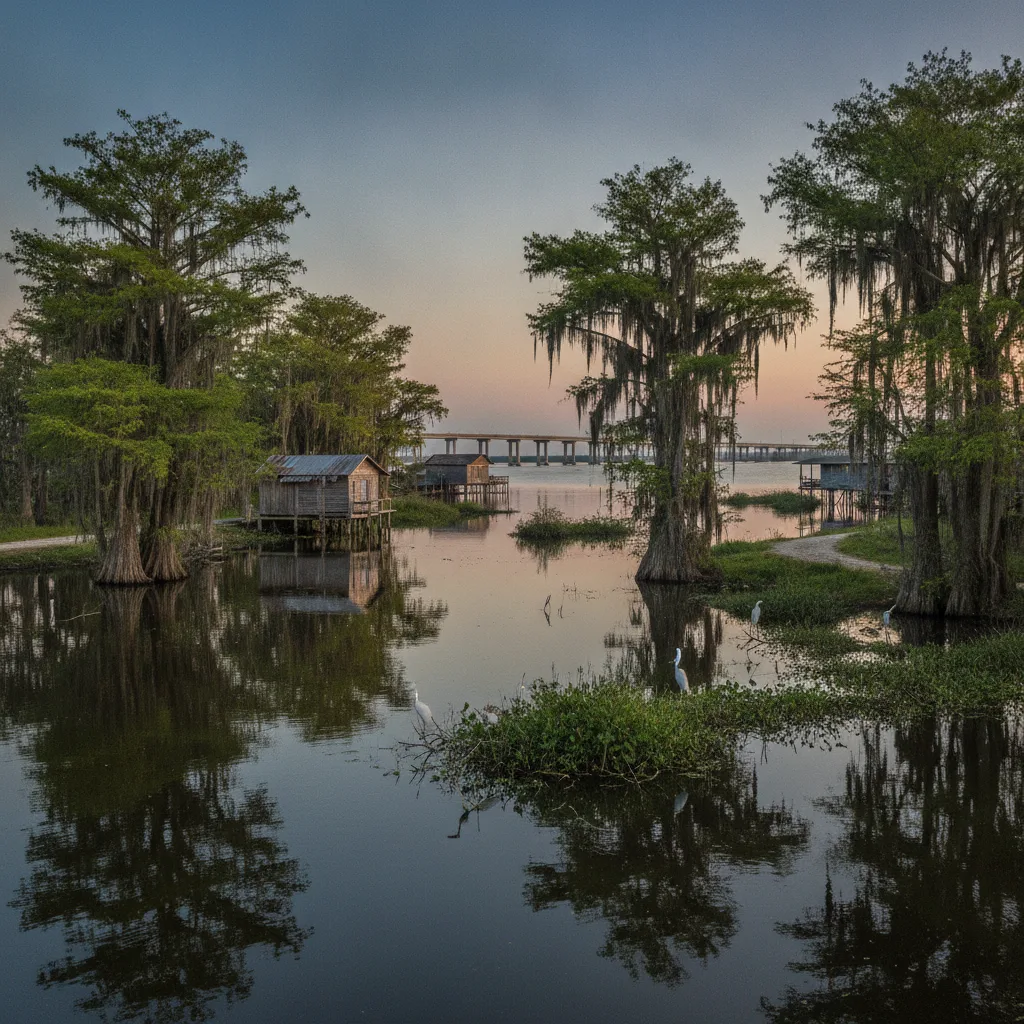
Welcome to the wild heart of Louisiana, where cypress trees draped in Spanish moss rise from dark waters and alligators bask in the sun. We, the Visit America editorial team, consider the Atchafalaya National Basin Louisiana an essential stop for anyone seeking an authentic immersion into America's largest river swamp. This vast, ecologically rich region offers an unparalleled glimpse into a unique ecosystem and a vibrant culture deeply intertwined with the land.

Why Visit Atchafalaya National Basin

For travelers yearning for an escape into raw, untamed nature, the Atchafalaya National Basin offers an experience unlike any other. This isn't your average national park; it's a dynamic, living landscape, constantly shaped by the ebb and flow of the Atchafalaya River. We believe its sheer scale and biodiversity are reason enough to visit. Spanning nearly a million acres, it holds the distinction of being the nation's largest river swamp, a sprawling network of bottomland hardwoods, cypress-tupelo swamps, meandering bayous, and tranquil backwater lakes.

What truly sets the Atchafalaya apart is its incredible productivity. It's estimated to be five times more productive than any other river basin in North America, a testament to the rich nutrients carried by its waters. This abundance supports an astonishing array of wildlife. Our team has been consistently amazed by the diversity here, from over 65 species of reptiles and amphibians, including the iconic American alligator, to more than 250 known species of birds, making it a birder's paradise. Keep an eye out for the largest nesting concentration of bald eagles in the south-central United States, a truly majestic sight. Mammals like black bears, otters, foxes, and raccoons also call this basin home, though they can be more elusive.

Beyond the wildlife, the Atchafalaya National Basin offers a profound cultural experience. It's the heart of Cajun Country, where a unique way of life has evolved in harmony with the swamp. Exploring this region provides insights into the resilience and traditions of the people who have lived off these waters for generations. It’s a place where history and nature converge, creating a destination that is both educational and exhilarating. For those looking to delve deeper into the rich heritage of the state, we also recommend exploring other best places in Louisiana, from the historic streets of the French Quarter to the solemn exhibits of the National WWII Museum.

Who It's Best For

The Atchafalaya National Basin is a dream destination for a wide range of travelers, but it particularly shines for nature enthusiasts, adventure seekers, and those with a keen interest in unique cultural experiences.

  • Nature Lovers and Wildlife Photographers: With its unparalleled biodiversity, the basin is a prime spot for birdwatching, wildlife viewing, and capturing stunning natural landscapes. The cypress-tupelo swamps and diverse fauna offer endless photographic opportunities.
  • Adventure Seekers: Kayaking, canoeing, and airboat tours provide thrilling ways to navigate the intricate waterways. The sense of exploration and discovery is palpable here.
  • Fishermen and Hunters: The basin's productive waters teem with over 100 species of fish, making it a renowned fishing destination, especially for crawfish, with an estimated annual commercial harvest of nearly 22 million pounds. Hunting is also permitted in designated areas during specific seasons.
  • Families with Older Children: While younger children might enjoy swamp tours, the deeper appreciation for the ecosystem and the more strenuous activities like extended paddling or hiking are often best suited for families with older kids who can engage more fully with the environment.
  • Cultural Explorers: Those interested in Cajun culture, history, and the unique relationship between people and the environment will find the Atchafalaya a fascinating place to visit. Local guides often share personal stories and insights into the region's heritage.

It might be less ideal for travelers seeking resort-style amenities or highly structured, paved attractions. The beauty of the Atchafalaya lies in its wildness and the immersive, often rustic, experiences it offers.

Getting There & Parking

Accessing the Atchafalaya National Basin is relatively straightforward, primarily via Interstate 10, which traverses the basin itself. The most common entry point for visitors looking to explore the central part of the basin is near Breaux Bridge, Louisiana.

How to Get There

From major cities like Lafayette or Baton Rouge, you'll take I-10. The Atchafalaya Welcome Center, a crucial first stop for many, is conveniently located at Exit 121 on Interstate 10, at 1934 Atchafalaya River Highway, Breaux Bridge, Louisiana 70517. This center provides valuable information, maps, and insights into the basin's geography and culture.

While the I-10 Atchafalaya Basin Bridge is a key artery, we want to inform you that a roadway improvement project involving pavement striping and other upgrades was underway from March 30, 2026, and was expected to conclude by May 2026. This project involved intermittent overnight lane closures from Monday through Saturday, 8 p.m. to 5 a.m.. As of our latest update in July 2026, these works should be completed, but it's always wise to check the Louisiana Department of Transportation and Development (DOTD) for any unforeseen updates if you're traveling during similar periods in the future.

For those planning to embark on specific swamp tours or access particular recreational areas, individual operators or sites will provide detailed directions. Many swamp tour operators are located in and around Henderson, a small community just east of Breaux Bridge, easily accessible from I-10.

Parking

Parking availability varies depending on your chosen activity within the Atchafalaya National Basin.

  • Atchafalaya Welcome Center: Ample parking is available at the Welcome Center, making it an easy first stop to gather information and stretch your legs.
  • Swamp Tour Operators: Most commercial swamp tour companies provide dedicated parking areas for their guests at their departure points.
  • Boat Launches: Numerous public boat launches dot the basin. The Bayou Pigeon Boat Launch, a heavily utilized access point, is currently undergoing improvements, including upgrades to its parking area. Other launches, like those at the Sherburne Unit Headquarters for the Atchafalaya National Wildlife Refuge, also offer parking for those looking to paddle or fish.
  • Trailheads: For specific hiking or biking trails, parking might be more limited or at designated access points along levees or state park entrances. Always research your specific trailhead in advance.

Generally, you'll find adequate parking for most activities. However, for popular events or peak seasons, arriving early is always a good strategy.

Top Things to Do

When considering things to do at Atchafalaya National Basin, our team agrees that the most immersive experiences involve getting out on the water and deep into the wilderness. This is where the basin truly comes alive.

Swamp Tours

A swamp tour is arguably the quintessential experience and one of the top things to do at Atchafalaya National Basin. You have several options, each offering a distinct perspective:

  • Airboat Tours: For an exhilarating, high-speed adventure, airboat tours are a fantastic choice. Operators like Atchafalaya Basin Landing Airboat Swamp Tours offer 90-minute rides that take you deep into the cypress forests, providing thrilling alligator encounters and a unique view of the swamp scenery. Prices for typical airboat tours range from $50-$75 per person. These tours are often praised for their knowledgeable local guides who share insights into basin history and wildlife. We highly recommend booking early morning tours, especially in summer, to beat the heat and increase your chances of spotting alligators.
  • Traditional Boat Tours: If you prefer a more leisurely and quieter experience, traditional boat tours allow for deeper immersion into the natural sounds of the swamp. Smaller boats, like those offered by River of Swamps Boat Tours, can navigate into areas inaccessible to larger airboats, providing a more intimate encounter with the environment. Captain Caviar Swamp Tours, for example, offers 3+ hour small-group tours (6 or less people) for $100/adult with a $200 minimum, and $75 for those under 17, emphasizing a personalized wilderness adventure.
  • Kayaking and Canoeing: For the most intimate exploration, paddling through the bayous and lakes in a kayak or canoe is unbeatable. Rentals are available from various outfitters, and several designated paddling trails exist, such as the Bayou Teche/Lower Atchafalaya River Paddling Trail and trails within Lake Fausse Pointe State Park. This allows you to set your own pace and truly connect with the serene beauty of the Atchafalaya National Basin.

Wildlife Viewing & Birding

The basin is a haven for wildlife. Beyond alligators, you might spot black bears, otters, deer, and a vast array of birdlife. It lies within the Mississippi Flyway, a crucial migratory route, making it an exceptional destination for birding, especially during migration seasons. Over 250 species of birds have been identified here, including bald eagles, wading birds, waterfowl, and neotropical songbirds.

Hiking and Biking

While much of the basin is water-dominated, there are opportunities for hiking and biking, particularly along the levees and within designated wildlife management areas. We'll delve deeper into Atchafalaya National Basin hiking trails in a dedicated section. A proposed 187-mile "Louisiana Basin Trace" bike trail, utilizing levee tops, is also in conceptual design, aiming to connect communities and immerse visitors in the region's environment.

Visit the Atchafalaya Welcome Center

Located conveniently off I-10, the Atchafalaya Welcome Center serves as an excellent starting point for your exploration. It functions as a cultural history museum, featuring exhibits, animatronics, and a video theater presentation that educates visitors about the basin's unique geography, ecology, and the vibrant South Louisiana culture. It's open year-round and offers amenities like restrooms, walking trails, and picnic areas.

Atchafalaya National Basin Hiking Trails

For those who prefer to explore on foot, the Atchafalaya National Basin offers a selection of hiking trails that provide a different perspective of this unique ecosystem. While the basin is famously a watery world, several areas allow for terrestrial exploration, providing excellent opportunities for wildlife viewing and immersion in the bottomland hardwood forests.

Our team recommends focusing on the trails within the Atchafalaya National Wildlife Refuge and Lake Fausse Pointe State Park for the best Atchafalaya National Basin hiking trails experiences.

  • Atchafalaya National Wildlife Refuge Trails: Within the refuge, you'll find several trails, including the Yellow Bayou Trail (3.4 miles), Black Bear Water Trail (3.2 miles), Wood Duck Water Trail (1.6 miles), and the Palmetto Trail (1 mile). These trails wind through dense bottomland forests and offer chances to spot various wildlife. Hiking here is often best enjoyed during the winter months when the lush vegetation retreats, making travel easier and visibility better. Additionally, hiking is possible along the levees and ATV trails within the refuge.
  • Lake Fausse Pointe State Park: Located adjacent to the Atchafalaya Basin near St. Martinville, this state park offers its own network of hiking trails in addition to canoeing and kayaking. The park provides a well-maintained environment to experience the basin's natural beauty.
  • Levee Trails: Many levees throughout the Atchafalaya National Heritage Area offer opportunities for walking and biking. These elevated paths provide panoramic views of the basin's vastness and can be excellent for birding. A conceptual "Louisiana Basin Trace" proposes a 187-mile multi-use path along levee tops, which would significantly expand hiking and biking options in the future.

When planning your Atchafalaya National Basin hiking trails adventure, remember that the terrain can be natural and unpaved, with potential for muddy conditions, especially outside of the drier seasons. Always wear appropriate footwear, bring water, and be aware of your surroundings, as the swamp and wooded areas are home to poisonous snakes like water moccasins, rattlesnakes, copperheads, and coral snakes.

Best Time to Visit

Choosing the best time to visit the Atchafalaya National Basin largely depends on your priorities, as each season offers a different set of advantages and considerations. Our team has found that while the basin is accessible year-round, certain periods are more favorable for specific activities.

  • Winter (December to February): We consider winter to be an excellent time for many activities. The cooler temperatures make hiking much more comfortable, and the retreating vegetation improves visibility for wildlife viewing, especially for birds. The basin also experiences higher water levels during winter and spring, which can be ideal for paddling and some boat tours. This is also a prime time for birdwatching, as migratory waterfowl fill the skies.
  • Spring (March to May): Spring brings warmer weather and an explosion of new life. This is a fantastic time for birding, as many species are nesting, particularly at Lake Martin, home to the largest wading bird rookery in the United States. The Breaux Bridge Crawfish Festival, a vibrant celebration of local culture and cuisine, typically takes place on the first full weekend in May (May 1-3, 2026). Temperatures are pleasant, though humidity starts to increase.
  • Fall (September to November): Similar to spring, fall offers comfortable temperatures and a beautiful transition of colors in the foliage. Water levels tend to be lower during this time, which can concentrate wildlife in certain areas, making them easier to spot. It's a great time for both boating and hiking before the colder temperatures set in.
  • Summer (June to August): Summer in the Atchafalaya can be hot and humid, with a higher chance of mosquitoes. However, it's also when alligators are most active and visible. If you plan a swamp tour during the summer, we strongly recommend booking an early morning tour to beat the intense heat and increase your chances of seeing gators. While less ideal for strenuous hiking, paddling in the shade of cypress trees can still be enjoyable.

Overall, for a balance of comfortable weather, active wildlife, and fewer insects, we lean towards the late fall to early spring (November to April) as the prime window for visiting the Atchafalaya National Basin.

Where to Stay Nearby

While the Atchafalaya National Basin itself is largely undeveloped wilderness, there are numerous comfortable and charming accommodations in the surrounding towns, particularly in Breaux Bridge and Lafayette. Our team suggests considering these options for their convenience and access to local culture.

Breaux Bridge, Louisiana

Known as the "Crawfish Capital of the World," Breaux Bridge is the closest major town to many popular access points of the Atchafalaya Basin. It offers a range of local hotels, bed & breakfasts, and guesthouses that provide a taste of Cajun hospitality. Staying in Breaux Bridge puts you right at the doorstep of swamp tours and local attractions. You can find options like Studio 6 Suites Breaux Bridge. The town also boasts a vibrant downtown with unique shops and delicious Cajun dining experiences, such as Buck & Johnny's (Cajun-inspired Italian) or Tante Marie's (traditional Cajun comfort food).

Lafayette, Louisiana

Just a short drive west of Breaux Bridge, Lafayette is a larger city offering a broader selection of accommodations, from budget-friendly hotels to more upscale options. Here, you'll find familiar hotel chains like Hilton Garden Inn Lafayette/Cajundome, DoubleTree by Hilton Lafayette, and Home2 Suites by Hilton Parc Lafayette. Lafayette is also a cultural hub, known for its vibrant music scene, delicious Cajun and Creole cuisine, and attractions like Vermilionville Historic Village. It makes for a great base if you plan to combine your Atchafalaya adventure with urban exploration.

Camping in the Basin

For those who want to fully immerse themselves in the wilderness, Atchafalaya National Basin camping is a fantastic option. We've compiled details on this in a dedicated section below.

When planning your stay, we recommend booking accommodations in advance, especially during peak seasons or major festivals like the Breaux Bridge Crawfish Festival.

Atchafalaya National Basin Camping

For the ultimate immersive experience in America's largest river swamp, Atchafalaya National Basin camping is an unparalleled way to connect with nature. Our team understands the appeal of sleeping under the stars amidst the sounds of the bayou, and we've gathered the essential information for planning your wilderness stay.

Primitive Campsites

The Atchafalaya Basin offers numerous primitive camping sites on state-owned property, perfect for those seeking a true back-to-nature experience. These sites are typically undeveloped and are designated with a four-foot metal post marked "PC" (Primitive Camp) along with a corresponding number. They are located in Iberville, St. Martin, and St. Mary parishes, and some are clustered, allowing for flexibility if one site is occupied. These sites are large enough to accommodate multiple campers willing to share the space. Details, including GPS coordinates and maps, can often be found through the Louisiana Department of Energy and Natural Resources (DNR) or the Atchafalaya Basin Program.

When engaging in Atchafalaya National Basin camping in primitive areas, remember to practice Leave No Trace principles. Pack out everything you pack in, use existing campfire sites if possible, and ensure campfires are completely extinguished. Be mindful of local wildlife, particularly poisonous snakes, and take precautions, especially regarding food storage. Water levels in the swamps and waterways are generally high from winter to spring and low from summer to fall, which can affect access and conditions.

Designated Campgrounds

For those seeking more amenities, there are also designated campgrounds within the broader Atchafalaya Basin area:

  • Sherburne Unit: The Atchafalaya National Wildlife Refuge's Sherburne Unit offers designated campgrounds, including primitive sites at the Sherburne Headquarters (near the shooting range, about 8 miles south of Hwy 190) and another primitive campground on Hwy 975. Camping here is free with a valid Louisiana hunting or fishing license.
  • Lake Fausse Pointe State Park: This state park, located near St. Martinville, provides cabins and campsites with more developed facilities, a great option for families or those who prefer some comforts.
  • French Man's Wilderness: For RV campers, French Man's Wilderness is a pet-friendly campground located deeper in the basin, offering 140 spacious sites with full hookups (water, sewer, electricity), clean showers, modern toilet facilities, laundry, and WiFi. Reservations for this site can be made up to six months in advance.

Whether you choose a rustic primitive site or a more amenity-rich campground, Atchafalaya National Basin camping provides an unforgettable opportunity to truly connect with this extraordinary wilderness.

Sample 2-Day Itinerary

To truly experience the essence of the Atchafalaya National Basin, we recommend dedicating at least two full days. This allows for a blend of adventure, cultural immersion, and relaxation. Here’s a sample 2-day itinerary crafted by our team:

Day 1: Immersion into the Swamp

  • Morning (8:00 AM - 12:00 PM): Airboat Swamp Tour & Welcome Center
    Start your day early with an exhilarating airboat swamp tour from a local operator in Henderson, near Breaux Bridge. Booking an early morning slot is key to seeing more active wildlife, especially alligators, and beating the heat. These 1.5-hour tours will whisk you through cypress forests, offering thrilling encounters and insights from experienced Cajun guides. After your tour, head to the Atchafalaya Welcome Center (Exit 121, I-10) to learn more about the basin's ecology and culture through its exhibits and video presentations.
  • Lunch (12:00 PM - 1:30 PM): Local Cajun Fare
    Enjoy a traditional Cajun lunch in Breaux Bridge. We recommend Buck & Johnny's for its Cajun-Italian fusion or Tante Marie's for classic comfort food.
  • Afternoon (1:30 PM - 5:00 PM): Explore Breaux Bridge & Lake Martin
    Take a leisurely stroll through downtown Breaux Bridge. Visit the Bayou Teche Visitors Center for maps and local insights, explore unique shops, and see the historic 1855 Bridge, now a cultural stage. Consider a visit to Lake Martin, known for its incredible bird rookery, especially from late March to early August when over 140 species of birds nest there.
  • Evening: Dinner & Live Music
    Savor another delicious Cajun dinner in Breaux Bridge. If you're lucky, you might catch some live Cajun music at a local dancehall or restaurant.

Day 2: Deeper Exploration & Cultural Connection

  • Morning (8:30 AM - 12:30 PM): Paddling or Hiking Adventure
    Choose your adventure:
    • Option A (Paddling): Rent a kayak or canoe and explore one of the basin's paddling trails, such as those within Lake Fausse Pointe State Park or the Bayou Teche/Lower Atchafalaya River Paddling Trail. This offers a serene and intimate way to experience the swamp.
    • Option B (Hiking): Head to the Atchafalaya National Wildlife Refuge and hike one of the designated Atchafalaya National Basin hiking trails, such as the Yellow Bayou Trail. Winter is the best time for hiking due to cooler temperatures and better visibility.
  • Lunch (12:30 PM - 2:00 PM): Picnic or Nearby Eatery
    Pack a picnic to enjoy amidst nature, or find a casual eatery in a nearby community like St. Martinville if you visited Lake Fausse Pointe.
  • Afternoon (2:00 PM - 5:00 PM): Cultural Insight or Relaxed Exploration
    Visit Vermilionville Historic Village in Lafayette for a deeper dive into Cajun and Creole history and culture. Alternatively, if you're staying closer to the basin, consider a more relaxed drive along scenic routes, stopping at overlooks, or simply enjoying the peaceful atmosphere.
  • Evening: Departure or Extended Stay
    Enjoy a final Louisiana dinner before heading home, or if you've opted for Atchafalaya National Basin camping, settle into your campsite for a night under the stars.

This itinerary provides a robust introduction to the Atchafalaya National Basin Louisiana, allowing you to experience its natural wonders and cultural richness. Remember to always check local conditions, tour availability, and operating hours, especially for 2026, as plans can change.

Is It Worth Visiting?

Without a doubt, our team believes the Atchafalaya National Basin is worth visiting. For those seeking an authentic, wild, and culturally rich experience in Louisiana, it stands out as a premier destination. It's a place where the grandeur of nature is undeniable, and the unique Cajun way of life is still very much alive.

The basin offers a rare opportunity to witness one of North America's most significant and productive ecosystems firsthand. From thrilling alligator sightings on a swamp tour to serene paddles through cypress forests, and the chance to spot over 250 bird species, the natural encounters here are truly memorable. Beyond its ecological importance, the Atchafalaya provides a window into a resilient culture, offering a stark contrast to more urban Louisiana destinations like the New Orleans Garden District or the Avery Island & Tabasco factory. If you appreciate raw beauty, vibrant wildlife, and a deep sense of place, then the Atchafalaya National Basin is worth visiting for an unforgettable adventure.

Build your trip

Planning a Louisiana road trip?

Use our interactive planner for stop-by-stop routes, 2026 fuel and lodging budgets, and a printable before-you-go checklist.

Plan your visit

Book stays, tours, and road-trip essentials for Atchafalaya National Basin.

Some links on this page are affiliate links. If you book through them, we may earn a commission at no extra cost to you.

Frequently asked questions

What are things to do in Breaux Bridge?
Breaux Bridge, known as the "Crawfish Capital of the World," offers a charming blend of culture and local attractions. Our team recommends taking a swamp tour from Lake Martin, visiting the Bayou Teche Visitors Center for local insights, and exploring the unique shops and art galleries in downtown Breaux Bridge. You can also see the historic 1855 Bridge, which now serves as a cultural stage, and the impressive 20-foot granite Snake Sculpture at Parc des Pont de Pont Breaux. Don't miss the chance to savor authentic Cajun cuisine at local favorites like Buck & Johnny's or Tante Marie's. If you're visiting in early May 2026, the Breaux Bridge Crawfish Festival is a must-attend event.
Is Atchafalaya National Basin good with kids?
Yes, the Atchafalaya National Basin can be a fantastic destination for families with kids, especially those who enjoy nature and adventure. Our team finds that swamp tours, particularly airboat tours, are a huge hit with children, offering exciting alligator sightings and a thrilling ride [cite

Welcome to the wild heart of Louisiana, where cypress trees draped in Spanish moss rise from dark waters and alligators bask in the sun. Our Atchafalaya National Basin guide targets "Atchafalaya National Basin Louisiana" — a winnable query with clear intent, not a broad head term. We, the Visit America editorial team, consider the Atchafalaya National Basin Louisiana an essential stop for anyone seeking an authentic immersion into America's largest river swamp. This vast, ecologically rich region offers an unparalleled glimpse into a unique ecosystem and a vibrant culture deeply intertwined with the land.

More in Louisiana

Browse all National Parks & Nature guides →