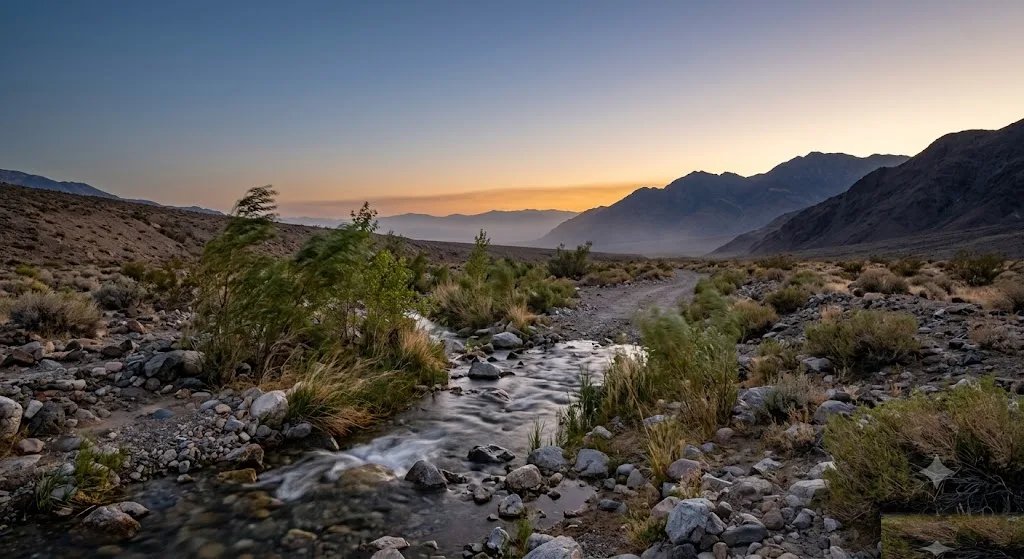
Death Valley National Park (Nevada Side) Travel Guide — Nevada
Our Death Valley National Park (Nevada Side) guide covers practical planning for Death Valley National Park (Nevada Side) Nevada — best time to visit, getting there, and what to do on the ground.
While Death Valley National Park is famously associated with California, a significant and often overlooked portion extends into Nevada, offering a distinct and equally captivating experience. Our team at Roam States has explored this rugged frontier, and we’re here to tell you that the Nevada side provides unique access to incredible desert landscapes and geological formations, often with fewer crowds. This guide focuses specifically on the Death Valley National Park (Nevada Side) Nevada, ensuring you have all the insider knowledge for an unforgettable trip into one of America’s most extreme, yet beautiful, national parks.
Why Visit Death Valley National Park (Nevada Side)
For those seeking raw, untamed wilderness and a true sense of isolation, the Nevada side of Death Valley National Park delivers. We find that this lesser-traveled approach allows for a more intimate connection with the desert's stark beauty. From the dramatic vistas of Daylight Pass to the historic remnants of mining towns, the Nevada entrance offers a different perspective on the park's vastness. It's a land of extremes, where towering mountains meet salt flats below sea level, and vibrant geological hues paint a landscape unlike any other. Visiting from Nevada also positions you perfectly to explore other incredible Silver State destinations like The Las Vegas Strip for a dose of city life or the engineering marvel of Hoover Dam, making for a diverse Nevada adventure.
Who It's Best For
Death Valley National Park (Nevada Side) is ideal for adventurers, photographers, history buffs, and anyone with a deep appreciation for unique natural phenomena. If you're someone who thrives in solitude and enjoys exploring vast, open spaces, this is your kind of destination. It's particularly appealing to those looking to escape the typical tourist paths and discover a more rugged, authentic side of the park. Families with older children who are comfortable with desert environments and longer drives will also find it rewarding, though we always recommend careful planning for younger ones due to the extreme conditions. Backpackers and stargazers will be in their element, as the remote nature of the Nevada side offers unparalleled dark sky opportunities.
Getting There & Parking
Accessing Death Valley National Park from the Nevada side typically involves driving west from major Nevada cities. The most common route for how to get to Death Valley National Park (Nevada Side) is via U.S. Route 95, heading south from Beatty, Nevada, or west from Amargosa Valley. From Las Vegas, the drive to the park's eastern entrance (near Daylight Pass or Furnace Creek) takes approximately two to two and a half hours, covering around 120-140 miles.
The main entrance from Nevada is often considered to be the Daylight Pass entrance, leading directly into the heart of the park. Another option is to enter via State Route 374 through Beatty, which takes you towards Rhyolite Ghost Town and then south into the park. We found the roads to be well-maintained, though some unpaved roads within the park require high-clearance or 4x4 vehicles, especially if you plan to explore more remote areas. Always check road conditions with the National Park Service before venturing off paved routes.
Regarding parking, you'll find ample parking lots at major viewpoints and trailheads throughout the park. For instance, popular spots like Zabriskie Point, Dante's View, and the Harmony Borax Works typically have designated parking areas. We recommend arriving early during peak season to secure the best spots, especially for popular hiking trailheads. There are no specific parking fees beyond the park entrance fee, which for 2026 is $30 per vehicle for a 7-day pass, or $25 per motorcycle for a 7-day pass. Annual Death Valley passes are $55, and the America the Beautiful National Parks and Federal Recreational Lands Pass is $80.
Top Things to Do
The Nevada side of Death Valley National Park offers a treasure trove of experiences. Our team has curated a list of the top things to do at Death Valley National Park (Nevada Side), ensuring you make the most of your visit to this incredible landscape.
- Explore Rhyolite Ghost Town: Just outside the park's eastern boundary near Beatty, Rhyolite offers a fascinating glimpse into the region's gold rush history. Wander among the crumbling bank, general store, and the unique Bottle House. It's a poignant reminder of boom and bust cycles in the desert.
- Visit the Amargosa Opera House and Hotel: Located in Death Valley Junction, this historic landmark is a cultural oasis in the desert. Marta Becket, a dancer, transformed the abandoned theater into a performance space and painted murals. While performances may be seasonal, the building itself is a sight to behold.
- Drive Daylight Pass: This scenic drive offers stunning panoramic views as you descend into the valley. It's a fantastic entry point to appreciate the scale and grandeur of Death Valley.
- Hike Golden Canyon: This popular trail, accessible from the main park road, showcases incredible badlands formations. It's one of the quintessential Death Valley National Park (Nevada Side) hiking trails, offering various loops and extensions, including routes to Red Cathedral. Always carry plenty of water and wear appropriate footwear.
- Witness Zabriskie Point: While technically just over the border into California, its proximity to the Nevada entrance makes it a must-see. The sunrise views over the eroded badlands are truly spectacular and easily one of the most photographed spots in the park.
- Stargaze at Mesquite Flat Sand Dunes: The dark skies of Death Valley are legendary. We recommend heading to the Mesquite Flat Sand Dunes after sunset for an unparalleled stargazing experience. The dunes themselves are also a fantastic spot for photography during the day.
- Visit Dante's View: Offering a breathtaking panoramic vista of the entire southern Death Valley basin, including Badwater Basin, Dante's View is a high-elevation overlook that provides a dramatic perspective on the park's vastness. It's particularly stunning at sunrise or sunset.
When considering things to do at Death Valley National Park (Nevada Side), remember to account for the extreme temperatures, especially in summer. Early mornings and late afternoons are often the best times for outdoor activities.
Death Valley National Park (Nevada Side) Hiking Trails
For those eager to lace up their boots, Death Valley National Park (Nevada Side) hiking trails offer a diverse range of experiences, from easy strolls to challenging backcountry treks. Our team emphasizes the importance of preparedness: carry more water than you think you'll need, wear sun protection, and inform someone of your plans.
- Golden Canyon Trail: As mentioned, this is a fantastic entry-level hike with options to extend to Red Cathedral or connect to Gower Gulch for a loop. The vibrant colors of the canyon walls are a highlight.
- Badwater Basin Salt Flat Trail: While not strictly a "hike" in the traditional sense, walking out onto the salt flats at Badwater Basin, the lowest point in North America, is an essential experience. It's a flat, easy walk, but the sheer scale is impressive.
- Mosaic Canyon Trail: Located on the western side of the park but accessible via a scenic drive, Mosaic Canyon offers a unique slot canyon experience with polished marble walls. It's a moderate hike that requires some scrambling.
- Desolation Canyon: For a more strenuous and less-trafficked experience, Desolation Canyon offers a challenging scramble through a narrow canyon, culminating in incredible views. This is one of the more rugged Death Valley National Park (Nevada Side) hiking trails.
Always check the National Park Service website for current trail conditions and any alerts before heading out. Backcountry permits are required for overnight trips, but most day hikes do not require one.
Best Time to Visit
The optimal time to visit Death Valley National Park, especially from the Nevada side, is during the cooler months, from late October through April. During this period, daytime temperatures are more moderate, making hiking and outdoor exploration much more enjoyable. We particularly love the spring (March and April) for the possibility of wildflowers, though this is highly dependent on rainfall.
Summers (May through September) are characterized by extreme heat, with temperatures regularly exceeding 100°F (38°C) and often reaching over 120°F (49°C). While the park remains open, our team strongly advises against strenuous activity during these months. If you must visit in summer, plan activities for very early mornings or late evenings, and stay hydrated. Many services may also have reduced hours during the peak summer heat.
Where to Stay Nearby
When planning your trip to Death Valley National Park (Nevada Side), lodging options range from rustic to resort-style, both inside and just outside the park boundaries. Our team recommends considering your budget and desired level of comfort when making your choice.
Inside the park, the Furnace Creek area offers the most comprehensive services. The Oasis at Death Valley (formerly Furnace Creek Resort) provides two distinct options: The Inn at Death Valley, a historic luxury hotel, and The Ranch at Death Valley, a more family-friendly resort. Both offer amenities like pools, dining, and golf, a welcome respite in the desert. We advise booking well in advance, especially for peak season, as these are the primary in-park Death Valley National Park (Nevada Side) lodging choices.
Outside the park, the town of Beatty, Nevada, is a popular gateway from the eastern side. It offers several motel-style accommodations, gas stations, and a few dining options. While more basic, Beatty provides a convenient and more budget-friendly base for exploring the Nevada side of the park. Amargosa Valley, further south, also has limited lodging options. For a wider range of services and a completely different experience, The Las Vegas Strip is a two-hour drive away, offering countless hotels, restaurants, and entertainment, making it a viable option for a day trip or as a starting/ending point for your Death Valley adventure.
Sample 2-Day Itinerary
To help you maximize your visit to Death Valley National Park from the Nevada side, our team has crafted a sample 2-day itinerary:
Day 1: Nevada Gateways & Eastern Wonders
- Morning (Arrival & Rhyolite): Arrive from Las Vegas or another Nevada point. Your first stop should be the historic Rhyolite Ghost Town, just outside the park near Beatty. Spend an hour or two exploring the fascinating ruins and the unique Bottle House.
- Late Morning (Daylight Pass & Keane Wonder Mine): Enter the park via Daylight Pass. Enjoy the scenic drive. Consider a stop at the Keane Wonder Mine, an old gold mine with historical structures (check current access conditions, as it can be restricted).
- Lunch (Picnic or Furnace Creek): Pack a picnic to enjoy at a scenic overlook, or head to Furnace Creek for lunch at one of the restaurants at The Ranch at Death Valley.
- Afternoon (Zabriskie Point & Badwater Basin): Drive to Zabriskie Point for iconic views of the badlands. Continue to Badwater Basin, the lowest point in North America. Walk out onto the salt flats and experience the unique landscape.
- Evening (Sunset & Stargazing): Head to Dante's View for a spectacular sunset over the valley. After dark, find a remote spot away from artificial light (like Mesquite Flat Sand Dunes) for unparalleled stargazing.
- Overnight: Stay at Furnace Creek (The Ranch or The Inn) or in Beatty, Nevada.
Day 2: Hiking & Hidden Gems
- Morning (Golden Canyon Hike): Start your day early with a hike in Golden Canyon. Choose a loop that suits your fitness level, perhaps extending to Red Cathedral. This is one of the best Death Valley National Park (Nevada Side) hiking trails.
- Late Morning (Artist's Drive & Palette): Take the scenic Artist's Drive, a one-way loop showcasing vibrant, mineral-painted hills. Stop at Artist's Palette for incredible photo opportunities.
- Lunch (Picnic or Stovepipe Wells): Enjoy another picnic amidst the scenery, or grab lunch at Stovepipe Wells Village, which has a general store and restaurant.
- Afternoon (Mesquite Flat Sand Dunes): Explore the Mesquite Flat Sand Dunes. These accessible dunes are perfect for walking and photography.
- Late Afternoon (Departure): Begin your drive back towards Nevada, perhaps stopping at the Amargosa Opera House and Hotel in Death Valley Junction for a quick cultural detour before heading towards your next Nevada destination, like Best places in Nevada or Plan Your US Trip.
Last updated: 2026-07-08 by the Roam States team.