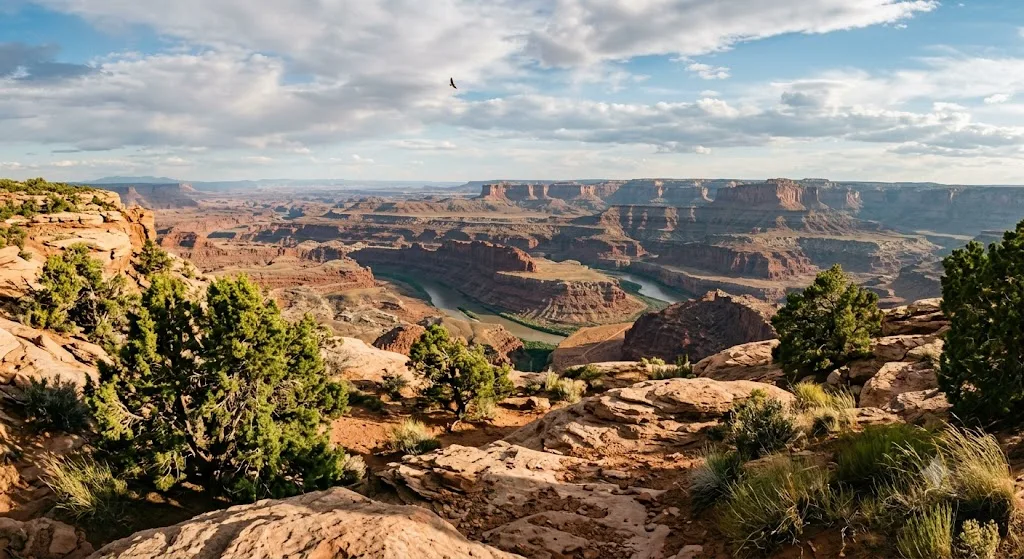
Canyonlands National Park Travel Guide — Utah
Our team at Roam States has meticulously compiled this comprehensive guide to help you navigate the vast and awe-inspiring landscapes of Canyonlands National Park Utah. We cut through the generic fluff to bring you confident, specific recommendations for an unforgettable visit. From the iconic mesa tops of Island in the Sky to the remote backcountry of The Maze, Canyonlands offers a truly unique desert experience that demands careful planning and a spirit of adventure. We'll cover everything you need to know about hours, fees, parking, and reservations for 2026, ensuring your trip is as smooth as the park's ancient sandstone formations.
Why Visit Canyonlands National Park
Canyonlands National Park stands as a testament to the raw power of geological forces, a place where the Green and Colorado Rivers have carved an intricate tapestry of canyons, mesas, and buttes. For those seeking dramatic vistas and unparalleled solitude, this park delivers. Unlike some of its more famous neighbors, Canyonlands offers a profound sense of wilderness and scale. We find that its sheer vastness and diverse districts—Island in the Sky, The Needles, The Maze, and the Rivers themselves—provide a range of experiences from easily accessible overlooks to challenging multi-day backcountry expeditions. It’s a destination that rewards both casual sightseers and seasoned adventurers with breathtaking scenery and a deep connection to the natural world.
Who It's Best For
Canyonlands National Park caters to a wide spectrum of travelers, but it particularly shines for those who appreciate expansive, rugged landscapes and seek a more immersive outdoor experience. If you’re a photographer, the dramatic light and unique formations offer endless opportunities, especially at sunrise and sunset. Hikers and backpackers will find an extensive network of trails, from easy mesa-top strolls to strenuous treks into the canyons. Off-road enthusiasts with high-clearance, four-wheel-drive vehicles will revel in the challenge of roads like the White Rim Road. Families can enjoy the easily accessible viewpoints and shorter trails in the Island in the Sky district. However, those looking for extensive visitor services, paved paths at every turn, or a bustling social scene might find Canyonlands a bit too wild. It’s ideal for visitors who are prepared to be self-sufficient and embrace the quiet grandeur of the desert.
How to Get There & Parking
Accessing Canyonlands National Park depends on which district you plan to visit, as the park's four districts are not connected by roads within the park itself. The most popular and accessible district is Island in the Sky, located approximately 32 miles (51.5 km) from Moab, Utah. To reach the Island in the Sky Visitor Center from Moab, take Highway 191 north for about 10 miles (16 km), then turn southwest onto Highway 313 for another 22 miles (35 km). The drive typically takes around 40 minutes.
The Needles district, a more remote area known for its colorful sandstone spires, is about 75 miles (120 km) from Moab. You'll drive south on Highway 191 for about 40 miles (60 km) and then turn west onto Utah Highway 211, which leads directly into the district. This drive can take approximately 1.5 hours from Moab or 1.25 hours from Monticello, Utah.
The Maze district is the most remote and challenging to access, requiring a high-clearance, four-wheel-drive vehicle and significant planning. The Hans Flat Ranger Station, the entry point for The Maze, is located 24 miles south of I-70 on Utah HWY 24, followed by a 46-mile dirt road. We advise against spontaneous trips to The Maze due to its extreme remoteness and rugged conditions.
Parking is available at visitor centers and trailheads throughout the park. During peak seasons, popular spots like Mesa Arch and Grand View Point in the Island in the Sky district can fill up quickly, especially around sunrise. Visitors should be aware of ongoing construction at Grand View Point. From July 27 through October 1, 2026, Grand View Point Overlook, Grand View Point Trail, and 0.3 miles of park road in the Island in the Sky district will close from 6 a.m. Mondays until 4 p.m. Thursdays for safety and parking improvements. Parking may also be limited during open periods due to construction equipment.
Canyonlands National Park does not require timed-entry reservations for general park entry, unlike some other nearby national parks. However, specific day-use permits are required for vehicles, motorcycles, and bicycles on popular backcountry roads such as White Rim Road, Elephant Hill Road, Lavender Canyon Road, and Peekaboo/Horse Canyon roads. These permits can be reserved online via Recreation.gov starting at 8 AM Mountain Time the day before your trip, or obtained in person at visitor centers for any unreserved permits. A $6 reservation fee applies for online permits, but there is no fee for permits obtained in person on the day of the trip (though park entrance fees still apply).
Top Things to Do
When considering things to do at Canyonlands National Park, the sheer diversity across its districts allows for a tailored experience, whether you have a few hours or several days. Our team recommends focusing on one or two districts to truly appreciate their unique character, especially given the significant driving times between them.
- Scenic Drives & Overlooks (Island in the Sky): This is the most accessible district and offers breathtaking panoramic views with minimal effort. We recommend driving the 20-mile (32.2 km) paved scenic drive, stopping at iconic overlooks like Mesa Arch (especially at sunrise), Grand View Point (be mindful of weekday closures in summer 2026), Green River Overlook, and Shafer Canyon Overlook. The views here stretch for over 100 miles, showcasing the vastness of Canyon Country.
- Backcountry Driving (White Rim Road): For those with a high-clearance, four-wheel-drive vehicle, the White Rim Road in the Island in the Sky district offers an unforgettable multi-day adventure. This 100-mile unpaved road circles beneath the mesa top, providing incredible perspectives of the canyons. Day-use permits are required and are highly competitive, so plan well in advance.
- Exploring The Needles: This district is a favorite for its distinct, colorful sandstone spires. While currently subject to temporary closure due to the Babylon Fire (through July 31, 2026, and possibly longer), when open, The Needles offers excellent hiking and four-wheel-drive roads. We recommend exploring trails like Elephant Hill or the Joint Trail for a truly immersive experience.
- Stargazing: Canyonlands National Park is an International Dark Sky Park, meaning it offers some of the best stargazing opportunities in the United States. Far from city lights, the night sky here is simply spectacular. We encourage visitors to stay after sunset and look up.
- Photography: With its dramatic landscapes, unique rock formations, and incredible light, Canyonlands is a photographer's paradise. Mesa Arch at sunrise is a classic shot, but countless other vistas offer stunning compositions throughout the day.
- Ranger Programs: Check at the visitor centers for information on ranger-led programs, which can provide valuable insights into the park's geology, ecology, and history.
These things to do at Canyonlands National Park offer a glimpse into its diverse beauty and endless opportunities for exploration.
Canyonlands National Park Hiking Trails
The Canyonlands National Park hiking trails offer experiences ranging from easy, paved strolls to challenging, multi-day backpacking expeditions. When planning your hikes, consider the district, your fitness level, and the desert conditions. Always carry plenty of water – at least one gallon (4 liters) per person per day – as dehydration is a serious risk, even in cooler temperatures.
Island in the Sky District Hiking Trails:
This district boasts the most accessible trails, many of which are short and lead to incredible overlooks. We recommend these for visitors with limited time or those traveling with children:
- Mesa Arch Trail: A short, easy 0.6-mile (1 km) loop that leads to the iconic Mesa Arch, framing the vast canyon below. It's a must-do, especially at sunrise, but be prepared for crowds.
- Grand View Point Trail: A relatively flat 2-mile (3.2 km) roundtrip hike along the rim of the canyon, offering expansive views. Note that this trail may be subject to weekday closures from July 27 through October 1, 2026, due to construction.
- Upheaval Dome Overlook Trail: A 1.6-mile (2.6 km) roundtrip hike to two overlooks offering views of a mysterious geological feature, possibly an ancient meteorite impact crater or a salt dome.
- White Rim Overlook Trail: A 1.8-mile (2.9 km) roundtrip trail providing stunning views of the White Rim Road and the Colorado River far below.
- Aztec Butte Trail: A 2-mile (3.2 km) loop that offers an excellent introduction to the district's slickrock and leads to ancestral Puebloan granaries.
The Needles District Hiking Trails:
The trails here are generally more strenuous and require more time, leading through a maze of colorful sandstone spires. Please note that The Needles district is currently closed due to the Babylon Fire until further notice, with cancellations through July 31, 2026. When open, consider:
- Cave Spring Trail: A short, easy 0.6-mile (1 km) loop that passes a historic cowboy camp and ancient pictographs.
- Slickrock Foot Trail: A moderately strenuous 2.4-mile (3.9 km) loop that navigates over slickrock, offering panoramic views of the Needles formations.
- Chesler Park Loop Trail: A challenging 10.4-mile (16.7 km) loop that traverses through the heart of the Needles, including the famous Joint Trail. This is often done as a long day hike or an overnight backpacking trip.
- Druid Arch Trail: An 11-mile (17.7 km) roundtrip strenuous hike that leads to a magnificent, unique arch formation.
For more remote and challenging Canyonlands National Park hiking trails, The Maze district offers extensive backcountry opportunities, though these require significant planning, experience, and often a high-clearance 4WD vehicle.
Best Time to Visit
Our team consistently recommends visiting Canyonlands National Park during the spring (March to May) and fall (September to October). During these seasons, the weather is typically mild and pleasant, with daytime temperatures ranging from 60-80°F (15-27°C), making it ideal for hiking, biking, and exploring the overlooks. You'll experience comfortable conditions for enjoying the various things to do at Canyonlands National Park.
Summer (June to August) brings intense heat, with temperatures often exceeding 100°F (38°C). While the park is open, we advise extreme caution if visiting during these months, emphasizing early morning or late evening activities and carrying abundant water. Thunderstorms can also occur, leading to flash floods and making unpaved roads impassable. Furthermore, wildfires can impact air quality and lead to closures, as seen with the temporary closure of The Needles district in July 2026 due to the Babylon Fire.
Winter (November to February) offers solitude and a unique beauty, with occasional snow dusting the red rock landscape. Temperatures can be quite cold, dropping below freezing, and some facilities, like visitor centers, may operate on reduced hours or close for certain holidays. While paved roads are usually plowed, backcountry roads can become impassable, and ice can be a hazard on trails. If you're prepared for cold weather and shorter daylight hours, winter can be a rewarding time to visit, but many of the popular Canyonlands National Park hiking trails may be more challenging.
Where to Stay Nearby
Given that Canyonlands National Park does not offer lodging within its boundaries, visitors typically base themselves in the nearby town of Moab, Utah. Moab is a vibrant hub for outdoor adventure, offering a wide range of accommodations, dining options, and services. From budget-friendly motels to upscale hotels and numerous vacation rentals, you'll find something to suit your needs.
For those seeking a more rustic experience, there are several campgrounds both inside and outside the park. Within Canyonlands, the Island in the Sky (Willow Flat) Campground has 12 first-come, first-served sites, open year-round, with a nightly fee of $15 per site. It offers toilets, picnic tables, and fire rings, but no water hookups for RVs. Drinking water is available seasonally outside the visitor center. The Needles Campground offers 26 individual sites and 3 group sites. Individual sites in Loop B can be reserved up to six months in advance for peak seasons (mid-March to May and September to October), while Loop A is first-come, first-served. Group sites in The Needles can be reserved from March 15 to November 15. The Needles Campground provides drinking water and flush toilets, but no electricity, showers, or dump station, and maximum vehicle length is 28 feet. Remember, The Needles district is currently closed due to fire activity, impacting campground reservations through July 31, 2026.
Outside the park, the Bureau of Land Management (BLM) manages numerous scenic campgrounds along the Colorado River and in the surrounding areas, many operating on a first-come, first-served basis for a small fee. Additionally, private RV parks and glamping resorts in Moab offer more amenities, including full hookups. We also recommend considering a stay at Dead Horse Point State Park, which is located very close to the Island in the Sky district and offers spectacular views and camping options.
Sample 2-Day Itinerary
To truly experience the grandeur of Canyonlands National Park Utah, we recommend dedicating at least two full days, focusing on the most accessible and popular district: Island in the Sky. This allows for a balance of scenic drives, short hikes, and immersive experiences without feeling rushed.
Day 1: Island in the Sky Highlights
- Morning (Sunrise to Mid-morning): Start your day early with a drive to Mesa Arch for an unforgettable sunrise photo opportunity. The parking lot fills quickly, so arrive well before dawn. After enjoying the arch, head to Grand View Point. Walk the 2-mile (3.2 km) roundtrip trail along the rim, taking in the panoramic views (check for weekday closures July 27-Oct 1, 2026).
- Late Morning to Afternoon: Continue along the scenic drive, stopping at Green River Overlook and Candlestick Tower Overlook. Consider a short hike to Upheaval Dome Overlook (1.6 miles roundtrip) to ponder its mysterious origins.
- Late Afternoon: Drive to White Rim Overlook and hike the 1.8-mile (2.9 km) roundtrip trail for stunning views of the White Rim Road and the Colorado River.
- Evening: Enjoy a picnic dinner at one of the designated picnic areas, such as White Rim Overlook or Upheaval Dome, and stay for stargazing. Canyonlands is an International Dark Sky Park, offering incredible celestial displays.
Day 2: Deeper Exploration & Backcountry Views
- Morning: For a different perspective, embark on a more challenging hike. We suggest the Syncline Loop Trail (8.3 miles, strenuous) for experienced hikers, which descends into a canyon, or the shorter but rewarding Aztec Butte Trail (2 miles, moderate) to see ancestral Puebloan granaries.
- Late Morning to Afternoon (4WD Adventure): If you have a high-clearance, four-wheel-drive vehicle and have secured a day-use permit, drive a portion of the Shafer Trail. This exhilarating road descends from the mesa top to the White Rim, offering incredible switchbacks and views. Alternatively, consider a scenic drive along Potash Road outside the park, which offers access to the Colorado River and views back up at the Island in the Sky mesa.
- Late Afternoon: Visit the Island in the Sky Visitor Center for exhibits, park information, and to speak with rangers. You can also refill water bottles here (available year-round).
- Evening: Head back towards Moab. Consider a stop at Dead Horse Point State Park for a final, iconic sunset view before returning to your accommodation.
Canyonlands National Park Camping
For those looking to immerse themselves fully in the desert environment, Canyonlands National Park camping offers a truly unforgettable experience. The park provides both developed campgrounds and extensive backcountry options, each with its own charm and requirements.
Developed Campgrounds:
- Island in the Sky (Willow Flat) Campground: Located in the Island in the Sky district, this campground has 12 individual sites. It operates on a first-come, first-served basis year-round and costs $15 per night. Facilities include toilets, picnic tables, and fire rings, but there are no RV hookups or water at the campsites themselves. Drinking water is available seasonally outside the visitor center. Sites here fill up quickly, especially during spring and fall.
- The Needles Campground: Situated in The Needles district, this campground offers 26 individual sites and 3 group sites. Individual sites in Loop B can be reserved up to six months in advance for peak seasons (mid-March to May and September to October), while Loop A is first-come, first-served. Group sites can be reserved from March 15 to November 15. The nightly fee is $20 per site. This campground provides drinking water and flush toilets, but lacks electricity, showers, or a dump station, and has a maximum vehicle length of 28 feet. It's important to note that The Needles district, including its campground, is currently under a temporary closure due to the Babylon Fire, with all reservations canceled through July 31, 2026, and further cancellations possible.
We strongly advise checking the official National Park Service website for the latest updates on closures and conditions, particularly for The Needles district in 2026.
Backcountry Camping:
For a truly remote experience, Canyonlands offers extensive backcountry camping opportunities. All overnight trips in the park's backcountry require an overnight backcountry permit. These permits are highly competitive and become available on a seasonal basis four months before the start of the season via Recreation.gov. For example, winter permits (December 10 – March 9) open on August 10, and spring permits (March 10 – June 9) open on November 10. Backcountry sites are primitive, and campers must be entirely self-sufficient, carrying all water, food, and waste out of the park. Specific permits are also needed for driving on certain four-wheel-drive roads, such as the White Rim Road, for day or overnight trips. Planning well in advance is crucial for securing these permits, especially for popular routes. Our team recommends thoroughly researching your chosen route and understanding all regulations before embarking on any backcountry Canyonlands National Park camping adventure.
Is It Worth Visiting?
Our unequivocal answer to "is Canyonlands National Park worth visiting?" is a resounding yes. While often overshadowed by its more famous neighbor, Arches National Park, Canyonlands offers a distinct and equally compelling experience that we believe is essential for any serious Utah itinerary. Its vastness, geological diversity, and profound sense of solitude set it apart.
For those who appreciate raw, untamed wilderness and dramatic, sweeping vistas, Canyonlands delivers in spades. The Island in the Sky district, with its easily accessible overlooks and short trails, provides some of the most iconic views in the Southwest, making it incredibly rewarding even for a short visit. The sheer scale of the landscape, carved by the Green and Colorado Rivers, is truly humbling. Furthermore, the opportunity for adventure, from challenging backcountry hikes and four-wheel-drive expeditions to world-class stargazing, makes it a destination with depth.
However, it's important to set expectations. Canyonlands is not a park of singular, easily digestible "attractions" like some others. Its beauty lies in its expansive panoramas and the feeling of being in a truly wild place. If you're seeking manicured trails, abundant amenities, or the crowds that often accompany them, you might find Canyonlands less appealing. But for those who embrace self-sufficiency, appreciate the quiet grandeur of the desert, and are prepared for varying levels of adventure, the answer to "is Canyonlands National Park worth visiting?" is an emphatic yes. We consider it a cornerstone of any comprehensive trip to Utah's national parks.
Last updated: 2026-07-13 by the Roam States team.