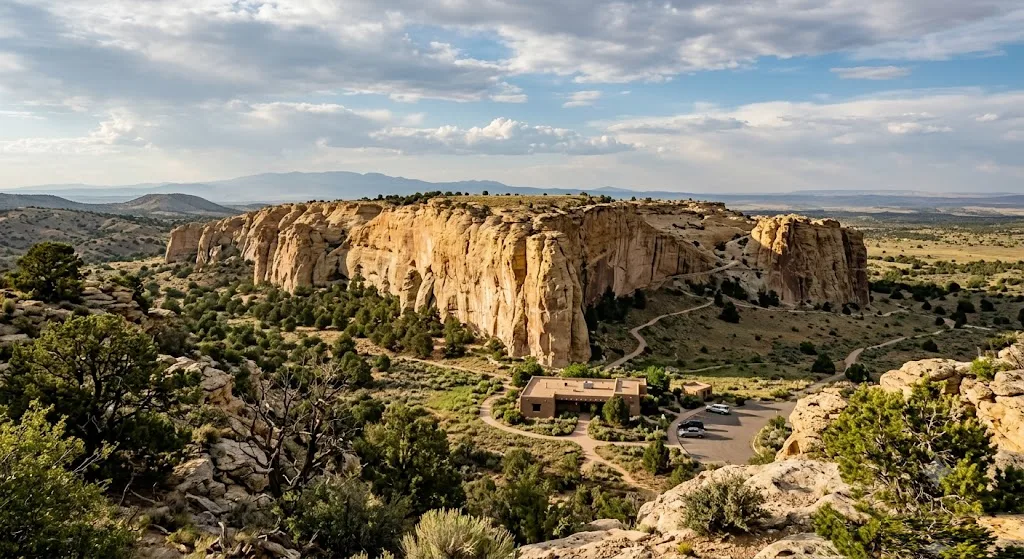
Our El Morro National Monument guide covers practical planning for El Morro National Monument New Mexico — best time to visit, getting there, and what to do on the ground.
As the Roam States editorial team, we’re dedicated to bringing you the most accurate and actionable travel advice for the American West. When it comes to truly unique historical sites, El Morro National Monument New Mexico stands out as an essential stop for any history buff or nature enthusiast. This ancient watering hole in the arid landscape has served as a vital respite for travelers for centuries, leaving behind a remarkable "guest book" etched into the sandstone bluff. Here, ancestral Puebloans, Spanish conquistadors, and American pioneers alike carved their stories, dates, and messages, creating a living timeline in stone. Beyond the captivating inscriptions, visitors can explore the ruins of Atsinna, an ancestral pueblo atop the mesa, offering panoramic views and a deeper connection to the region's rich past. Our team has compiled this comprehensive guide to help you plan an unforgettable journey to this extraordinary New Mexico destination.
Why Visit El Morro National Monument
Visiting El Morro National Monument offers a profound journey through time, allowing us to walk in the footsteps of countless travelers who sought refuge and left their mark on this remarkable sandstone bluff. The monument is a rare convergence of natural beauty and human history, where a reliable waterhole sustained life and passage for over a thousand years. What makes El Morro truly special are the more than 2,000 petroglyphs and inscriptions carved into the cliffs, a testament to the diverse cultures that passed through this area.
For those wondering, is El Morro National Monument worth visiting? We unequivocally say yes. The sheer volume and historical significance of the inscriptions, from 17th-century Spanish explorers like Don Juan de Oñate (who carved his name in 1605, 15 years before the Pilgrims landed at Plymouth Rock) to 19th-century American pioneers, provide a tangible link to the past that few other sites can offer. Beyond the "stone guest book," the monument also features the partially excavated ruins of Atsinna Pueblo on the mesa top, offering insights into Ancestral Puebloan life around 1275 CE. The combination of these historical layers set against the dramatic high-desert landscape makes for an incredibly rewarding experience. It's a place where every turn in the trail reveals another chapter of human endeavor and resilience, making it well worth the trip.
Who It's Best For
El Morro National Monument is an ideal destination for a wide range of visitors, particularly those with a keen interest in history, archaeology, and the natural world. It's perfect for:
- History Buffs: With over 2,000 inscriptions and petroglyphs spanning centuries, El Morro is a living historical document. From Ancestral Puebloan rock art to Spanish and American pioneer signatures, the stories etched into the rock offer a unique glimpse into the past.
- Archaeology Enthusiasts: The ruins of Atsinna Pueblo atop the mesa provide a fascinating look into Ancestral Puebloan daily life and architecture. While only partially excavated, the site offers a powerful connection to the people who once thrived here.
- Hikers and Nature Lovers: The monument offers two distinct trails—the accessible Inscription Rock Trail and the more strenuous Headland Trail—that wind through stunning sandstone formations and offer breathtaking views of the surrounding New Mexico landscape. The natural pool at the base of the bluff, a vital water source for millennia, is also a highlight.
- Families with Older Children: While younger children might enjoy the shorter Inscription Rock Trail, the historical context and the longer, more challenging Headland Trail are particularly engaging for older kids and teenagers who can appreciate the stories behind the carvings and the physical challenge of the hike.
- Road Trippers: Located off Highway 53, El Morro makes for an excellent stop on a New Mexico road trip, especially when combined with nearby attractions like El Malpais National Monument. It offers a peaceful and educational break from driving.
- Those Seeking Solitude: While popular, El Morro often provides a quieter, more contemplative experience compared to larger national parks. Its remote location contributes to a sense of peaceful immersion in history and nature.
It might be less suitable for those looking for extensive amenities, luxury accommodations right at the site, or high-adrenaline activities, as the focus here is on quiet exploration and historical appreciation.
Getting There & Parking
Reaching El Morro National Monument requires a bit of driving, as it’s situated in a more remote part of western New Mexico, but the journey is well worth the effort for the historical treasures awaiting you. For those wondering how to get to El Morro National Monument, we've outlined the primary routes.
Directions to El Morro National Monument
- From Albuquerque (East): Take Interstate 40 west to Grants, New Mexico. At Exit 81, head south on Highway 53 for approximately 42 miles until you reach El Morro National Monument.
- From Flagstaff, Arizona (West): Take Interstate 40 east to Gallup, New Mexico. At Exit 20, drive south on Highway 602 for about 31 miles. Then, turn east (left) onto Highway 53, and El Morro will be another 25 miles down the road.
The monument is located off Highway 53, and you will see clear signs directing you to the visitor center. While the drive is generally smooth, our team advises checking weather conditions, especially during summer for potential thunderstorms or in winter for snow and ice, which can affect road and trail access.
Parking at El Morro National Monument
Upon arrival, you'll find ample parking available at the visitor center. The parking pads are designed to accommodate a range of vehicles, including RVs and those towing trailers, with a maximum RV length of 27 feet for the campground. The parking area is conveniently located near the visitor center, where both hiking trails begin. There are picnic tables adjacent to the oversize vehicle parking lot, available for day use between 9 AM and 5 PM. No reservations are required for parking at the monument itself.
It's important to note that while the campground is open 24/7, the visitor center parking lot closes at 5:00 PM, and hiking the park trails after hours is not permitted. So, plan your arrival and departure accordingly to ensure you have enough time to explore without rushing. This information is key to understanding how to get to El Morro National Monument and ensures a smooth start to your visit.
Top Things to Do
El Morro National Monument, while compact, offers a wealth of activities centered around its unique historical and natural features. Our team recommends focusing on the trails and the visitor center to fully appreciate this remarkable site. For those seeking things to do at El Morro National Monument, here’s our curated list:
Hiking the Inscription Rock Trail
This is the quintessential El Morro experience. The Inscription Rock Trail is a relatively easy, paved, half-mile (0.75 miles according to NPS) loop that takes approximately 45 minutes to complete. It’s wheelchair accessible with assistance for much of its length and is suitable for most visitors. Along this trail, you'll encounter hundreds of petroglyphs carved by Ancestral Puebloans, as well as the famous historical inscriptions left by Spanish and American travelers. The trail also leads to "the pool," a crucial water source that made El Morro a vital stopping point for centuries. We suggest picking up a self-guided trail booklet at the visitor center to enhance your understanding of the various carvings. Visitors must start this trail no later than 4:00 PM.
Exploring the Headland Trail and Atsinna Pueblo
For a more strenuous but incredibly rewarding experience, combine the Inscription Rock Trail with the Headland Trail. This two-mile loop includes the Inscription Trail and ascends to the top of the sandstone bluff, offering panoramic views of the Zuni Mountains and El Morro Valley. The Headland Trail involves a 250-foot elevation gain and features uneven surfaces, including 132 stairs or switchbacks, so sturdy footwear is recommended. At the summit, you’ll discover the partially excavated ruins of Atsinna Pueblo, an Ancestral Puebloan dwelling that may have housed up to 1500 people between 1275 and 1350 CE. This trail typically takes about 1.5 to 2 hours to complete. Portions or all of the Headland Trail may close during winter months due to snow and ice, so check with rangers for current conditions. Hikers must begin this trail no later than 2:30 PM.
Visitor Center & Museum
Your visit should always begin at the El Morro National Monument Visitor Center. Here, park rangers and volunteers are available to answer questions and orient you to the monument. The visitor center features exhibits spanning over 700 years of human history in the area and offers a 15-minute video that provides an excellent introduction to El Morro's cultural and natural history. There's also a bookstore where you can find souvenirs and educational materials. The visitor center is wheelchair accessible.
Camping at the Monument
El Morro National Monument offers a free, nine-site campground that operates year-round on a first-come, first-served basis. Each site includes a graveled tent pad, picnic table, and ground grill for fires. While water is available during warmer months, it is turned off when temperatures drop below freezing. There are no hookups for RVs, and the length limit for RVs is 27 feet. The campground occasionally fills up on weekends from May through September. This provides a rustic and immersive experience under the dark New Mexico skies.
Things to do in Ramah and Nearby
While El Morro National Monument is the main draw, there are other things to do in Ramah and the surrounding area that can complement your visit. Ramah itself is a small village offering a blend of natural beauty and culture.
- Wild Spirit Wolf Sanctuary: Located near Ramah, this sanctuary is dedicated to rescuing and providing a safe haven for wolves and wolf-dogs. It offers educational tours and a chance to observe these majestic animals.
- Zuni Pueblo: Explore the vibrant culture and exquisite craftsmanship of the Zuni people. The Zuni Pueblo is known for its unique jewelry and traditional arts.
- El Malpais National Monument: Located east of El Morro, El Malpais offers a dramatic landscape of volcanic features, including lava flows, cinder cones, and ice caves. It's an excellent destination for further hiking and exploration, and a great sibling destination to link to your trip to El Morro. You can find more information about El Malpais National Monument on our site.
- Bluewater Lake State Park: Offers camping, fishing, and boating, providing a different kind of outdoor experience in the region.
These additional things to do in Ramah and the vicinity allow for a more extended and diverse exploration of this fascinating corner of New Mexico.
Best Time to Visit
Choosing the best time to visit El Morro National Monument can significantly enhance your experience, as weather conditions in this high-desert environment can vary dramatically. Our team has considered the seasonal changes and trail accessibility to provide our recommendations.
Spring (March to May) and Fall (September to November)
We consider spring and fall to be the ideal seasons for visiting El Morro National Monument. During these months, temperatures are generally mild and pleasant, making for comfortable hiking conditions. The skies are often clear, perfect for photography and stargazing. In spring, you might catch some desert wildflowers, while fall brings crisp air and beautiful light. The campground is less likely to fill up compared to peak summer weekends.
Summer (June to August)
Summer can be a popular time to visit, but it also brings higher temperatures and the possibility of afternoon thunderstorms. While the monument offers shade at the base of the bluff, hiking the Headland Trail during midday can be challenging due to the heat. If you visit in summer, we advise starting your hikes early in the morning to avoid the hottest part of the day and carrying plenty of water. The campground can occasionally fill up on weekends from May through September.
Winter (December to February)
Winter offers a unique, quieter experience, but requires careful planning. The monument can experience snow and ice, which may lead to the closure of portions or all of the Headland Trail. The Inscription Trail generally remains open. While the campground is open year-round, water may be shut off at the park once freezing temperatures are reached. The visitor center and park trails also operate on reduced hours during winter (October 18, 2026 - May 27, 2027), being closed on Tuesdays and Wednesdays. If you plan a winter visit, check current trail conditions and visitor center hours before you go. Despite these considerations, the stark beauty of the snow-dusted landscape can be incredibly rewarding.
Operating Hours and Fees (2026)
As of 2026, the El Morro National Monument Visitor Center and park trails operate with seasonal hours:
- Summer Hours (May 24, 2026 - October 17, 2026): Open daily from 9:00 AM to 5:00 PM Mountain Time.
- Winter Hours (October 18, 2026 - May 27, 2027): Open Thursday through Monday, from 9:00 AM to 5:00 PM Mountain Time. Closed on Tuesdays and Wednesdays.
- The visitor center and park trails are closed on Thanksgiving Day, December 25, and January 1.
- Trail Entry Cut-off Times: To ensure visitors can complete their hikes before closing, you must begin the Headland Trail no later than 2:30 PM and the Inscription Loop Trail no later than 4:00 PM.
Admission to El Morro National Monument is $3 per person for those 16 and older, valid for 7 consecutive days. Children under 16 are free. Interagency Annual, Senior, and Access Passes are honored and can be purchased at the visitor center. There is no fee for exploring the visitor center itself. The monument's campground is free and open 24/7 year-round.
Where to Stay Nearby
Given El Morro National Monument's somewhat remote location, finding suitable El Morro National Monument lodging requires a bit of planning. While the monument offers a basic campground, many visitors prefer the comfort of a bed and breakfast, cabin, or hotel in nearby towns. Our team has scouted the best options for El Morro National Monument lodging and surrounding areas.
On-Site Camping
As mentioned, El Morro National Monument provides a free, nine-site campground open year-round on a first-come, first-served basis. Each site is equipped with a graveled tent pad, picnic table, and ground grill. While water is available during warmer months, it's turned off in winter. RVs up to 27 feet can be accommodated, but there are no hookups. This is an excellent option for those seeking a rustic, immersive experience directly within the monument's serene environment.
Ramah Area Lodging
The small village of Ramah is the closest community to El Morro, offering a few unique, smaller-scale lodging options:
- El Morro RV Park & Cabins: This private enterprise offers cabins, RV, and tent camping, along with a cafe. The cabins are noted for being well-appointed with private baths, coffeemakers, and refrigerators, and the RV sites offer full hookups and showers. It's a convenient option for those who want more amenities than the monument's campground.
- Cimarron Rose Bed & Breakfast: Located about 30 miles southwest of Grants on NM 53, this eco-friendly inn offers three suites with full kitchens, patios, and a focus on natural comfort. It's ideal for a quiet, romantic getaway or families seeking a more secluded and unique stay amidst ponderosa pine forests.
- Cabin Rentals: You can find various cabin rentals in the Ramah and Pinehill areas, often offering a peaceful, off-grid retreat experience. Options like "Peaceful off grid cabin retreat in Candy Kitchen NM near El Morro Natl Monument" or "Charming Dragonfly Casita with WiFi in Pinehill" are available for booking.
Grants and Gallup Lodging
For a wider selection of hotels, restaurants, and services, you'll need to look to the larger towns of Grants (approximately 43 miles east) or Gallup (approximately 56 miles northwest). These towns offer more conventional hotel chains and amenities:
- Grants, NM: Options include Best Western Grants Inn, Quality Inn & Suites Grants - I-40, Super 8 by Wyndham Grants, and Days Inn by Wyndham Grants. Grants also serves as a gateway to El Malpais National Monument.
- Gallup, NM: Further afield but with more choices, Gallup offers hotels like El Rancho (a historic option), USA RV Park with full hookups, and other chain motels. Gallup is a larger hub with more dining and shopping opportunities.
When considering El Morro National Monument lodging, we recommend booking in advance, especially if you plan to visit during peak seasons or weekends, as options close to the monument are limited.
Sample 2-Day Itinerary
To fully experience El Morro National Monument and its surrounding natural and cultural attractions, our team suggests a leisurely two-day itinerary. This allows ample time for exploration without feeling rushed, offering a deeper appreciation for the history and landscape of this unique corner of New Mexico.
Day 1: Immersion at El Morro National Monument
Morning (9:00 AM - 1:00 PM): History and Inscriptions
- Arrival & Visitor Center: Begin your day at the El Morro National Monument Visitor Center. Watch the 15-minute introductory film and explore the exhibits to gain context for your visit. Pick up a self-guided trail brochure.
- Inscription Rock Trail: Embark on the 0.75-mile (or 0.5-mile) Inscription Rock Trail. Take your time to carefully observe the thousands of petroglyphs and historical inscriptions, including Don Juan de Oñate's famous carving from 1605. Don't miss the natural pool, a vital water source for centuries. Allow 1-1.5 hours.
- Headland Trail & Atsinna Pueblo: Continue directly onto the Headland Trail, which ascends to the mesa top. This 2-mile loop (including the Inscription Trail) is moderately strenuous, so wear sturdy shoes and carry water. Explore the partially excavated ruins of Atsinna Pueblo, a large Ancestral Puebloan village, and soak in the expansive views of the surrounding landscape. Allow 2-3 hours for the full Headland Trail. Remember to start this trail by 2:30 PM.
Lunch (1:00 PM - 2:00 PM): Picnic at the Monument
- Enjoy a packed lunch at the picnic tables near the visitor center or at your campsite if you're staying at the monument's campground.
Afternoon (2:00 PM - 5:00 PM): Further Exploration or Relaxation
- Visitor Center Revisited: If you have more questions or want to browse the bookstore, return to the visitor center.
- Photography & Reflection: Spend time capturing the unique beauty of the sandstone cliffs, especially as the light changes in the afternoon. Reflect on the history you've encountered.
Evening: Camping or Local Stay
- On-site Camping: Set up camp at the free, first-come, first-served El Morro National Monument campground. Enjoy a quiet evening under the stars.
- Nearby Lodging: Alternatively, check into one of the cabins at El Morro RV Park & Cabins or a charming B&B like Cimarron Rose Bed & Breakfast in the Ramah area.
Day 2: Exploring the Wider Ramah Area
Morning (9:00 AM - 12:00 PM): Wildlife and Culture
- Wild Spirit Wolf Sanctuary: Drive to the Wild Spirit Wolf Sanctuary near Ramah. Take a guided tour to learn about wolves and wolf-dogs and the sanctuary's conservation efforts. This offers a different perspective on the region's natural inhabitants.
- Zuni Pueblo: Continue to the Zuni Pueblo to experience the rich cultural heritage of the Zuni people. Explore their art and craftsmanship, particularly their renowned jewelry.
Lunch (12:00 PM - 1:00 PM): Local Flavors
- Grab lunch in Ramah or at the cafe at El Morro RV Park & Cabins if you're staying there.
Afternoon (1:00 PM - 5:00 PM): Volcanic Landscapes or State Park Fun
- Option A: El Malpais National Monument: Head east to El Malpais National Monument. Explore the dramatic lava flows, cinder cones, and perhaps hike to La Ventana Natural Arch. This area provides a stark contrast to El Morro's sandstone bluffs and offers more opportunities for hiking and geological exploration. Our team recommends a visit to El Malpais National Monument for its unique volcanic landscape.
- Option B: Bluewater Lake State Park: If you prefer water activities, drive to Bluewater Lake State Park for fishing, boating, or simply enjoying the lakeside scenery.
Evening: Departure or Extended Stay
- Depart for your next destination, perhaps continuing your New Mexico adventure to places like Bandelier National Monument or even the Albuquerque International Balloon Fiesta if timing aligns. For more ideas, explore our guide to the Best places in New Mexico.
- Alternatively, extend your stay in Grants or Gallup for a wider selection of dining and lodging options.
This itinerary provides a balanced approach to experiencing both the historical depth of El Morro and the broader natural and cultural offerings of the surrounding region. Remember to check current operating hours and conditions for all attractions, especially for 2026.
Last updated: 2026-07-13 by the Roam States team.