Flint Hills National Scenic Byway Travel Guide — Kansas
Welcome to the heart of the American prairie, where the Flint Hills National Scenic Byway Kansas offers an unparalleled journey through one of the nation's most distinctive and well-preserved landscapes. Our Flint Hills National Scenic Byway guide covers practical planning for this captivating route — including the best time to visit, how to get there, and what to do on the ground. We cut through the generic travel fluff to bring you confident, specific recommendations for an unforgettable experience.
Why Visit Flint Hills National Scenic Byway
The Flint Hills National Scenic Byway in Kansas isn't just another road; it's a living testament to America's natural heritage. This 47-mile stretch of Kansas Highway 177, running from Council Grove in the north to Cassoday in the south, carves a path through the last substantial remnant of tallgrass prairie on Earth. We believe it's a must-visit for anyone seeking to connect with an ancient landscape that has largely remained unchanged for thousands of years.
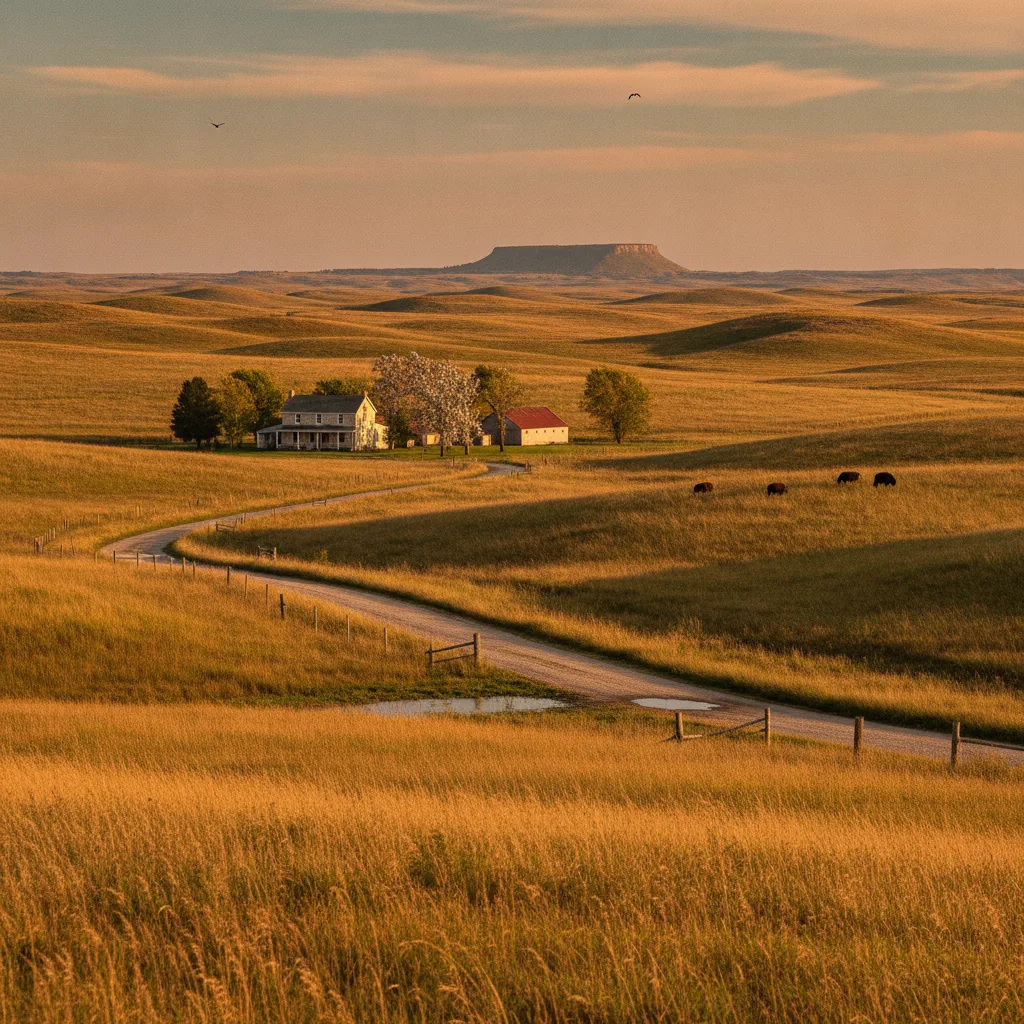
As you traverse the byway, you'll witness rolling hills carpeted in native grasses and wildflowers, a sight that once covered 170 million acres across the Great Plains. Today, only about 4% of this ecosystem remains, with the largest portion safeguarded right here in the Flint Hills. This journey offers more than just scenic beauty; it's an immersive experience into the ecology, history, and culture that shaped this unique region. From the majestic bison herds roaming freely at the Tallgrass Prairie National Preserve to the charming small towns steeped in Santa Fe Trail history, the byway provides a profound sense of place and time. It's a chance to step back from the modern world and appreciate the rugged beauty and serene unspoiled landscape that defines the true American West.
Who It's Best For
The Flint Hills National Scenic Byway is best for travelers who appreciate natural beauty, American history, and a slower pace of exploration. It's ideal for:
- Nature Enthusiasts: Those who yearn to witness one of the world's most endangered ecosystems, the tallgrass prairie, in its near-original state will find this byway deeply rewarding. The opportunity for wildlife viewing, particularly the bison at Tallgrass Prairie National Preserve, is a major draw.
- History Buffs: With towns like Council Grove, a historic stop on the Santa Fe Trail, and the Chase County Courthouse in Cottonwood Falls, the oldest working courthouse in Kansas, the byway is rich in stories of pioneers and Native American heritage. Sites like the Kaw Mission State Historic Site and Pioneer Bluffs offer tangible links to the past.
- Road Trippers: At approximately 47-48 miles long, the byway offers a manageable and incredibly scenic drive that can be completed in an hour without stops, or extended into a day or two of leisurely exploration. It's a perfect segment for a larger USA road trip.
- Photographers: The expansive vistas, unique flora and fauna, historic architecture, and dramatic skies provide endless opportunities for stunning landscape and documentary photography.
- Families: Many attractions, including the Tallgrass Prairie National Preserve with its hiking trails and educational programs, and the Flint Hills Discovery Center, offer engaging experiences for all ages.
If you're looking for bustling cities, theme parks, or extensive nightlife, this might not be your primary destination. However, if you seek tranquility, natural wonder, and a deep dive into a unique slice of Americana, the Flint Hills National Scenic Byway Kansas delivers an unparalleled experience.
Getting There & Parking
Understanding how to get to Flint Hills National Scenic Byway and where to park is essential for a smooth trip. The byway itself is Kansas Highway 177, a two-lane paved road that stretches approximately 47 to 48 miles through Morris, Chase, and Butler Counties.
Starting Points
You can begin your journey from either end of the byway:
- Northern Terminus: Council Grove: Located at the intersection of US-56 and K-177. Council Grove is easily accessible from Topeka (approximately 60 miles southwest via I-335/Kansas Turnpike to Emporia, then US-50 and K-177) or Kansas City International Airport (just under a two-hour drive).
- Southern Terminus: Cassoday: The byway concludes in Cassoday. This end is roughly 85 miles northeast of Wichita (via I-35, US-50, and K-177).
The byway is easily reached from major routes like the Kansas Turnpike (I-35), I-70, U.S. 50, and U.S. 56. We recommend using a reliable GPS or map application, but also tuning your car radio to 1680 AM while driving the byway for insightful programs about the region's history and natural environment.
Parking Along the Byway
Parking along the Flint Hills National Scenic Byway is generally straightforward and plentiful, especially at key attractions and in the small towns. There are no fees along the byway itself.
- Tallgrass Prairie National Preserve: The preserve offers ample free parking at its Visitor Center. The Visitor Center also has accessible parking available 24 hours daily.
- Towns (Council Grove, Cottonwood Falls, Strong City, Matfield Green, Cassoday): Street parking is typically available in these small communities. Look for designated parking areas near shops, restaurants, and historic sites. For example, Strong City's Caboose Park offers an informational kiosk and parking.
- Scenic Overlooks: Keep an eye out for pull-off signs indicating scenic overlooks, such as the one just south of Cottonwood Falls, which provide dedicated parking areas for visitors to stop and enjoy the panoramic views.
- Pioneer Bluffs: This historic site provides parking on its 12-acre grounds.
While there are no specific Flint Hills National Scenic Byway parking fees for the byway itself, be aware that some private attractions or events might have their own parking arrangements or charges. We always advise checking the specific details for any destination you plan to visit. For general planning, remember that most areas along the byway offer convenient and free parking.
Top Things to Do
The Flint Hills National Scenic Byway offers a wealth of experiences, from immersing yourself in the vast tallgrass prairie to exploring charming historic towns. Here are our top recommendations for things to do at Flint Hills National Scenic Byway, ensuring you capture the essence of this unique Kansas landscape.
Tallgrass Prairie National Preserve
This is arguably the crown jewel of the byway and one of the most important things to do at Flint Hills National Scenic Byway. The preserve protects 11,000 acres of the last remaining tallgrass prairie ecosystem. We recommend starting at the Visitor Center, which offers a 10-minute orientation film, exhibits, and maps. The hiking trails are open 24/7 year-round, allowing you to explore the prairie on foot. Keep an eye out for the bison herd that roams freely within the preserve. The historic ranch buildings, including an 1881 ranch house and limestone barn, offer a glimpse into the region's ranching heritage. The Lower Fox Creek School, a one-room schoolhouse, is open daily from 9:00 AM to 4:00 PM from May 1 to December 31. No advance reservations are needed to visit the preserve itself, but ranger-led group and school tours should be scheduled at least two weeks in advance.
Explore Historic Council Grove
As the northern gateway to the byway, Council Grove is rich in Santa Fe Trail history. It's a fantastic place for things to do in Council Grove. We suggest visiting the Kaw Mission State Historic Site and Museum, which tells the story of the Kaw Nation. Don't miss the Hays House Restaurant, claiming to be the oldest continuously operating restaurant west of the Mississippi River, dating back to 1857. Take a stroll through the downtown area, which is listed on the National Register of Historic Places. You can also find the wooden Pioneer Jail, dating to 1849.
Discover Cottonwood Falls and Strong City
These two towns, just a few miles apart, offer a concentrated dose of Flint Hills charm and history. For things to do in Cottonwood Falls, the Chase County Courthouse is a must-see. Built in the early 1870s, it's the oldest working courthouse in Kansas and a stunning example of French Renaissance architecture. In Strong City, visit the Caboose Park for an informational kiosk and to see the 1903 Atchison, Topeka & Santa Fe Railroad Depot.
Visit Pioneer Bluffs
Located near Matfield Green, Pioneer Bluffs is a 12-acre historic Rogler homestead dedicated to preserving the ranching heritage of the Flint Hills. The grounds are open during daylight hours, seven days a week, offering a self-guided tour via QR codes. Explore the iconic 1915 barn, a 1916 granary with ranching exhibits, a 1908 farmhouse, and a log cabin. This tranquil spot is perfect for a picnic or a hike along Crocker Creek. While the buildings are generally available most weekdays, volunteer workdays, and special events, calling or texting ahead for an appointment is recommended if you wish to visit the interiors.
Experience the Flint Hills Discovery Center (Manhattan)
While not directly on the byway, the Flint Hills Discovery Center in Manhattan is a vital interpretive center for the entire Flint Hills region and easily accessible for those exploring Kansas. We recommend a visit to learn more about the ecology, history, and culture of the tallgrass prairie. It features interactive exhibits and a dramatic 4D immersive film. Admission for adults (18-64) is $12, youth (2-17) is $7, and seniors (65+) are $10. The center is open Tuesday through Saturday from 10:00 AM to 5:00 PM and Sunday from 12:00 PM to 5:00 PM, but is closed to the public on Mondays.
Scenic Overlooks and Wildlife Viewing
Throughout the byway, numerous opportunities exist for stunning scenic views. The Schrumpf Hill Scenic Overlook, three miles south of Cottonwood Falls on K-177, offers incredible panoramic views of the prairie. Chase County State Lake, west of Cottonwood Falls, is another excellent spot for viewing wildlife. The Flint Hills Wildlife Drive (road conditions permitting) also provides a chance to explore the backcountry. For bird watchers, Cassoday is known as the "Prairie Chicken Capital of the World."
These things to do at Flint Hills National Scenic Byway provide a comprehensive look at what makes this region so special. For more ideas on exploring the state, check out our guide to best places in Kansas.
Best Time to Visit
The Flint Hills National Scenic Byway offers a unique appeal throughout the year, but the best time to visit largely depends on what you hope to experience. Our team generally recommends late spring through early fall for the most vibrant scenery and comfortable weather.
- Spring (April to May): This is an excellent time to witness the prairie awakening. The grasses begin to green, and early wildflowers emerge. The temperatures are generally mild and pleasant for hiking and exploring. However, be prepared for potential spring rains and rapidly changing weather conditions. This is also when prescribed burns often occur, which, while visually striking, can sometimes cause temporary closures or smoky conditions.
- Summer (June to August): The prairie is at its most lush and green during the summer months, with a spectacular display of wildflowers in full bloom. This is an ideal time for hiking and outdoor activities. Expect warm to hot temperatures and higher humidity, especially in July and August. Thunderstorms are possible, and lightning can be a danger when hiking.
- Fall (September to October): Fall brings cooler temperatures and the stunning transformation of the tallgrass prairie into a sea of gold, rust, and amber. The changing colors provide a different, yet equally beautiful, photographic opportunity. This is a very comfortable time for outdoor exploration.
- Winter (November to March): While less vibrant, the winter landscape of the Flint Hills offers a stark, serene beauty. Snow can transform the prairie into a quiet, picturesque scene. However, temperatures can drop significantly, and some services or attractions might have reduced hours. For instance, the Tallgrass Prairie National Preserve Visitor Center is closed on Mondays and Tuesdays from November 1 to March 31, though the historic buildings remain open seven days a week.
For motorcyclists, April to October is considered the ideal time to ride the byway. Overall, we find that late spring and early fall strike the best balance for comfortable weather and stunning natural beauty along the Flint Hills National Scenic Byway.
Where to Stay Nearby
When planning your trip along the Flint Hills National Scenic Byway Kansas, finding the right lodging is key to enhancing your experience. While the byway itself is a scenic drive, the charming small towns along and near the route offer a variety of accommodations. Here are our recommendations for Flint Hills National Scenic Byway lodging.
Cottonwood Falls & Strong City
These two towns are centrally located on the byway and offer some of the most convenient and charming Flint Hills National Scenic Byway lodging options. You'll find a selection of historic inns and bed and breakfasts that provide a cozy, local experience.
- Grand Central Hotel & Grill (Cottonwood Falls): This historic hotel, dating back to 1884, offers beautifully restored rooms and a highly-regarded restaurant. It's an excellent choice for those seeking a blend of history and comfort.
- Local Bed & Breakfasts: Look for smaller, independently owned B&Bs in both Cottonwood Falls and Strong City for a personalized stay. These often provide insights into local culture and history.
Council Grove
As the northern terminus of the byway, Council Grove provides additional lodging choices, particularly if you're starting your journey from this end.
- Historic Hotels and Motels: Council Grove has a few historic hotels and modern motels that cater to travelers. These offer a convenient base for exploring the town's Santa Fe Trail sites.
Matfield Green
For a truly immersive and unique experience, consider staying near Matfield Green. This tiny community offers a more remote and artistic vibe.
- Matfield Station: This unique spot sometimes offers cottages for overnight stays, providing a tranquil prairie experience. It's worth checking for availability if you're looking for something off the beaten path.
- Pioneer Bluffs: While primarily an event venue, Pioneer Bluffs is located in Matfield Green and its website notes "many lodging options nearby" for those attending events or exploring the area.
Emporia
Located a short drive east of Strong City on US-50, Emporia is a larger city that offers a wider range of chain hotels and amenities, including more dining and shopping options. If you prefer more modern conveniences or are looking for budget-friendly options, Emporia is a good choice for Flint Hills National Scenic Byway lodging.
Camping
For those who prefer to sleep under the vast Kansas sky, camping options are available nearby. While camping is not allowed within the Tallgrass Prairie National Preserve itself, areas like Chase County State Lake or private campgrounds in the vicinity offer opportunities. For example, Basecamp Flint Hills is located on the Flint Hills Trail State Park and offers tent camping, a bunkhouse, and RV sites, about 20 miles east of Council Grove. Emporia RV Park also provides RV sites and tent camping options.
We recommend booking your Flint Hills National Scenic Byway lodging in advance, especially during peak seasons or for special events like the Symphony in the Flint Hills, which draws significant crowds.
Sample 2-Day Itinerary
To fully appreciate the Flint Hills National Scenic Byway Kansas, we recommend dedicating at least two days. This allows for a leisurely pace, with ample time to explore the natural wonders and charming towns without feeling rushed. This sample itinerary starts from the north, but can easily be reversed.
Day 1: Council Grove to Cottonwood Falls & Strong City
- Morning (Council Grove): Begin your journey in Council Grove. We suggest exploring the Kansas Tourism recommended Kaw Mission State Historic Site to learn about the Kaw Nation's history. Visit the historic Hays House Restaurant for breakfast or an early lunch. Take a walk through the historic downtown area, which is part of the National Register of Historic Places.
- Afternoon (Tallgrass Prairie National Preserve): Drive south on K-177 to the Tallgrass Prairie National Preserve, just north of Strong City. Dedicate a significant portion of your afternoon here. Start at the Visitor Center for orientation, then embark on one of the many hiking trails. Consider the Bottomland Trail for an easy walk or a longer backcountry trail to spot bison. Explore the historic ranch buildings and the Lower Fox Creek Schoolhouse.
- Late Afternoon/Evening (Cottonwood Falls & Strong City): Head south to Cottonwood Falls. Visit the stunning Chase County Courthouse. Explore the small shops in Cottonwood Falls. For dinner, enjoy a meal at a local eatery, perhaps the Grand Central Hotel & Grill. Check into your lodging in Cottonwood Falls or Strong City.
Day 2: Strong City to Cassoday & Beyond
- Morning (Pioneer Bluffs & Matfield Green): After breakfast, continue south on K-177. Stop at Pioneer Bluffs near Matfield Green. Spend an hour or two exploring the historic homestead, walking the grounds, and learning about the ranching heritage. If available, explore the PrairyArt Path near Matfield Station for unique art installations amidst the prairie.
- Late Morning (Scenic Overlooks): Continue your drive, stopping at various scenic overlooks, such as the Schrumpf Hill Scenic Overlook south of Cottonwood Falls, for breathtaking panoramic views of the tallgrass prairie.
- Afternoon (Cassoday): Conclude your byway drive in Cassoday, known as the "Prairie Chicken Capital of the World." Visit the Cassoday Historical Museum, located in the old train depot, to learn about the town's history.
- Optional Extension: Flint Hills Discovery Center (Manhattan): If time allows and you're heading north, consider a detour to Manhattan to visit the Flint Hills Discovery Center for a deeper dive into the region's ecology and culture.
This itinerary provides a comprehensive yet relaxed way to experience the Flint Hills National Scenic Byway Kansas. Remember to check hours of operation for specific attractions, especially during off-peak seasons.
FAQ Longtails
Flint Hills National Scenic Byway with kids
The Flint Hills National Scenic Byway is an excellent destination for families with kids, offering numerous opportunities for outdoor adventure and educational experiences. We recommend visiting the Tallgrass Prairie National Preserve, where children can become Junior Rangers by completing activity booklets available at the Visitor Center. The preserve's hiking trails are also great for active kids, and spotting the bison herd is always a thrill. The Flint Hills Discovery Center in Manhattan (a short drive from the byway) is another fantastic option, featuring interactive exhibits and a dedicated children's play area. Towns like Council Grove and Cottonwood Falls offer historic sites that can spark curiosity about pioneer life and Native American history. We suggest packing snacks, water, and binoculars for wildlife spotting, and encouraging kids to engage with the interpretive signs along the byway.
best hotels near Flint Hills National Scenic Byway
The best hotels near Flint Hills National Scenic Byway are generally found in the charming small towns along the route. For a historic and unique experience, the Grand Central Hotel & Grill in Cottonwood Falls comes highly recommended. In Council Grove, you'll find a selection of local inns and motels. For a wider range of modern chain hotels and more amenities, the city of Emporia, located a short drive east of Strong City, offers numerous options. For those seeking a rustic or unique stay, some private rentals or cottages may be available in smaller communities like Matfield Green, though these require advance booking and research. We always advise checking reviews and amenities to find the best fit for your travel style.
Flint Hills National Scenic Byway tips
Our top Flint Hills National Scenic Byway tips include: plan for a minimum of one full day, or ideally two, to truly experience the byway without rushing. Tune your car radio to 1680 AM for interpretive programming as you drive. Wear comfortable shoes for hiking, especially at Tallgrass Prairie National Preserve. Bring binoculars for wildlife viewing, particularly for bison and prairie chickens. Pack water and snacks, as services can be spread out between towns. Be prepared for changing weather conditions, including sun, wind, and sudden thunderstorms. Finally, respect the natural environment and historic sites, staying on marked trails and leaving no trace.
where to stay near Flint Hills National Scenic Byway
When considering where to stay near Flint Hills National Scenic Byway, your primary options are the towns of Cottonwood Falls, Strong City, and Council Grove, all located directly on the byway. These towns offer a mix of historic inns, bed and breakfasts, and smaller motels. For a broader selection of accommodations, including national chain hotels and more dining choices, Emporia is a larger city just off the byway (via US-50 from Strong City). For a more secluded experience, look into unique cottage rentals or guesthouses in the smaller communities like Matfield Green or private campgrounds in the surrounding areas. Pioneer Bluffs, while not offering its own lodging, notes that there are many lodging options nearby.
Flint Hills National Scenic Byway parking
Flint Hills National Scenic Byway parking is generally easy and free at most attractions and in the towns along the route. There are no fees to drive the byway itself. At the Tallgrass Prairie National Preserve, ample free parking is available at the Visitor Center, including accessible spots. In towns like Council Grove, Cottonwood Falls, and Strong City, you'll find street parking and small public lots. Scenic overlooks typically have designated pull-off areas for parking. Pioneer Bluffs also offers parking on its grounds. We do not anticipate any issues finding convenient parking during your visit.
best time to visit Flint Hills National Scenic Byway
The best time to visit Flint Hills National Scenic Byway is during late spring (April-May) and early fall (September-October). In spring, the prairie greens up, and wildflowers begin to bloom, offering mild temperatures ideal for hiking. Fall provides stunning autumnal colors as the grasses turn golden and rust, with comfortable weather for exploration. Summer (June-August) is also popular for lush green prairies and abundant wildflowers, but be prepared for warmer temperatures and potential humidity. Winter offers a stark, quiet beauty but can be very cold, and some visitor centers may have reduced hours.
Our team at Roam States has meticulously researched and compiled this guide to ensure you have the most accurate and inspiring information for your journey along the Flint Hills National Scenic Byway Kansas. We believe this drive offers an unparalleled opportunity to connect with America's natural and historical heartland. Whether you're drawn by the vastness of the tallgrass prairie, the charm of historic towns, or the unique culture of ranching, the Flint Hills promise an enriching and memorable travel experience. We encourage you to embrace the open road and discover the timeless beauty of this extraordinary region. For more Kansas adventures, explore our guides on Boot Hill Museum, Brown v. Board of Education, and Castle Rock Badlands.
Last updated: 2026-07-13 by the Roam States team.