Castle Rock Badlands Travel Guide — Kansas
Welcome to the heart of western Kansas, where the vast plains give way to an unexpected geological marvel: the Castle Rock Badlands. As the Visit America editorial team, we've explored countless natural wonders across the United States, and we can confidently say that this often-overlooked destination offers a unique glimpse into ancient history and breathtaking landscapes. If you're seeking an adventure far from the typical tourist trails, a journey to the Castle Rock Badlands Kansas should be high on your list. This guide will provide you with all the essential information to plan an unforgettable trip, from navigating the remote terrain to discovering its hidden gems.
Why Visit Castle Rock Badlands
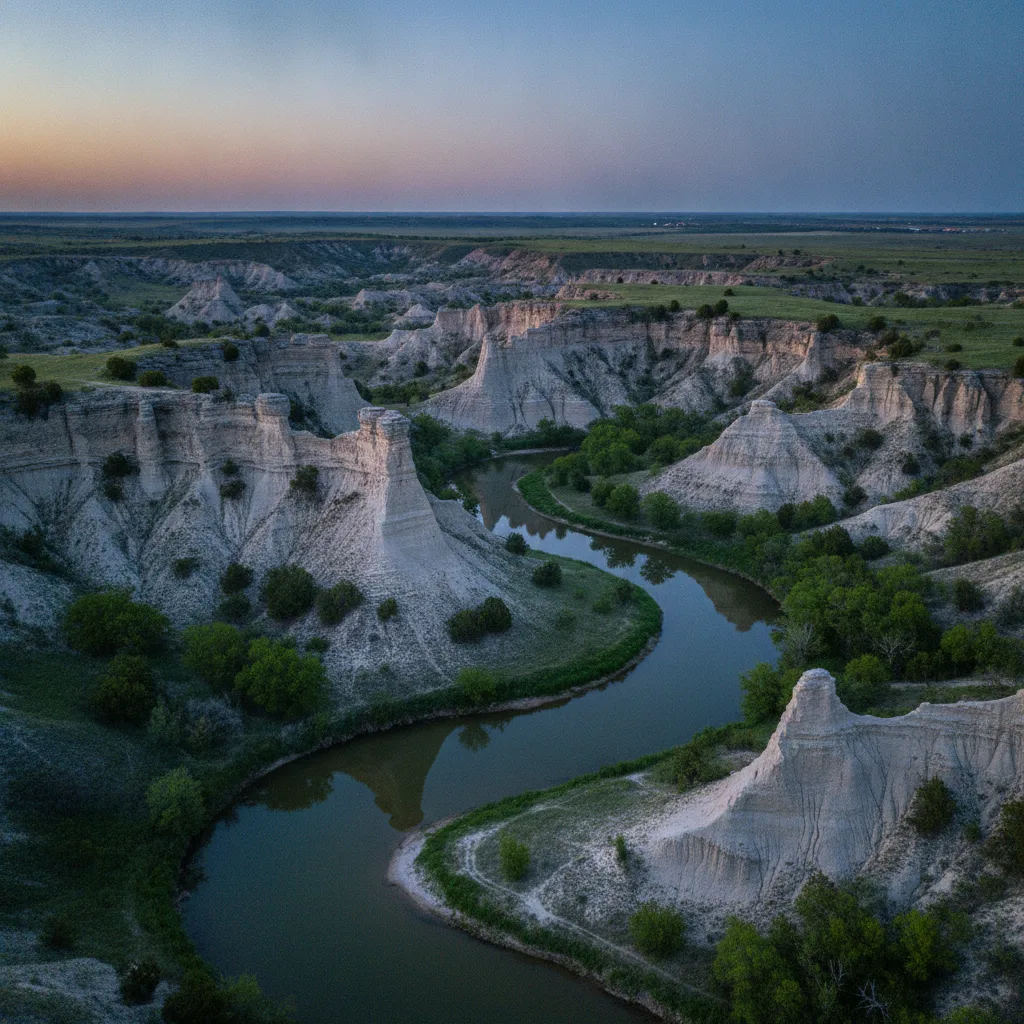
For those of us at Visit America who cherish untamed beauty and a sense of discovery, the Castle Rock Badlands presents an irresistible allure. This isn't your manicured national park; it's a raw, exposed landscape sculpted by millennia of erosion, revealing layers of geological history. What draws us here is the sheer unexpectedness of finding such dramatic formations amidst the rolling Kansas prairies. Imagine towering spires, intricate canyons, and a stark, otherworldly beauty that feels more akin to the American Southwest than the Great Plains. It's a place where you can truly disconnect, breathe in the wide-open spaces, and marvel at nature's artistry.
The geological significance alone makes it a compelling visit. The formations are primarily composed of Niobrara Chalk, a soft limestone laid down during the Cretaceous Period when a vast inland sea covered much of North America. This ancient seabed is now a treasure trove of marine fossils, offering a tangible connection to a prehistoric world. Beyond its scientific appeal, the Castle Rock Badlands provides unparalleled opportunities for photography, quiet contemplation, and a unique outdoor experience that stands in stark contrast to the verdant landscapes often associated with Kansas, like the Tallgrass Prairie Preserve.
Who It's Best For
Our team believes the Castle Rock Badlands is an ideal destination for a specific type of traveler. It's perfect for adventurers, photographers, geologists, paleontologists, and anyone with a deep appreciation for raw, untouched natural beauty. If you thrive on off-the-beaten-path experiences and prefer solitude over crowded attractions, this is your kind of place. Families with older children who enjoy exploring and have an interest in nature or history will also find it rewarding, though younger kids might find the extensive walking and lack of amenities challenging. Hikers looking for unpaved, natural trails will appreciate the freedom to roam. It's also a fantastic spot for stargazing, given the minimal light pollution in Gove County. We recommend it for those who are self-sufficient, comfortable with remote travel, and prepared for a rugged outdoor experience. If you're seeking luxury resorts or structured activities, you might be better served by other Kansas attractions like the Hutchinson Cosmosphere, but if you crave authentic wilderness, the Castle Rock Badlands will not disappoint.
How to Get There
Understanding how to get to Castle Rock Badlands is crucial, as it's situated in a remote part of Gove County, Kansas, with limited signage. Our team emphasizes that a reliable vehicle, preferably with good ground clearance, is highly recommended, especially after rain. The roads leading to the formations are unpaved and can be rough. We always recommend downloading offline maps before you depart, as cell service can be spotty or nonexistent in the immediate vicinity. To reach the Castle Rock Badlands, you'll typically approach from either the north or the south.
From the north, take US-24 to Quinter, then head south on Gove County Road 28 (also known as Castle Rock Road). You'll follow this gravel road for about 16 miles until you see the formations. From the south, take I-70 to Exit 87 (Quinter/Grinnell), then head south on K-147 for approximately 17 miles. Turn east onto Gove County Road 28 and continue for about 6 miles. Keep an eye out for a small, often unmarked turn-off that leads directly into the badlands area. There are no official visitor centers or grand entrances here, so precise navigation is key to how to get to Castle Rock Badlands. The final approach involves driving on a dirt track directly into the badlands, which can be challenging in wet conditions. We advise checking local road conditions before heading out. Parking is informal, usually just pulling off to the side of the dirt track near the formations. There are no designated parking lots, and no parking fees are charged as of 2026.
Top Things to Do
When you arrive at the Castle Rock Badlands, you'll quickly realize that the primary draw is the landscape itself. Our team has identified several top things to do at Castle Rock Badlands that allow you to fully immerse yourself in this unique environment:
- Explore the Formations: The most obvious and rewarding activity is simply wandering among the chalk spires and canyons. Take your time to appreciate the intricate details carved by wind and water. The main "Castle Rock" formation, resembling a medieval castle, is a prominent landmark.
- Photography: This is a photographer's paradise. The interplay of light and shadow on the white chalk formations, especially during sunrise and sunset, creates stunning visual opportunities. Capture the dramatic vistas, the unique geological textures, and the vast Kansas sky.
- Fossil Hunting: The Niobrara Chalk is renowned for its marine fossils. While serious paleontological digs require permits, visitors can often spot smaller fossilized shells, shark teeth, and other ancient marine life embedded in the chalk. Remember to observe a "leave no trace" policy and respect the historical significance of any finds.
- Wildlife Viewing: Keep an eye out for local wildlife adapted to this arid environment. You might spot various bird species, lizards, and even deer or coyotes, especially during quieter times of the day.
- Stargazing: With minimal light pollution, the Castle Rock Badlands offers an incredible opportunity for stargazing. On a clear night, the Milky Way is often visible, providing a truly awe-inspiring experience. This is one of the most serene things to do at Castle Rock Badlands after the sun sets.
- Picnicking: Pack a picnic and enjoy a meal amidst the incredible scenery. There are no facilities, so bring everything you need and be prepared to pack out all your trash.
While there are no formal tours or guided activities, the freedom to explore at your own pace is one of the greatest things to do at Castle Rock Badlands. We encourage visitors to be respectful of the fragile environment and stay on established paths or areas that show signs of previous foot traffic to minimize impact.
Best Time to Visit
Our experience tells us that timing is everything when planning a trip to the Castle Rock Badlands. The most favorable seasons are spring (April to early June) and fall (September to October). During these periods, the temperatures are generally mild and pleasant for outdoor exploration. Spring brings the possibility of wildflowers, while fall offers crisp air and beautiful skies.
Summer (June to August) can be extremely hot, with temperatures often soaring above 90°F (32°C), making extended hikes uncomfortable and potentially dangerous without ample water. Thunderstorms are also more common in summer, which can make the unpaved roads impassable. Winter (November to March) can be bitterly cold, with snow and ice making access difficult and conditions harsh. While the snow-dusted formations can be strikingly beautiful, the challenges of winter travel in this remote area outweigh the aesthetic appeal for most visitors. We recommend checking the local weather forecast immediately before your trip, regardless of the season, to ensure optimal conditions for your visit.
Where to Stay Nearby
Given the remote nature of the Castle Rock Badlands, accommodation options are limited to small towns in the vicinity. Our team suggests planning your overnight stays in towns like Quinter, Oakley, or WaKeeney, all located along I-70. These towns offer basic amenities, including motels and a few local eateries.
- Quinter, Kansas: As the closest town, Quinter offers a few budget-friendly motel options. It's a small, quiet community, perfect for a no-frills stay.
- Oakley, Kansas: Located a bit further west, Oakley provides more choices for lodging, including chain hotels, and a wider selection of restaurants and gas stations. It also serves as a good base for exploring other western Kansas attractions like Monument Rocks.
- WaKeeney, Kansas: To the east, WaKeeney offers similar amenities to Oakley, with several motels and dining options. It's known as the "Christmas City of the High Plains" for its elaborate holiday displays.
For those who prefer a more rustic experience, Castle Rock Badlands camping is an option, as discussed in detail below. However, for traditional lodging, expect simple, clean accommodations rather than luxury resorts. We always recommend booking ahead, especially during peak travel seasons, as options are limited in this region.
Sample 2-Day Itinerary
To help you make the most of your visit, our team has crafted a sample 2-day itinerary for exploring the Castle Rock Badlands and its surroundings. This itinerary assumes you're arriving from a major highway like I-70.
Day 1: Arrival and Badlands Exploration
- Morning (Arrival & Travel): Arrive in Gove County, ideally in the late morning. Check into your chosen accommodation in Quinter, Oakley, or WaKeeney. Grab a quick lunch in town.
- Afternoon (Castle Rock Badlands): Head directly to the Castle Rock Badlands. Spend the entire afternoon exploring the formations on foot. Take your time to hike around, photograph the unique geological features, and search for fossils. Remember to bring plenty of water, snacks, and sun protection.
- Late Afternoon/Sunset (Photography & Reflection): As the sun begins to dip, find a vantage point to capture the golden hour light on the chalk formations. This is often the most magical time to experience the badlands.
- Evening (Dinner & Stargazing): Drive back to your accommodation for dinner. If the sky is clear and you have energy, consider returning to the badlands for an unparalleled stargazing experience, being mindful of the remote location and lack of artificial light.
Day 2: Nearby Wonders & Departure
- Morning (Monument Rocks): After breakfast, head to the nearby Monument Rocks National Natural Landmark (also known as Chalk Pyramids). This is another incredible Niobrara Chalk formation, offering a different but equally stunning geological display. Spend a few hours exploring and photographing.
- Late Morning/Lunch (Local Exploration): Explore the small towns of western Kansas. You might visit a local museum or simply enjoy the quiet charm of these prairie communities. Have lunch at a local diner.
- Afternoon (Departure or Further Exploration): Begin your journey home, or if time permits, consider extending your trip to other Kansas attractions. Depending on your route, you could head east towards the Tallgrass Prairie Preserve, or explore the unique Strataca Salt Mine in Hutchinson.
This itinerary provides a solid framework, but we encourage flexibility to truly savor the quiet beauty of western Kansas.
Castle Rock Badlands Hiking Trails
While there are no officially designated or maintained Castle Rock Badlands hiking trails in the traditional sense, the entire area is open for exploration on foot. Our team views this as both a blessing and a challenge. The blessing is the freedom to forge your own path, to discover hidden nooks and crannies, and to experience the landscape without the constraints of marked trails. The challenge lies in the terrain itself – it's rugged, uneven, and can be slippery, especially after rain. When considering Castle Rock Badlands hiking trails, think more in terms of routes and areas to explore rather than defined paths.
We recommend comfortable, sturdy hiking boots with good ankle support. Be prepared for loose chalk, rocky sections, and potentially steep inclines and declines within the canyons. Always carry plenty of water, as there are no water sources available. Sun protection, including a hat and sunscreen, is essential due to the lack of shade. While exploring the Castle Rock Badlands hiking trails, always be mindful of your surroundings, watch your footing, and avoid venturing into areas that appear unstable or overly steep. We advise against hiking alone, especially in more remote sections, and always inform someone of your plans. The most popular areas for "hiking" are generally around the main Castle Rock formation and the surrounding spires, where you can easily spend hours wandering and soaking in the views.
Castle Rock Badlands Camping
For the truly adventurous, Castle Rock Badlands camping offers an unparalleled opportunity to experience the raw beauty of this landscape under the stars. There are no designated campgrounds, facilities, or official permits required for Castle Rock Badlands camping. This is primitive, dispersed camping on publicly accessible land. Our team emphasizes that this means you must be entirely self-sufficient and practice strict Leave No Trace principles.
When considering Castle Rock Badlands camping, find a flat, stable spot away from the fragile formations and any potential water runoff areas. There are no restrooms, water, or trash services, so you must bring all your supplies, including water for drinking and washing, and pack out all your waste, including human waste. Fire restrictions may be in place, especially during dry periods, so it's wise to check local conditions. We recommend using a portable camp stove for cooking. The reward for this self-sufficiency is an incredible night sky, free from light pollution, and the profound silence of the prairie. Waking up to the sunrise over the chalk formations is an unforgettable experience. Be aware that wildlife, including coyotes, are present in the area, so secure your food properly. Always check for any local regulations or fire bans before embarking on Castle Rock Badlands camping. As of 2026, there are no fees associated with dispersed camping in the area.
Is It Worth Visiting?
Our editorial team unequivocally believes that for the right traveler, the answer to "is Castle Rock Badlands worth visiting?" is a resounding yes. This isn't a destination for everyone, and it certainly won't appeal to those looking for theme parks or bustling city life. However, if your idea of a perfect trip involves solitude, stunning natural beauty, geological wonder, and a sense of genuine discovery, then is Castle Rock Badlands worth visiting? Absolutely.
What makes it so worthwhile is its unique character. It's a place where you can step back in time, both geologically and culturally, to an era when the land dictated the pace of life. The dramatic formations are a testament to millions of years of natural processes, and the quiet isolation allows for profound reflection. For photographers, it offers endless inspiration. For hikers, it's a playground of natural trails. For anyone seeking to escape the noise and chaos of modern life, the peace and grandeur of the Castle Rock Badlands provide a much-needed respite. It's a true hidden gem of the American heartland, offering an authentic and unforgettable experience that few other places can match. So, if you're asking yourself "is Castle Rock Badlands worth visiting?", we encourage you to pack your bags and discover its magic for yourself.
FAQ
What are some things to do in Gove County?
Beyond the Castle Rock Badlands, Gove County offers a taste of authentic rural Kansas. You can explore the nearby Monument Rocks National Natural Landmark, another stunning chalk formation. The county also features small towns like Quinter and Gove, where you can experience local culture, visit small museums, or simply enjoy the quiet pace of life. Hunting and fishing are popular activities in the broader region. For a deeper dive into Kansas, consider exploring other parts of the state, perhaps a visit to the best places in Kansas, which might include historical sites like the Brown v. Board of Education National Historic Site in Topeka, or the unique Little Jerusalem Badlands State Park, which offers a different badlands experience.
Is Castle Rock Badlands suitable for visiting with kids?
Visiting Castle Rock Badlands with kids can be a rewarding experience for families who enjoy outdoor adventure and have an interest in nature and geology. However, it's best suited for older children who are capable of walking on uneven terrain for extended periods and who can appreciate the natural beauty. There are no playgrounds or formal attractions, so younger children might get bored easily. We recommend bringing plenty of water, snacks, sun protection, and encouraging kids to look for fossils or interesting rock formations to keep them engaged. Parents should be prepared for a rugged, self-guided experience and closely supervise children due to the potentially steep drops and unstable surfaces.
What are some essential Castle Rock Badlands tips for visitors?
Our top Castle Rock Badlands tips include: 1. **Come Prepared:** Bring plenty of water, snacks, sunscreen, a hat, and sturdy hiking boots. There are no facilities. 2. **Check the Weather:** Road conditions can become impassable after rain. Hot summer temperatures can be dangerous. 3. **Download Offline Maps:** Cell service is unreliable. 4. **Practice Leave No Trace:** Pack out everything you pack in. 5. **Respect the Environment:** Stay on durable surfaces and avoid disturbing fragile formations or wildlife. 6. **Visit During Off-Peak Hours:** Early morning or late afternoon offers the best light for photography and cooler temperatures. 7. **Inform Someone of Your Plans:** Due to the remote location, it's wise to let someone know your itinerary. These Castle Rock Badlands tips will help ensure a safe and enjoyable visit.
Is there designated Castle Rock Badlands parking?
No, there is no designated Castle Rock Badlands parking lot or formal parking area. Visitors typically pull off to the side of the dirt track roads that lead into and through the badlands formations. We advise choosing a spot that is clearly off the main track, does not block access for others, and is on stable ground. Be mindful of the fragile environment and avoid driving or parking on vegetation. As of our 2026 update, there are no fees associated with parking here.
What is the best time to visit Castle Rock Badlands?
The best time to visit Castle Rock Badlands is during the spring (April to early June) or fall (September to October). During these seasons, temperatures are generally mild and comfortable for exploration and hiking. Spring can bring wildflowers, while fall offers crisp air and clear skies. We advise against visiting in summer due to extreme heat and potential thunderstorms that can make roads impassable. Winter brings bitter cold and snow, making access challenging. Always check the local weather forecast before your trip to ensure optimal conditions.
What are the Castle Rock Badlands hours and fees?
The Castle Rock Badlands is a natural area on publicly accessible land, so there are no official Castle Rock Badlands hours of operation. It is open 24 hours a day, year-round. Similarly, there are no entrance fees, parking fees, or permit fees required to visit the Castle Rock Badlands as of 2026. This makes it a wonderfully accessible and budget-friendly natural attraction. However, visitors should be aware that with no fees come no facilities or services, so you must be entirely self-sufficient during your visit.
The Visit America team's expert verdict on the Castle Rock Badlands is that it represents the spirit of true American exploration. It's a place that demands respect for its wildness and rewards those who seek it out with unforgettable landscapes and a profound sense of peace. We encourage every traveler with an adventurous spirit to add this unique Kansas gem to their itinerary. It's more than just a destination; it's an experience that stays with you long after you've left its chalky spires behind. Plan your trip carefully, embrace the solitude, and prepare to be amazed by the unexpected beauty of the Castle Rock Badlands. For more planning resources, visit our Plan Your US Trip guide.
Last updated: 2026-07-05 by the Visit America team.