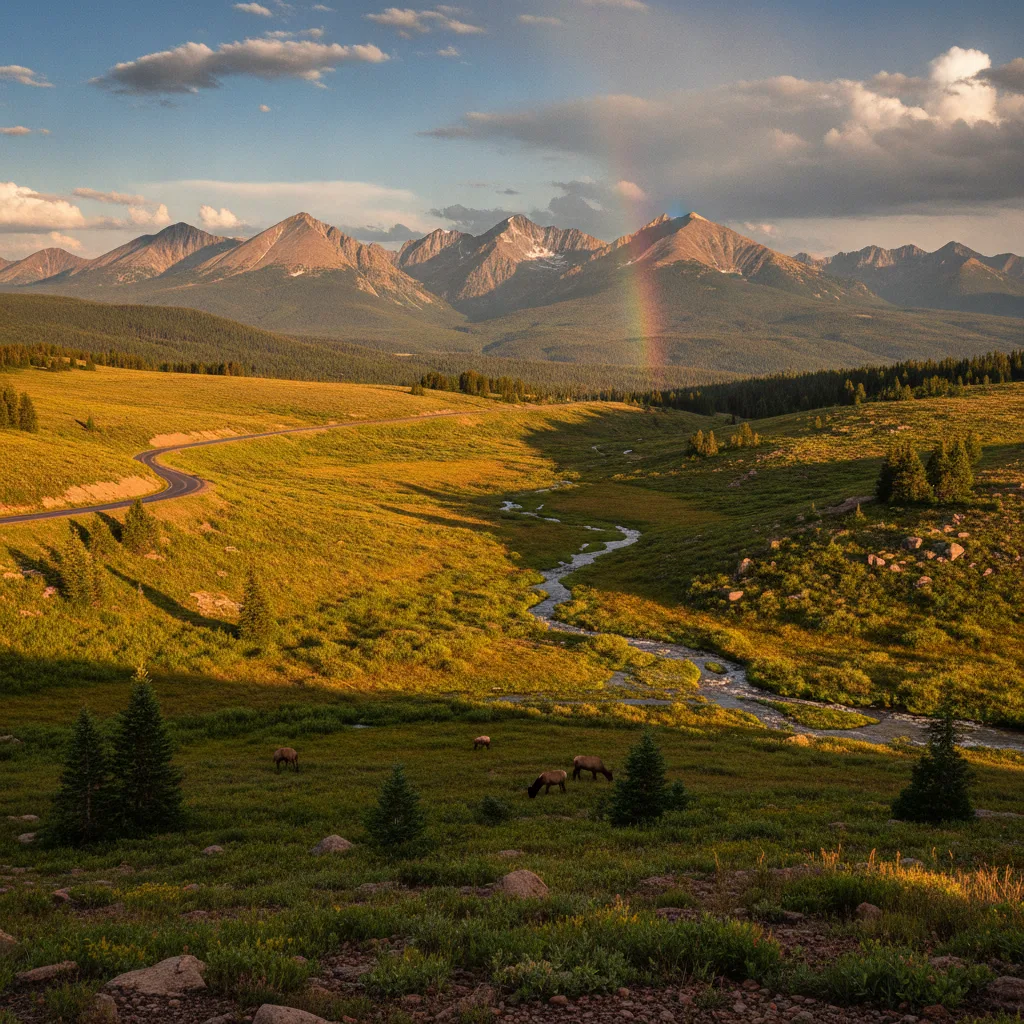
Rocky Mountain National Park Travel Guide — Colorado
Welcome to our definitive guide to Rocky Mountain National Park Colorado, where towering peaks meet pristine alpine lakes and abundant wildlife roams free. As the Visit America editorial team, we’ve explored every corner of this majestic landscape to bring you insider tips and essential information for planning your unforgettable adventure.
Why Visit Rocky Mountain National Park
Rocky Mountain National Park, located in the heart of Colorado, is a testament to the raw, untamed beauty of the American West. Our team believes it's a must-visit destination for anyone seeking dramatic mountain scenery, diverse ecosystems, and unparalleled outdoor recreation. From the soaring heights of Longs Peak to the tranquil waters of Bear Lake, the park offers a breathtaking panorama that changes with every turn of the trail and every shift in elevation. It's a place where you can witness the Continental Divide, explore wildflower-filled meadows, and experience the crisp, clean air of the high alpine tundra.
Beyond its visual splendor, Rocky Mountain National Park provides a vital habitat for a wide array of wildlife. Elk herds are a common sight, especially during the fall rut, while bighorn sheep cling to rocky cliffs and moose graze in willow thickets. The chance to observe these magnificent creatures in their natural environment is a highlight for many visitors. The park's commitment to conservation and its well-maintained infrastructure make it accessible for all, from seasoned mountaineers to families looking for a scenic drive and a gentle stroll.
Who It's Best For
Rocky Mountain National Park truly offers something for everyone, making it an ideal destination for a diverse range of travelers. Our team finds it particularly well-suited for:
- Outdoor Enthusiasts & Hikers: With over 350 miles of hiking trails, from easy lakeside loops to challenging climbs, the park is a paradise for those who love to explore on foot.
- Families: Many accessible trails, scenic drives, and abundant wildlife viewing opportunities make it a fantastic destination for families with children of all ages.
- Wildlife Photographers & Nature Lovers: The sheer diversity of flora and fauna, coupled with stunning landscapes, provides endless opportunities for capturing incredible images and connecting with nature.
- Road Trippers: Trail Ridge Road, the highest continuous paved road in North America, offers an unforgettable scenic drive with numerous overlooks and access points to high-alpine environments.
- Campers: With multiple frontcountry campgrounds and extensive backcountry options, it caters to both casual and experienced campers.
Whether you're seeking a strenuous adventure or a peaceful retreat into nature, Rocky Mountain National Park delivers an experience that resonates deeply with all who visit.
Getting There & Parking
Understanding how to get to Rocky Mountain National Park and navigating its parking situation is crucial for a smooth visit, especially during peak season. Our team recommends planning your approach well in advance.
How to Get There
Rocky Mountain National Park is primarily accessed via two gateway communities: Estes Park on the east side and Grand Lake on the west. The closest major airport is Denver International Airport (DEN).
- From Denver: The most common route from Denver to Rocky Mountain National Park is approximately 70-80 miles, taking about 1.5 to 2 hours, depending on traffic. The fastest route is typically via U.S. Highway 36 West through Boulder and then onto Estes Park, leading to the Beaver Meadows entrance. For a more scenic journey, consider the Peak to Peak Scenic Byway, which adds about an hour to your drive but offers stunning views through towns like Nederland and Allenspark.
- From Colorado Springs: The drive from Colorado Springs to Rocky Mountain National Park is about 120-149 miles, taking roughly 2.5 to 3 hours by car. You'll head north, passing through Denver, before reaching Estes Park.
- Public Transportation: While less direct, it is possible to reach the park by bus from Denver. The journey, including transfers, takes approximately 3 hours and 38 minutes. From Colorado Springs, a bus journey via Denver takes about 6 hours and 27 minutes.
Rocky Mountain National Park Parking
Parking within Rocky Mountain National Park can be challenging, particularly during the busy summer and fall months. Many popular trailheads, especially along the Bear Lake Road corridor, fill up early in the morning. Our team advises arriving before 8 AM for the best chance at securing a spot. If lots are full, visitors often need to utilize the park's shuttle system.
A timed entry permit system is in place for Rocky Mountain National Park during peak season to manage crowds and parking. From May 22 through mid-October 2026, a timed entry reservation is required for vehicle entry during specific hours. There are two types of reservations:
- Timed Entry (Park Access, excludes Bear Lake Road): Required daily from 9 AM to 2 PM, May 22 through October 12, 2026. This allows access to most areas of the park, including Trail Ridge Road and the Alpine Visitor Center, but not the Bear Lake Road Corridor.
- Timed Entry + Bear Lake Road: Required daily from 5 AM to 6 PM, May 22 through October 18, 2026. This reservation grants access to the popular Bear Lake Road Corridor, including trailheads like Bear Lake, Glacier Gorge, and Sprague Lake, as well as all other areas of the park.
Reservations are made through Recreation.gov and typically incur a $2 non-refundable processing fee. These reservations are released monthly, starting on May 1st at 8 AM MDT for the period of May 22 - June 30, 2026, with subsequent releases on the first of each month for the following month. A limited number of additional reservations may also be released at 7 PM MDT the night before a desired arrival date.
If you don't have a reservation, you can enter the park before 9 AM or after 2 PM for general access, or before 5 AM or after 6 PM for the Bear Lake Road Corridor.
Top Things to Do
When it comes to things to do at Rocky Mountain National Park, the options are as vast and varied as the landscape itself. Our team has curated a list of essential experiences that showcase the park's incredible beauty and diverse offerings:
- Drive Trail Ridge Road: Often called the "Highway to the Sky," Trail Ridge Road is the highest continuous paved road in North America, reaching elevations over 12,000 feet. It offers unparalleled panoramic views of the Continental Divide, alpine tundra, and opportunities to spot wildlife like elk and bighorn sheep. This road is typically open from Memorial Day weekend until mid-October, weather permitting.
- Explore the Bear Lake Road Corridor: This incredibly popular section of the park provides access to some of its most iconic lakes and trailheads, including Bear Lake, Sprague Lake, and the starting points for hikes to Emerald Lake and Alberta Falls. Due to its popularity, timed entry reservations are often required for this area during peak hours.
- Wildlife Viewing: Rocky Mountain National Park is a haven for wildlife. Keep an eye out for elk, especially in Moraine Park and Horseshoe Park, particularly during the fall rut. Moose can often be spotted in the Kawuneeche Valley on the park's west side, while bighorn sheep frequent Sheep Lakes.
- Visit the Alpine Visitor Center: Located at 11,796 feet on Trail Ridge Road, this is the highest visitor center in the National Park System. It's a great spot to learn about the unique alpine tundra ecosystem and take in breathtaking views.
- Stroll around Sprague Lake: An easy, flat, and scenic loop trail circles Sprague Lake, offering stunning reflections of the surrounding peaks and a peaceful setting perfect for families or those seeking a less strenuous walk.
- Discover Old Fall River Road: This historic, one-way, unpaved road offers a more rustic driving experience than Trail Ridge Road, winding its way up to the Alpine Visitor Center. It's typically open from July 4th to early October, weather permitting.
- Photography: From sunrise over a misty lake to sunset painting the peaks in fiery hues, the photographic opportunities are endless. Capture the vibrant wildflowers in summer, the golden aspens in fall, or the snow-dusted landscapes of winter.
- Ranger-Led Programs: Check the park's schedule for interpretive programs led by park rangers, which offer valuable insights into the park's natural and cultural history.
These are just a few of the many things to do at Rocky Mountain National Park. We encourage you to tailor your visit to your interests and fitness levels.
Best Time to Visit
Choosing the best time to visit Rocky Mountain National Park largely depends on your desired activities and tolerance for crowds. Our team has experienced the park in all seasons and can offer specific recommendations:
- Summer (Mid-June through August): This is peak season, and for good reason. All park roads, including Trail Ridge Road and Old Fall River Road, are typically open, and all visitor services are fully operational. The weather is generally pleasant, with lower elevations seeing highs in the 70s and 80s, and higher elevations in the 60s and 70s. Wildflowers are in full bloom, especially in July and August. However, expect significant crowds and be prepared for timed entry reservations and parking challenges. Afternoon thunderstorms are common, so plan hikes for the morning.
- Fall (September through Mid-October): Our team considers early fall to be one of the very best times to visit Rocky Mountain National Park. The aspen trees turn a brilliant gold, creating stunning photographic opportunities. The elk rut (mating season) is in full swing, offering incredible wildlife viewing experiences. Crowds can still be substantial, especially on weekends, but generally lessen towards mid-October. Trail Ridge Road usually remains open until mid-October.
- Winter (November through March): For those seeking solitude and a snow-covered wonderland, winter is an excellent choice. The park is much quieter, and activities like snowshoeing and cross-country skiing are popular. While Trail Ridge Road closes for the season, Bear Lake Road remains open, providing access to many winter trails. Be prepared for cold temperatures, snow, and high winds.
- Spring (April through Mid-June): Spring is often referred to as "mud season" due to unpredictable weather and melting snow. Many trails, especially at higher elevations, can be muddy or still covered in snow and ice. Trail Ridge Road typically remains closed until late May. While crowds are lower, our team generally recommends skipping early spring unless you are prepared for challenging conditions and limited access. Late spring (mid-May to early June) can offer beautiful early blooms and the arrival of new wildlife babies, but still requires preparedness for snow and mud.
Ultimately, the best time to visit Rocky Mountain National Park depends on your priorities, but for the most comprehensive experience with optimal weather and full access, we lean towards late summer and early fall.
Where to Stay Nearby
While there is no lodging directly inside Rocky Mountain National Park, the surrounding gateway towns offer a wide range of accommodation options to suit every preference and budget. Our team recommends basing yourself in one of these communities for easy access to the park.
- Estes Park: Located on the eastern side of the park, Estes Park is the most popular and largest gateway town. It offers a comprehensive selection of hotels, motels, vacation rentals, and cabins. You'll find a bustling downtown area with shops, restaurants, and various activities. Its proximity to the Beaver Meadows and Fall River entrances makes it a convenient base for exploring the park's eastern side.
- Grand Lake: Situated on the western side of the park, Grand Lake offers a quieter, more laid-back atmosphere. This charming lakeside town provides access to the park's west entrance and is a great option if you plan to spend more time exploring the Kawuneeche Valley or want to experience the full length of Trail Ridge Road from west to east. Accommodation here includes lodges, cabins, and smaller hotels.
For those who prefer to stay within the park, Rocky Mountain National Park camping is an excellent option. The park offers five frontcountry campgrounds: Aspenglen, Glacier Basin, Longs Peak, Moraine Park, and Timber Creek. Moraine Park Campground is open year-round, while others operate seasonally. Reservations are highly recommended, especially during peak season, and can be made through Recreation.gov. Moraine Park offers both standard and electric sites, with standard non-electric sites costing $30 per night and electric sites $55 per night during winter. During peak season (May 21-October 18, 2026), Moraine Park sites are $35 per night. Aspenglen, Glacier Basin, and Timber Creek also have sites around $35 per night. Longs Peak Campground is tent-only and costs $35 per night.
Sample 2-Day Itinerary
To help you make the most of your visit, our team has crafted a sample 2-day itinerary for Rocky Mountain National Park, focusing on key highlights and diverse experiences. Remember to secure your timed entry reservations in advance for any dates between May 22 and mid-October 2026.
Day 1: Bear Lake Road & Alpine Wonders
- Morning (Early Start is Key!): With your Timed Entry + Bear Lake Road reservation (required 5 AM - 6 PM from May 22 - October 18, 2026), head straight to the Bear Lake Road Corridor. Our top recommendation for things to do at Rocky Mountain National Park is to hike the incredibly popular Bear Lake, Nymph Lake, Dream Lake, and Emerald Lake trail. This moderate 3.2-mile round trip hike offers stunning alpine scenery and is a quintessential RMNP experience. Alternatively, for a longer hike, consider the loop that includes Haiyaha Lake and Alberta Falls (7.2 miles).
- Lunch: Pack a picnic to enjoy at one of the scenic spots along Bear Lake Road, such as Sprague Lake, or head back to Estes Park for a meal.
- Afternoon: Drive a portion of Trail Ridge Road (if open, typically Memorial Day to mid-October). Stop at overlooks like Many Parks Curve and Forest Canyon Overlook for panoramic views. Continue to the Alpine Visitor Center, the highest visitor center in the NPS, to experience the unique alpine tundra.
- Evening: Enjoy dinner in Estes Park. Consider a leisurely stroll along the Riverwalk or explore the downtown shops.
Day 2: Trail Ridge Road & Western Slope Exploration (or More Hiking)
- Morning: If you didn't complete Trail Ridge Road yesterday, dedicate this morning to driving the remainder, potentially all the way to the Grand Lake side of the park, if time and road conditions permit. Enjoy the dramatic changes in scenery as you cross the Continental Divide.
- Alternative Morning (More Hiking): For avid hikers, consider another one of the many Rocky Mountain National Park hiking trails. Options include the moderate Mills Lake trail (passing Alberta Falls) or the challenging Sky Pond trail for breathtaking waterfalls and alpine lakes.
- Lunch: If you drove to Grand Lake, enjoy lunch in this charming western slope town. If staying on the east side, find a spot in Estes Park.
- Afternoon: Explore some of the park's less-trafficked areas. Consider a visit to the Wild Basin area for a quieter hiking experience, or drive Old Fall River Road (seasonal) for a historic and scenic ascent. Alternatively, enjoy some of the best places in Colorado outside the park, such as the Garden of the Gods near Colorado Springs.
- Evening: Relax in Estes Park, perhaps enjoying a local brewery or a ghost tour at the historic Stanley Hotel.
This itinerary is flexible and can be adjusted based on your interests, the season, and current park conditions. Always check the official NPS website for road closures, trail conditions, and reservation requirements before your visit.
Rocky Mountain National Park Hiking Trails
With over 350 miles of maintained trails, the Rocky Mountain National Park hiking trails offer an incredible diversity of experiences, from gentle strolls to strenuous alpine ascents. Our team has explored many of these paths and highlights a few favorites:
- Easy:
- Bear Lake Loop: A short, accessible, and incredibly scenic 0.6-mile loop around Bear Lake, perfect for all ages and abilities.
- Sprague Lake Loop: Another easy, flat 3.3-mile loop offering stunning mountain reflections and excellent wildlife viewing opportunities.
- Lily Lake Loop: A peaceful, low-effort, family-friendly 0.8-mile loop with incredible mountain views, often less crowded than other popular spots.
- Moderate:
- Emerald Lake Trail: A popular 3.2-mile round trip hike that passes Nymph Lake and Dream Lake before reaching the stunning Emerald Lake, nestled beneath towering peaks.
- Alberta Falls Trail: A relatively short (1.6 miles round trip from Glacier Gorge Trailhead) and rewarding hike to a powerful 30-foot waterfall.
- Mills Lake: This hike offers waterfalls and alpine lake scenery. It's considered one of the most rewarding moderate hikes in the park.
- Strenuous:
- Sky Pond: A challenging 8.5-mile round trip hike that takes you past several waterfalls (including Alberta Falls and Glass Lake) to a dramatic alpine lake surrounded by steep cliffs.
- Longs Peak (Keyhole Route): For experienced mountaineers, summiting Longs Peak (14,259 feet) via the Keyhole Route is a bucket-list achievement. This is a very strenuous, non-technical climb that requires an early start and significant preparation.
- Bluebird Lake: A remote and rugged adventure, this hard hike leads to a stunning alpine lake, offering solitude for experienced hikers.
Before embarking on any of the Rocky Mountain National Park hiking trails, our team strongly advises checking current trail conditions on the NPS website, especially for snow and ice, which can persist at higher elevations into the summer. Always carry the 10 Essentials, be prepared for rapidly changing weather, and let someone know your itinerary.
Rocky Mountain National Park Camping
For many, the ultimate way to experience the wilderness of Rocky Mountain National Park is by camping under its vast, star-filled skies. Our team has compiled essential information for Rocky Mountain National Park camping, covering both frontcountry and backcountry options.
Frontcountry Campgrounds
The park offers five frontcountry campgrounds, all of which require reservations during peak season (typically late May through mid-October), with the exception of Longs Peak Campground which is first-come, first-served. Reservations can be made through Recreation.gov.
- Moraine Park Campground: Open year-round, this is the largest campground with 244 sites, including some with electric hookups. It's surrounded by ponderosa pine forest and offers beautiful views of Moraine Park. During winter (October 20, 2025 - May 18, 2026), it's the only campground open, with sites available first-come, first-served in certain loops. Standard non-electric sites are $30/night in winter, and electric sites are $55/night. During peak season (May 21-October 18, 2026), sites are $35/night and require reservations.
- Aspenglen Campground: Located near the Fall River Entrance, Aspenglen offers 55 sites, including some tent-only and hike-to sites. It's open seasonally (May 21-September 27, 2026) and costs $35/night.
- Glacier Basin Campground: Situated off Bear Lake Road, this campground has 150 individual sites and 13 group sites. It's open seasonally (May 21-September 7, 2026) and costs $35/night for standard sites.
- Timber Creek Campground: The only campground on the park's west side, near Grand Lake, offering 98 sites along the Colorado River. It's open seasonally (May 21-October 4, 2026) and costs $35/night. Note: In January 2026, a planned closure for sewer system rehabilitation was announced for August 10, 2026, but this project has been rescheduled, and the campground will remain open through the end of the 2026 summer season.
- Longs Peak Campground: A tent-only campground with 26 sites, located off Highway 7. It's open seasonally (July 2-September 7, 2026) and costs $35/night. There is no water available at this campground.
All campgrounds are cashless for payments. Campsites typically include a picnic table, tent pad, fire ring, and food storage box.
Backcountry Camping
For a more rugged experience, Rocky Mountain National Park offers numerous designated backcountry campsites. A wilderness permit is required for all overnight backcountry stays and can be obtained at the Backcountry Offices (near Estes Park, the office is at the Beaver Meadows Visitor Center). Backcountry campers must practice Leave No Trace principles and be prepared for self-sufficiency in a wild environment. Our team emphasizes the importance of planning ahead, understanding regulations, and being prepared for wildlife encounters and rapidly changing weather.
Is It Worth Visiting?
As the Visit America editorial team, we can unequivocally state that Rocky Mountain National Park is worth visiting. Its majestic peaks, diverse ecosystems, and abundant wildlife offer an experience that is both awe-inspiring and deeply enriching. The sheer scale of the landscape, from the montane forests to the high alpine tundra, is something that photos can only begin to capture.
For those who appreciate the outdoors, the park provides world-class hiking, scenic drives, and opportunities for solitude amidst nature's grandeur. Even with the necessary timed entry reservations during peak season, we find that the system helps manage crowds, ultimately enhancing the visitor experience by reducing congestion on roads and trails.
The chance to see elk, moose, and bighorn sheep in their natural habitat is a powerful draw, and the educational opportunities at visitor centers and through ranger programs add depth to the visit. Whether you're an avid hiker aiming for a challenging summit or a family looking for a memorable scenic drive and gentle walks, Rocky Mountain National Park delivers on its promise of an unforgettable American adventure. So, is it worth visiting? Absolutely. It stands as one of the crown jewels of our national park system and a destination we wholeheartedly recommend for anyone exploring Colorado.
Last updated: 2026-07-05 by the Visit America team.