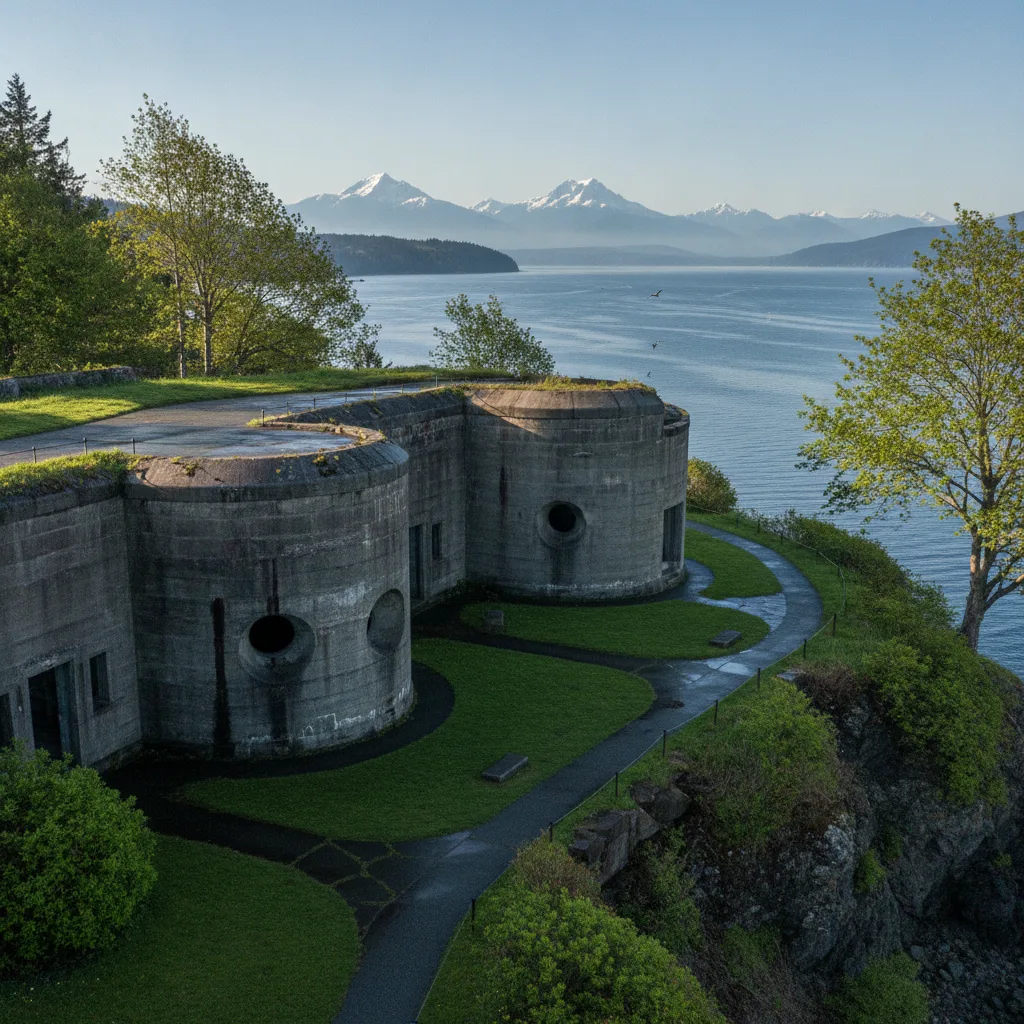
Fort Casey State Park Travel Guide — Washington
Our Fort Casey State Park guide covers practical planning for Fort Casey State Park Washington — best time to visit, getting there, and what to do on the ground. We’re an independent US travel authority, and our team has compiled this guide to help you make the most of your trip to this historic gem on Whidbey Island.
Why Visit Fort Casey State Park
We’ve explored countless state parks across the US, and Fort Casey State Park Washington consistently stands out as a unique blend of history, natural beauty, and outdoor recreation. Perched on the Admiralty Inlet on Whidbey Island, this 467-acre park offers a captivating glimpse into early 20th-century coastal defense, with massive gun batteries and a charming lighthouse. Beyond its historical significance, the park boasts breathtaking panoramic views of the Olympic Mountains and the shipping lanes of Puget Sound, making it a prime spot for photography, wildlife viewing, and simply soaking in the Pacific Northwest’s rugged grandeur. It’s a place where you can wander through historic fortifications, scan the horizon for whales, and enjoy a peaceful beach stroll all in one visit. We believe it's a must-see for anyone interested in Washington's rich past and stunning natural landscapes.
Who It's Best For
Fort Casey State Park truly offers something for everyone, which is why our team frequently recommends it to a diverse range of travelers. History buffs will be enthralled by the well-preserved coastal defense batteries and the chance to explore the historic lighthouse. Families with children will find the open spaces, the ability to climb on the old fortifications, and the beach access perfect for adventurous exploration and burning off energy. Outdoor enthusiasts will appreciate the hiking opportunities, birdwatching, and kayaking in the surrounding waters. Photographers will be spoiled for choice with dramatic sunsets, mountain vistas, and architectural details. Even those simply seeking a peaceful escape will find solace in the expansive views and the rhythmic sounds of the waves. It’s a destination that caters to solo adventurers, romantic getaways, and multi-generational family trips alike, offering a rich experience without feeling overwhelming.
Getting There & Parking
Navigating to Fort Casey State Park is part of the adventure, as Whidbey Island is accessible by bridge or ferry. For most visitors coming from the Seattle area, the most common route involves taking the Mukilteo-Clinton ferry. This scenic 20-minute ride across Puget Sound drops you on the south end of Whidbey Island, from which it's about a 30-minute drive north to the park. Alternatively, if you're coming from the Olympic Peninsula, the Port Townsend-Coupeville ferry provides direct access to the central part of Whidbey Island, placing you just a short drive from Fort Casey. We always recommend checking the Washington State Ferries website for current schedules and making reservations, especially during peak season, as wait times can be significant.
Once you arrive at Fort Casey State Park, you'll find ample parking available. There are several designated parking areas throughout the park, including lots near the main gun batteries, the lighthouse, and the campground. A Discover Pass is required for vehicle access to Washington State Parks. As of our last check, a one-day Discover Pass costs $10, while an annual pass is $30. You can purchase these passes online, at most park entrances, or at local retailers. We recommend purchasing an annual pass if you plan on visiting multiple state parks during your trip to Washington. Parking is generally well-organized, but during busy summer weekends, the most popular lots can fill up, so arriving earlier in the day is always a good strategy to secure a spot close to the main attractions. Our team finds that arriving before 10 AM or after 3 PM usually provides the best parking experience at Fort Casey State Park.
Top Things to Do
When you visit Fort Casey State Park, you'll quickly discover that there's a wealth of activities to fill your day, blending history, nature, and recreation. Our team has highlighted the top things to do at Fort Casey State Park to help you prioritize your visit:
- Explore the Historic Fortifications: The primary draw for many is the chance to wander through the massive concrete batteries built to protect Admiralty Inlet. Battery Worth and Battery Moore are particularly impressive, with their enormous disappearing guns (though the original guns are no longer present, replicas provide a sense of scale). We encourage visitors to climb the stairs, explore the underground rooms, and imagine the soldiers who once manned these defenses. This is one of the essential things to do at Fort Casey State Park.
- Visit Admiralty Head Lighthouse: This iconic lighthouse, originally built in 1903, offers stunning views and a glimpse into maritime history. While the lighthouse itself is not always open for interior tours, the grounds are accessible, and it’s a fantastic spot for photography, especially at sunset. Check with park staff for current opening hours for interior access.
- Beachcombing and Tidepooling: The park’s shoreline along Admiralty Inlet is perfect for a leisurely stroll. At low tide, the rocky beaches reveal fascinating tide pools teeming with marine life. Keep an eye out for sea stars, anemones, and hermit crabs. It’s a peaceful activity and a great way to connect with the natural environment.
- Birdwatching: Fort Casey is a designated Important Bird Area (IBA), making it a haven for birdwatchers. The diverse habitats attract a wide array of species, including various seabirds, raptors, and migratory birds. Bring your binoculars and look for eagles, ospreys, and numerous shorebirds.
- Picnicking: With its stunning views, Fort Casey State Park offers numerous scenic spots for a picnic. There are picnic tables available near the batteries and along the bluff, providing perfect vantage points to watch ships pass through the inlet and enjoy the Olympic Mountain backdrop.
- Kayaking and Paddleboarding: For those with their own equipment, launching a kayak or paddleboard from the park’s beach offers a unique perspective of the coastline and the fort from the water. The waters of Admiralty Inlet can be challenging, so this activity is best for experienced paddlers on calm days.
- Kite Flying: The open bluffs and consistent breezes at Fort Casey make it an ideal location for flying kites. It’s a popular activity for families and adds a vibrant splash of color to the skies above the historic fort.
Best Time to Visit
Our team has found that the best time to visit Fort Casey State Park largely depends on your priorities, but generally, the late spring through early fall offers the most pleasant weather and a full range of activities. From May to September, Whidbey Island experiences warmer temperatures, less rainfall, and longer daylight hours, making it ideal for exploring the fortifications, hiking, and enjoying the beaches. However, this is also peak tourist season, meaning larger crowds and potentially more competition for parking and ferry reservations.
For those seeking a quieter experience, we recommend visiting in the shoulder seasons of April or October. The weather can be a bit more unpredictable, with cooler temperatures and a higher chance of rain, but the park is significantly less crowded. You’ll still enjoy beautiful views, and the crisp air can make for invigorating walks. Winter visits (November to March) offer a stark, dramatic beauty, with stormy skies and powerful waves, but many facilities may have reduced hours, and some trails could be muddy. Birdwatching, particularly for wintering seabirds, can be excellent during these months. Ultimately, while summer offers the most reliable conditions, Fort Casey State Park holds a unique charm in every season, and we encourage you to choose the time that best suits your travel style.
Where to Stay Nearby
While Fort Casey State Park offers an excellent campground, many visitors prefer the comfort of a hotel or vacation rental. Our team has identified several charming towns near Fort Casey State Park that provide a range of lodging options, from quaint inns to modern hotels. These locations offer convenient access to the park while also providing their own unique attractions and dining experiences.
- Coupeville: Just a few minutes' drive north of Fort Casey, Coupeville is Washington's second-oldest town and boasts a picturesque waterfront with historic buildings, art galleries, and excellent restaurants. It’s an ideal base for exploring the park and the surrounding Ebey's Landing National Historical Reserve. You'll find charming bed and breakfasts and vacation rentals here.
- Langley: Located on the southeast side of Whidbey Island, about a 30-minute drive from Fort Casey, Langley is known for its artistic community, boutique shops, and stunning views of Saratoga Passage. It offers a more upscale lodging experience with several charming hotels and inns.
- Oak Harbor: As the largest town on Whidbey Island, Oak Harbor (about 25 minutes north of Fort Casey) provides more conventional hotel chains and a wider range of amenities, including supermarkets and diverse dining options. It's a practical choice for those seeking familiar accommodations.
- Greenbank: This central Whidbey Island community offers a more rural and secluded lodging experience, often in the form of vacation rentals or private cabins. It's a great option for those looking for peace and quiet, while still being within a reasonable drive of Fort Casey State Park.
When considering Fort Casey State Park lodging, we always recommend booking well in advance, especially for summer and weekend visits, as Whidbey Island is a popular destination. Whether you prefer the historic charm of Coupeville or the convenience of Oak Harbor, you’ll find a comfortable base for your Fort Casey adventures.
Sample 2-Day Itinerary
To help you make the most of your visit, our team has crafted a sample 2-day itinerary for Fort Casey State Park and the surrounding area. This plan balances historical exploration with natural beauty and local charm.
Day 1: Fort Casey Immersion & Coastal Wonders
- Morning (9:00 AM - 12:00 PM): Fort Casey State Park Washington Exploration. Arrive early to beat the crowds. Start by exploring the main gun batteries, including Battery Worth and Battery Moore. Climb through the fortifications, explore the underground rooms, and take in the panoramic views of Admiralty Inlet and the Olympic Mountains. Don't miss the Admiralty Head Lighthouse for stunning photos.
- Lunch (12:00 PM - 1:00 PM): Picnic at the Park. Pack a picnic lunch to enjoy at one of the scenic picnic tables overlooking the water.
- Afternoon (1:00 PM - 4:00 PM): Beachcombing & Birdwatching. Head down to the beach for some leisurely beachcombing. If it's low tide, explore the tide pools for marine life. Spend some time birdwatching from the bluffs or the beach – Fort Casey is an excellent spot for spotting various seabirds and raptors.
- Late Afternoon (4:00 PM - 6:00 PM): Ebey's Landing. Drive a few minutes north to Ebey's Landing National Historical Reserve. Take a walk along the bluff trail for incredible views of the Puget Sound and the Olympic Mountains, or stroll along the beach.
- Evening: Dinner in Coupeville. Enjoy dinner in the charming historic town of Coupeville. We recommend exploring the waterfront for fresh seafood and local cuisine.
Day 2: Whidbey Island Highlights & Scenic Drives
- Morning (9:00 AM - 12:00 PM): Deception Pass State Park. Drive north to Deception Pass State Park (about a 45-minute drive from Fort Casey). Marvel at the iconic Deception Pass Bridge, explore the trails, and take in the dramatic views of the turbulent waters below. This is one of Washington's most visited state parks and a truly spectacular natural wonder.
- Lunch (12:00 PM - 1:00 PM): Lunch in Oak Harbor or Anacortes. Grab a casual lunch in Oak Harbor on your way back south, or if you're venturing further, consider Anacortes, the gateway to the San Juan Islands.
- Afternoon (1:00 PM - 4:00 PM): South Whidbey Exploration. Head south towards Langley. Explore the charming shops and art galleries in Langley, or visit a local winery or farm stand.
- Late Afternoon (4:00 PM - 5:00 PM): Scenic Drive & Ferry. Enjoy a scenic drive through the pastoral landscapes of south Whidbey Island. If you're heading back to the mainland, catch the ferry from Clinton to Mukilteo, enjoying the final views of Puget Sound.
This itinerary provides a robust experience, but feel free to adjust it based on your interests and pace. Remember to check ferry schedules and make reservations in advance, especially during peak travel times. For more ideas on exploring the state, check out our guide to Best Places in Washington.
Fort Casey State Park Hiking Trails
While Fort Casey State Park is renowned for its historical fortifications, it also offers several delightful opportunities for hiking, allowing visitors to immerse themselves in the natural beauty of Whidbey Island. Our team has explored these paths and can confirm that the Fort Casey State Park hiking trails provide a fantastic way to experience the park's diverse landscapes, from coastal bluffs to forested areas.
The primary Fort Casey State Park hiking trails are generally easy to moderate, making them accessible for most fitness levels. The most popular route is the network of trails that loop around the gun batteries and connect to the beach. This allows you to combine historical exploration with scenic coastal views. You can walk along the bluff overlooking Admiralty Inlet, offering expansive vistas of the water, passing ships, and the Olympic Mountains in the distance. These trails are well-maintained and provide excellent vantage points for photography and birdwatching.
Additionally, trails extend into the forested areas surrounding the main fort, offering a different kind of experience amidst the trees. While not extensive, these paths provide a peaceful escape and a chance to observe local flora and fauna. The total mileage of interconnected trails within the park is modest, typically ranging from 2 to 4 miles depending on how much you loop and explore. However, for those looking for a longer trek, the park connects to the larger Ebey's Landing National Historical Reserve, which offers the iconic Ebey's Landing Bluff Trail – a more strenuous 5.6-mile loop that combines beach walking with a dramatic bluff climb. While not strictly within Fort Casey, it's a very popular extension for hikers in the immediate vicinity. We recommend wearing comfortable walking shoes, bringing water, and checking weather conditions before heading out on any of the Fort Casey State Park hiking trails.
Is It Worth Visiting?
Absolutely, our team unequivocally believes that Fort Casey State Park is worth visiting. From its commanding views of Admiralty Inlet to its fascinating historical fortifications, the park offers a rich and varied experience that appeals to a wide range of interests. It’s not just a place to see old guns; it’s a place to connect with the past, enjoy stunning natural beauty, and engage in outdoor activities. The combination of military history, a picturesque lighthouse, and beautiful coastal scenery makes it a standout destination on Whidbey Island. Whether you’re a history buff, a nature lover, a family with kids, or simply seeking a peaceful escape, you'll find plenty to appreciate here. The park's accessibility, coupled with the charm of Whidbey Island, solidifies its position as a top-tier Washington State Park. We often compare it favorably to other iconic Washington destinations like Mount Rainier National Park or even the urban allure of Pike Place Market in Seattle, not for direct comparison of features, but for its distinct and memorable experience. The historical significance, coupled with the breathtaking views, ensures that Fort Casey State Park is worth visiting for anyone exploring the Pacific Northwest.
Last updated: 2026-07-08 by the Roam States team.