Fort Loudoun State Historic Park Travel Guide — Tennessee
Our Fort Loudoun State Historic Park guide covers practical planning for Fort Loudoun State Historic Park Tennessee — best time to visit, getting there, and what to do on the ground.
Our team at Roam States believes that some of the most profound travel experiences come from stepping directly into history. That’s precisely what awaits you at Fort Loudoun State Historic Park Tennessee, a meticulously preserved site that transports visitors back to the tumultuous frontier of the 18th century. Nestled on the scenic shores of Tellico Lake in Vonore, this park offers a unique blend of historical immersion and natural beauty, making it a standout destination in the Volunteer State. We’ve compiled this comprehensive guide to ensure your visit is as enriching and seamless as possible.
Why Visit Fort Loudoun State Historic Park
Visiting Fort Loudoun State Historic Park is more than just a day trip; it’s an opportunity to connect with a pivotal moment in American history. This 1,200-acre park preserves the site of one of the earliest British fortifications on the western frontier, originally constructed in 1756 during the French and Indian War. The fort played a critical role in the complex relationships between the British, French, and the Overhill Cherokee Nation, a story of alliances, conflicts, and the struggle for control over North American lands.
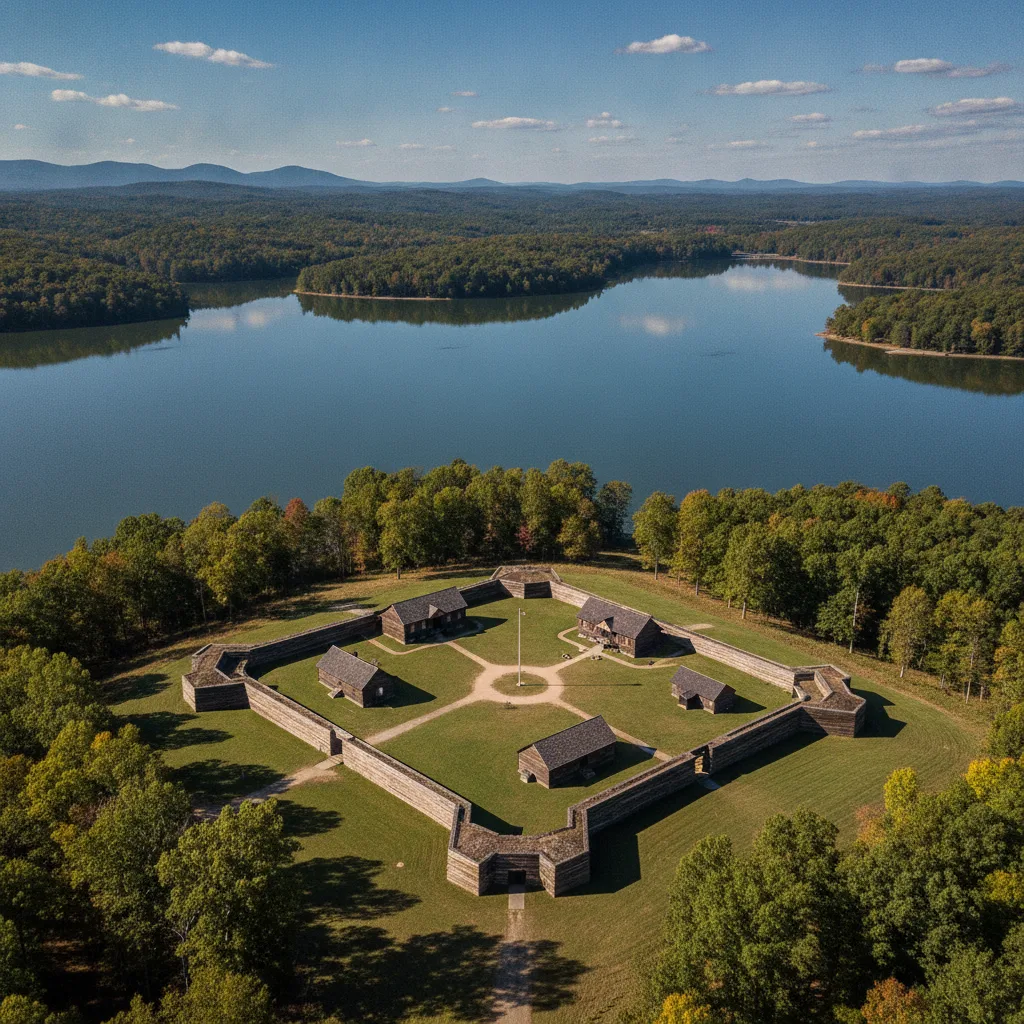
What sets Fort Loudoun apart is the thoughtful reconstruction of the fort itself, a project undertaken during the Great Depression and earning it National Historic Landmark status in 1965. As you walk through the palisade walls, explore the barracks, and see the blacksmith forge, you gain a tangible sense of what life was like for the soldiers and Native Americans who inhabited this strategic outpost. The park also offers educational and interpretive programs designed to bring this history to life, often featuring reenactors who portray daily life and significant events. It’s a powerful experience to stand on the very ground where such significant events unfolded, overlooking the serene waters of Tellico Lake with the Appalachian Mountains in the distance.
Who It's Best For
Fort Loudoun State Historic Park caters to a diverse range of visitors, making it an excellent choice for many types of travelers. History enthusiasts will find themselves captivated by the detailed reconstructions and interpretive exhibits that illuminate the French and Indian War period and the interactions between European settlers and the Cherokee. Families, especially those with school-aged children, will appreciate the interactive learning opportunities; kids love exploring the fort's ramparts and seeing the cannons.
Beyond the historical aspects, the park is a haven for outdoor lovers. Its location on Tellico Lake makes it ideal for those interested in fishing or enjoying scenic views. Hikers will appreciate the moderate trails that wind through woodlands and along the lake shore. Bird watchers can spot shorebirds, osprey, and even bald eagles. Even those simply seeking a peaceful retreat will find the park's natural beauty and picnic areas to be a perfect escape from the hustle and bustle. While the park is generally accessible, visitors with mobility concerns should note the temporary closure of the Visitor Center and restrooms, and the ongoing ADA construction that impacts kayak rentals.
Getting There & Parking
Understanding how to get to Fort Loudoun State Historic Park is straightforward, though we always recommend checking local traffic conditions before you depart. The park is conveniently located about 30-37 miles south of Knoxville, Tennessee.
If you're driving from Knoxville, the most common route is to take I-75 South to Highway 72 South (Loudon Exit). You'll then drive approximately 20 miles on Highway 72 South until it intersects with Highway 411. Stay on Highway 411 North until it meets Highway 360 South in downtown Vonore. Turn onto Highway 360 South, and the park entrance will be about one mile down on your left. For those approaching from other directions, simply navigate towards Vonore, Tennessee, and follow the clear signs to the park. The address for your GPS is 338 Fort Loudoun Road, Vonore, TN 37885.
Regarding parking, you'll find a dedicated parking lot conveniently located at the very end of the park road, near the fort and the Visitor Center. Our team can confirm that parking at Fort Loudoun State Historic Park is free. While the park itself is generally ADA accessible, including parking and some trails, please be aware that the Visitor Center and its restrooms are temporarily closed due to ongoing construction in 2026.
Top Things to Do
Our team has explored Fort Loudoun State Historic Park extensively, and we can confidently say there's a wealth of engaging activities to fill your day, blending history, nature, and relaxation. Here are the top things to do at Fort Loudoun State Historic Park:
- Explore the Reconstructed Fort: This is, without a doubt, the centerpiece of your visit. Walk through the meticulously rebuilt 18th-century British fort, imagining life on the colonial frontier. You can explore the ramparts, see impressive cannons, and observe the differences between the enlisted men's quarters and the officers' houses. Informational plaques along the paved path leading to the fort provide context and insight.
- Visit the Museum and Watch "The Fort Loudoun Story": While the Visitor Center and Museum are temporarily closed for construction in 2026, when open, they typically house artifacts recovered from archaeological digs and offer an award-winning 15-minute film, "The Fort Loudoun Story," which provides an excellent historical overview. We advise checking the park's official website for updates on its reopening.
- Attend a Living History Event or Garrison Weekend: Fort Loudoun State Historic Park regularly hosts living history programs and seasonal events, such as "Garrison Weekends" and "Christmas Garrison," where reenactors bring the 18th century to life. These events offer a dynamic and immersive way to learn about the fort's creation, daily life, and the evolving relationships between the British garrison and the Overhill Cherokee.
- Picnic with a View: The park offers numerous picnic tables, many with scenic views of Tellico Lake. It's a lovely spot for lunch, and some picnic tables are right on the banks of the lake. There is also a reservable picnic pavilion that accommodates up to 64 people, which can be booked online.
- Go Fishing: Anglers will appreciate the year-round fishing opportunities from a 50-foot accessible fishing pier that extends over Tellico Lake. Bass and catfish are primary game fish here. Remember, a valid Tennessee fishing license is required.
- Enjoy Paddling (Bring Your Own): While kayak rentals are temporarily unavailable due to ongoing ADA construction and the boat dock being ripped out in 2026, visitors are still welcome to bring their own canoes or kayaks and use the launch points. Paddling on Tellico Lake offers a unique perspective of the park and its surrounding natural beauty.
- Hike the Trails: Explore the park's approximately five miles of moderate hiking trails that loop through woodlands, grassy fields, and along the lake's shore. We'll delve deeper into the specific Fort Loudoun State Historic Park hiking trails in a dedicated section below.
- Bird Watching: The park's diverse habitats, including the lake and woodlands, make it an excellent spot for bird watching. Keep an eye out for shorebirds, osprey, and even bald eagles.
These things to do at Fort Loudoun State Historic Park ensure a memorable visit, whether you're a history buff, an outdoor adventurer, or simply looking for a peaceful day out.
Fort Loudoun State Historic Park Hiking Trails
For those who love to stretch their legs and immerse themselves in nature, the Fort Loudoun State Historic Park hiking trails offer a fantastic complement to the historical exploration. Our team has found these trails to be well-maintained and provide a variety of scenic experiences, ranging from easy strolls to moderately strenuous hikes. In total, there are approximately five miles of moderate trails that loop around the park.
The park features several distinct Fort Loudoun State Historic Park hiking trails:
- Meadow Loop Trail: This trail is approximately 2.3 to 2.5 miles long and is generally considered easy to moderate. It winds through open meadows and woodlands, offering a chance to spot wildlife like deer and turkeys, especially in the fall.
- Ridgetop Loop Trail: At about 1.5 to 1.55 miles in length, the Ridgetop Loop provides beautiful views of the surrounding mountains and valleys, including impressive vistas of the highest peaks along the Smokies and the Cherokee National Forest.
- Lost Shoe Loop (or Lost Shoe Spur Trail): This shorter trail, around 0.4 to 0.5 miles, is a spur off the Meadow Loop Trail and is described as difficult by some sources, while others suggest it's part of a less strenuous overall system.
- Paved Walkway: A short, paved path leads directly from the Visitor Center area to the reconstructed fort, offering an easy and accessible route for all visitors.
- Island Loop Water Trail and River Gate Trail: These are also mentioned as trails within the park, with the Island Loop Water Trail being 5.4 miles and the River Gate Trail being 0.10 miles.
Trail maps are typically available at the park office or on the Tennessee State Parks website. It's important to remember that these trails are for day use only, open from 8 AM until sunset daily. Bicycles are not permitted on the trails, and pets must be kept on a leash at all times. The Fort Loudoun State Historic Park hiking trails offer a wonderful way to experience the natural beauty of the area while enjoying the fresh air.
Best Time to Visit
Our team recommends considering a few factors when planning the best time to visit Fort Loudoun State Historic Park to maximize your experience. The park is open year-round from 8:00 AM to sunset daily, with free admission.
- Spring (April-May): This is an excellent time to visit as the weather is typically mild and pleasant, and the natural landscape comes alive with blooming wildflowers. Crowds are generally lighter than in the peak summer months, making for a more serene experience.
- Fall (September-October): The autumn months bring cooler temperatures and stunning fall foliage, especially with the backdrop of the Appalachian Mountains. The crisp air is perfect for hiking, and the vibrant colors create a beautiful setting for photography. Many of the park's special events and reenactments also occur during the spring and fall.
- Summer (June-August): While summer offers the warmest weather for lake activities, it can also be quite hot and humid in East Tennessee. This is often the busiest season, especially on weekends, so expect more visitors. If visiting in summer, we suggest arriving earlier in the day to beat the heat and crowds.
- Winter (November-March): Winter visits offer a quieter experience with fewer crowds. While the landscape may be starker, the fort still holds its historical charm, and cooler temperatures can be ideal for brisk walks. The park is closed only on Christmas Day.
Regardless of the season, we always recommend checking the park's official website for any specific event schedules, temporary closures (like the current Visitor Center and restroom closures), or changes in operating hours before your visit.
Where to Stay Nearby
While Fort Loudoun State Historic Park itself doesn't offer overnight accommodations, our team knows that finding comfortable and convenient Fort Loudoun State Historic Park lodging is key to a great trip. The immediate area around Vonore is a small community, but you'll find a range of options within a reasonable driving distance, from hotels to vacation rentals and even camping.
Hotels and Motels
For traditional hotel stays, you'll likely need to expand your search slightly beyond Vonore to nearby towns like Lenoir City, Sweetwater, Alcoa, or Knoxville. These areas offer a wider selection of chain hotels with various amenities. For example, you might find options like Quality Inn Sweetwater West, Econo Lodge Lenoir City, or hotels near the Knoxville Airport (Alcoa) such as Holiday Inn Express & Suites or La Quinta Inn & Suites.
Vacation Rentals
For those seeking more space, privacy, or a home-away-from-home feel, vacation rentals are an excellent choice for Fort Loudoun State Historic Park lodging. Sites like Vrbo and Travelocity list numerous cabins, houses, and apartments in Vonore and surrounding communities. You can find lake houses with docks on Tellico Lake, secluded mountain getaways, or cozy cabins. These often come with amenities like full kitchens, multiple bedrooms, and sometimes even hot tubs, making them ideal for families or longer stays. Some popular choices include "Toqua Greens Retreat - Tellico Village" or lake houses in the Smoky Mountains area.
Camping
If you prefer to sleep under the stars, camping options are available nearby. While Fort Loudoun State Historic Park does not have its own campground, Toqua Campground in Vonore is a notable option. Additionally, other Tennessee State Parks or private campgrounds in the broader East Tennessee region, including those closer to Great Smoky Mountains National Park, offer various camping facilities from primitive sites to RV hookups. We always recommend booking campsites well in advance, especially during peak seasons.
When selecting your Fort Loudoun State Historic Park lodging, consider your preferred amenities, budget, and how far you're willing to drive to and from the park each day. Many visitors choose to stay closer to Knoxville for more dining and entertainment options, making the park a day trip, while others opt for the tranquility of a lakefront rental in Vonore.
Sample 2-Day Itinerary
To truly immerse ourselves in the history and natural beauty of the area, our team suggests a leisurely two-day itinerary for Fort Loudoun State Historic Park and its surroundings. This allows for a deeper exploration without feeling rushed.
Day 1: Fort Loudoun Immersion
- Morning (9:00 AM - 12:00 PM): Explore the Fort and History. Arrive at Fort Loudoun State Historic Park. Head straight to the reconstructed fort. Spend a good two to three hours walking the grounds, exploring the barracks, officer's quarters, blacksmith shop, and peering through the palisades. Read the interpretive signs to understand the fort's strategic importance during the French and Indian War. Imagine the daily life of the soldiers and the complex interactions with the Cherokee.
- Lunch (12:00 PM - 1:00 PM): Lakeside Picnic. Pack a picnic lunch and enjoy it at one of the many picnic tables overlooking Tellico Lake. The views are serene, and it’s a perfect spot to reflect on the morning’s historical discoveries.
- Afternoon (1:00 PM - 4:00 PM): Hiking and Nature. Lace up your hiking boots and explore some of the Fort Loudoun State Historic Park hiking trails. We recommend the Meadow Loop Trail (2.3-2.5 miles) for a pleasant walk through woodlands and open fields, or the Ridgetop Loop Trail (1.5-1.55 miles) for scenic vistas of the surrounding mountains. Keep an eye out for local wildlife.
- Late Afternoon (4:00 PM - 5:00 PM): Fishing or Bird Watching. If you have a Tennessee fishing license, cast a line from the accessible fishing pier. Alternatively, enjoy some bird watching, looking for osprey and bald eagles over the lake.
- Evening: Dinner in Vonore or Nearby. Head into Vonore for a casual dinner, or venture a bit further to Lenoir City or Sweetwater for more dining options.
Day 2: Cherokee Heritage & Local Exploration
- Morning (9:00 AM - 12:00 PM): Sequoyah Birthplace Museum. Start your day next door at the Sequoyah Birthplace Museum. This museum is dedicated to Sequoyah, the creator of the Cherokee syllabary, and offers fascinating insights into Cherokee culture and history. Admission is $5 for adults, and kids under 12 are free.
- Lunch (12:00 PM - 1:00 PM): Local Fare. Grab lunch in Vonore or a nearby community.
- Afternoon (1:00 PM - 4:00 PM): Tellico Blockhouse & Lake Activities. Visit the stabilized ruins of the Tellico Blockhouse, another significant historical site in the area. If you brought your own kayak or canoe, spend some time paddling on Tellico Lake. Alternatively, explore Vonore Veteran's Memorial Park, which features a pavilion, fishing pier, and a paved walking trail.
- Late Afternoon/Evening: Explore East Tennessee. Depending on your interests and onward travel plans, you could head towards Great Smoky Mountains National Park for a scenic drive, or if you're heading west, consider destinations like Graceland in Memphis or Grand Ole Opry in Nashville, showcasing the incredible diversity of Tennessee.
Is It Worth Visiting?
From our perspective as independent US travel authorities, we can definitively say: yes, Fort Loudoun State Historic Park is absolutely worth visiting. It stands as a compelling testament to a pivotal period in American history, offering an experience far richer than generic historical sites. The dedication to preserving and interpreting the story of the British fort and its interactions with the Cherokee Nation is truly commendable.
The park's unique blend of historical significance and natural beauty is a major draw. Where else can you explore a reconstructed 18th-century fort, learn about the French and Indian War, and then step out to hike scenic trails or fish on a beautiful lake, all within the same location? The free admission also makes it an incredibly accessible and valuable educational experience for everyone. While the temporary closures of the Visitor Center and restrooms in 2026 are an inconvenience, the core experience of exploring the fort and enjoying the grounds remains intact and highly rewarding. For history buffs, families seeking educational outings, and outdoor enthusiasts alike, Fort Loudoun State Historic Park offers a confident and specific reason to add it to your US travel plans. We believe that experiencing this slice of colonial frontier life firsthand is an invaluable part of understanding the broader narrative of Tennessee and the nation.
FAQ
Fort Loudoun State Historic Park camping
While Fort Loudoun State Historic Park itself does not offer camping facilities directly within its boundaries, there are excellent camping options nearby. Toqua Campground in Vonore is a popular choice for those looking to stay close to the park. Additionally, the broader East Tennessee region, including areas closer to the Cherokee National Forest or other state parks, offers a variety of campgrounds catering to tents and RVs. We recommend checking availability and making reservations, especially during peak travel seasons.
things to do in Vonore
Vonore, Tennessee, is a small town that serves as the gateway to Fort Loudoun State Historic Park and the Sequoyah Birthplace Museum. Beyond these primary attractions, things to do in Vonore include visiting the Vonore Veteran's Memorial Park, which features a pavilion, fishing pier, and a paved walking trail. The town also offers access to Tellico Lake for boating and fishing. While dining options are somewhat limited due to the town's small size, you'll find a few local eateries.
Fort Loudoun State Historic Park with kids
Fort Loudoun State Historic Park is an excellent destination for families visiting with kids. Children love the hands-on experience of exploring the reconstructed fort, running along the ramparts, and seeing the cannons. The historical reenactments and interpretive programs are designed to be engaging for all ages, making history come alive. The easy-to-moderate hiking trails are also suitable for families, and the picnic areas provide a great spot for a break. Don't forget to combine your visit with the nearby Sequoyah Birthplace Museum, which offers interactive exhibits that kids often enjoy.
best hotels near Fort Loudoun State Historic Park
The best hotels near Fort Loudoun State Historic Park are typically found in the slightly larger surrounding towns. While Vonore has limited options, you can find good choices in Lenoir City, Sweetwater, Alcoa, and Knoxville. Popular options include chain hotels like Holiday Inn Express & Suites, La Quinta Inn & Suites, or Comfort Suites in areas like Knoxville-Farragut or near the Knoxville Airport. For a more unique stay, consider vacation rentals in Vonore or on Tellico Lake, which offer more space and amenities for families or groups.
Fort Loudoun State Historic Park tips
Our top tips for visiting Fort Loudoun State Historic Park include checking the official Tennessee State Parks website before your trip for the most up-to-date information on hours, events, and any temporary closures, especially regarding the Visitor Center and restrooms in 2026. Wear comfortable shoes suitable for walking and exploring the fort and trails. Bring water, especially during warmer months, and pack a picnic to enjoy the scenic lakeside tables. If you plan to fish, ensure you have a valid Tennessee fishing license. Finally, consider combining your visit with the adjacent Sequoyah Birthplace Museum for a fuller historical experience.
where to stay near Fort Loudoun State Historic Park
When deciding where to stay near Fort Loudoun State Historic Park, you have several choices. For traditional hotels, look to towns such as Lenoir City, Sweetwater, Alcoa, or the greater Knoxville area, which offer a range of hotel brands. If you prefer a more private and spacious accommodation, vacation rentals like cabins or lake houses are available in Vonore and surrounding communities, many with beautiful views of Tellico Lake. For those who enjoy the outdoors, nearby campgrounds like Toqua Campground offer a chance to connect with nature. Your choice will depend on your budget, desired amenities, and how close you wish to be to the park versus other regional attractions.
Last updated: 2026-07-08 by the Roam States team.