Our Fort Necessity National Battlefield travel guide covers practical planning for Fort Necessity National Battlefield Pennsylvania — best time to visit, getting there, and what to do on the ground. We provide confident, specific recommendations to ensure your trip to this pivotal historical site is both enriching and seamless.
Fort Necessity National Battlefield Travel Guide — Pennsylvania
Steeped in the dramatic events that ignited a global conflict, Fort Necessity National Battlefield Pennsylvania is a must-visit for anyone seeking to understand the foundational moments of American history. It was here, amidst the Great Meadows, that a young George Washington experienced his only military surrender, marking the opening battle of the French and Indian War in 1754. This clash of empires ultimately reshaped North America and set the stage for the American Revolution. Our team at Roam States has compiled this comprehensive guide to help you plan your journey to this significant historical landmark.
Why Visit Fort Necessity National Battlefield
Visiting Fort Necessity National Battlefield offers a unique opportunity to step back in time and witness the origins of a conflict that profoundly impacted the course of American and world history. This isn't just another historical site; it's where 22-year-old George Washington, then a Virginia militia colonel, made his stand against a superior French and Native American force. His surrender here on July 3, 1754, was a pivotal moment, escalating tensions that would erupt into the French and Indian War (also known as the Seven Years' War globally).
The battlefield provides a tangible connection to this critical period, allowing visitors to walk the same ground where these momentous events unfolded. Beyond the historical narrative, the serene landscape of the Great Meadows offers a reflective experience, inviting contemplation on the sacrifices and decisions made centuries ago. It's a place where history truly comes alive, offering insights into military strategy, colonial life, and the complex relationships between European powers and Native American nations. The interpretive exhibits and park film at the visitor center provide a comprehensive overview, making the history accessible and engaging for all ages.
Who It's Best For
Fort Necessity National Battlefield appeals to a wide range of travelers, making it a versatile destination for various interests. History enthusiasts, particularly those interested in the French and Indian War, colonial America, or the early life of George Washington, will find it an indispensable stop. The detailed exhibits, reconstructed fort, and interpretive programs offer a deep dive into the period.
Families with school-aged children will also discover an engaging educational experience. The opportunity to explore a reconstructed fort and learn about military history in an outdoor setting can be far more impactful than a textbook lesson. Ranger-led talks and living history demonstrations, often including musket and artillery firings, captivate younger audiences and bring the past to life.
Beyond history buffs and families, the battlefield is ideal for road trippers exploring the best places in Pennsylvania or those on a USA road trip planner looking for significant historical stops. Its location in the scenic Laurel Highlands also makes it attractive to nature lovers and hikers who appreciate combining historical exploration with outdoor activity. The relatively flat walking trails make it accessible for many, including those with physical mobility needs.
Getting There & Parking
Understanding how to get to Fort Necessity National Battlefield is straightforward, as the park is conveniently located along a historic route. The main unit of the park is situated 11 miles east of Uniontown, Pennsylvania, directly on U.S. Highway 40, also known as the historic National Road.
For those traveling by car, the park's address is 1 Washington Parkway, Farmington, PA 15437. GPS coordinates are approximately 39.813060, -79.590333.
When it comes to Fort Necessity National Battlefield parking, visitors will find ample free parking available at the Visitor Center. Additionally, parking is provided at the Mount Washington Tavern, another key site within the park. We recommend starting your visit at the main Visitor Center, where you can gather information, view exhibits, and then proceed to the fort and other areas. Please note that parking is only allowed in designated areas, and no parking is permitted along the road.
While the main unit is easily accessible, other related sites, such as Jumonville Glen and Braddock's Grave, are located a few miles away along U.S. 40 and may have separate, smaller parking areas. Jumonville Glen, for instance, is approximately 8 miles from the main fort site. Always check the official National Park Service website for any current alerts or specific parking instructions, especially during peak season or special events. No reservations are required for general entry to the park.
Top Things to Do
There are many things to do at Fort Necessity National Battlefield that immerse visitors in its rich history and natural beauty. Our team recommends allocating at least half a day, if not a full day, to fully appreciate all the site has to offer. The park is open year-round, with the grounds accessible from sunrise to sunset, and the Visitor Center typically open from 9 AM to 5 PM daily, except for major holidays like Thanksgiving, Christmas, and New Year's Day.
Explore the Reconstructed Fort and Great Meadows
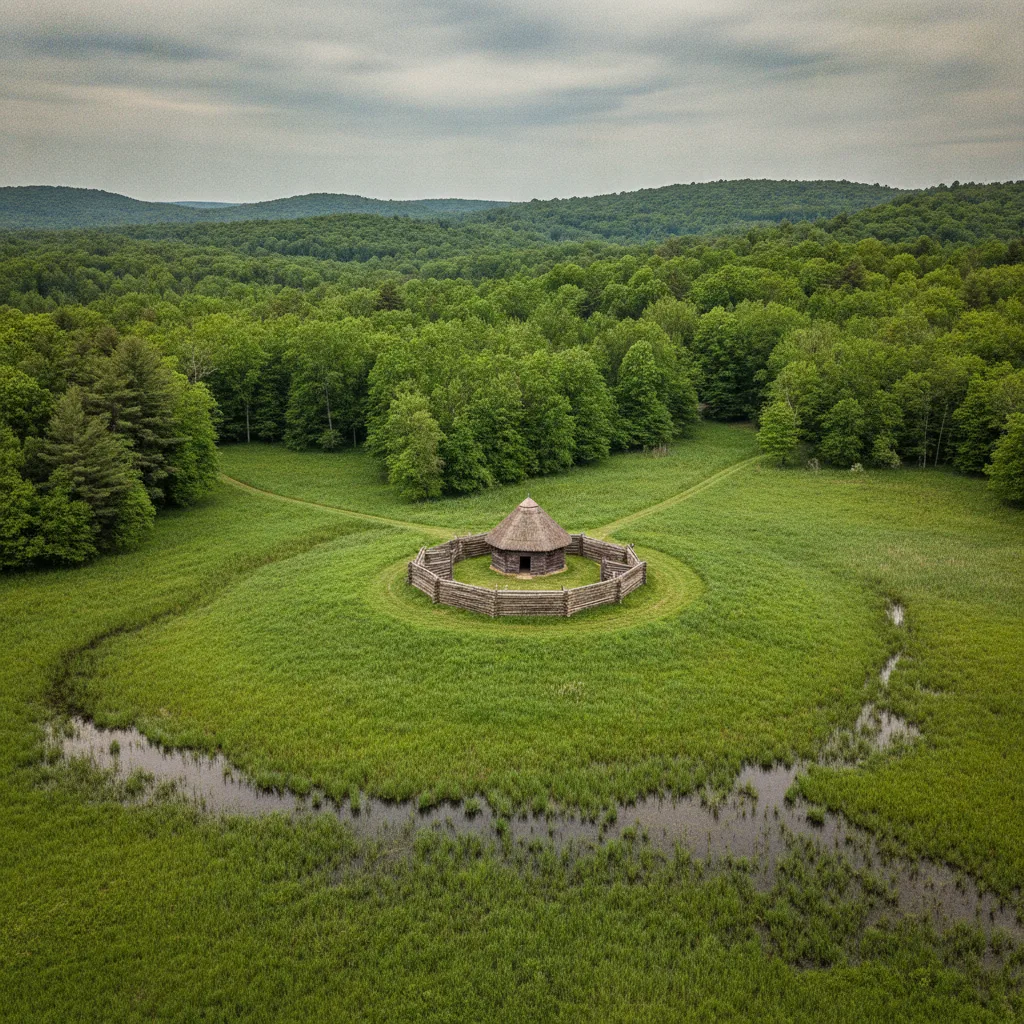
The centerpiece of the battlefield is the reconstructed Fort Necessity, a small circular stockade built hastily by Washington's troops. Walking around the fort and through the surrounding Great Meadows provides a powerful sense of the challenging conditions faced by the soldiers in 1754. Interpretive signs along the paths offer insights into the battle and the strategic importance of the location.
Visit the Fort Necessity National Battlefield Visitor Center
Begin your visit at the Fort Necessity/National Road Interpretive & Education Center. Here, you can watch the 20-minute park film, "Road of Necessity," which provides essential context for the battle and the French and Indian War. The center also features interactive exhibits, artifacts, and a museum shop. There are tactile elements in the "Please Touch Panel" for visitors with blindness or low vision, including a beaded sash, beaver pelt, and axe head. The visitor center and most main pathways are wheelchair accessible.
Tour the Mount Washington Tavern
A short drive from the main fort area, the historic Mount Washington Tavern offers a glimpse into 19th-century travel along the National Road, America's first federally funded highway. The tavern, open seasonally from May 1 to October 31, is furnished to reflect its role as a stagecoach stop and provides a fascinating contrast to the earlier military history of the fort.
Hike the Battlefield Trails
Several walking trails wind through the park, allowing for deeper exploration. The Battlefield Trail (1.2 miles) and the Great Meadows Trail (0.5 miles) are popular options. A portion of these trails follows the Braddock Road Trace, the remnant of the military road built by Washington and later improved by General Braddock. These trails offer a chance to appreciate the natural landscape and imagine the wilderness that once surrounded the fort. Some trails may be steep and slippery, so caution is advised.
Explore Jumonville Glen and Braddock's Grave
These two additional units of the park are located a few miles west of the main battlefield. Jumonville Glen is the site of an earlier skirmish involving Washington that further inflamed tensions with the French. It is seasonally open from May 1 to October 31. Braddock's Grave marks the final resting place of British General Edward Braddock, who was mortally wounded during his ill-fated expedition against Fort Duquesne in 1755.
Attend Ranger Programs and Living History Events
Throughout the year, especially during the summer months and on special anniversaries like the battle's commemoration from July 3-5, 2026, the park hosts ranger-led programs and living history demonstrations. These often include musket and artillery firings, providing an immersive experience and deeper understanding of the period. Check the park's official website for a current schedule of events.
Things to Do in Farmington and Nearby
While Fort Necessity National Battlefield is a primary draw, there are many other things to do in Farmington and the surrounding Laurel Highlands that can complement your visit. This region of southwestern Pennsylvania is rich in both natural beauty and architectural marvels.
- Fallingwater and Kentuck Knob: Just a short drive from Farmington, these two iconic Frank Lloyd Wright-designed homes are architectural masterpieces and offer fascinating tours. Fallingwater is approximately 14 miles away, and Kentuck Knob is also nearby. We highly recommend making reservations well in advance for both.
- Ohiopyle State Park: An outdoor enthusiast's paradise, Ohiopyle State Park offers white-water rafting on the Youghiogheny River, hiking and biking on trails like the Great Allegheny Passage, and stunning natural features like Cucumber Falls and Ohiopyle Falls. It's an excellent place for a scenic drive or an adventurous day out.
- Laurel Caverns: Explore Pennsylvania's largest cave system at Laurel Caverns, offering guided tours and an underground adventure.
- Christian W. Klay Winery: For a more relaxed experience, visit a local winery in Chalk Hill, such as Christian W. Klay Winery, to enjoy tastings and scenic views.
- Nemacolin Woodlands Resort: This luxury resort near Farmington offers a wide array of amenities, including golf, a spa, fine dining, and even a wildlife academy, making it a destination in itself.
Integrating these attractions into your itinerary will provide a well-rounded experience of the Laurel Highlands, blending history, nature, and culture. For more ideas on exploring Pennsylvania, consider our guide to Best places in Pennsylvania.
Best Time to Visit
The best time to visit Fort Necessity National Battlefield largely depends on your priorities, but generally, spring and fall offer the most pleasant experiences.
- Spring (April-May): As the weather warms and foliage begins to return, spring offers comfortable temperatures for exploring the outdoor sites. Crowds are typically lighter than in summer, and the natural beauty of the Laurel Highlands is refreshing.
- Summer (June-August): Summer is peak season, bringing warmer temperatures and often higher humidity. This is when the park offers the most robust schedule of ranger-led programs and living history demonstrations, including musket and artillery firings, which can be a highlight for many visitors. If you visit in early July, you might catch the Battle Anniversary Encampment. Be prepared for larger crowds and ensure any indoor activities are part of your plan to escape the heat.
- Fall (September-October): Our team considers fall an ideal time to visit. The weather is crisp and cool, perfect for walking the trails, and the autumn foliage in the Laurel Highlands is spectacular. The Mount Washington Tavern and Jumonville Glen are typically open through October 31st. Crowds begin to thin after the summer rush.
- Winter (November-March): While the grounds remain open sunrise to sunset year-round, winter brings cold temperatures and often snow. The Visitor Center maintains its 9 AM to 5 PM hours, but some facilities like the Mount Washington Tavern and Jumonville Glen close for the season. If you don't mind the cold, a winter visit can offer a stark, contemplative experience of the battlefield, with fewer visitors. Be aware that parking areas for sites like Braddock's Grave may not be maintained during winter months.
Ultimately, for the best combination of comfortable weather and full programming, we recommend late spring or early fall. However, if experiencing living history events is a priority, a summer visit during a special event like the battle anniversary is highly rewarding. Always check the park's official website for the most current operating hours and seasonal closures before your trip.
Where to Stay Nearby
Finding excellent Fort Necessity National Battlefield lodging is key to a comfortable and convenient visit. The area around Farmington and Uniontown offers a variety of accommodations, from luxurious resorts to budget-friendly hotels and charming vacation rentals.
Hotels and Resorts
For those seeking full-service amenities, several options stand out:
- Nemacolin Woodlands Resort (Farmington): This upscale resort is a destination in itself, offering luxury accommodations, multiple dining options, a spa, golf courses, and various activities. It's an excellent choice if you're looking to combine your historical visit with a high-end retreat.
- The Historic Summit Inn (Farmington/Hopwood): Perched atop Chestnut Ridge, this historic hotel offers stunning views, a golf course, and indoor/outdoor pools. It's a charming option with a rich history of its own, and it's located about 5 miles east of Fort Necessity. The Historic Summit Inn is open for the 2026 season.
- The Lodge at Chalk Hill (Chalk Hill): A welcoming motel offering a cozy stay, with bicycle rentals and hiking trails nearby. It's located just 3.6 miles from Fort Necessity, making it a convenient and affordable option.
- Uniontown Hotels: The nearby town of Uniontown (about 10-15 miles west) provides a wider selection of chain hotels, including Hilton Garden Inn Uniontown, Holiday Inn Express & Suites Uniontown, Wingate by Wyndham Uniontown, and Comfort Suites Uniontown. These offer reliable comfort and amenities at various price points.
Vacation Rentals and Cabins
For a more private or unique experience, especially for families or groups, vacation rentals and cabins are plentiful in the Laurel Highlands. Websites like Airbnb and Vrbo list numerous options, from rustic cabins nestled in the woods to more modern homes. Many are located in Farmington, Ohiopyle, or Chalk Hill, offering proximity to the battlefield and other outdoor attractions like Ohiopyle State Park.
When searching for Fort Necessity National Battlefield lodging, consider your desired level of amenities and proximity to other attractions. Booking in advance, especially during peak season (summer and fall foliage), is always a good idea to secure your preferred accommodation. For additional options, you might also look at hotels in nearby Ohiopyle or even Connellsville.
Sample 2-Day Itinerary
To fully experience Fort Necessity National Battlefield and the surrounding Laurel Highlands, we recommend a two-day itinerary. This allows for a deeper dive into the historical significance and ample time to enjoy the region's natural beauty and other attractions.
Day 1: Fort Necessity and Early American History
- Morning (9:00 AM - 1:00 PM): Fort Necessity National Battlefield
- Start at the Fort Necessity/National Road Interpretive & Education Center. Watch the park film, explore the exhibits, and pick up a park map.
- Walk the short, accessible path to the reconstructed Fort Necessity and the Great Meadows. Imagine the battle unfolding on this historic ground.
- Take time to walk some of the battlefield trails, such as the Battlefield Trail or the Great Meadows Trail, to gain different perspectives of the site.
- If available, participate in a ranger-led program or a living history demonstration to enhance your understanding.
- Lunch (1:00 PM - 2:00 PM): Picnic or Local Eatery
- Enjoy a picnic at the park's designated picnic area (check for any closures for restoration work).
- Alternatively, head to a local restaurant in Farmington or a short drive to Uniontown for lunch.
- Afternoon (2:00 PM - 5:00 PM): Mount Washington Tavern & Related Sites
- Drive to the Mount Washington Tavern, a historic stagecoach stop along the National Road. Tour the furnished tavern to learn about 19th-century travel and life. (Note: Tavern is open seasonally, May 1 - Oct 31).
- Visit Braddock's Grave, located about 1.5 miles west of the main fort unit on US-40, for another piece of French and Indian War history.
- Consider a visit to Jumonville Glen, approximately 7-8 miles west of the main fort, the site of an earlier skirmish involving Washington. (Note: Jumonville Glen is open seasonally, May 1 - Oct 31).
- Evening: Check into Fort Necessity National Battlefield lodging & Dinner
- Settle into your chosen accommodation in Farmington, Chalk Hill, or Uniontown.
- Enjoy dinner at a local restaurant. Many establishments in the area offer classic American fare and regional specialties.
Day 2: Architectural Wonders & Outdoor Adventures
- Morning (9:00 AM - 1:00 PM): Frank Lloyd Wright's Masterpieces
- Drive to Mill Run to tour Fallingwater, Frank Lloyd Wright's iconic house built over a waterfall. Reservations are essential and should be made months in advance.
- Continue to Kentuck Knob, another stunning Frank Lloyd Wright Usonian house, also requiring advance reservations.
- Lunch (1:00 PM - 2:00 PM): Ohiopyle State Park or Mill Run
- Grab a casual lunch in Ohiopyle, a hub for outdoor enthusiasts, or a cafe near Fallingwater.
- Afternoon (2:00 PM - 5:00 PM): Ohiopyle State Park Exploration
- Spend the afternoon exploring Ohiopyle State Park. Enjoy scenic overlooks of the Youghiogheny River, walk to Cucumber Falls, or view the powerful Ohiopyle Falls.
- Depending on the season and your adventurous spirit, consider a short hike on one of the park's many trails or a leisurely bike ride on the Great Allegheny Passage.
- Evening: Farewell Dinner & Departure
- Enjoy a final dinner in the Laurel Highlands before heading home or continuing your journey.
This itinerary balances historical immersion with natural beauty and architectural appreciation, providing a comprehensive experience of the Fort Necessity National Battlefield Pennsylvania region. Remember to check the operating hours and make reservations for all attractions in advance, especially for popular sites like Fallingwater. For more travel inspiration in the region, consider exploring the official Visit PA website.
Frequently Asked Questions About Fort Necessity National Battlefield
Fort Necessity National Battlefield with kids
Fort Necessity National Battlefield is an excellent educational destination for kids. The reconstructed fort and open meadows allow children to visualize history, and the visitor center features interactive exhibits and a park film that make learning engaging. During summer and special event weekends, ranger-led programs often include musket and artillery demonstrations, which are particularly exciting for younger visitors. The relatively flat walking trails are also suitable for families. We recommend preparing them with some background on George Washington and the French and Indian War to maximize their experience.
Best hotels near Fort Necessity National Battlefield
The best hotels near Fort Necessity National Battlefield include The Lodge at Chalk Hill, which is just 3.6 miles away and offers good value. For a more luxurious stay, Nemacolin Woodlands Resort in Farmington provides extensive amenities. The Historic Summit Inn, about 5 miles east, offers a charming, historic atmosphere with great views. In nearby Uniontown (about 10-15 miles away), you'll find reliable chain options like Hilton Garden Inn, Holiday Inn Express & Suites, and Wingate by Wyndham.
Fort Necessity National Battlefield tips
Our top Fort Necessity National Battlefield tips include starting your visit at the Interpretive & Education Center to watch the park film and explore exhibits for context. Wear comfortable shoes, as you'll want to walk the trails around the fort and Great Meadows. Check the park's official website for current operating hours, especially for seasonal sites like the Mount Washington Tavern and Jumonville Glen, and for any special events or living history programs. Bring water, especially during warmer months, and consider visiting in spring or fall for the most pleasant weather and fewer crowds.
Where to stay near Fort Necessity National Battlefield
When deciding where to stay near Fort Necessity National Battlefield, consider Farmington for proximity to the park and luxury options like Nemacolin or the historic charm of The Summit Inn. Uniontown offers a wider selection of chain hotels at various price points. For a more secluded experience, look into vacation rentals and cabins in the surrounding Laurel Highlands, particularly around Ohiopyle or Chalk Hill, which often provide access to outdoor activities.
Fort Necessity National Battlefield parking
Fort Necessity National Battlefield parking is free and readily available. Visitors can find ample parking at the main Visitor Center. Additionally, parking is provided at the Mount Washington Tavern unit of the park. Please ensure you park only in designated areas and avoid parking along the main road. No advance reservations are required for general parking.
Best time to visit Fort Necessity National Battlefield
The best time to visit Fort Necessity National Battlefield is during the spring (April-May) or fall (September-October). These seasons offer mild temperatures, beautiful scenery, and generally lighter crowds. Fall is particularly stunning due to the vibrant autumn foliage in the Laurel Highlands. Summer (June-August) is also popular, especially for living history programs and events, but expect warmer weather and more visitors. The park grounds are open year-round, but some facilities like the Mount Washington Tavern and Jumonville Glen are seasonal.
Conclusion
Fort Necessity National Battlefield Pennsylvania stands as a profound testament to the early struggles that shaped the United States. Our team believes that a visit here is more than just a historical excursion; it's an immersive journey into the very crucible of American identity. From walking the Great Meadows where George Washington faced his only surrender to exploring the historic National Road, the site offers layers of discovery for every traveler. Coupled with the stunning natural beauty and diverse attractions of the Laurel Highlands, a trip to this pivotal battlefield promises an enriching and memorable experience for history buffs, families, and outdoor enthusiasts alike. We encourage you to plan your visit, delve into this critical chapter of the past, and witness firsthand where the road to revolution truly began.
Last updated: 2026-07-12 by the Roam States team.