Fort Wilkins Historic State Park Travel Guide — Michigan
Our Fort Wilkins Historic State Park guide covers practical planning for Fort Wilkins Historic State Park Michigan — best time to visit, getting there, and what to do on the ground. We’ve compiled everything you need to know for an unforgettable trip to this historic outpost on the shores of Lake Superior.
Why Visit Fort Wilkins Historic State Park
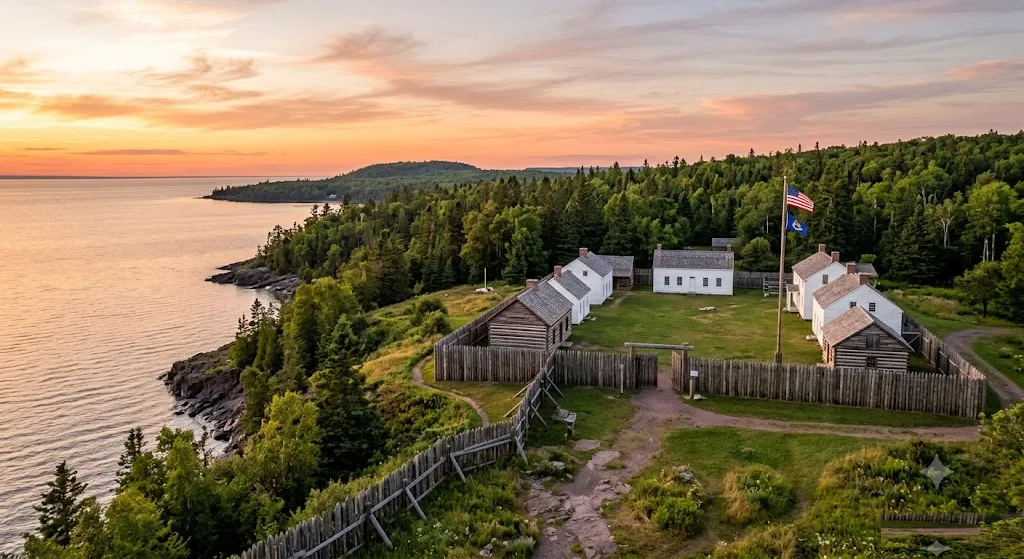
For those seeking a unique blend of history, natural beauty, and outdoor adventure, Fort Wilkins Historic State Park Michigan offers an unparalleled experience. Nestled at the very tip of the remote Keweenaw Peninsula, this well-preserved 1844 military outpost transports visitors back to the mid-19th century, offering a fascinating glimpse into frontier life during Michigan's intense copper rush. The park isn't just about static exhibits; it's a living history experience where costumed interpreters bring the past to life, demonstrating daily routines and sharing stories from 1870, the fort's final year of military occupation.
Beyond the fort itself, the park encompasses stunning natural landscapes. You’ll find rocky Lake Superior shorelines, the tranquil waters of Lake Fanny Hooe, and even a quarter-mile of sandy beach on Lake Manganese. This combination of historical immersion and breathtaking scenery is precisely why we believe Fort Wilkins Historic State Park is worth visiting. It provides a deeper understanding of Michigan’s rich past while offering ample opportunities for relaxation and recreation in one of the state's most picturesque regions.
Who It's Best For
Fort Wilkins Historic State Park caters to a diverse range of travelers, making it a fantastic destination for many. History buffs will be particularly captivated by the meticulously restored buildings—12 of the 19 structures are original to 1844—and the immersive living history programs. Families will find it an engaging educational experience, especially with the "Future Historians" youth camps where students portray 1870s life at the fort. The park’s blend of historical interpretation, museum exhibits, and outdoor interpretive trails ensures there's something to spark curiosity in all ages.
Outdoor enthusiasts will appreciate the extensive opportunities for hiking, biking, camping, and paddling. Its location between Lake Superior and Lake Fanny Hooe provides diverse aquatic environments for fishing and water activities. Even those simply looking for a peaceful escape will find solace in the park's serene atmosphere and stunning natural beauty. Whether you're a solo adventurer, a couple seeking a romantic getaway, or a family on vacation, Fort Wilkins Historic State Park offers a rewarding and memorable experience.
Getting There & Parking
Reaching Fort Wilkins Historic State Park is part of the adventure, as it's located at the northernmost tip of Michigan's Keweenaw Peninsula, approximately one mile east of the village of Copper Harbor. The park's address is 15223 U.S. Highway 41, Copper Harbor, MI. If you're wondering how to get to Fort Wilkins Historic State Park, the most common route is to drive north on US-41, which leads directly to Copper Harbor and the park entrance. From larger cities, expect a scenic drive through Michigan's Upper Peninsula.
For parking, Fort Wilkins Historic State Park offers ample space for visitors. There's a designated parking area near the fort, which historically included a 200-car parking lot after its restoration by the Work Projects Administration (WPA). A Michigan Recreation Passport is required for vehicle entry into the state park. This passport can be purchased annually with your license plate renewal or as a day-use pass at the park entrance station. If a park ranger isn't on duty, self-pay kiosks are available. We always recommend checking the Michigan DNR website for the most current fee information and any potential updates on parking or access before your visit.
Top Things to Do
When you visit Fort Wilkins Historic State Park, you're stepping into a vibrant tapestry of history and natural wonders. Our team has explored the best of what this unique destination has to offer, ensuring you make the most of your trip. Here are the top things to do at Fort Wilkins Historic State Park:
-
Explore the Historic Fort: The centerpiece of the park is the impeccably preserved 1844 military outpost. Wander through 19 buildings, 12 of which are original structures, including barracks, officer's quarters, and workshops. Engage with costumed interpreters who bring the year 1870 to life, demonstrating period activities and sharing stories of military life on the northern frontier. This living history program runs from June through August.
-
Visit the Copper Harbor Lighthouse: Perched at the harbor's entrance, the Copper Harbor Lighthouse complex is an integral part of the park's history. While the light tower itself is generally closed to the public, visitors can explore the grounds and the restored 1848 lightkeeper's dwelling, which houses a maritime museum. Boat tours from the Copper Harbor Marina are available to get closer to the lighthouse.
-
Hike the Trails: Fort Wilkins Historic State Park offers a network of trails that cater to various activity levels. For those interested in Fort Wilkins Historic State Park hiking trails, the Fort Wilkins Trail is an easy 2.7-mile (4.3 km) path offering scenic views of Lake Fanny Hooe and historical landmarks. Another excellent option for Fort Wilkins Historic State Park hiking trails is the Estivant Pines Loop, an easy 2.8-mile (4.5 km) route through magnificent old-growth pine forests. Many trails lead from the park through the adjoining campground and right up to the lake's edge, perfect for jogging or biking.
-
Camping and Lake Activities: The park boasts modern campgrounds, including the Fort Wilkins West and East Modern Campgrounds, with sites for tents and RVs, many offering electrical hookups. Lake Fanny Hooe, easily accessible from the campgrounds, is ideal for fishing, paddling, and swimming. The park also features a quarter-mile of sandy beach on Lake Manganese.
-
Attend Special Events: Throughout the summer, the park hosts various special events. Keep an eye out for the "Future Historians" programs, where youth interpreters showcase 19th-century life, and the annual Battery D Civil War Encampment, which interprets army life with artillery and small arms drills.
-
Birdwatching and Wildlife Viewing: The diverse ecosystems within the park, from Lake Superior's rocky shores to boreal forests, make it a prime spot for birdwatching and wildlife viewing. Keep an eye out for bald eagles, loons, and various other species.
Best Time to Visit
The operating season for Fort Wilkins Historic State Park is generally from mid-May to mid-October, with daily hours from 8:30 AM to dusk. However, the "best" time to visit truly depends on what experience you're seeking.
-
Summer (June-August): This is peak season for a reason. The weather is generally warm and pleasant, perfect for outdoor activities like hiking, biking, and enjoying the lakes. Crucially, the park's renowned Living History Program, featuring costumed interpreters, is in full swing during these months. Ranger programs are also offered during this time, staffing allowing. If you want to experience the fort at its most vibrant and interactive, summer is when to go.
-
Fall (September-mid-October): For those who appreciate stunning scenery and fewer crowds, early to mid-fall is an exceptional time. The Keweenaw Peninsula transforms with vibrant autumn colors, providing a breathtaking backdrop for exploring the fort and its trails. While the living history programs may have concluded by mid-September, the crisp air and brilliant foliage offer a different, equally rewarding experience. The park's historic architecture looks particularly fetching against a backdrop of autumn color.
-
Spring (mid-May-May): The park opens in mid-May, offering a quieter experience as the region awakens from winter. While some facilities might still be ramping up, you'll find fewer visitors and the chance to witness the natural beauty of the Upper Peninsula emerging. This is also a good time to see waterfalls like Manganese Falls, which often dry up in summer.
We recommend checking the Michigan DNR website for specific event schedules and any potential closures or updates for 2026, especially for the campground's east loop which was undergoing electrical upgrades.
Where to Stay Nearby
While Fort Wilkins Historic State Park offers excellent camping options, many visitors prefer the comfort of a hotel or cabin. For those seeking Fort Wilkins Historic State Park lodging, the charming village of Copper Harbor, just a mile away, provides the most convenient choices. The area offers a mix of motels, cabins, and resort-style accommodations.
-
In Copper Harbor:
- King Copper Motel: This motel is centrally located on the waterfront, offering stunning Lake Superior views and easy access to the Isle Royale Queen ferry. It's a popular choice for its convenient location and comfortable rooms.
- Mariner North Resort: A landmark in Copper Harbor, Mariner North offers both lodging and on-site dining, known for its welcoming atmosphere and proximity to trails.
- Bella Vista Motel: Situated on the waterfront, the Bella Vista provides clean, affordable rooms and housekeeping cottages with lake views.
- Lake Fanny Hooe Resort & Campground: This resort offers cottages and lakeside motel rooms, some with kitchenettes, alongside its campground facilities. It also features boat rentals, a swim beach, and a playground.
- Aqua Log Cabins Resort: Praised for its budget-friendly options and high guest ratings, this lodge is a good choice for those seeking comfort and distinctive experiences.
-
Other Nearby Areas: If you're looking for Fort Wilkins Historic State Park lodging slightly outside of Copper Harbor, nearby areas like Lac La Belle, Eagle Harbor, and Eagle River offer scenic beauty and additional accommodation choices. Eagle Harbor, with its historic charm and waterfront views, is often recommended for first-time visitors due to its blend of history and accessibility to attractions.
We always recommend booking your accommodations in advance, especially during the busy summer and fall foliage seasons, as options can fill up quickly in this popular Upper Peninsula destination.
Sample 2-Day Itinerary
To help you maximize your visit to Fort Wilkins Historic State Park and the surrounding Copper Harbor area, our team has crafted a sample 2-day itinerary. This plan balances historical exploration with the region's abundant natural beauty.
Day 1: Immerse in History and Lake Superior Views
-
Morning (9:00 AM - 12:00 PM): Fort Wilkins Historic State Park Exploration
Start your day by diving into the past at Fort Wilkins Historic State Park. Arrive shortly after opening to enjoy the fort before the busiest crowds. Spend a good two to three hours exploring the restored 1844 military outpost. Engage with the costumed interpreters during the Living History Program (available June-August) to truly understand frontier life. Walk through the barracks, officer's quarters, and other period buildings. Don't forget to visit the museum exhibits for a deeper dive into the fort's history and the copper rush. -
Lunch (12:00 PM - 1:00 PM): Picnic by Lake Fanny Hooe or Local Eatery
Enjoy a picnic at one of the park's scenic picnic areas near Lake Fanny Hooe, or head into Copper Harbor for a casual meal. The Mariner North offers American fare in a rustic setting, known for its freshwater fish and smoked-trout pizza. -
Afternoon (1:00 PM - 5:00 PM): Copper Harbor Lighthouse & Scenic Drive
After lunch, take a boat tour from the Copper Harbor Marina to get a closer look at the Copper Harbor Lighthouse and its maritime museum. Afterward, embark on the renowned Brockway Mountain Drive. This scenic route stretches over 9 miles and offers some of the most breathtaking panoramic views of Lake Superior and the surrounding forests. Stop at various overlooks for incredible photo opportunities. -
Evening (5:00 PM onwards): Dinner with a View & Stargazing
For dinner, we highly recommend Harbor Haus Restaurant for its fine dining experience and stunning Lake Superior views. Reservations are usually needed, especially during peak season. After dinner, if the sky is clear, find a spot away from town lights to enjoy the incredible stargazing opportunities that the remote Keweenaw Peninsula offers.
Day 2: Nature, Trails, and Local Charm
-
Morning (9:00 AM - 12:00 PM): Hiking or Biking Adventure
Dedicate your morning to exploring the natural trails within or adjacent to Fort Wilkins Historic State Park. For hikers, consider the Estivant Pines Loop, an easy 2.8-mile trail through old-growth pine forests. Mountain bikers can take advantage of the park's proximity to world-class trails, including the Orchard Trail and Hunters Point Trail, which allow you to explore the area's history by bike. The Fort Wilkins Bikepath also provides easy access to other trail systems. -
Lunch (12:00 PM - 1:00 PM): Casual Bites in Copper Harbor
Grab a casual lunch in Copper Harbor. Jamsen's Bakery is a local favorite for fresh coffee and baked goods, or try Lake Effect Bar & Grill for burgers and sandwiches. -
Afternoon (1:00 PM - 4:00 PM): Lake Fanny Hooe or Manganese Falls
Spend your afternoon enjoying the serene waters of Lake Fanny Hooe. You can rent a boat, go fishing, or simply relax by the shore. Alternatively, take a short trip south of Copper Harbor to discover Manganese Falls. While often best visited during spring thaw when water levels are higher, it's still a picturesque spot for a short walk to a viewing platform. -
Late Afternoon (4:00 PM - 5:00 PM): Souvenirs and Departure Prep
Before heading out, browse the unique shops in Copper Harbor for local souvenirs or gifts. The park store at Fort Wilkins also offers a selection of essentials and ice cream.
This itinerary provides a solid framework, but feel free to adjust it based on your interests and the specific events happening during your visit. Remember to check local listings for any 2026 events or closures.
Last updated: 2026-07-06 by the Roam States team.