Indiana Dunes National Park Travel Guide — Indiana
We're here to cut through the generic fluff and provide you with a confident, specific, and truly useful resource for planning your visit to this remarkable coastal gem on Lake Michigan.
As the Visit America editorial team, we know that selecting the right national park for your next adventure involves more than just pretty pictures. It requires understanding the unique character, practical logistics, and hidden gems that make a destination truly shine. Indiana Dunes National Park Indiana offers a captivating blend of towering dunes, diverse ecosystems, and pristine Lake Michigan shoreline, making it a standout choice for nature lovers, hikers, and beachgoers alike. Our team has compiled the essential, up-to-date information you need to make your trip unforgettable.
Why Visit Indiana Dunes National Park
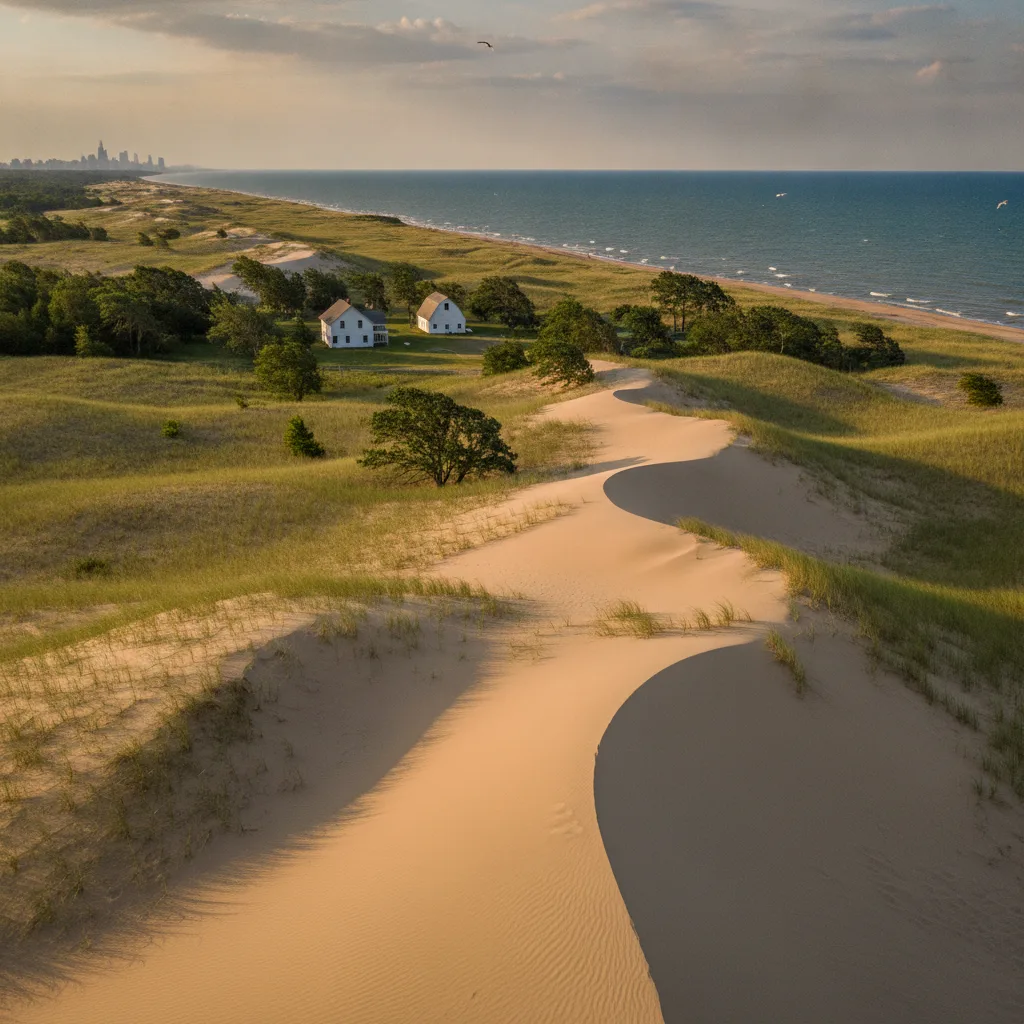
Indiana Dunes National Park, stretching for 15 miles along the southern shore of Lake Michigan, is a testament to the powerful forces of wind and water, creating a landscape unlike any other in the Midwest. This 16,000-acre preserve boasts a stunning mosaic of habitats, from shifting sand dunes and quiet woodlands to sunny prairies and lush wetlands. We've found that its ecological diversity is truly exceptional, home to an astonishing array of plant and bird species – a fact that often surprises first-time visitors expecting only sand and water.
Beyond its natural beauty, the park offers a rich tapestry of recreational opportunities. Over 50 miles of trails invite exploration, whether you're seeking a challenging dune climb or a leisurely stroll through a serene forest. The expansive beaches provide ample space for relaxation, swimming, and enjoying the vastness of Lake Michigan. For those interested in history, the park also preserves significant cultural sites, including the Bailly Homestead and the iconic Century of Progress Homes, offering a glimpse into the region's past. We believe that this combination of natural wonder, outdoor recreation, and historical intrigue makes Indiana Dunes National Park a truly compelling destination.
Who It's Best For
Indiana Dunes National Park truly offers something for everyone, making it an ideal destination for a wide range of travelers. For families, the park is a natural playground. Kids will love climbing the dunes, splashing in Lake Michigan, and exploring the diverse trails. The Paul H. Douglas Center for Environmental Education, for instance, provides engaging exhibits and programs perfect for young, curious minds.
Hikers, from casual strollers to seasoned trekkers, will find a wealth of options, from easy boardwalk trails to strenuous climbs like the famous Dune Succession Trail. Birdwatchers flock here to witness the incredible avian diversity, especially during migration seasons, as the park is a crucial stopover point for many species. Beach lovers will appreciate the miles of sandy shoreline, perfect for sunbathing, swimming, or simply enjoying the panoramic views of Lake Michigan. Even history buffs will find points of interest, such as the Bailly Homestead and Chellberg Farm, offering a glimpse into the area's past. Ultimately, if you appreciate stunning natural landscapes, outdoor activity, and a touch of history, Indiana Dunes National Park is an excellent choice.
How to Get There & Parking
Reaching Indiana Dunes National Park is straightforward, with several major routes leading directly to its various access points. The park is easily accessible via Interstate 94, the Indiana Toll Road (Interstate 80/90), U.S. Highway 12, U.S. Highway 20, and Indiana State Road 49. For most visitors, the Indiana Dunes Visitor Center is your primary gateway, conveniently located at 1215 N. State Rd. 49 in Porter, Indiana. It's just one mile north of the I-94 interchange (Exit 26B) and four miles north of the I-80/90 interchange (Exit 31).
Indiana Dunes National Park Parking
Parking is available at numerous trailheads and beach access points throughout the park. However, during peak season, especially on summer weekends, parking lots can fill up quickly. Our team strongly recommends arriving early to secure a spot, particularly at popular beaches with smaller lots. West Beach, for example, boasts the largest parking area with over 600 spots, making it a good option if you're concerned about availability.
It's crucial to note that an entrance fee applies to all beaches, trails, and other park sites, which covers parking as well. You can purchase a 1-7 day vehicle pass for $25 per carload, or an annual pass for $45 if you plan multiple visits. These passes can be acquired at the Indiana Dunes Visitor Center, the Paul H. Douglas Center for Environmental Education, the West Beach Kiosk (seasonally), or online via Recreation.gov. Be aware that parking in residential areas is strictly prohibited and can result in ticketing. For real-time parking availability, the park has been piloting a mobile-friendly website, which can be a valuable tool during busy times.
Top Things to Do
With 15 miles of Lake Michigan shoreline and 16,000 acres of diverse ecosystems, the things to do at Indiana Dunes National Park are incredibly varied, catering to every interest. From strenuous dune climbs to tranquil beach strolls, our team has explored the best ways to experience this unique national park.
Hit the Beaches
The pristine beaches are, without a doubt, one of the primary attractions. West Beach is a popular choice, offering a bathhouse, picnic shelters, and access to the Dune Succession Trail. Kemil Beach is open 24 hours, perfect for stargazing, while Lake View Beach provides stunning vistas of Lake Michigan. Whether you're swimming, sunbathing, or simply enjoying the vast expanse of the lake, the beaches provide a quintessential Indiana Dunes experience. Remember that the park is open daily from 6 AM to 11 PM, with West Beach closing at 9 PM.
Explore the Dunes
The iconic sand dunes are a must-see. While Mount Baldy's summit and dune face remain closed due to safety concerns and unstable sand conditions as of July 2026, its access site, including parking and beach access, reopened on June 15, 2026, following shoreline management efforts. Other dunes, like those accessible via the Dune Succession Trail at West Beach, offer challenging climbs and rewarding views. Be sure to stay on marked trails to protect the fragile ecosystem and for your own safety.
Discover Historic Sites
Step back in time at the park's historical sites. The Bailly Homestead, a National Historic Landmark, offers a glimpse into 19th-century pioneer life, open from 7 AM to 6 PM. Chellberg Farm, also open from 7 AM to 6 PM, provides a look at a Swedish immigrant farmstead and often hosts seasonal events. Don't miss the Century of Progress Homes, a collection of unique architectural marvels from the 1933 Chicago World's Fair, which can be viewed from 7 AM to 9 PM.
Birdwatching
Indiana Dunes National Park is a birder's paradise, recognized as one of the top birding locations in the Midwest. Its diverse habitats attract over 350 species of birds throughout the year, making it an excellent spot for both seasoned birders and casual observers. Spring and fall migrations are particularly spectacular, with thousands of birds passing through the area. The Paul H. Douglas Center for Environmental Education is a great starting point for birdwatching, with its boardwalk trail through the wetlands.
Paddling and Fishing
For those who enjoy water activities, the Little Calumet River offers opportunities for paddling, while fishing is popular along the Lake Michigan shoreline and at Portage Lakefront and Riverwalk, which features a fishing pier. Always check local regulations and conditions before heading out.
These are just a few of the things to do at Indiana Dunes National Park. We encourage you to visit the Indiana Dunes Visitor Center for maps and up-to-date information on ranger-led programs and current conditions.
Best Time to Visit
Choosing the best time to visit Indiana Dunes National Park largely depends on your priorities, as each season offers a distinct experience. Our team has found that understanding these seasonal nuances is key to planning your ideal trip.
Summer (June-August)
Summer is undeniably the most popular time to visit, especially for beach activities and swimming in Lake Michigan. The weather is warm, and all park facilities are typically operating at full capacity. However, this also means larger crowds and potentially crowded parking lots, particularly on weekends. If you plan a summer visit, we strongly recommend arriving early in the day, especially if you're heading to popular spots like West Beach.
Spring (April-May) and Fall (September-October)
For many, spring and fall offer the best balance of pleasant weather and fewer crowds. Spring brings a burst of wildflowers and is an excellent time for birdwatching, as migratory birds pass through the area. Fall foliage transforms the park's woodlands into a vibrant display of colors, creating stunning backdrops for hiking. The temperatures are generally milder, making for comfortable outdoor activities without the intense summer heat. While some seasonal facilities might have reduced hours, the core park experience remains fully accessible.
Winter (November-March)
Winter offers a unique, serene, and often starkly beautiful experience at Indiana Dunes National Park. The dunes can be covered in snow, and Lake Michigan may even freeze over, creating dramatic ice formations (though walking on ice is extremely dangerous and prohibited). This is the quietest time of year, perfect for solitude and enjoying the raw beauty of the landscape. Cross-country skiing and snowshoeing are popular activities on designated trails. Be prepared for cold temperatures and potential trail closures due to snow or ice. The Paul H. Douglas Center for Environmental Education also adjusts its hours in winter, generally open weekends only.
Overall, if your priority is beach time and warm weather, summer is your pick. If you prefer hiking, birding, and fewer people, spring or fall are ideal. For solitude and a unique, frosty landscape, consider a winter visit to Indiana Dunes National Park.
Indiana Dunes National Park Hiking Trails
The extensive network of Indiana Dunes National Park hiking trails is one of its greatest assets, offering over 50 miles of pathways that traverse a remarkable variety of landscapes. Our team has found that these trails provide unparalleled opportunities to experience the park's diverse ecosystems, from the sandy shores to the wooded ridges.
Dune Succession Trail (West Beach)
This iconic 1.5-mile loop trail at West Beach is a must-do for anyone wanting to understand the unique ecology of the dunes. It features a challenging climb up a series of wooden stairs to an observation deck, offering panoramic views of Lake Michigan and the surrounding landscape. The trail showcases the progression of plant life as it colonizes and stabilizes the moving sand, a process known as dune succession. It's a moderately strenuous hike, but the educational value and views are well worth the effort.
Cowles Bog Trail
Named a National Natural Landmark, the Cowles Bog Trail is a longer, more challenging loop, ranging from 4.5 to 5 miles, that takes hikers through an incredible array of habitats, including ponds, marshes, swamps, black oak savannas, and, of course, the bog itself. This trail is renowned for its exceptional plant diversity, making it a favorite among botanists and nature photographers. Be prepared for wet sections, especially after rain, and wear appropriate footwear.
Paul H. Douglas Trail (Miller Woods)
Located near the Paul H. Douglas Center for Environmental Education, this 3.4-mile loop trail, also known as the Miller Woods Trail, offers a diverse experience. It leads through black oak savanna, wetlands, and eventually out to the beach. A highlight is the elevated boardwalk section through the wetland, providing excellent opportunities for birdwatching and spotting other wildlife. This trail is generally considered moderate and is a fantastic option for families and those seeking a varied landscape.
Glenwood Dunes Trail
For a longer, more secluded experience, the Glenwood Dunes Trail offers multiple loops ranging from 2 to 7 miles. This trail winds through forested dunes and open fields, providing a peaceful escape. It's also the only equestrian trail in the national park, open to horses from March 16 through December 14, unless there's sufficient snow for cross-country skiing. However, be aware that sections of the Glenwood Dunes Trail, along with the Marquette Greenway Trail and Little Calumet / Mnoké Prairie Trail, are subject to partial closures from April to December 2026 due to construction.
Tolleston Dunes Trail
The Tolleston Dunes Trail is a relatively easy 2.9-mile loop that showcases impressive dune formations and rich prairie habitats. An observation deck provides a great vantage point for viewing the landscape. This trail is particularly good for those seeking a less strenuous hike while still experiencing the iconic dunes.
When planning your Indiana Dunes National Park hiking trails adventure, always check the park's official website or the Visitor Center for current trail conditions, closures, and safety alerts. We recommend carrying water, wearing sturdy shoes, and being mindful of changing weather conditions, especially near Lake Michigan.
Where to Stay Nearby
While Indiana Dunes National Park offers excellent camping options within its boundaries, many visitors prefer the comfort of a hotel or vacation rental. The towns surrounding the park provide a variety of accommodations, from budget-friendly motels to charming bed and breakfasts. Our team recommends Chesterton, Porter, and Michigan City as prime locations for easy access to the park.
Chesterton & Porter
These two towns are immediately adjacent to the national park and offer the most convenient access to the Indiana Dunes Visitor Center and many popular trailheads. You'll find a range of chain hotels, independent motels, and local eateries. Chesterton, in particular, has a charming downtown area with shops and restaurants, making it a pleasant base for your visit.
Michigan City
Located to the east of the national park, Michigan City provides a wider array of lodging choices, including larger hotels and resorts, particularly those near the lakefront and the popular Lighthouse Place Premium Outlets. It also offers more dining and entertainment options, including the Washington Park Zoo and the historic Old Lighthouse Museum. From Michigan City, you're still just a short drive from many of the park's eastern access points.
Other Indiana Destinations
If you're extending your trip in the Hoosier State, consider combining your Indiana Dunes visit with other fantastic best places in Indiana. History buffs might enjoy a visit to the Indianapolis Motor Speedway, while families will love the Children's Museum of Indy. For a dose of architectural wonder, explore Columbus Architecture, or unwind at the historic resorts of French Lick & West Baden. Nature enthusiasts will also appreciate the rugged beauty of Brown County State Park or the unique canyons and waterfalls of Turkey Run State Park.
Sample 2-Day Itinerary
To help you maximize your time, our team has crafted a sample two-day itinerary for Indiana Dunes National Park, blending iconic sights with opportunities for relaxation and exploration.
Day 1: Dunes, Beach, and History
- Morning (9:00 AM - 1:00 PM): Dune Climbing & Lake Michigan Views. Start your day at West Beach. Tackle the challenging but rewarding Dune Succession Trail, climbing the wooden stairs for breathtaking panoramic views of Lake Michigan and the surrounding dunes. Afterward, enjoy some time relaxing on West Beach. Remember, West Beach and its parking lots are open from 6 AM to 9 PM.
- Lunch (1:00 PM - 2:00 PM): Picnic by the Lake. Pack a picnic to enjoy at one of the many picnic shelters at West Beach or Lake View Beach.
- Afternoon (2:00 PM - 5:00 PM): Historical Immersion. Head to the Bailly Homestead (open 7 AM - 6 PM) to explore the historic buildings and learn about the early fur trade and pioneer life. Then, visit Chellberg Farm (open 7 AM - 6 PM) to see a restored 1900s Swedish farmstead.
- Evening (5:00 PM onwards): Sunset & Dinner. Find a scenic spot along the shoreline, perhaps at Portage Lakefront and Riverwalk (pier access remains open despite partial trail closures), to watch the sunset over Lake Michigan. Enjoy dinner at a local restaurant in Chesterton or Porter.
Day 2: Ecology, Art, and More Trails
- Morning (9:00 AM - 12:00 PM): Wetland Wonders & Birding. Explore the Paul H. Douglas Trail (Miller Woods Trail) near the Paul H. Douglas Center for Environmental Education (open 8 AM - 5 PM in summer, 8 AM - 4 PM rest of year, closed federal holidays). The boardwalk through the wetlands offers excellent birdwatching opportunities and a chance to see diverse plant life.
- Lunch (12:00 PM - 1:00 PM): Local Fare. Grab lunch in Michigan City, perhaps near the harbor.
- Afternoon (1:00 PM - 4:00 PM): Architectural Gems or More Hiking. Drive through the Century of Progress Homes (viewable 7 AM - 9 PM) in Beverly Shores to admire their unique architecture. Alternatively, if you're keen for more hiking, consider the relatively easy Tolleston Dunes Trail for impressive dune formations and prairie landscapes.
- Evening (4:00 PM onwards): Departure or Relaxation. Depending on your travel plans, either begin your journey home or enjoy a final relaxing evening in one of the nearby towns.
This itinerary for Indiana Dunes National Park is a suggestion; feel free to adjust it based on your interests and the current park conditions. Always check for any new alerts or closures before you visit.
FAQ: Your Questions Answered
things to do in Chesterton
Chesterton, Indiana, serves as a charming gateway to Indiana Dunes National Park. Beyond the park, you can explore its quaint downtown area with local shops, art galleries, and diverse restaurants. The Chesterton European Market, held seasonally, is a popular draw, offering artisan goods, fresh produce, and live music. For a unique experience, visit the Schoolhouse Shop, which also sells Indiana Dunes National Park passes.
Indiana Dunes National Park with kids
Indiana Dunes National Park is an excellent destination for families with kids. Children will love climbing the dunes, playing on the expansive beaches of Lake Michigan, and exploring the numerous easy-to-moderate hiking trails. The Paul H. Douglas Center for Environmental Education offers interactive exhibits and programs specifically designed for younger visitors, including a boardwalk trail through the wetlands. Remember to pack plenty of water, snacks, sunscreen, and beach toys for a fun-filled day.
Indiana Dunes National Park tips
Our top tips for visiting Indiana Dunes National Park include arriving early, especially on summer weekends, to secure parking. Always carry water, wear sturdy shoes for hiking, and dress in layers as weather near Lake Michigan can change quickly. Be aware of park fees ($25 per vehicle for a 1-7 day pass) and consider an annual pass if you plan multiple visits. Check the park's official website for current conditions, trail closures (like the partial closures on the Marquette Greenway and Glenwood Dunes Trails in 2026), and specific facility hours before your trip. Do not climb on the sand dunes outside of designated areas, and never walk on frozen Lake Michigan.
Indiana Dunes National Park parking
Parking at Indiana Dunes National Park requires an entrance fee, which is $25 per carload for a 1-7 day pass. Parking lots are available at various beach access points and trailheads. West Beach has the largest parking lot with over 600 spots, and arriving early is recommended, particularly during summer weekends when lots can fill quickly. It's crucial to avoid parking in residential areas, as vehicles will be ticketed. Real-time parking availability information may be accessible via a mobile-friendly website.
best time to visit Indiana Dunes National Park
The best time to visit Indiana Dunes National Park depends on your desired activities. Summer (June-August) is ideal for swimming and beach activities, but expect larger crowds. Spring (April-May) and Fall (September-October) offer pleasant weather for hiking and birdwatching with fewer visitors. Winter (November-March) provides a serene, snowy landscape for cross-country skiing and solitude, though some facilities may have reduced hours.
Indiana Dunes National Park hours and fees
Indiana Dunes National Park is generally open daily from 6 AM to 11 PM, with West Beach and its parking lots open from 6 AM to 9 PM. Kemil Beach is open 24 hours. The Indiana Dunes Visitor Center operates from 8 AM to 6 PM in summer and 8:30 AM to 4:30 PM the rest of the year. There is an entrance fee for all park sites: $25 for a 1-7 day vehicle pass, $20 for a motorcycle, and $15 per individual walk-in/bike-in/boat-in (up to $25 per family). An annual pass is $45. Federal passes like America the Beautiful are accepted, and there are several free entrance days in 2026, including July 3-5. Note that National Park fees do not cover entry to Indiana Dunes State Park.
Conclusion
Indiana Dunes National Park offers an unparalleled blend of natural beauty, diverse ecosystems, and recreational opportunities along the stunning shores of Lake Michigan. From challenging dune climbs and serene forest hikes to relaxing beach days and historical explorations, this park truly has something for every traveler. Our team is confident that with this guide, you have the specific, up-to-date information needed to plan an enriching and memorable visit to this remarkable Indiana destination. Whether you're a first-time visitor or returning to rediscover its charms, the Indiana Dunes await your exploration.
Last updated: 2026-07-05 by the Visit America team.