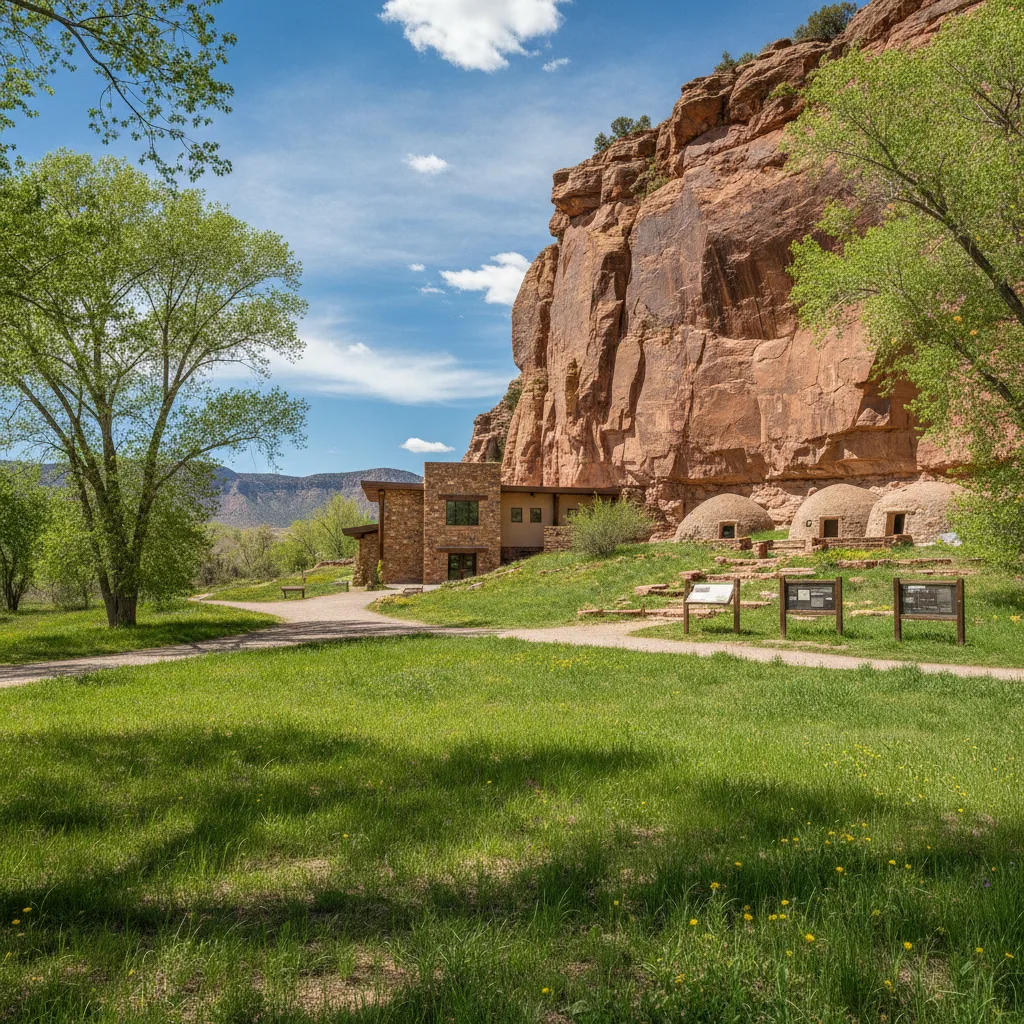
Our Fremont Indian State Park and Museum guide covers practical planning for Fremont Indian State Park and Museum Utah — best time to visit, getting there, and what to do on the ground.
For those drawn to the echoes of ancient civilizations and the stark beauty of the American West, Fremont Indian State Park and Museum Utah offers an unparalleled journey into the past. This significant archaeological site, nestled in Clear Creek Canyon, preserves and interprets the remnants of the largest known Fremont Indian village. Our team at Roam States has compiled this comprehensive guide to help you plan an enriching visit to this remarkable destination, ensuring you experience the best of its cultural and natural offerings.
Why Visit Fremont Indian State Park and Museum
Visiting Fremont Indian State Park and Museum is a chance to connect with a fascinating, yet often overlooked, pre-Columbian culture that thrived in Utah and surrounding regions from approximately AD 1 to 1301. This park is not just a collection of artifacts; it's an outdoor museum where the landscape itself tells a story. We recommend it for anyone with an interest in archaeology, Native American history, or those seeking a unique outdoor experience away from the more crowded national parks. The opportunity to see thousands of years of human history etched into the canyon walls through petroglyphs and pictographs is truly compelling.
The park was established after the discovery of a vast Fremont Indian village during the construction of Interstate 70 in the 1980s. Since then, extensive excavations have unearthed a treasury of artifacts, including pottery, baskets, and arrowheads, all preserved and displayed in the museum. While the museum exhibits are undergoing renovations and are expected to reopen in Fall 2026, the visitor center, gift shop, and outdoor portions of the park remain open, offering temporary exhibits and access to the rich rock art sites. This ongoing work highlights the park's commitment to continually enhancing the visitor experience and preserving these invaluable cultural resources. For us, the chance to witness such a significant archaeological site makes Fremont Indian State Park and Museum worth visiting.
Who It's Best For
Fremont Indian State Park and Museum caters to a diverse range of visitors, making it an ideal stop for many types of travelers. Our team believes it's particularly well-suited for:
- History Buffs and Archaeologists: With its focus on the Fremont culture, the park offers an in-depth look at a unique pre-Columbian society. The museum (reopening Fall 2026) and extensive outdoor rock art sites provide rich educational opportunities.
- Families with Children: The park offers engaging activities for younger visitors, including a Junior Ranger program and a kids' discovery area within the museum (when open) where children can explore a replica pit house and participate in hands-on activities. The easier, paved trails are also suitable for all ages.
- Outdoor Enthusiasts: Beyond the historical interpretation, the park boasts 15 miles of hiking and biking trails, ATV trail access, and opportunities for wildlife viewing and fishing in Clear Creek.
- Road Trippers: Conveniently located directly off Interstate 70 at Exit 17, it's an easily accessible and rewarding detour for those traveling through central Utah. It's a fantastic alternative to the more crowded national parks and offers a unique perspective on Utah's deep history.
- Those Seeking Solitude: Compared to Utah's "Mighty 5" national parks, Fremont Indian State Park often provides a more tranquil experience, allowing for a deeper connection with the landscape and its history without the throngs of tourists.
Getting There & Parking
Accessing Fremont Indian State Park and Museum is straightforward, as it's strategically located directly off Interstate 70. This makes it an excellent stop for anyone exploring /states/utah or embarking on a /plan-your-trip/usa-road-trip-planner.
To get to Fremont Indian State Park and Museum, travelers should take Exit 17 off I-70. The park is approximately 21 miles southwest of Richfield and 17 miles east of Cove Fort, where I-70 intersects with I-15. The physical address is 3820 W. Clear Creek Canyon Rd., Sevier, UT 84766.
Parking is ample and convenient. There is a large parking area near the visitor center and museum. This central location provides easy access to the visitor center, gift shop, and the various interpretive trails that begin nearby. We recommend arriving earlier in the day, especially during peak season, as parking lots at trailheads and visitor centers can fill up by mid-morning, though this park is generally less crowded than national parks.
Day-use fees are charged year-round. As of our latest information, the entrance fee is $5 per person or $10 per vehicle. A Utah State Park pass also grants access. These fees are typically paid at the museum's front desk or, during renovations, at a trailer located in the main parking lot.
Top Things to Do
Fremont Indian State Park and Museum offers a rich array of activities focused on history, culture, and outdoor exploration. Our team has identified the following as the top things to do at Fremont Indian State Park and Museum:
Explore the Museum and Visitor Center
While the main museum exhibits are undergoing renovations and are expected to reopen in Fall 2026, the visitor center and gift shop remain open, offering temporary exhibits and a chance to learn about the Fremont culture. The museum is dedicated to preserving artifacts like pottery, baskets, and arrowheads discovered during the I-70 construction. Even during renovations, visitors can ask questions, purchase maps, and view the temporary art gallery. We highly recommend checking the park's official website for the most current information on exhibit reopening dates and special events, such as the Drum Making Workshop scheduled for August 28, 2026.
Discover Ancient Rock Art
The primary draw of Fremont Indian State Park and Museum is its extensive collection of petroglyphs and pictographs. Clear Creek Canyon is adorned with hundreds of these ancient images, offering a direct glimpse into the lives and beliefs of the Fremont people. There are 12 interpretive rock art trails throughout the park, including one that is wheelchair accessible.
- Newspaper Rock: Not to be confused with the one in Canyonlands National Park, this site features a large panel with numerous images visible from a pull-off.
- Parade of Rock Art Trail: Located directly behind the visitor center, this paved, flat, and short trail showcases a variety of rock art and is suitable for all ages.
- Cave of 100 Hands: A half-mile flat hike leads to a cave with numerous handprints, now gated to protect them from vandalism.
- Sheep Shelter Trail: This trail leads to an alcove where a mirror helps visitors view petroglyphs, some of which may represent celestial observations.
- Skinner Canyon Rock Art Sites: These sites, accessible via a dirt road, offer some of the most impressive rock art in the park.
These are just a few of the many things to do at Fremont Indian State Park and Museum when it comes to rock art viewing. Trail guides and hiking information are available at the visitor center.
Fremont Indian State Park and Museum Hiking Trails
The park boasts 15 miles of hiking and biking trails, ranging from easy, paved loops to more challenging routes. Exploring the Fremont Indian State Park and Museum hiking trails is an excellent way to immerse yourself in the natural beauty of Clear Creek Canyon while discovering hidden rock art panels and historical sites. Some notable trails include:
- Show Me Rock Trail: A short, easy, paved 0.5-mile loop near the visitor center, perfect for families and those with limited mobility.
- Alma Christensen Nature Trail: A one-mile loop that connects to other petroglyph-viewing trails near the museum.
- Canyon of Life Rock Art Trail: This trail offers an adventure to excellent rock art panels, with some sections being steep and loose.
- Five Finger Ridge: A moderate hike, steep at the top, offering rewarding views.
When tackling the Fremont Indian State Park and Museum hiking trails, we advise bringing plenty of water, especially in summer, as temperatures can be high. Proper hiking shoes, sunscreen, and a hat are also recommended.
Camping and Picnicking
The park offers two campgrounds, Sam Stowe and Castle Rock, providing options for both tent and RV campers. Picnic areas are also available, including one near a reconstructed 1880s pioneer cabin.
ATV Trail Access
Fremont Indian State Park provides direct access to the extensive Paiute ATV Trail system, offering hundreds of miles of riding opportunities for off-highway vehicle enthusiasts.
Best Time to Visit
Choosing the best time to visit Fremont Indian State Park and Museum can significantly enhance your experience. Our team recommends considering the following:
- Spring (March-May) and Fall (September-November): These seasons generally offer the most pleasant weather for hiking and exploring the outdoor rock art sites. Temperatures are milder, making it comfortable to spend extended time outdoors. Fall also brings the anticipation of the museum exhibits reopening in late 2026.
- Early Summer (June): This period is also excellent, with daytime temperatures reaching into the mid-70s, and all campsites are typically open. However, be prepared for hotter temperatures as summer progresses, with July averages reaching 92 degrees Fahrenheit. Afternoon thunderstorms can also be common in summer, so a poncho is a good idea.
- Winter (December-February): The park is open year-round, but winter brings colder temperatures and potential snow. While the visitor center is open Monday-Saturday from 9 AM to 5 PM during winter, some outdoor activities may be limited by weather conditions. Castle Rock Campground typically closes at the first significant snowfall and reopens in late April.
The park's operating hours are generally 9 AM to 5 PM daily, with extended summer hours (Memorial Day to Labor Day) until 6 PM. It is closed on Thanksgiving, Christmas Eve, and Christmas Day. We always advise checking the official Utah State Parks website for the most up-to-date hours and any potential closures before your visit, especially regarding the museum renovations.
Where to Stay Nearby
While Fremont Indian State Park and Museum offers excellent camping opportunities, many visitors prefer the comfort of a hotel or cabin. When considering Fremont Indian State Park and Museum lodging, options range from on-site campgrounds to accommodations in nearby towns.
On-Site Camping
For an immersive experience, the park offers two campgrounds:
- Sam Stowe Campground: This campground features seven full-hookup sites with water, power (30/50 amp), and sewer connections, as well as coin-operated showers and flush toilets. It also has a group site with a pavilion and RV hookups. Sam Stowe is open for reservations from March 15 to November 15, and two cabins are available year-round.
- Castle Rock Campground: Located about half a mile from the visitor center, Castle Rock offers 31 dry campsites (no hookups) with flush toilets and potable water at various locations. Each site includes a barbecue grill and picnic table. This campground is typically open from late April to October 31, closing with the first significant snowfall. Tipi lodging is also available here.
Reservations for individual campsites can be made four months in advance, while the Sam Stowe Group Site can be reserved 11 months ahead. Camping fees vary, with Castle Rock sites at $15 per night for tents and RVs without hookups, tipis at $30 per night, and Sam Stowe full-hookup sites at $35 per night. Group camping at Sam Stowe is $150 for the first 50 people.
Nearby Towns for Fremont Indian State Park and Museum Lodging
For those seeking traditional hotel accommodations, several towns within a reasonable driving distance offer options:
- Richfield, Utah: Located approximately 21 miles northeast of the park, Richfield is the largest nearby town and offers a greater selection of hotels, restaurants, and services. It's a convenient base for exploring the region.
- Marysvale, Utah: About 16 miles from the park, Marysvale is a smaller community that offers a more rustic and intimate lodging experience, including cabins and lodges. It's particularly popular for ATV enthusiasts due to its access to the Paiute ATV Trail.
- Monroe and Elsinore, Utah: These towns are also within a short drive and provide additional lodging choices, often with a quieter, small-town atmosphere.
When searching for Fremont Indian State Park and Museum lodging, we recommend checking booking sites for hotels like Moore's Old Pine Inn, Paiute Trails Inn, or Monroe Inn for options in these surrounding areas. You can also find vacation rentals like cabins and lodges near Big Rock Candy Mountain in Marysvale.
Sample 2-Day Itinerary
To help you make the most of your visit, our team has crafted a sample 2-day itinerary for Fremont Indian State Park and Museum. This itinerary balances historical exploration with outdoor adventure.
Day 1: Immersion in Fremont Culture & Rock Art
- Morning (9:00 AM - 12:00 PM): Arrival and Museum Exploration
- Arrive at Fremont Indian State Park and Museum. Pay the entrance fee at the visitor center (or temporary trailer during renovations).
- Begin your visit at the Visitor Center. Watch the introductory video about the Fremont Indians (when available) and explore the temporary exhibits and gift shop. Pick up a park map and trail guides.
- If traveling with kids, engage them with the Junior Ranger program activities.
- Lunch (12:00 PM - 1:00 PM): Picnic Amidst History
- Enjoy a picnic lunch at one of the park's designated picnic areas. Consider the area near the reconstructed 1880s pioneer cabin for a scenic spot.
- Afternoon (1:00 PM - 4:00 PM): Rock Art Trails & Interpretive Drive
- Embark on the easy, paved Parade of Rock Art Trail directly behind the visitor center to see numerous petroglyphs and pictographs.
- Drive the Cliff View Trail, stopping at various points of interest to view more rock art, such as Newspaper Rock and the Arch of Art. Use the detailed cards available at the visitor center for interpretation.
- Consider a short hike to the Cave of 100 Hands for another impressive rock art experience.
- Evening: Dinner & Stargazing
- Head to Richfield or Marysvale for dinner.
- Return to the park for stargazing at your campsite or a designated viewing area. The isolated location offers excellent dark sky opportunities.
Day 2: Hiking, Exploration & Nearby Adventures
- Morning (8:00 AM - 12:00 PM): Deeper Dive into Trails or ATV Adventure
- Choose one of the more extensive Fremont Indian State Park and Museum hiking trails, such as the Alma Christensen Nature Trail or a portion of the Canyon of Life, to discover more remote rock art and enjoy the canyon scenery.
- Alternatively, if you have ATVs or rent them locally, spend the morning exploring a segment of the Paiute ATV Trail, accessible directly from the park.
- Lunch (12:00 PM - 1:00 PM): Local Fare or Packed Lunch
- Grab lunch in a nearby town like Marysvale or enjoy another picnic in the park.
- Afternoon (1:00 PM - 4:00 PM): Regional Exploration or Additional Park Activities
- Option A (More Park Exploration): Revisit favorite rock art sites, try a different hiking trail, or participate in any special events the park might be hosting.
- Option B (Nearby Attractions): Explore attractions outside the park. Consider a visit to Big Rock Candy Mountain, a unique geological formation nearby, or explore the ghost town of Kimberly.
- Late Afternoon/Evening: Departure or Extended Stay
- Depart from Fremont Indian State Park and Museum, or extend your stay to explore more of Utah's wonders, such as /destinations/bryce-canyon-national-park-utah or /destinations/capitol-reef-national-park-utah, both of which also have connections to the Fremont culture.
Frequently Asked Questions
Fremont Indian State Park and Museum camping
Fremont Indian State Park and Museum offers two campgrounds: Sam Stowe and Castle Rock. Sam Stowe provides full hookup sites for RVs, along with coin-operated showers and flush toilets, and a group site. Castle Rock Campground offers 31 dry campsites for tents and RVs (without hookups), with flush toilets and potable water, as well as unique tipi lodging. Both campgrounds feature picnic tables and fire rings. Reservations are recommended, especially during peak season, and can be made through the official reservation system.
things to do in Sevier
While Sevier itself is a small community, the main attraction and primary thing to do in Sevier is visiting Fremont Indian State Park and Museum. Here, you can explore ancient rock art, hike interpretive trails, learn about the Fremont culture, and enjoy camping or ATV access. Beyond the park, the surrounding Clear Creek Canyon and Fishlake National Forest offer opportunities for fishing, wildlife viewing, and connecting to extensive ATV trails. Nearby towns like Marysvale and Richfield offer additional services and dining options.
Fremont Indian State Park and Museum with kids
Fremont Indian State Park and Museum is an excellent destination for families with kids. The park offers a Junior Ranger program, and the museum (reopening Fall 2026) includes a kids' discovery area with a replica pit house for hands-on exploration. Many of the rock art viewing trails, such as the Parade of Rock Art Trail and Show Me Rock Trail, are paved, short, and easy, making them suitable for all ages and strollers. Picnicking areas and opportunities for wildlife viewing also add to the family-friendly experience.
best hotels near Fremont Indian State Park and Museum
The best hotels near Fremont Indian State Park and Museum are typically found in the nearby towns of Richfield and Marysvale. Richfield, being larger, offers more conventional hotel options. Marysvale, closer to the park, provides a more rustic experience with lodges and cabins, some with direct access to ATV trails. Options like Moore's Old Pine Inn, Paiute Trails Inn, and Monroe Inn are frequently mentioned in the vicinity. For a unique stay, consider vacation rentals near Big Rock Candy Mountain. It's advisable to book in advance, especially during peak travel seasons.
Fremont Indian State Park and Museum tips
Our top tips for visiting Fremont Indian State Park and Museum include: arrive early, especially for summer weekends, to ensure parking and cooler temperatures; bring plenty of water, sunscreen, and appropriate hiking gear, as summer can be hot; download offline maps as cell service can be unreliable; check the official Utah State Parks website for the latest information on museum renovations (expected to reopen Fall 2026), hours, and fire restrictions; and consider camping in one of the park's two campgrounds for an immersive experience. Don't forget to pick up a map and trail guides at the visitor center.
where to stay near Fremont Indian State Park and Museum
Beyond the park's own campgrounds (Sam Stowe and Castle Rock), visitors looking for where to stay near Fremont Indian State Park and Museum can find accommodations in Richfield (approximately 21 miles away) and Marysvale (about 16 miles away). Richfield offers more hotel chains and amenities, while Marysvale provides a selection of charming inns, cabins, and vacation rentals, often with a focus on outdoor recreation like ATV riding. We recommend exploring options on booking platforms for properties like Moore's Old Pine Inn or various cabins and lodges in the Marysvale area.
Our team at Roam States firmly believes that Fremont Indian State Park and Museum is a truly special destination in Utah. It offers a rare and accessible window into a significant ancient culture, complemented by stunning natural landscapes and diverse outdoor activities. Whether you're a history enthusiast, an avid hiker, or a family seeking an educational adventure, this park delivers an authentic and memorable experience. We encourage all travelers to add this unique gem to their Utah itinerary, perhaps as part of a larger exploration of the state's incredible offerings, from /destinations/antelope-island-state-park-utah to /destinations/bonneville-salt-flats-utah, and even the iconic /destinations/arches-national-park-utah.
Last updated: 2026-07-13 by the Roam States team.