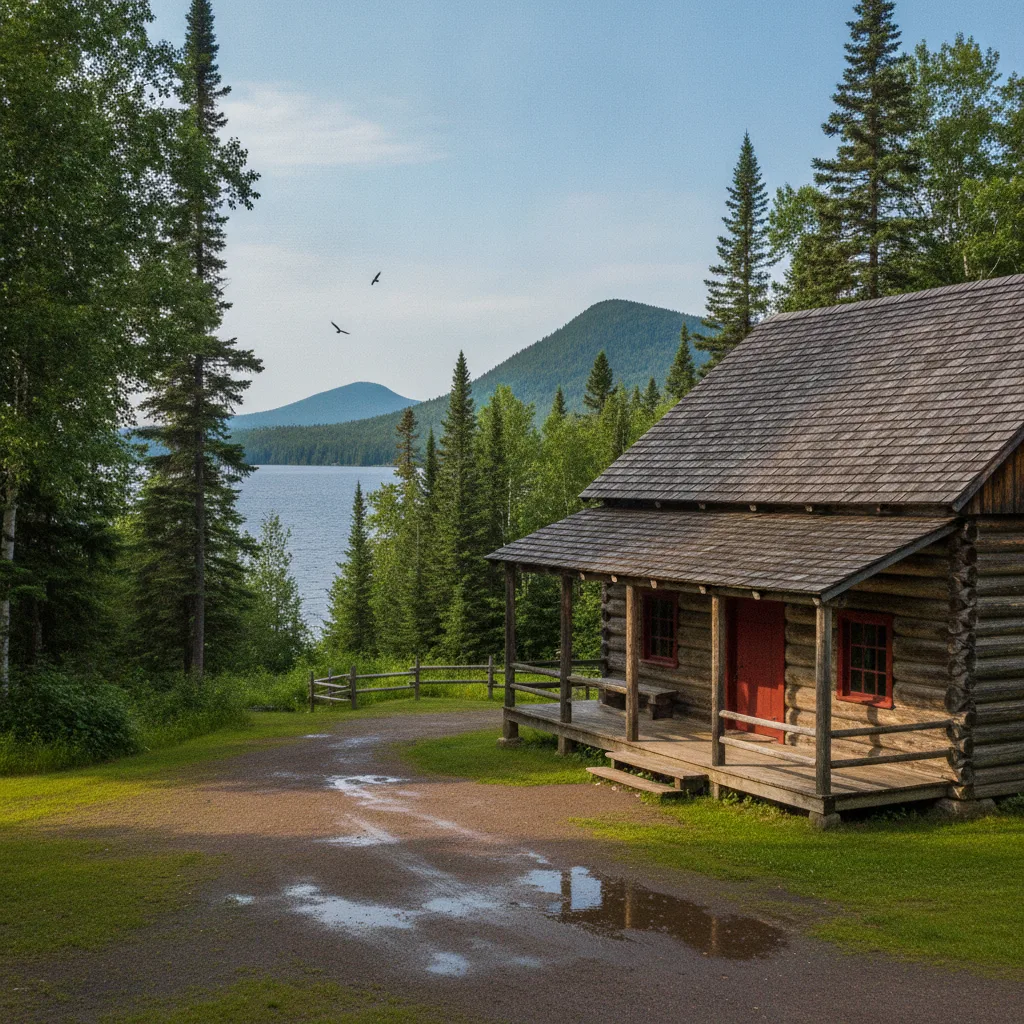
Our Grand Portage National Monument guide covers practical planning for Grand Portage National Monument Minnesota — best time to visit, getting there, and what to do on the ground.
Welcome to Grand Portage National Monument Minnesota, a place where history resonates with the whispers of the past and the vibrant spirit of the present. Our team at Roam States has meticulously explored this vital hub of the North American fur trade, and we’re here to share our insights to help you plan an unforgettable trip. This isn't just another historical site; it's a living, breathing testament to the Anishinaabe (Ojibwe) culture and the transformative era of the fur trade. Here, you'll find a meticulously reconstructed Ojibwe village and a bustling fur trade post, offering a unique window into a pivotal period of North American history. We'll guide you through everything from the best times to visit and how to get there, to the most engaging activities and where to find comfortable Grand Portage National Monument lodging, ensuring your adventure is as enriching as it is seamless.
Why Visit Grand Portage National Monument
Grand Portage National Monument is more than just a dot on the map; it’s a journey back in time, offering a profound connection to the intertwined histories of the Anishinaabe people and European fur traders. We believe it's an essential stop for anyone exploring Minnesota's North Shore. This monument preserves the strategic nexus where the vast waterways of the Great Lakes met the intricate river systems leading into the continent's interior. For millennia, this portage was a vital artery for travelers, and during the 18th century, it became the bustling headquarters of the North West Company, one of North America's largest commercial enterprises.
What sets Grand Portage apart is its commitment to bringing history to life. We’re not talking about dusty exhibits behind glass, but rather immersive experiences. You can walk through the reconstructed fur trade depot, imagining the cacophony of languages, the scent of furs, and the exchange of goods that defined this era. The reconstructed Ojibwe village, Anishinaabe Oodena, offers a respectful and insightful look into the traditional lifeways and enduring culture of the Grand Portage Band of Lake Superior Chippewa, who co-manage this site with the National Park Service.
Visiting Grand Portage National Monument provides a unique opportunity to understand the complexities of cultural exchange, commerce, and exploration that shaped the continent. It’s a place where you can witness living history demonstrations, engage with knowledgeable park rangers, and truly feel the echoes of the past. For those seeking a deeper understanding of American and Indigenous history, and a stunning natural setting on the shores of Lake Superior, this monument delivers an unparalleled experience.
Who It's Best For
Our team agrees that Grand Portage National Monument caters to a surprisingly broad audience, making it an excellent destination for various types of travelers. If you're a **history buff**, particularly interested in the fur trade, Indigenous cultures, or early American exploration, this monument is a goldmine. The detailed reconstructions, interpretive programs, and extensive exhibits in the Heritage Center will deeply satisfy your intellectual curiosity.
For **families with children**, Grand Portage National Monument offers an engaging and educational experience. The Junior Ranger program is a fantastic way for kids to actively learn about the monument's significance and earn a badge, making history fun and interactive. The open spaces, reconstructed village, and opportunities to see demonstrations (especially during special events like Rendezvous Days) keep younger visitors entertained and curious. We find that the hands-on nature of the site truly captures their imagination.
**Outdoor enthusiasts and hikers** will also find plenty to love. The monument features several trails, including the historic 8.5-mile Grand Portage Trail, which offers both a historical journey and beautiful scenery with waterfalls. The grounds, including the Anishinaabe Oodena and the Mount Rose trails, are open daily year-round from sunrise to sunset, providing ample opportunity for exploration.
Finally, **anyone seeking a unique cultural experience** will appreciate the monument's focus on the Anishinaabe people and their enduring heritage. The co-management with the Grand Portage Band ensures an authentic and respectful portrayal of their history and traditions. It's a place for quiet contemplation, active learning, and connecting with a rich cultural tapestry. Whether you're traveling solo, with a partner, or with the whole family, Grand Portage National Monument offers a rewarding and memorable visit.
Getting There & Parking
Understanding how to get to Grand Portage National Monument is straightforward, but knowing the specifics can make your arrival seamless. The monument is located at the very tip of Minnesota’s Arrowhead region, nestled on the scenic North Shore of Lake Superior, just south of the Canadian border. Its physical address is 170 Mile Creek Road, Grand Portage, MN 55605.
Most visitors arrive via Minnesota Highway 61. Whether you're traveling northeast or southwest on Highway 61, you'll see clear signs indicating your approach to Grand Portage National Monument. To reach the Heritage Center and the main parking area, you’ll turn onto Mile Creek Road. This turn is typically at the Grand Portage Trading Post. From Casino Road, turn left at the first stop sign onto Mile Creek Road. Continue for about three-quarters of a mile, then turn left at the prominent large wooden Grand Portage National Monument sign. The parking lot is designed as a one-way system, so follow the painted arrows.
Regarding Grand Portage National Monument parking, we can confirm that ample free parking is available at the Heritage Center year-round. During special events like Rendezvous Days (August 7-9, 2026), parking at the visitor center can become limited due to the influx of attendees. In such cases, street parking and temporary parking lots are utilized, so be prepared for a short walk to the main activity areas.
For those planning to hike the entire 8.5-mile Grand Portage Trail, there's also a midway parking area located on Old Highway 61 where it intersects with the trail. This allows hikers to tackle shorter sections or coordinate with a party coming from Fort Charlotte. We highly recommend checking the official National Park Service website for any current alerts or conditions, especially regarding trail status or potential parking impacts during peak times, though no specific parking fees or reservation requirements for general parking are in place for 2026.
Top Things to Do
When planning your visit, you’ll find a wealth of things to do at Grand Portage National Monument that immerse you in its rich history and stunning natural beauty. Our team recommends allocating at least half a day, if not a full day, to truly experience all the site has to offer. For those wondering about things to do in Grand Portage beyond the monument, the surrounding area also offers natural beauty and cultural experiences.
Explore the Historic Depot and Reconstructed Fur Trade Post
The centerpiece of the monument is the reconstructed North West Company fur trade depot. From Memorial Day weekend through Columbus Day (October 12, 2026), the Historic Depot is open daily from 9:30 AM to 4:30 PM. Step inside the Great Hall, where fur trade partners once feasted and strategized. Imagine the bustling canoe warehouse, filled with birchbark canoes and trade goods. Knowledgeable park rangers and costumed interpreters (especially during the summer months) bring the 18th century to life, sharing stories of the voyageurs, traders, and Indigenous people who made this place thrive. We particularly enjoy the craft demonstrations and living history programs that often take place here.
Visit the Anishinaabe Oodena (Ojibwe Village)
Adjacent to the fur trade post, the reconstructed Anishinaabe Oodena offers a profound glimpse into the traditional lifeways of the Grand Portage Band of Lake Superior Chippewa. This area, along with the grounds outside the palisade, is open year-round from sunrise to sunset. Here, you can learn about traditional Ojibwe housing, crafts, and the deep connection to the land and Lake Superior. The monument is co-managed with the Grand Portage Band, ensuring an authentic and respectful presentation of their culture and history.
Hike the Grand Portage Trail and Mount Rose Trail
For those who enjoy a good hike, the monument offers several options. The historic Grand Portage Trail is an 8.5-mile (13.7 km) portage route that bypasses the rapids and falls of the Pigeon River, connecting Lake Superior to the interior waterways. You don't have to hike the entire length; a shorter hike to the midway parking point or simply exploring the initial sections provides a sense of the voyageurs' arduous journeys. The Mount Rose Trail offers a shorter, more accessible hike with rewarding panoramic views of the monument, Lake Superior, and the surrounding wilderness. Both trails are open daily year-round from sunrise to sunset. Be aware that parts of the Grand Portage Trail, particularly at Poplar Creek Crossing, can experience flooding due to increased rain and beaver activity, so exercise caution.
Immerse Yourself in the Heritage Center
Open year-round, the Heritage Center is your first stop for information and an excellent resource for understanding the monument's significance. During the summer season (May 23 - October 12, 2026), it's open daily from 9:00 AM to 5:00 PM, with winter hours starting October 13, 2026, from 9:00 AM to 4:30 PM. Inside, you’ll find exhibit galleries detailing Anishinaabe culture and the fur trade, a bookstore, and multi-media programs. It’s also where you can get your National Park passport stamped and inquire about the Junior Ranger program for kids.
Attend Rendezvous Days and Celebration Pow Wow (August 7-9, 2026)
If your visit aligns with the second weekend of August, you’re in for a treat. Grand Portage National Monument hosts its annual Rendezvous Days and Celebration Pow Wow from August 7-9, 2026. This free event is the monument's biggest celebration, featuring hundreds of historical reenactors, traditional encampments, music, dancing, craft demonstrations, and hands-on workshops. The 2026 theme is "Games and Entertainment of the Fur Trade Era". The Pow Wow, hosted by the Grand Portage Band, takes place nearby and is a vibrant cultural experience not to be missed.
Enjoy Picnicking and Scenic Views
With its stunning location on Lake Superior, Grand Portage offers beautiful spots for picnicking. Pack a lunch and enjoy the serene surroundings. The views of Lake Superior, especially from the Mount Rose Trail, are spectacular and provide excellent photo opportunities. Remember, admission to all these areas, including the Heritage Center, Historic Depot, Ojibwe Village, hiking trails, and picnic areas, is free.
Beyond the monument, consider exploring more of the North Shore, perhaps visiting Split Rock Lighthouse or venturing further into the wilderness. For a truly immersive natural experience, the Boundary Waters Canoe Area Wilderness is a renowned destination for paddling and camping, while Voyageurs National Park offers a similar water-based adventure further west in Minnesota.
Best Time to Visit
Choosing the best time to visit Grand Portage National Monument largely depends on what kind of experience you're seeking. Our team has found that each season offers a distinct charm, but some periods are undeniably more popular and offer a fuller range of activities.
Summer (Late May through Early October)
Without a doubt, the **summer season** is the most popular and vibrant time to visit. The monument's summer hours for 2026 began on May 23 and run through October 12. During this period, both the Heritage Center (9:00 AM - 5:00 PM daily) and the Historic Depot (9:30 AM - 4:30 PM daily) are fully operational. This is when you'll find the most interpretive programs, living history demonstrations, and the highest likelihood of encountering costumed reenactors, especially on weekends.
The weather is generally pleasant, making it ideal for hiking the Grand Portage Trail or Mount Rose Trail and enjoying the outdoor exhibits of the Ojibwe Village. The pinnacle of the summer experience is **Rendezvous Days and Celebration Pow Wow**, held from August 7-9, 2026. If you want to witness the monument at its most lively, with hundreds of reenactors, cultural demonstrations, and vibrant festivities, this is the time to plan your trip. Be aware that this is also the busiest period, so expect more crowds and potentially limited parking.
Fall (Mid-October through November)
Early fall, particularly through mid-October, can be a beautiful time to visit, offering cooler temperatures and stunning fall foliage along the North Shore. The Historic Depot closes for the season after Columbus Day (October 12, 2026), but the Heritage Center remains open, albeit with slightly reduced winter hours (9:00 AM - 4:30 PM starting October 13, 2026). The trails and Ojibwe Village grounds remain open year-round from sunrise to sunset. If you prefer fewer crowds and enjoy crisp autumn air and colorful landscapes, this shoulder season is an excellent choice, though some interpretive programs may have concluded.
Winter (December through April)
Winter at Grand Portage National Monument offers a serene and contemplative experience for those who don't mind the cold. The Historic Depot is closed, but the Heritage Center is open with winter hours (9:00 AM - 4:30 PM, closed on specific holidays like Christmas and New Year's Day). The trails and Ojibwe Village grounds are still accessible for snowshoeing or cross-country skiing, offering a quiet beauty under a blanket of snow. The monument even loans out snowshoes in winter from the Heritage Center. This is the time for solitude, winter photography, and understanding the harsh realities faced by those who lived and worked here centuries ago.
Spring (April through Late May)
Spring is a transitional period. While the snow melts and nature reawakens, some areas might be muddy, and the full summer programming at the Historic Depot won't begin until Memorial Day weekend. However, the Heritage Center is open, and the trails offer opportunities for early-season hiking. It’s a quieter time, ideal for those who want to avoid peak crowds and witness the landscape come alive.
In summary, for the most comprehensive and lively experience, we recommend visiting during the **summer months, especially for Rendezvous Days**. If you prefer a quieter visit with beautiful scenery, early fall is an excellent alternative. Always check the official NPS website for the most up-to-date operating hours and conditions before your trip, particularly for 2026.
Where to Stay Nearby
Finding comfortable Grand Portage National Monument lodging options is an important part of planning your trip. While the monument itself doesn't offer on-site accommodations beyond backcountry camping, there are several convenient choices in the immediate vicinity and along the scenic North Shore. Our team has found that the options cater to different preferences, from full-service resorts to more rustic camping experiences.
Grand Portage Lodge & Casino
The most convenient and closest lodging option is the Grand Portage Lodge & Casino, located just a short distance from the monument. This full-service resort offers hotel rooms, dining options, and a casino, providing a comfortable base for exploring the area. It's an excellent choice if you want to be within minutes of the monument and appreciate amenities like restaurants after a day of exploration.
Camping Options
For those who prefer to immerse themselves more fully in nature, camping is a popular choice. The monument itself offers **Fort Charlotte Backcountry Campgrounds**, which are remote sites for groups of nine or fewer. You'll need to obtain a free permit online at least two weeks in advance for these sites. This is a truly authentic experience for adventurous visitors, allowing you to retrace the steps of the voyageurs.
Additionally, there are other camping and lodging options available in the broader Grand Portage area and along the North Shore. For more comprehensive information on local campgrounds, we recommend checking the "Eating & Sleeping" section of the official Grand Portage National Monument website.
Nearby Towns on the North Shore
If you're looking for more variety in lodging, dining, and activities, consider staying in one of the charming towns along Minnesota's North Shore. Grand Marais, approximately 35 miles south, is a popular choice with a vibrant arts scene, numerous restaurants, and a range of hotels, motels, and vacation rentals. Further south, towns like Lutsen and Tofte offer resorts, cabins, and easy access to skiing in winter and hiking in summer.
While these options require a bit of a drive to reach the monument, they provide a broader selection of amenities and the opportunity to explore more of the stunning Lake Superior coastline. When considering Grand Portage National Monument lodging, think about your preferred level of comfort and proximity to other attractions. For the most convenience to the monument, the Grand Portage Lodge & Casino is your best bet, while backcountry camping offers a unique, rugged experience.
Sample 2-Day Itinerary
To help you make the most of your visit to Grand Portage National Monument Minnesota, our team has crafted a sample 2-day itinerary. This plan balances historical immersion with outdoor exploration, ensuring you experience the highlights without feeling rushed.
Day 1: Arrival & Deep Dive into History
-
Morning (9:00 AM - 12:00 PM): Heritage Center & Historic Depot
Arrive at Grand Portage National Monument and head straight to the Heritage Center, open daily from 9:00 AM to 5:00 PM during the summer season (May 23 - October 12, 2026). Spend an hour or two exploring the exhibits on Anishinaabe culture and the fur trade. Pick up a map, inquire about any scheduled ranger programs, and if you have kids, grab a Junior Ranger booklet.
From the Heritage Center, take the easy path to the Historic Depot, which opens at 9:30 AM. Immerse yourself in the reconstructed fur trade post. Explore the Great Hall, the canoe warehouse, and the various buildings within the stockade. Engage with any costumed interpreters or park rangers you encounter; their insights truly bring the 18th century to life.
-
Lunch (12:00 PM - 1:00 PM): Picnic or Local Dining
Enjoy a packed lunch at one of the monument's picnic areas, or head to the nearby Grand Portage Lodge & Casino for a meal.
-
Afternoon (1:00 PM - 4:00 PM): Ojibwe Village & Mount Rose Trail
After lunch, explore the Anishinaabe Oodena (Ojibwe Village), located near the Historic Depot. This reconstructed village offers a deeper understanding of the traditional lifeways of the Grand Portage Band.
Next, hike the relatively short but rewarding Mount Rose Trail. This trail offers fantastic panoramic views of the monument, the Historic Depot, Lake Superior, and the surrounding landscape. It’s an excellent way to gain perspective on the strategic location of Grand Portage.
-
Evening: Check-in & Relaxation
Check into your Grand Portage National Monument lodging, whether it's the Grand Portage Lodge & Casino or a nearby accommodation. Enjoy dinner and relax, perhaps reflecting on the day's historical discoveries.
Day 2: Trail Exploration & North Shore Adventures
-
Morning (9:00 AM - 1:00 PM): Grand Portage Trail Hike
Dedicate your morning to exploring a section of the historic 8.5-mile Grand Portage Trail. You can start from the monument grounds and hike a few miles in, or drive to the midway parking area on Old Highway 61 for a different starting point. This trail offers beautiful scenery, including waterfalls, and gives you a tangible sense of the arduous journey undertaken by the voyageurs. Remember to check for any trail conditions or alerts before you head out, especially regarding potential flooding at Poplar Creek Crossing.
-
Lunch (1:00 PM - 2:00 PM): Casual Bite
Grab a quick bite near the monument or head south towards Grand Marais for more dining options.
-
Afternoon (2:00 PM onwards): North Shore Exploration
Spend your afternoon exploring more of the stunning North Shore. Depending on your interests, you could drive south to visit Split Rock Lighthouse, one of Minnesota's most iconic landmarks, or explore the charming town of Grand Marais. For those interested in more wilderness, consider a scenic drive towards the Boundary Waters Canoe Area Wilderness or Voyageurs National Park for future trip planning inspiration.
-
Evening: Departure or Extended Stay
Depending on your travel plans, you can begin your journey home or extend your stay along the North Shore to explore more of what Minnesota has to offer, from the source of the Mississippi at Itasca State Park to the urban allure of the Mall of America.
This itinerary is flexible and can be adjusted based on your pace and specific interests. Remember to always check the monument's official website for the most current hours, program schedules, and any alerts for 2026.
FAQ
Grand Portage National Monument with kids
Grand Portage National Monument is an excellent destination for families with kids! Our team consistently finds that children are captivated by the living history demonstrations and the reconstructed fur trade post and Ojibwe village. The Junior Ranger program is a highlight, offering an interactive booklet that guides them through the monument and culminates in earning a badge, making learning fun and rewarding. The open spaces are great for exploring, and the relatively easy trails, like Mount Rose, are suitable for younger hikers. During Rendezvous Days (August 7-9, 2026), the monument comes alive with reenactors, music, and craft demonstrations, which are particularly engaging for children.
best hotels near Grand Portage National Monument
For the best hotels near Grand Portage National Monument, your primary and most convenient option is the Grand Portage Lodge & Casino. It offers comfortable accommodations, dining, and is located just a short drive from the monument. For more variety, consider hotels, motels, and resorts in Grand Marais, about 35 miles south on Highway 61. Grand Marais provides a wider selection of lodging, restaurants, and shops, though it requires a bit of a drive to reach the monument.
Grand Portage National Monument tips
Our top Grand Portage National Monument tips include: 1. **Visit during summer** (May-October) for full access to the Historic Depot and the most interpretive programs. 2. **Attend Rendezvous Days** (August 7-9, 2026) for the most vibrant experience with reenactors and cultural events. 3. **Start at the Heritage Center** to get oriented, view exhibits, and pick up a map. 4. **Wear comfortable shoes** for exploring the grounds and trails. 5. **Bring bug spray** during warmer months. 6. **Pack a picnic** to enjoy the scenic outdoor areas. 7. **Check the NPS website** for current hours and any trail alerts, especially regarding flooding on the Grand Portage Trail. 8. **Admission is free**, but donations are welcome to support the monument.
where to stay near Grand Portage National Monument
When deciding where to stay near Grand Portage National Monument, the most direct option is the Grand Portage Lodge & Casino. This provides immediate access to the monument. Alternatively, for those seeking more amenities or a different atmosphere, the town of Grand Marais, located approximately 35 miles south along the North Shore, offers a broader range of hotels, motels, and vacation rentals, along with more dining and shopping opportunities.
Grand Portage National Monument parking
Grand Portage National Monument parking is free and readily available at the Heritage Center. Directions involve turning onto Mile Creek Road from Highway 61 (at the Grand Portage Trading Post), then turning left at the first stop sign onto Mile Creek Road, and finally left again at the large wooden monument sign. During peak events like Rendezvous Days, parking can be limited at the main lot, with street parking and temporary lots becoming available, so be prepared for a short walk. There is also a midway parking area on Old Highway 61 for hikers tackling the Grand Portage Trail.
best time to visit Grand Portage National Monument
The best time to visit Grand Portage National Monument for a comprehensive experience is during the **summer season**, from late May through early October. During these months, both the Heritage Center and the Historic Depot are fully open with extended hours, and you'll find the most interpretive programs and living history demonstrations. The absolute peak experience is during **Rendezvous Days and Celebration Pow Wow** (August 7-9, 2026), which offers a vibrant, immersive cultural event. If you prefer fewer crowds and enjoy fall foliage, early fall (through mid-October) is also a beautiful time, though the Historic Depot closes after Columbus Day.
Our team at Roam States confidently recommends Grand Portage National Monument as a premier historical and cultural destination in Minnesota. Its commitment to preserving and interpreting the fur trade era and Anishinaabe heritage, combined with its stunning Lake Superior setting, creates an experience that is both educational and deeply moving. Whether you're a history enthusiast, an outdoor adventurer, or a family seeking an engaging trip, the monument offers something truly special. We encourage you to plan your visit, step back in time, and discover the enduring spirit of this vital North American crossroads.
Last updated: 2026-07-07 by the Roam States team.