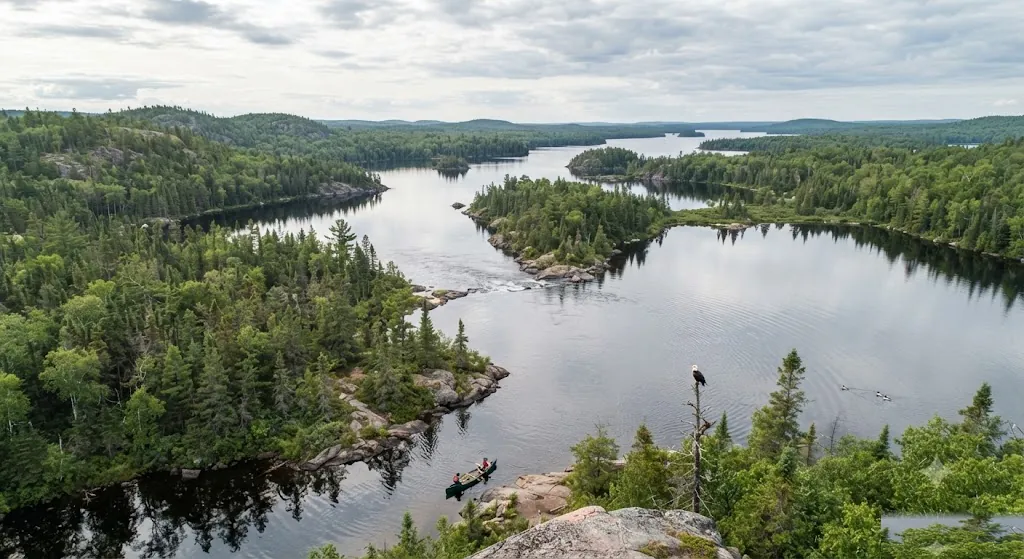
This vast, protected area within the Superior National Forest offers an experience unlike any other, where the sounds of civilization fade, and the call of the wild takes over. We’ve compiled everything you need to know for a successful and memorable trip into this truly unique American wilderness.
Why Visit Boundary Waters Canoe Area Wilderness
The Boundary Waters Canoe Area Wilderness (BWCAW) in Minnesota is not just another outdoor destination; it's an institution for those who crave genuine wilderness. We recommend visiting for the sheer scale of its untouched beauty, offering over a million acres of pristine forests, interconnected lakes, and rivers. It's a place where motorboats are largely prohibited, ensuring a quiet, paddle-powered experience that fosters a deep connection with nature. Imagine waking up to the call of a loon, paddling across glassy waters reflecting ancient pines, and spotting wildlife like moose, bears, and eagles in their natural habitat. The opportunity for solitude and self-reliance here is profound, making it a bucket-list destination for experienced paddlers and those looking to truly disconnect. The night skies, free from light pollution, are simply spectacular, offering views of the Milky Way that are increasingly rare.
Who It's Best For
The Boundary Waters Canoe Area Wilderness is best suited for individuals, families, and groups who possess a spirit of adventure and a willingness to embrace primitive camping. It's ideal for those who are comfortable with portaging (carrying canoes and gear between lakes) and navigating without modern amenities. Experienced paddlers will find endless routes to explore, while relative newcomers with a good level of physical fitness and a desire to learn can also thrive with proper planning and outfitter support. It's a fantastic destination for families with older children who are ready for a challenging yet rewarding outdoor experience, teaching valuable lessons in teamwork and resilience. Anglers will find world-class fishing for walleye, northern pike, and smallmouth bass. Ultimately, if you seek quiet reflection, breathtaking scenery, and an active outdoor adventure far from crowds, the BWCAW is for you. However, those looking for luxurious accommodations, easy access, or a highly curated experience might find its rugged nature challenging. This is a place for self-sufficiency and embracing the wild.
How to Get There
Reaching the Boundary Waters Canoe Area Wilderness involves a journey to northeastern Minnesota, typically starting from gateway towns like Ely or Grand Marais. These towns serve as essential hubs for outfitting, permits, and last-minute supplies. For most visitors, driving is the primary mode of transportation to these gateway communities. From major cities like Minneapolis, the drive to Ely is approximately 4.5 to 5 hours, while Grand Marais is a bit further, around 5.5 to 6 hours. We strongly recommend planning your route well in advance, especially considering the limited cell service as you approach the wilderness area. The specific entry point you choose will dictate your final driving destination. There are numerous entry points scattered along the perimeter of the BWCAW, each offering different access to the wilderness. Detailed maps and directions to your chosen entry point are crucial. When considering how to get to Boundary Waters Canoe Area Wilderness, remember that road conditions can vary, particularly on gravel roads leading to some entry points. Always check local conditions before departure.
Parking for Boundary Waters Canoe Area Wilderness
Parking at Boundary Waters Canoe Area Wilderness entry points is generally available but can be limited, especially during peak season. Most entry points have designated parking lots, some of which are maintained by the U.S. Forest Service. For the 2026 season, parking fees may apply at certain locations, and it's always best to verify these directly with the Forest Service or your chosen outfitter. Many outfitters in Ely and Grand Marais offer secure, paid parking options, often including shuttle services to your entry point, which can be a convenient and reliable solution. We recommend contacting your outfitter or the local Forest Service office in advance to understand the current parking situation and any associated costs or reservation requirements for your specific entry point. This proactive approach helps avoid any last-minute surprises.
Top Things to Do
The Boundary Waters Canoe Area Wilderness is a playground for those who love self-propelled adventure. Our team believes the primary draw, and truly one of the top things to do at Boundary Waters Canoe Area Wilderness, is undoubtedly **canoeing and kayaking**. With over 1,200 miles of canoe routes, the possibilities for exploration are endless. You can paddle across vast lakes, navigate narrow channels, and portage between bodies of water, discovering hidden coves and secluded campsites. The quiet nature of paddle craft allows for intimate wildlife viewing, from spotting moose grazing in the shallows to observing eagles soaring overhead. Another essential experience and one of the top things to do at Boundary Waters Canoe Area Wilderness is **fishing**. The BWCAW is renowned for its excellent fishing opportunities, with abundant populations of walleye, northern pike, smallmouth bass, and lake trout. Many visitors plan their trips specifically around fishing, bringing lightweight tackle and enjoying fresh-caught meals cooked over a campfire. Beyond paddling and fishing, **wildlife viewing** is a constant highlight. Keep an eye out for black bears, deer, wolves, and a wide array of bird species, including the iconic loon whose calls echo across the water. **Stargazing** is also a top activity; far from city lights, the night sky here is incredibly dark, offering spectacular views of the Milky Way and countless constellations. We also highly recommend simply embracing the **solitude and tranquility** – finding a quiet spot to read, meditate, or simply listen to the sounds of nature is a profound experience that the BWCAW excels at providing.
Boundary Waters Canoe Area Wilderness hiking trails
While the Boundary Waters Canoe Area Wilderness is primarily known for its extensive water routes, there are also opportunities for hiking, particularly on trails that lead to scenic overlooks or connect to portages. These Boundary Waters Canoe Area Wilderness hiking trails often offer a different perspective of the landscape, taking you through dense forests and to elevated viewpoints. Many of the designated portage trails, while primarily used for transporting canoes and gear, can also be enjoyed as short hikes, providing access to different lakes and showcasing the diverse flora and fauna of the region. Some entry points, particularly those closer to the edges of the wilderness, may have more established day-use hiking trails that don't require an overnight permit. For example, some trails near the town of Ely offer easier access for those looking for a shorter outdoor experience without venturing deep into the permit-required areas. We recommend researching specific entry points and their associated Boundary Waters Canoe Area Wilderness hiking trails before your trip to understand the options available. Always be prepared for rugged terrain, root-filled paths, and potential wet conditions, as these trails are often minimally maintained to preserve the wilderness character. Carry a map, compass or GPS, and plenty of water, as you would on any wilderness excursion.
Boundary Waters Canoe Area Wilderness camping
Camping is an integral part of the Boundary Waters Canoe Area Wilderness experience, offering a true immersion into the wild. All Boundary Waters Canoe Area Wilderness camping is primitive, meaning you'll be staying at designated campsites that offer a fire grate and a latrine, but no other amenities like running water or electricity. These campsites are first-come, first-served once you are within the wilderness area, but you must secure an entry permit for a specific entry point and date in advance. For the 2026 season, permits for overnight Boundary Waters Canoe Area Wilderness camping are highly competitive and are typically available for reservation months in advance through Recreation.gov. We cannot stress enough the importance of securing your permit well ahead of your planned trip, especially if you intend to visit during peak summer months. Each permit specifies an entry point and a maximum group size, and you must enter the wilderness at your designated point on your designated date. Once inside, you are free to choose any available campsite. Adherence to Leave No Trace principles is paramount for Boundary Waters Canoe Area Wilderness camping. This means packing out everything you pack in, properly disposing of human waste, and minimizing your impact on the environment. Be prepared for all weather conditions, and ensure your gear is suitable for wilderness camping, including a sturdy tent, sleeping bags, and cooking equipment. Bear-resistant food storage is also essential, whether through hanging food packs or using bear canisters. Planning for Boundary Waters Canoe Area Wilderness camping requires careful attention to detail, but the reward is an unparalleled connection to nature under a canopy of stars.
Best Time to Visit
The best time to visit the Boundary Waters Canoe Area Wilderness largely depends on your priorities and tolerance for different conditions. Each season offers a unique experience:
- Late Spring (May-Early June): This is a popular time for fishing, as the walleye and northern pike are active. The bugs (mosquitoes and black flies) can be intense, so come prepared with repellent and head nets. Water levels are typically high, making for easier paddling and portaging. The forests are vibrant with new growth.
- Summer (Mid-June-August): Summer is peak season, offering the warmest weather for swimming and generally comfortable camping conditions. However, permits are most competitive, and you'll encounter more visitors. Bugs are still present but often less intense than early spring. Thunderstorms can be common, so be prepared for sudden weather changes.
- Fall (September-Early October): Our team considers fall to be one of the most spectacular times to visit. The autumn foliage is breathtaking, bugs are significantly reduced, and the cooler temperatures make for excellent paddling and hiking. The wilderness feels quieter as fewer people visit. However, be prepared for colder nights and potentially frosty mornings. Water levels may be lower, which can make some portages more challenging.
Where to Stay Nearby
While the true Boundary Waters experience involves camping deep within the wilderness, many visitors opt to stay in gateway communities before and after their trips. These towns provide essential services, outfitting, and a comfortable place to rest.
- Ely, Minnesota: Often considered the primary gateway to the western BWCAW, Ely offers a range of lodging options, from cozy cabins and resorts to motels and vacation rentals. It's home to numerous outfitters who can provide everything from canoes and gear rentals to full-service guided trips. Ely also boasts attractions like the International Wolf Center and the North American Bear Center, making it an excellent base for pre- or post-trip exploration.
- Grand Marais, Minnesota: Located on the North Shore of Lake Superior, Grand Marais is the main gateway to the eastern BWCAW. This charming artistic community offers stunning lake views, unique shops, and a variety of accommodations, including hotels, B&Bs, and cabins. It's a great option if you plan to combine your BWCAW trip with exploring the scenic North Shore, including places like Split Rock Lighthouse or Grand Portage State Park.
- Other Nearby Towns: Smaller towns like Tofte, Sawbill, and Crane Lake also serve as entry points and offer limited lodging and outfitting services. These can be excellent choices if your specific entry point is closer to them, reducing travel time on your entry day.
Sample 2-Day Itinerary
While most visitors spend longer in the Boundary Waters, a 2-day itinerary can offer a taste of the wilderness for those with limited time or as a shorter introduction. This sample assumes an early start and a focus on paddling and a single overnight camp. Remember, permits are for overnight stays, even for just one night.
Day 1: Entry, Paddle, and Camp
- Morning (7:00 AM - 12:00 PM): Arrive at your chosen outfitter in Ely or Grand Marais for final gear checks, permit pickup, and shuttle to your entry point. Launch your canoe and begin paddling into the wilderness. Focus on a route that allows for a reasonable day of paddling to reach a suitable campsite.
- Afternoon (12:00 PM - 5:00 PM): Continue paddling, navigating through lakes and making any necessary portages. Enjoy a packed lunch on a scenic point. Keep an eye out for wildlife.
- Late Afternoon/Evening (5:00 PM onwards): Locate an available designated campsite. Set up camp, gather firewood, and prepare dinner. Enjoy the quiet evening, listen to the sounds of the wilderness, and watch for stars.
Day 2: Explore, Paddle Out, and Depart
- Morning (7:00 AM - 12:00 PM): Wake up early to enjoy the sunrise over the lake. Prepare breakfast and pack up camp, ensuring you leave no trace. Take some time for a short paddle or a bit of fishing near your campsite.
- Afternoon (12:00 PM - 4:00 PM): Begin your paddle back towards your entry point. Take a different route if possible to see new scenery. Enjoy the final hours of paddling through the pristine waters.
- Late Afternoon (4:00 PM onwards): Arrive back at your entry point, meet your shuttle, and return to your outfitter. Return rented gear and begin your journey home or to your nearby lodging.
This itinerary is a condensed version. For a truly immersive experience, we recommend at least 3-5 days in the Boundary Waters Canoe Area Wilderness to allow for deeper exploration and relaxation. Remember to always check current permit availability and plan your route with detailed maps.
Is It Worth Visiting?
Absolutely, the Boundary Waters Canoe Area Wilderness is unequivocally worth visiting for anyone seeking a genuine wilderness experience. We believe its value lies in its unique combination of pristine nature, challenging yet rewarding self-propelled travel, and profound solitude. Unlike many other national parks or wilderness areas that can be accessed by car or have extensive developed facilities, the BWCAW demands a commitment to leave the modern world behind. This commitment is precisely what makes it so special. For those who embrace the challenge of portaging, the simplicity of primitive camping, and the beauty of an untouched landscape, the rewards are immense. The opportunity to witness wildlife in its natural habitat, paddle across interconnected lakes without the drone of motorboats, and experience truly dark night skies is increasingly rare in our world. If you're looking to disconnect from technology, reconnect with nature, and test your self-reliance, then the Boundary Waters Canoe Area Wilderness is worth visiting. It offers an escape that rejuvenates the spirit and creates lasting memories. It's a place that fosters a deep appreciation for conservation and the raw beauty of the American wilderness.
For those exploring more of Minnesota, we highly recommend a visit to the state capital, where the majestic Cathedral of Saint Paul stands as an architectural marvel. If urban green spaces are more your style, the Chain of Lakes in Minneapolis offers beautiful waterfront parks and trails. Families will also enjoy the Como Park Zoo and Conservatory in St. Paul for a delightful day out. These destinations, alongside the Boundary Waters, showcase the diverse appeal of Minnesota.
FAQ
things to do in Boundary Waters Canoe Area Wilderness
The primary things to do in Boundary Waters Canoe Area Wilderness revolve around self-propelled water travel and wilderness living. This includes extensive canoeing and kayaking across its interconnected lakes and rivers, world-class fishing for species like walleye and northern pike, and wildlife viewing of moose, bears, and eagles. Hiking on portage trails, stargazing, and simply enjoying the profound solitude and natural beauty are also popular activities.
Boundary Waters Canoe Area Wilderness with kids
Visiting Boundary Waters Canoe Area Wilderness with kids can be a highly rewarding family adventure, particularly for older children who are comfortable with physical activity and primitive camping. We recommend starting with shorter trips, choosing entry points with fewer or shorter portages, and planning for plenty of breaks. Involve kids in navigation and camp chores to build their confidence. Outfitters can help plan family-friendly routes and provide appropriate gear. Ensure you are prepared for bugs and all weather conditions.
Boundary Waters Canoe Area Wilderness tips
Our top Boundary Waters Canoe Area Wilderness tips include: secure your permit months in advance via Recreation.gov for 2026. Plan your route carefully with detailed maps, practice Leave No Trace principles, and pack lightweight, durable gear suitable for portaging. Bring high-quality rain gear, bug repellent, and a reliable water filter. Always inform someone of your itinerary, and consider using an outfitter for gear and route advice. Be prepared for all weather conditions and potential encounters with wildlife.
Boundary Waters Canoe Area Wilderness parking
Boundary Waters Canoe Area Wilderness parking is available at most entry points, but spots can be limited, especially during peak season. Some parking areas may require a fee for 2026. Many outfitters in gateway towns like Ely and Grand Marais offer secure, paid parking for the duration of your trip, often including shuttle services to your entry point. We advise contacting your outfitter or the Forest Service for specific parking details related to your chosen entry point and any reservation requirements.
best time to visit Boundary Waters Canoe Area Wilderness
The best time to visit Boundary Waters Canoe Area Wilderness depends on your preferences. Late spring (May-early June) is excellent for fishing but brings intense bugs. Summer (mid-June-August) offers warm weather for swimming but is peak season with more visitors and competitive permits. Fall (September-early October) is ideal for stunning foliage, fewer bugs, and cooler temperatures, offering a quieter wilderness experience. We suggest fall for overall enjoyment if crowds and bugs are a concern.
Boundary Waters Canoe Area Wilderness hours and fees
The Boundary Waters Canoe Area Wilderness itself does not have traditional "hours" as it is a wilderness area open 24/7. However, entry is regulated by permits. For 2026, an overnight permit is required for all overnight stays, and a day-use motor permit is required for motorized day use on specific lakes. Permit fees vary but typically include a reservation fee and a per-person, per-day fee. For example, a reservation fee might be $6, and a recreation fee $16 per adult per trip, with reduced rates for youth and seniors. These permits must be reserved through Recreation.gov. Additionally, some parking areas may have separate fees. We recommend checking Recreation.gov for the most current and specific Boundary Waters Canoe Area Wilderness hours and fees for your planned trip dates.
The Boundary Waters Canoe Area Wilderness is more than just a destination; it's an immersive journey into one of America's most cherished wild places. Our team is confident that with careful planning and a respect for its pristine nature, you will find an unforgettable adventure here. We encourage every traveler to embrace the challenge and beauty of this unique Minnesota treasure. For more planning resources, visit Explore Minnesota.
Last updated: 2026-07-13 by the Roam States team.