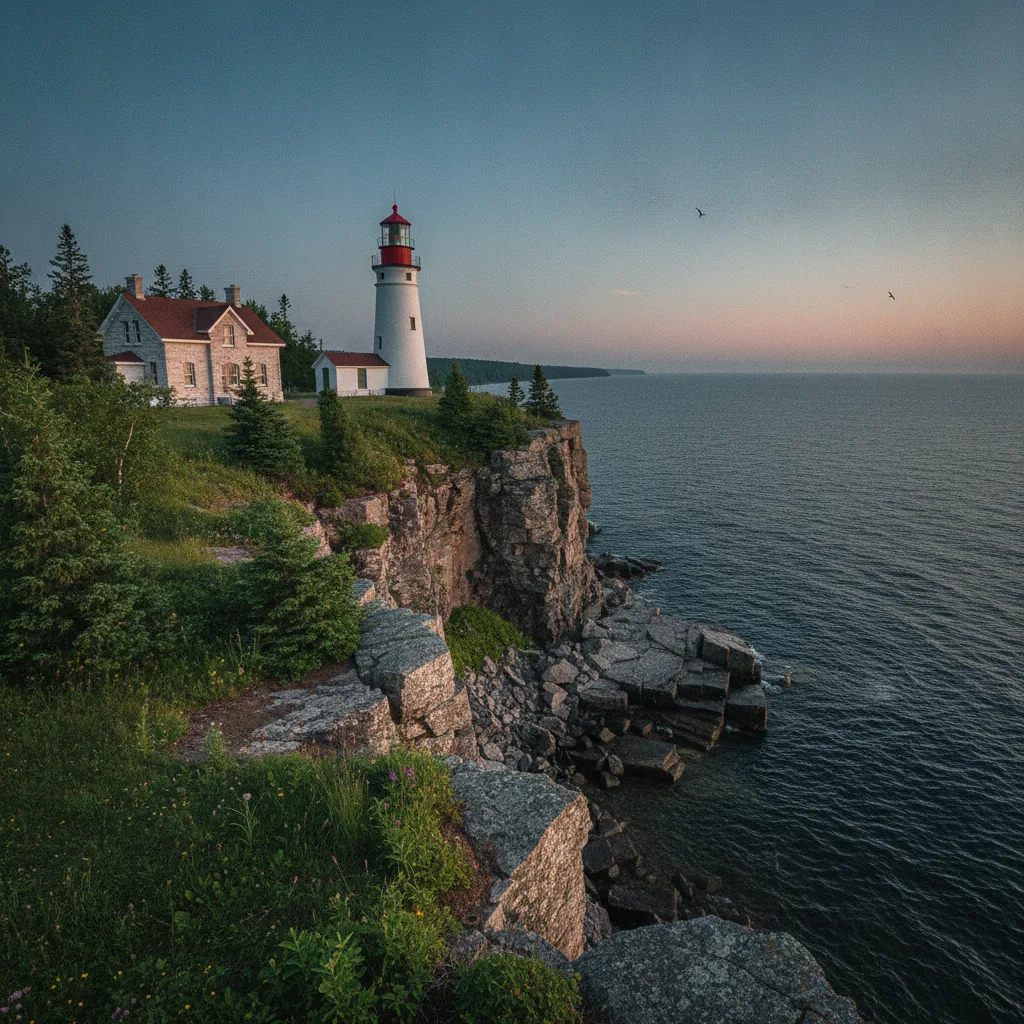
We've compiled this comprehensive guide to ensure your visit to this iconic landmark is as smooth and memorable as possible. When planning a trip to the North Shore, one destination consistently rises to the top of every must-see list: Split Rock Lighthouse Minnesota. Perched dramatically atop a 130-foot cliff overlooking the vast expanse of Lake Superior, this historic beacon is more than just a picturesque photo opportunity; it’s a journey back in time, a testament to human ingenuity, and a gateway to some of the most breathtaking natural beauty the state has to offer. Our team has explored every angle of this beloved site, from its fascinating history to the myriad of activities available, to bring you the definitive guide.
Why Visit Split Rock Lighthouse
For us, the allure of Split Rock Lighthouse extends far beyond its striking appearance. It represents a quintessential piece of American maritime history, a stoic guardian against the unforgiving power of Lake Superior. Built in 1910 after a devastating storm in 1905 claimed numerous ships, the lighthouse served as a vital navigational aid for vessels traversing the treacherous waters of the North Shore. Visiting today, you're not just seeing a building; you're stepping into the lives of the keepers and their families who maintained this isolated outpost, ensuring the safety of countless sailors. The sheer drama of its location, combined with its rich narrative, makes it an incredibly compelling destination. We find that it offers a unique blend of historical education, architectural marvel, and unparalleled scenic beauty, making it a truly enriching experience for all ages. It's a place where history comes alive against a backdrop of stunning natural grandeur, inviting reflection on both human perseverance and the raw power of nature.
Beyond the historical significance, the natural setting is a powerful draw. The rugged coastline, the pristine waters of Lake Superior, and the surrounding forests of Split Rock Lighthouse State Park create an environment ripe for exploration and contemplation. Whether you're a history buff, a nature enthusiast, or simply seeking a tranquil escape, the lighthouse and its surroundings offer something profound. It’s a place that truly captivates the imagination and leaves a lasting impression, solidifying its status as one of Minnesota's most cherished landmarks. We often recommend combining a visit here with other best places in Minnesota, creating a broader exploration of the state's diverse offerings.
Who It's Best For
Our team believes Split Rock Lighthouse is an incredibly versatile destination, appealing to a wide array of visitors. It’s particularly ideal for history enthusiasts eager to delve into the maritime past of the Great Lakes. The meticulously preserved lighthouse, keeper’s dwelling, and fog signal building offer an authentic glimpse into early 20th-century life and the challenges faced by those who served here. Families with children will find it engaging, as the site offers interactive exhibits and plenty of open space for exploration. The stories of the keepers, often presented through engaging interpretive programs, captivate younger audiences and provide a memorable educational experience. We've seen firsthand how children are fascinated by the mechanics of the light and the tales of life in such a remote location.
Nature lovers and outdoor adventurers will also find themselves right at home. The surrounding Split Rock Lighthouse State Park provides access to miles of scenic hiking trails, offering breathtaking views of Lake Superior and the rugged coastline. Photographers, from amateur to professional, will be in paradise, with endless opportunities to capture the iconic lighthouse against dramatic skies, crashing waves, or serene sunsets. Even those simply seeking a peaceful retreat will appreciate the tranquility and natural beauty of the area. It’s a place where you can easily spend an afternoon soaking in the views, or embark on a multi-day adventure exploring the park and beyond. Ultimately, if you appreciate history, natural beauty, and a touch of rugged charm, Split Rock Lighthouse is undoubtedly for you.
Getting There & Parking
Navigating your way to Split Rock Lighthouse Minnesota is straightforward, as it's conveniently located right off Minnesota's scenic Highway 61, often referred to as the North Shore Scenic Drive. This highway itself is an attraction, hugging the coastline of Lake Superior and offering stunning vistas along the entire route. For most visitors, the journey begins in Duluth, approximately 45 miles to the southwest. From Duluth, simply follow Highway 61 North, and you'll find clear signage for the lighthouse. The drive itself is part of the experience, winding through charming small towns and past numerous state parks and wayside rests, each offering its own unique appeal. We recommend allowing extra time for the drive, as you'll undoubtedly want to stop for photos or to simply take in the views. If you're coming from further afield, the closest major airport is Duluth International Airport (DLH).
When it comes to parking, the Split Rock Lighthouse Historic Site operates a dedicated parking lot for visitors. As of our latest information for 2026, there is ample parking available. However, during peak season (mid-summer and fall color weekends), the lot can fill up quickly, especially on sunny afternoons. Our team advises arriving earlier in the day if you plan to visit during these busy times to secure a spot. There is a fee associated with parking, which is typically included in your overall site admission or a separate state park vehicle permit may be required to enter the state park area, even if you are only visiting the lighthouse. We always recommend checking the official Minnesota Historical Society website for the most current 2026 parking fees and any specific instructions or reservation requirements, though typically reservations are not needed for parking itself, just for specific tours. For those wondering how to get to Split Rock Lighthouse without a car, public transportation options are extremely limited, so driving or arranging private transport is almost always necessary. There are no dedicated shuttle services from Duluth, for example, so personal vehicle remains the most practical option for reaching Split Rock Lighthouse.
Top Things to Do
A visit to Split Rock Lighthouse offers a rich tapestry of experiences, blending history, nature, and breathtaking views. Our team has curated a list of the top things to do at Split Rock Lighthouse to ensure you make the most of your time here.
- Tour the Historic Lighthouse and Buildings: This is, of course, the main event. You can ascend the iconic lighthouse tower (often with a guide providing fascinating insights), explore the Keeper's Dwelling, the Fog Signal Building, and the Oil House. Each structure is meticulously preserved and furnished to reflect its early 20th-century appearance, offering a vivid glimpse into the lives of the lighthouse keepers. The views from the top of the tower are simply unparalleled.
- Visit the Visitor Center and Museum: Begin your visit here to gain context and learn about the lighthouse's construction, its operational history, and the dramatic shipwrecks that led to its creation. The museum features engaging exhibits, artifacts, and a short film that brings the story of Split Rock to life. It’s an excellent starting point for understanding the significance of this remarkable site.
- Explore the Grounds and Lake Superior Overlooks: Wander the beautifully maintained grounds, taking in the panoramic vistas of Lake Superior. There are numerous vantage points perfect for photography, including the famous cliffside view of the lighthouse itself. The sheer scale of the lake and the rugged beauty of the shoreline are truly awe-inspiring.
- Walk Down to the Shoreline: For a different perspective, take the winding path down to the rocky beach below the cliffs. This offers a unique opportunity to view the lighthouse from below, listen to the waves crashing against the shore, and even search for unique Lake Superior agates. It’s a bit of a climb back up, but well worth the effort for the experience and the photos.
- Attend an Interpretive Program: Throughout the operating season, the Minnesota Historical Society often hosts interpretive programs, talks, and special events. These can include reenactments, demonstrations, or in-depth discussions with site historians, offering deeper insights into the lighthouse's history and the natural environment. Check the official website for the 2026 schedule.
- Shop at the Museum Store: Before you leave, browse the museum store for unique souvenirs, books on local history, nautical-themed gifts, and local artisan crafts. It’s a great place to find a memento of your visit.
These things to do at Split Rock Lighthouse provide a comprehensive and memorable experience, combining education, exploration, and natural beauty.
Split Rock Lighthouse Hiking Trails
Beyond the historic structures, the surrounding Split Rock Lighthouse State Park offers an extensive network of trails, making it a prime destination for hikers of all skill levels. Our team considers the Split Rock Lighthouse hiking trails to be among the most scenic along the North Shore. The park encompasses over 2,000 acres, featuring rugged cliffs, dense forests, and pristine Lake Superior shoreline, all accessible via well-maintained paths.
One of the most popular and accessible Split Rock Lighthouse hiking trails is the path that leads from the visitor center down to the lighthouse itself and then continues along the cliff tops, offering incredible panoramic views of Lake Superior. For a more challenging trek, the section of the Superior Hiking Trail (SHT) that passes through the park is exceptional. The SHT is a 310-mile footpath stretching from Jay Cooke State Park near Duluth to the Canadian border, and the segments within Split Rock Lighthouse State Park are particularly rewarding. You can embark on shorter loops or longer out-and-back excursions, immersing yourself in the dense boreal forest and emerging at dramatic overlooks.
Key trails within the park include the Split Rock Loop Trail, which offers diverse scenery including forest, shoreline, and views of the lighthouse. The Little Two Harbors Trail provides access to a secluded cove, perfect for a peaceful moment by the lake. Hikers should be prepared for varied terrain, including some steep ascents and descents, especially on sections of the SHT. We always recommend wearing sturdy footwear, bringing water, and checking trail conditions, especially during spring and fall when paths can be muddy or icy. The Split Rock Lighthouse hiking trails provide an excellent opportunity to experience the natural grandeur of the North Shore firsthand, offering solitude and stunning vistas away from the main visitor areas.
Many of these trails also connect to the Gitchi-Gami State Trail, a paved multi-use trail perfect for biking or easier walks, offering another way to experience the beauty of the area. Whether you're looking for a short stroll or a strenuous multi-hour hike, the Split Rock Lighthouse hiking trails deliver an unforgettable outdoor experience.
Best Time to Visit
Determining the best time to visit Split Rock Lighthouse largely depends on your priorities, as each season offers a distinct experience. Our team has observed the unique characteristics of each period:
- Summer (June-August): This is undeniably the most popular time to visit. The weather is typically warm and pleasant, making it ideal for exploring the grounds, hiking, and enjoying Lake Superior. All facilities are open, and interpretive programs are in full swing. However, be prepared for crowds, especially on weekends and holidays. Reservations for specific tours might be recommended or even required during peak 2026 summer months.
- Fall (September-October): Many consider fall to be the absolute best time to visit. The North Shore bursts into a spectacular display of autumn colors, creating a breathtaking backdrop for the lighthouse. The crisp air and fewer insects make for excellent hiking conditions. While still popular, the crowds begin to thin out after Labor Day. We highly recommend visiting in late September or early October for peak fall foliage.
- Spring (April-May): Spring offers a quieter, more serene experience. The snow melts, revealing budding trees and emerging wildflowers. While the weather can be unpredictable (ranging from mild to chilly, with potential for rain or even late snow), the lack of crowds and the fresh, awakening landscape are appealing. Some facilities or specific tours might have reduced hours early in the season, so it's wise to check the 2026 schedule in advance.
- Winter (November-March): Visiting in winter is a truly unique and often magical experience, though it requires more preparation. The lighthouse and surrounding landscape are often blanketed in snow and ice, creating a stark, beautiful scene. The visitor center and museum typically remain open, but the lighthouse tower tours might be limited or closed depending on conditions. The dramatic waves of Lake Superior, often frozen at the edges, are a sight to behold. Be prepared for cold temperatures, strong winds, and potentially icy conditions on trails and pathways. This is the least crowded time, offering a peaceful and contemplative visit for those brave enough to embrace the cold.
Overall, for a balance of good weather, full accessibility, and stunning scenery, we lean towards late spring, early summer, or especially early fall as the best time to visit Split Rock Lighthouse. Always check the official Minnesota Historical Society website for the most up-to-date 2026 operating hours and any potential closures before planning your trip.
Where to Stay Nearby
While Split Rock Lighthouse itself is a day-use historic site, the surrounding North Shore offers a wealth of accommodation options, ranging from rustic camping to luxurious resorts. Our team has explored the various choices to help you find the perfect base for your adventure.
Split Rock Lighthouse Camping
For those who prefer to immerse themselves fully in nature, Split Rock Lighthouse State Park offers excellent camping facilities. The park features both drive-in campsites and more secluded cart-in sites, which require you to transport your gear a short distance from the parking area to your site. This provides a more primitive, yet still accessible, camping experience. The campsites are generally well-maintained and offer basic amenities like picnic tables and fire rings. Some sites offer stunning views of Lake Superior. Reservations for Split Rock Lighthouse camping are highly recommended, especially during the peak summer and fall seasons, and can be made through the Minnesota Department of Natural Resources (DNR) website. As of 2026, we anticipate similar reservation systems and advise booking several months in advance for prime dates. Additionally, backpackers can utilize primitive campsites along the Superior Hiking Trail within the park. These are first-come, first-served or require specific permits depending on the section.
Hotels, Resorts, and Cabins
If camping isn't your style, or you're looking for more creature comforts, the towns along the North Shore offer numerous options:
- Two Harbors (approximately 20 miles south): This charming town is the closest full-service community to Split Rock Lighthouse. You'll find a variety of motels, hotels, and quaint B&Bs, many with lake views. It's a great base for exploring both the lighthouse and other nearby attractions.
- Silver Bay / Beaver Bay (approximately 10-15 miles north): These smaller communities offer a more relaxed pace with several motels and cabin rentals. They provide easy access to the lighthouse and other state parks further north.
- Duluth (approximately 45 miles south): As the largest city on the North Shore, Duluth boasts the widest range of accommodations, from budget-friendly hotels to upscale resorts overlooking Lake Superior. It's a vibrant city with plenty of dining, shopping, and attractions, making it a good choice if you want to combine your lighthouse visit with a city experience.
- Lutsen / Grand Marais (further north): For those planning a longer North Shore trip, towns like Lutsen and Grand Marais offer more resort-style accommodations, often with ski hills, golf courses, and art galleries. While a bit further from Split Rock, they make excellent bases for exploring the northern reaches of the North Shore, including the Boundary Waters Canoe Area Wilderness and Voyageurs National Park.
Our team suggests considering your itinerary and desired level of comfort when choosing where to stay. Booking well in advance, especially for summer and fall 2026, is always a wise decision along the popular North Shore.
Sample 2-Day Itinerary
To help you make the most of your visit to Split Rock Lighthouse and the surrounding North Shore, our team has crafted a sample 2-day itinerary. This plan balances historical exploration with natural immersion, ensuring a memorable trip.
Day 1: Lighthouse Immersion & Coastal Beauty
- Morning (9:00 AM - 1:00 PM): Arrive at Split Rock Lighthouse State Park. Head straight to the Visitor Center to get oriented, watch the introductory film, and explore the museum exhibits. Purchase your admission ticket (which typically covers access to the lighthouse and historic buildings). Then, take a guided tour of the lighthouse tower, the Keeper's Dwelling, and the Fog Signal Building. Allow ample time to soak in the history and the incredible views. We recommend checking the 2026 hours and fees online before your visit.
- Lunch (1:00 PM - 2:00 PM): Enjoy a picnic lunch at one of the scenic spots within the state park, or head south to Two Harbors for a casual meal at a local eatery.
- Afternoon (2:00 PM - 5:00 PM): Embark on one of the Split Rock Lighthouse hiking trails. We suggest the path down to the shoreline for unique views of the lighthouse from below, followed by a walk along a portion of the Superior Hiking Trail for forest immersion and cliff-top vistas. Alternatively, explore the Gitchi-Gami State Trail for a gentler walk or bike ride.
- Evening: Check into your accommodation in Two Harbors, Silver Bay, or a nearby state park campground. Enjoy dinner at a local restaurant. If staying at a campground, relax by a campfire under the stars.
Day 2: North Shore Exploration & Waterfalls
- Morning (9:00 AM - 12:00 PM): Head north on Highway 61 to explore other nearby state parks known for their stunning waterfalls. Our top recommendations include Gooseberry Falls State Park (just a few miles south of Split Rock) and Tettegouche State Park (a bit further north). At Gooseberry Falls, enjoy easy walks to view the Upper, Middle, and Lower Falls. At Tettegouche, hike to the iconic High Falls, Minnesota's highest waterfall.
- Lunch (12:00 PM - 1:00 PM): Pack a picnic to enjoy at one of the state parks, or find a charming cafe in Silver Bay or Beaver Bay.
- Afternoon (1:00 PM - 4:00 PM): Continue your North Shore exploration. Depending on your interests, you could visit the historic town of Grand Marais (about an hour and a half north of Split Rock), known for its vibrant arts scene and harbor, or explore more hiking trails at Temperance River State Park. Alternatively, for a different kind of adventure, consider a scenic drive further inland to explore the forests and smaller lakes.
- Late Afternoon/Evening: Begin your journey back south towards Duluth or your next destination. Reflect on the natural beauty and rich history you've experienced along the North Shore.
This itinerary is flexible and can be adjusted based on your pace and interests, but it provides a solid framework for experiencing the highlights of Split Rock Lighthouse and its spectacular surroundings.
Is It Worth Visiting?
From our extensive experience exploring America's most iconic destinations, we can confidently assert that Split Rock Lighthouse Minnesota is absolutely worth visiting. This isn't just another pretty landmark; it's a profound experience that resonates on multiple levels. The dramatic cliffside setting, the meticulously preserved historical buildings, and the powerful stories of the keepers who lived and worked here combine to create an unforgettable journey back in time. It offers a unique blend of natural beauty and human history that is rare to find in such a compelling package.
Beyond the lighthouse itself, the surrounding Split Rock Lighthouse State Park significantly enhances the value of a visit. With miles of scenic hiking trails, access to the rugged Lake Superior shoreline, and opportunities for peaceful contemplation, the area caters to outdoor enthusiasts and those seeking tranquility alike. The educational aspect, provided through the visitor center and interpretive programs, adds depth, making it a rewarding experience for families, history buffs, and casual tourists alike. We often hear visitors express how the sheer scale of Lake Superior and the isolation of the lighthouse exceed their expectations. The iconic image of the lighthouse against the backdrop of the vast lake is even more striking in person, and the feeling of stepping onto the grounds where keepers once toiled is truly palpable. For those planning a trip to the North Shore, or even a broader Plan Your US Trip, Split Rock Lighthouse stands out as a must-see destination that consistently delivers on its promise of beauty, history, and wonder. It’s not just a stop; it’s a highlight.
FAQ
things to do in Split Rock Lighthouse
The top things to do in Split Rock Lighthouse include touring the historic lighthouse tower, exploring the Keeper's Dwelling and Fog Signal Building, visiting the Visitor Center and Museum for exhibits and a film, walking the grounds for panoramic Lake Superior views, descending to the shoreline, and hiking the scenic trails within Split Rock Lighthouse State Park.
Split Rock Lighthouse with kids
Split Rock Lighthouse is an excellent destination for kids. They will enjoy climbing the lighthouse tower, exploring the historic buildings, and learning about the keepers' lives. The Visitor Center has engaging exhibits, and the expansive grounds offer plenty of space for children to run and explore. The trails, especially the shorter, easier ones, are also suitable for families.
Split Rock Lighthouse tips
Our top Split Rock Lighthouse tips include: arrive early, especially during peak season (summer/fall) to avoid crowds and secure parking; wear comfortable shoes for walking and exploring the grounds and trails; check the official Minnesota Historical Society website for current 2026 hours, fees, and tour availability; bring water and snacks, especially if you plan to hike; and allow at least 2-3 hours for a comprehensive visit.
Split Rock Lighthouse parking
Dedicated parking is available at the Split Rock Lighthouse Historic Site. There is a fee for parking, which may be included in your admission or require a separate state park vehicle permit. During peak season (summer and fall 2026), the lot can fill up, so arriving early is advised. Always check the official site for the most current parking information.
best time to visit Split Rock Lighthouse
The best time to visit Split Rock Lighthouse depends on your preferences. Summer offers warm weather and full accessibility but can be crowded. Fall (late September-early October) provides spectacular fall foliage and pleasant temperatures, making it a highly recommended time. Spring offers fewer crowds and budding nature, while winter provides a unique, snowy landscape for those prepared for cold conditions.
Split Rock Lighthouse hours and fees
As of 2026, Split Rock Lighthouse typically operates year-round, though hours vary by season. The Visitor Center and Museum are generally open daily, with lighthouse tower tours operating on a more seasonal basis, often requiring timed tickets. Admission fees apply for access to the historic site, which includes the lighthouse, keeper's dwelling, and museum. Parking fees may also apply. We strongly advise checking the official Minnesota Historical Society website (mnhs.org/splitrock) for the most current and specific 2026 operating hours, admission costs, and any reservation requirements before planning your visit.
Our team's verdict is unequivocal: Split Rock Lighthouse is a cornerstone of any North Shore adventure. Its blend of historical significance, architectural beauty, and dramatic natural setting makes it an unparalleled destination. We encourage every traveler to experience its magic firsthand and discover why it remains one of Minnesota's most cherished treasures.
Last updated: 2026-07-05 by the Visit America team.