Our Hawk Mountain Sanctuary guide covers practical planning for Hawk Mountain Sanctuary Pennsylvania — best time to visit, getting there, and what to do on the ground. As independent US travel authorities, we've compiled the essential details to ensure your visit to this world-renowned raptor refuge is nothing short of spectacular, from trail details and observation tips to local lodging and family-friendly activities.
Why Visit Hawk Mountain Sanctuary
For over 90 years, Hawk Mountain Sanctuary has stood as the world's first refuge for birds of prey, a testament to conservation and a beacon for nature enthusiasts. Our team considers it a truly unique destination, offering an unparalleled opportunity to witness the awe-inspiring spectacle of raptor migration. Imagine standing atop ancient ridges, thousands of feet above sea level, as eagles, hawks, and falcons glide past at eye-level, carried by invisible currents of air. It’s a profound connection to the wild that few places on Earth can provide.
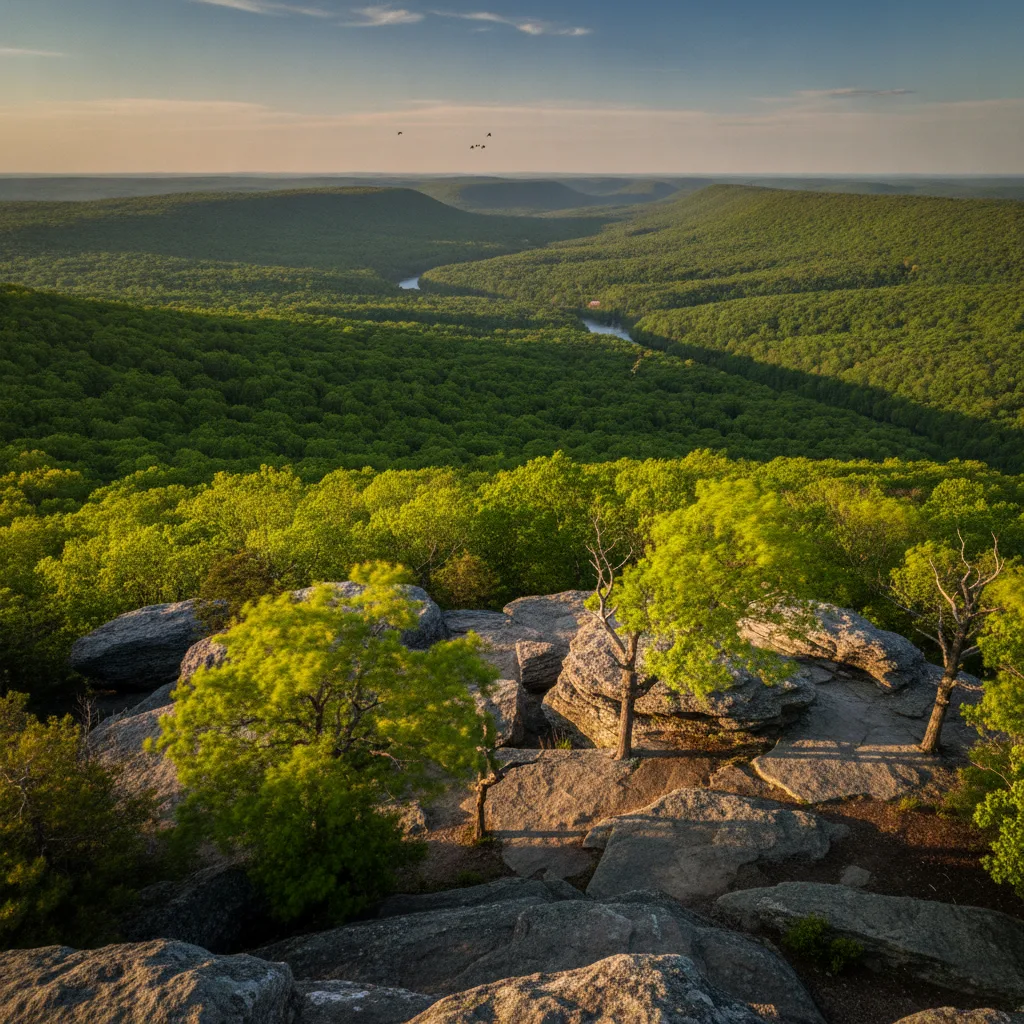
Beyond the breathtaking birdwatching, the Sanctuary boasts spectacular views of the surrounding Appalachian Mountains and the picturesque Schuylkill River Valley. Its 2,600 acres of protected forests and diverse habitats invite exploration and offer a serene escape into nature. Whether you're a seasoned birder, an avid hiker, or simply seeking a tranquil retreat, the sheer scale of the migration and the beauty of the landscape make Hawk Mountain Sanctuary an essential Pennsylvania experience. It’s not just a place to see birds; it’s a place to understand the delicate balance of our ecosystems and the vital role these magnificent creatures play.
Who It's Best For
Hawk Mountain Sanctuary truly offers something for everyone, but we find it particularly resonates with certain types of travelers. It is, without a doubt, a paradise for **birdwatchers and ornithologists**. With an average of 18,000 raptors flying past its ridgetops between August and December, and over 235 species of birds sighted in the area, it's a prime location for observing and identifying a vast array of avian life.
**Hikers** will also find themselves at home here, with over eight miles of trails ranging from easy, accessible paths to challenging, rugged terrain. The stunning overlooks provide ample reward for your efforts. **Nature photographers** will be captivated by the dramatic landscapes and the dynamic aerial displays of the raptors, offering endless opportunities for breathtaking shots.
For **families with children**, Hawk Mountain provides an engaging and educational outdoor experience. The accessible trails, interactive Visitor Center, and a robust schedule of family-friendly events and summer nature camps make it an excellent spot for kids to connect with nature and learn about conservation. Even those simply seeking **peace and tranquility** will appreciate the serene environment and the opportunity to disconnect amidst stunning natural beauty. However, those looking for extensive paved paths or a highly commercialized attraction might find its focus on natural preservation and outdoor activity a bit too rustic.
Getting There & Parking
When planning how to get to Hawk Mountain Sanctuary, you'll find it conveniently located in eastern-central Pennsylvania, approximately 30 miles west of Allentown and 25 miles north of Reading. The Sanctuary's address is 1700 Hawk Mountain Road, Kempton, PA 19529. For those traveling by car, one of the most direct routes involves taking Exit 29 on Interstate 78, which leads to Hamburg, PA. From there, you'll take Route 61 North, connecting to Route 895 East, which will guide you to the Sanctuary.
Regarding parking, our team advises that spaces are limited to approximately 300 cars. If you plan to visit during the peak fall migration season, particularly in October, we strongly recommend arriving before 10:00 AM or after 3:00 PM to ensure you secure a spot. Accessible van parking is available at the Amphitheater, and designated accessible parking spaces are provided in all other lots, ensuring that visitors with mobility needs can also easily access the Sanctuary.
It's important to note that while general parking is available, there are specific rules for campers if you are staying on-site (which requires a membership). Campground users are allowed one vehicle per site and should not block roads, while those using shelters must park in the upper lot above the Education Building. We always recommend checking the official Hawk Mountain Sanctuary website for any updated information on how to get to Hawk Mountain Sanctuary, parking availability, or temporary closures before your visit.
Top Things to Do
A visit to Hawk Mountain Sanctuary Pennsylvania offers a diverse range of activities, primarily centered around its incredible natural environment and its mission of raptor conservation. Our team has identified the following as the top things to do at Hawk Mountain Sanctuary:
- Raptor Watching: This is, without a doubt, the main draw. From mid-August through December, tens of thousands of hawks, eagles, and falcons migrate past the Sanctuary's ridges. Observers are often stationed at the lookouts to help visitors identify species and provide insights into the migration. The North Lookout and South Lookout are prime viewing spots, offering panoramic vistas.
- Hiking the Trails: Explore over eight miles of trails that vary in length and difficulty. From the gentle, accessible Silhouette Trail leading to South Lookout to the challenging River of Rocks and Skyline Trails, there's a path for every skill level. More on these trails below.
- Visit the Visitor Center: The Visitor Center is your gateway to understanding the Sanctuary's mission. It houses the "Wings of Wonder" gallery, featuring life-sized raptor models, a gift shop, and informative exhibits. It's also where non-members pay their trail fees and can learn about membership options.
- Explore the Native Habitat Garden: Adjacent to the Visitor Center, this garden showcases native plants that support local wildlife, offering a beautiful and educational stroll.
- Attend Educational Programs and Events: Hawk Mountain offers a year-long schedule of workshops, lectures, guided bird walks, and family-friendly programs. During migration season, free programs featuring live birds of prey are often held on weekends. For families, the summer nature camps are a fantastic way for kids to engage with the outdoors.
- Photography: The stunning vistas and abundant wildlife provide incredible opportunities for nature photography, from sweeping landscapes to close-ups of raptors in flight.
These things to do at Hawk Mountain Sanctuary ensure a rich and rewarding experience, whether you're focused on birding, hiking, or simply immersing yourself in nature's grandeur.
Best Time to Visit
The optimal time to visit Hawk Mountain Sanctuary largely depends on your primary interest, but for most visitors, the **fall raptor migration season** is the undeniable highlight. This period typically runs from **mid-August through December 15th**. During these months, an average of 18,000 raptors, including hawks, eagles, and falcons, funnel along the Kittatinny Ridge, often flying at eye-level with observers.
Specifically, our team recommends:
- **Mid-September:** This is often the peak for broad-winged hawks, with thousands passing through.
- **October:** This month brings the greatest diversity, with as many as 16 species of raptors observable. It's also when the autumn foliage is typically at its most vibrant, adding another layer of beauty to the experience. However, be prepared for crowds, especially on weekends, and plan to arrive early for parking.
- **Late August/Early September:** Marks the beginning of the migration with bald eagles, ospreys, and American kestrels.
While fall is prime for raptor viewing, Hawk Mountain is a year-round destination. The **spring migration** also occurs, though typically less concentrated than the fall. During **summer**, the Sanctuary offers family-friendly programs, nature camps, and a chance to enjoy the lush green landscapes and resident bird populations. **Winter** offers a serene, often snowy, landscape for hiking, though trails are not winter-maintained, and icy conditions should be expected. Regardless of the season, checking the Sanctuary's "Raptor Count" and "Recent Sightings" online can help you time your visit for the best birding opportunities.
Where to Stay Nearby
Finding comfortable Hawk Mountain Sanctuary lodging is key to extending your visit beyond a single day. Our team has explored various options, from cozy bed and breakfasts to convenient hotels, all within a reasonable drive of the Sanctuary.
For a charming and personalized experience, consider the numerous **bed and breakfasts** in the surrounding area. The Bird's Nest Bed & Breakfast in Kempton is particularly close, located just 7 miles from the Sanctuary, and offers a historical Victorian setting with locally sourced breakfasts. Other highly-rated B&Bs include the Kinder Hawk One Room Schoolhouse Guest House at the foot of Hawk Mountain, Hope Pryde Farm Bed & Breakfast in Hamburg, and Glasbern Country Inn in Fogelsville, known for its elegant country hideaway and fine dining.
If you prefer the amenities of a **hotel**, several options are available in nearby towns. Hamburg, located about 5 miles from Hawk Mountain Sanctuary, offers choices like the Microtel Inn & Suites by Wyndham Hamburg. Other convenient towns with hotels include Bethel (Comfort Inn at Midway Diner, 15 miles west), Lehighton (Hampton Inn, Mahoning Inn), and Kutztown (Hampton Inn & Suites, Vintner's Inn by Folino Estate Winery Bed & Breakfast). These typically offer standard hotel comforts like complimentary breakfast, pools, and fitness rooms.
For those seeking a more private or unique stay, **vacation rentals** are a growing option. Websites like Vrbo and Airbnb list private homes and cabins in and around Kempton, New Ringgold, and Orwigsburg. These can be ideal for families or groups, often featuring amenities like decks, fireplaces, and beautiful natural settings. The "Hidden River Lodge at Hawk Mountain" and the "Historic Kempton Schoolhouse" are examples of such unique rentals.
While on-site camping at Hawk Mountain Sanctuary is restricted to members and educational groups, there are several **campgrounds** in the vicinity for public use, such as Blue Rocks Campground and Appalachian Campsites. When considering Hawk Mountain Sanctuary lodging, we recommend booking in advance, especially during the peak fall migration season, as popular options fill up quickly.
Sample 2-Day Itinerary
To truly immerse yourselves in the beauty and wonder of Hawk Mountain Sanctuary, our team recommends a two-day itinerary, allowing ample time for both raptor viewing and exploring the diverse trails and local attractions.
Day 1: Raptor Migration & Main Lookouts
- Morning (9:00 AM - 1:00 PM): Arrival and South Lookout. Arrive at Hawk Mountain Sanctuary early, especially if visiting in October, to secure parking. Head straight to the Visitor Center to purchase your trail pass or show your membership. Begin your exploration with the accessible Silhouette Trail, leading to the South Lookout. This groomed path is a gentle 175-yard walk, offering immediate, stunning views and is often staffed with an observer-interpreter during migration season. Spend time here, soaking in the panoramic vistas and spotting early raptors.
- Lunch (1:00 PM - 2:00 PM): Picnic with a View. Pack a picnic lunch to enjoy at one of the Sanctuary's designated picnic areas, or find a scenic spot along the trails.
- Afternoon (2:00 PM - 5:00 PM): North Lookout & Education. After lunch, embark on the Lookout Trail towards the North Lookout. This moderate 1-mile (one way) trail offers a more rugged experience, culminating in large boulders that require some rock scrambling for the best views. This is often considered the premier spot for raptor viewing. After your time at the lookout, descend and visit the Wings of Wonder Gallery in the Visitor Center to learn more about the raptors you've seen.
- Evening: Dinner & Local Charm. Head to a nearby town like Kempton or Hamburg for dinner. The Kempton Hotel, operating since 1874, offers home-style cooking and PA Dutch specialties.
Day 2: Hiking Adventures & Local Exploration
- Morning (9:00 AM - 1:00 PM): Challenging Trails. For experienced hikers, dedicate your morning to tackling one of the more challenging Hawk Mountain Sanctuary hiking trails. The River of Rocks Trail (4-4.5 miles, 3-4 hours) offers a steep descent through a mixed forest before traversing a massive boulder field. Alternatively, the Golden Eagle Trail (2.1 miles, 3-4 hours) connects the Skyline and River of Rocks trails with a very steep 800-foot grade. Remember to carry plenty of water and appropriate gear.
- Lunch (1:00 PM - 2:00 PM): Refuel. Grab a casual lunch at a local eatery, perhaps Hecky's Sub Shop in Hamburg or a cafe in Kutztown.
- Afternoon (2:00 PM - 5:00 PM): Beyond the Sanctuary. Explore other attractions in the area. Visit the W.K. & S. Steam Railroad in Kempton for a scenic steam train ride (weekends May-October). Or, consider a trip to Crystal Cave in Lenhartsville for guided underground tours. For a taste of Pennsylvania's rich history, Independence National Historical Park in Philadelphia or Gettysburg National Military Park are within a day trip's reach, offering contrasting but equally vital perspectives on the state's heritage. You might also consider a visit to Hershey Park for some family fun, or the architectural marvel of Fallingwater.
- Evening: Relax & Reflect. Enjoy a relaxing evening at your chosen Hawk Mountain Sanctuary lodging, perhaps reflecting on the incredible raptor sightings and the beauty of the Pennsylvania wilderness.
This itinerary for Hawk Mountain Sanctuary Pennsylvania balances intense birding and hiking with opportunities to relax and explore the charming local area, providing a comprehensive and memorable trip.
Is It Worth Visiting?
From our perspective as dedicated US travel authorities, the resounding answer to "is Hawk Mountain Sanctuary worth visiting" is an emphatic **yes**. This is not merely another nature preserve; it is a globally significant site, recognized as the world's first refuge for birds of prey, and its impact on raptor conservation and research is profound. The sheer spectacle of tens of thousands of raptors migrating past its ridges each fall is an experience that transcends typical birdwatching—it's a powerful connection to the wild heart of nature.
Beyond the raptors, the Sanctuary offers exceptional value. The diverse network of Hawk Mountain Sanctuary hiking trails caters to all abilities, from accessible paths to challenging rock scrambles, all leading to breathtaking panoramic views. The educational programs, the engaging Visitor Center, and the commitment to conservation further enrich the experience, making it more than just a scenic stop. It's a place where you can learn, explore, and be inspired.
For those questioning "is Hawk Mountain Sanctuary worth visiting" for a family trip, the answer remains positive. With dedicated summer camps for kids, family-friendly events, and accessible trails, it provides an enriching outdoor educational opportunity for younger visitors. While the admission fees for non-members (Adults $10, Seniors $7, Children $5) contribute directly to its vital conservation efforts, we find the value far outweighs the cost for the unique and impactful experience it offers. It stands as a truly iconic destination in Pennsylvania, a must-see for anyone with an appreciation for nature, wildlife, and conservation.
Last updated: 2026-07-07 by the Roam States team.