Lava Ocean Tours Travel Guide — Hawaii
Our Lava Ocean Tours guide covers practical planning for things to do at Lava Ocean Tours — best time to visit, getting there, and what to do on the ground.
For those seeking an unparalleled encounter with the raw power of nature, a visit to the Big Island of Hawaii to witness active lava flows is a truly transformative experience. While the landscape around Kalapana has been dramatically reshaped by volcanic activity over the years, the opportunity to see molten lava interact with the Pacific Ocean remains a bucket-list item for many. Our team at Roam States is here to provide you with the essential, up-to-date information you need to plan your adventure, focusing on the unique things to do at Lava Ocean Tours and the surrounding area.
Why Visit Lava Ocean Tours
The allure of Lava Ocean Tours lies in the extraordinary spectacle of creation and destruction unfolding before your eyes. When Kīlauea volcano is actively flowing into the ocean, boat tours offer a front-row seat to an awe-inspiring display of molten rock meeting seawater, generating dramatic steam plumes, and often creating new land. This isn't a passive observation; it's an immersive experience where you can see, hear, and even feel the heat of the lava.
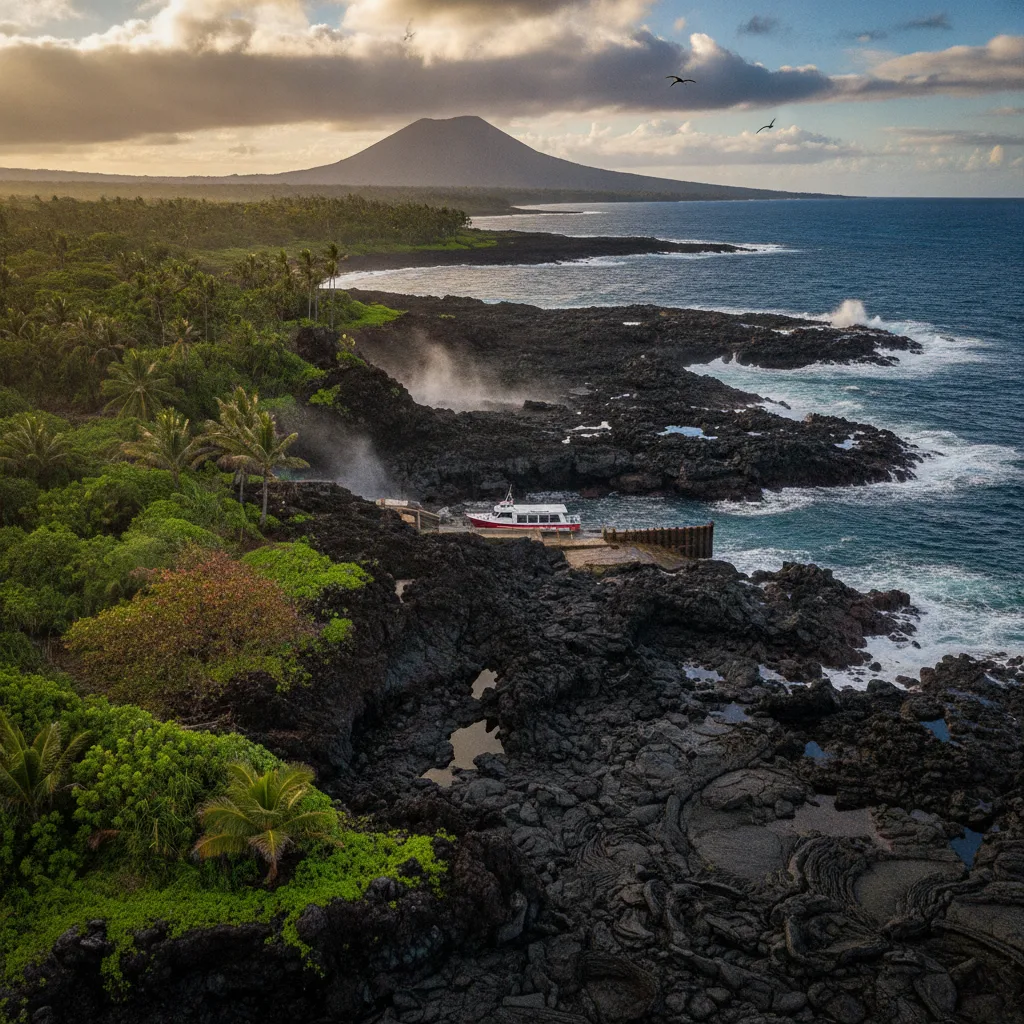
Beyond the immediate thrill of the lava, these tours provide a unique perspective on the Big Island's dynamic coastline, showcasing recent lava flows that are still cooling, newly formed black sand beaches, lava caves, and sea cliffs. It's a geological masterclass delivered by Mother Nature herself, offering profound insights into the ongoing evolution of our planet. The experience is often described as the highlight of a Hawaii vacation, providing unforgettable photo opportunities and memories that last a lifetime.
Who It's Best For
Lava Ocean Tours are ideal for adventurous travelers, nature enthusiasts, photographers, and anyone seeking a truly unique and memorable experience in Hawaii. While the tours are generally safe, they are best suited for those comfortable with being on the ocean and potentially experiencing some motion. The excitement of witnessing active lava is a draw for many, including families with older children who can appreciate the natural wonder. However, it's important to note that the experience can be intense, with steam plumes and the sounds of creation. Those with motion sickness should consider appropriate precautions.
It's important to understand that lava activity is unpredictable. As of July 12, 2026, there are no lava flows entering the ocean, and thus, lava boat tours are currently not running. The Kīlauea volcano is experiencing episodic, on-and-off eruptions confined within the Halemaʻumaʻu crater, allowing visitors to see molten lava within the crater from various trails and overlooks in Hawaii Volcanoes National Park. Therefore, while the dream of a lava ocean tour persists, current conditions mean the focus is on crater viewing. When ocean entries resume, these tours are highly recommended for those who want the closest, most intimate view possible, often closer than what's achievable by foot or air.
Getting There & Parking
Lava Ocean Tours, when operating, typically depart from the Puna district on the Big Island's east side, often from Isaac Hale Beach Park (Pohoiki Bay) in Pahoa or from Hilo's Wailoa Harbor. The exact departure point can vary by tour operator and current lava flow location. Given the current situation where ocean entry tours are paused, your primary destination for lava viewing will be Hawaii Volcanoes National Park.
To reach the park, we recommend renting a car, as public transportation on the Big Island is limited. The park is open 24 hours a day, every day of the year. The entrance fee for Hawaii Volcanoes National Park is $35 per vehicle for a 7-day pass, or $15 per person on foot or bicycle. The America the Beautiful interagency annual pass is also accepted. Parking is available at various overlooks and trailheads within the park, but during peak viewing times, especially at sunset, popular viewpoints like Uēkahuna, Kūpinaʻi Pali, and Keanakākoʻi can become very crowded. Our team advises arriving before sunrise or late at night (after 10 p.m.) to avoid the largest crowds at these locations.
For those interested in the Kalapana area itself, even without active ocean flows, you can drive to the end of Highway 130 south from Pahoa, which meets Highway 137, to reach the remaining houses of the fishing town. Parking in this area is generally roadside, but always be respectful of private property and local residents.
Top Things to Do
While the primary draw of Lava Ocean Tours is currently on hold due to the lack of ocean entry lava flows, there are still incredible things to do on the Big Island, particularly in and around Kalapana and Hawaii Volcanoes National Park, that center around volcanic activity. The Kīlauea volcano is currently experiencing intermittent high-fountaining episodes within the Halemaʻumaʻu crater, visible from various points within the park.
Lava Ocean Tours Hawaii: What to Experience When Flows Resume
When Kīlauea's lava once again flows into the ocean, Lava Ocean Tours Hawaii will offer an unparalleled vantage point. These tours typically last between 1.75 and 2.5 hours, with approximately 45 minutes dedicated to lava viewing, depending on ocean conditions. Operators like Lava Ocean Adventures utilize custom-built boats, often catamarans, with covered seating for up to 24 passengers, ensuring safety and comfort.
You can choose from various tour times, including pre-dawn sunrise tours, day tours, and sunset tours. Sunrise tours are highly recommended by operators for optimal photography conditions, as the sun is at your back, lighting the lava and coastline. Sunset tours offer the dramatic contrast of glowing lava against the darkening sky, with stunning views of Mauna Loa. Beyond the lava, these tours often include guided coastline cruises, showcasing new black sand beaches, lava caves, sea cliffs, and marine life. Be prepared to get wet, as the ocean spray near the lava entry can be significant. Always call ahead to confirm tour availability and conditions, as lava activity is dynamic.
Top Things to Do in Kalapana, Big Island
Even without active ocean lava flows, Kalapana offers a profound glimpse into the Big Island's volcanic history and resilient community spirit. One of the most compelling things to do in Kalapana, Big Island, is to explore the hardened lava fields that buried the original town and Kaimū Black Sand Beach in 1990. This landscape is a sobering reminder of nature's destructive power and the continuous process of creation.
- Star of the Sea Painted Church: This historic Catholic church, also known as the "Painted Church," was physically moved twice to save it from advancing lava flows. It's a cultural and spiritual landmark, featuring hand-painted murals depicting biblical scenes in a Hawaiian context. The grounds offer a peaceful setting and historical context.
- Kaimū Black Sand Beach Area: While the original Kaimū Black Sand Beach was consumed by lava, a new black sand beach has formed. Although swimming here is often dangerous due to strong currents, it's a powerful place for photography and experiencing the raw, untamed Pacific scenery. Locals have replanted palm trees, symbolizing resilience.
- Uncle Awa's Bar & Kalapana Night Market: Experience a piece of original Hawaii at Uncle Awa's Bar, especially during Wednesday markets featuring local products. In the evenings, residents often play Hawaiian music, creating a peaceful, celebratory atmosphere.
- Hiking the Lava Fields: Guided tours are sometimes available with local residents who are knowledgeable about the lava and can guide adventurous individuals into active areas, though the last lava flows in the Kalapana area percolated in 2010. Visitors on foot must strictly observe all warnings and stay within designated areas, as new lava shores are unstable and gases can escape.
- Hawaii Volcanoes National Park: Just a short drive away, the park remains the best place to see active lava confined within the Halemaʻumaʻu crater. Explore the Kīlauea Visitor's Center, Kīlauea Iki Crater Overlook, Steaming Bluffs, and the Volcano House for incredible views. You can also hike to the Hōlei Sea Arch via Chain of Craters Road. The park is open 24 hours a day, and the best time to see the glow is at night.
Other popular activities in the wider Puna district include visiting Mackenzie State Recreation Area for coastal hikes and exploring the unique tide pools and jungle trails, often available through guided tours. For those with kids, activities like baby goat cuddling at Ohana Ranch or guided UTV rides are available nearby.
Best Time to Visit
Determining the best time to visit Lava Ocean Tours (or, more accurately, the Big Island for lava viewing) largely depends on current volcanic activity and your preferences for crowds and weather. As of July 12, 2026, Kīlauea volcano's eruption is paused, with the next episode of high lava fountaining within the Halemaʻumaʻu crater anticipated between July 13 and July 15. There are currently no lava flows entering the ocean, meaning ocean boat tours are not operating.
When lava flows are active and accessible, the best time to visit Lava Ocean Tours or other viewing areas is generally at night. The glow from the molten lava is most visible against the dark sky, creating a truly spectacular sight. For those seeking to avoid crowds, our team recommends arriving at viewpoints one to two hours before dawn, as they are often nearly empty at that hour. Late night, after 10 p.m., is another good window to experience the lava with fewer people. Conversely, try to avoid the Hawaii Volcanoes National Park between 6 p.m. and 9 p.m. if you dislike crowds, as this is typically the busiest time for sunset viewing.
Weather-wise, the Big Island has varied microclimates. The Hilo side, where Kalapana and most lava tours would depart from, tends to be much wetter than the Kona side. Be prepared for rain, especially on the northeast side of the island. While lava is red hot all day long and visible even in full sun, the dramatic effect is undoubtedly amplified in the dark. For photography, early morning after sunrise can provide excellent natural backlighting for capturing lava and the Kalapana coastline. Always check the USGS Kīlauea Volcano updates and the National Park Service website for the most current information on eruption status, viewing conditions, and potential hazards like vog (volcanic air pollution) or tephra fall.
Where to Stay Nearby
When planning your trip to see the lava, knowing where to stay nearby Lava Ocean Tours is crucial for convenience and comfort. While Kalapana itself has limited lodging options due to past lava flows, several excellent choices are available in the surrounding Puna district, Pahoa, Volcano Village, and Hilo. Our team recommends considering these areas for their proximity and amenities.
For those prioritizing proximity to the Kalapana area (where boat tours would typically depart from when active), options in Pahoa or nearby Kalapana Sea View Estates offer a more secluded, jungle-like experience. Some accommodations in this area include:
- Ma'ukele Lodge: A 3.5-star bed and breakfast in Kalapana, catering to adventure seekers.
- Kalani Oceanside Retreat: Located in Pahoa, offering free WiFi in public areas, spa treatment rooms, and a garden, approximately 1.4 miles from Kehena Black Sand Beach.
- Kehena Mauka Nui LGBTQ Clothing Optional: A highly-rated, unique stay in Pahoa near Kalapana.
- Hoomaikai Blessing's: A well-reviewed option in Keaau, offering good value.
- Private guest houses and cottages: Many unique vacation rentals are available in areas like Kalapana Sea View Estates and Keaau, offering private and immersive experiences.
For more amenities and a wider selection of hotels near Lava Ocean Tours, Hilo is an excellent base, approximately an hour's drive from Kalapana. Hilo offers larger hotels and is also convenient for accessing Hawaii Volcanoes National Park. Top choices in Hilo include:
- Grand Naniloa Hotel Hilo - a Doubletree by Hilton: A beachfront resort with ocean panoramas, an outdoor pool, and dining options.
- Hilo Hawaiian Hotel, Trademark Collection by Wyndham: Offers bay breezes, an outdoor pool, fitness center, and steakhouse dining, with free parking and WiFi.
- SCP Hilo Hotel: Another well-regarded option in Hilo.
- The Inn at Kulaniapia Falls: A unique stay near Hilo offering waterfall views.
If your primary interest is viewing lava within Hawaii Volcanoes National Park, staying in Volcano Village, just outside the park entrance, is highly convenient. Options here include:
- Kilauea Lodge and Restaurant: A highly-rated lodge with excellent food.
- Volcano Hale: A guesthouse offering free WiFi and parking.
- Lokahi Lodge: A comfortable hotel in a quiet location near the national park.
- Chalet Kilauea: A well-established option in Volcano.
When booking, especially for the best hotels near Lava Ocean Tours (or the closest accommodations to the viewing areas), we advise checking current reviews and availability, as conditions and offerings can change. Many of these accommodations offer a serene, jungle, or oceanfront setting, providing a true Hawaiian escape. Always book in advance, particularly during peak seasons, as popular places fill up quickly.
Sample 2-Day Itinerary
This sample itinerary focuses on experiencing the volcanic wonders of the Big Island, keeping in mind the current lack of ocean lava flows and prioritizing crater viewing at Hawaii Volcanoes National Park, along with exploring the Kalapana area.
Day 1: Volcanic Wonders & Kalapana Coastline
- Morning (Sunrise to Mid-morning): Hawaii Volcanoes National Park Exploration. Start your day early at Hawaii Volcanoes National Park. Arrive before the crowds to experience the serene beauty of the park. Begin at the Kīlauea Visitor Center for maps and current conditions. Drive along Crater Rim Drive, stopping at overlooks like Kīlauea Iki Crater Overlook and Steaming Bluffs. Consider a hike on one of the park's iconic trails, such as the Kīlauea Iki Trail, which descends into the crater.
- Lunch: Volcano Village. Enjoy lunch at one of the charming eateries in Volcano Village, just outside the park entrance.
- Afternoon: Chain of Craters Road & Hōlei Sea Arch. Drive down the scenic Chain of Craters Road, observing the changing landscapes shaped by past lava flows. At the end of the road, take a short walk to see the dramatic Hōlei Sea Arch, carved by ocean waves into ancient lava cliffs.
- Late Afternoon/Evening: Kalapana & Star of the Sea. Head towards the Kalapana area. Visit the Star of the Sea Painted Church, a testament to the community's resilience against lava flows. Explore the new Kaimū Black Sand Beach area, understanding the powerful forces that reshaped this coastline.
- Dinner & Night Viewing: Hawaii Volcanoes National Park. Have dinner in Pahoa or return to Volcano Village. As night falls, head back into Hawaii Volcanoes National Park. The best time to see the glow from the Halemaʻumaʻu crater is after dark. Find a good vantage point at Uēkahuna or Kūpinaʻi Pali to witness the mesmerizing orange glow of the active lava within the crater.
Day 2: Puna Coast & Hilo Exploration
- Morning: Puna District Scenic Drive. Begin your day with a scenic drive along the Puna coastline (Highway 137, also known as the Red Road). This road offers breathtaking views of rugged coastlines, lava formations, and lush jungle. Explore areas like Mackenzie State Recreation Area, where you can hike along the old highway through a pine forest to cliffs overlooking new black sand beaches.
- Late Morning: Unique Local Experiences. Depending on your interests, consider a unique local activity in the Puna district. This could include a "Secret Jungle Tide Pool Hike" or a "Hands-On Hawaiian Imu Cooking and Cultural Dining Experience".
- Lunch: Pahoa. Enjoy lunch in the eclectic town of Pahoa, known for its unique shops and local eateries.
- Afternoon: Hilo Waterfalls & Gardens. Drive north to Hilo. Visit the stunning Akaka Falls State Park to see the magnificent Akaka Falls and Kahuna Falls amidst lush rainforest. Explore the beautiful Liliuokalani Gardens, a Japanese garden on Hilo Bay. You might also consider a visit to Rainbow Falls.
- Late Afternoon: Hilo Farmers Market (if applicable). If your visit aligns with market days, explore the Hilo Farmers Market for local produce, crafts, and food.
- Dinner: Hilo. Enjoy a diverse dinner in Hilo, with options ranging from local Hawaiian cuisine to international flavors.
This itinerary provides a robust exploration of the Big Island's volcanic heart and the surrounding Puna and Hilo regions, offering a comprehensive experience even in the absence of ocean lava boat tours. Remember to always check local conditions and specific tour availabilities, as volcanic activity and weather can influence plans.
FAQ
Lava Ocean Tours itinerary
A typical Lava Ocean Tours itinerary, when active lava flows enter the ocean, often includes a 1.75 to 2.5-hour boat trip, with approximately 45 minutes dedicated to viewing the lava's ocean entry. Tours usually depart either before dawn for sunrise viewing, during the day, or at sunset. The journey to the lava flow often features a guided coastal tour, showcasing new black sand beaches, lava caves, and sea cliffs. Be prepared for ocean spray and the intense heat and sounds of the lava meeting the sea. Always confirm current lava conditions and tour availability with operators, as ocean entry flows are not currently active.
where to stay near Lava Ocean Tours
For convenience to potential Lava Ocean Tours departure points (when active) and current lava viewing within Hawaii Volcanoes National Park, we recommend staying in Volcano Village, Pahoa, or Hilo. Volcano Village offers the closest proximity to the national park's crater viewing areas, with options like Kilauea Lodge and Restaurant or Volcano Hale. Pahoa and areas like Kalapana Sea View Estates provide a more secluded experience closer to the Kalapana coastline, with guesthouses and retreats such as Ma'ukele Lodge or Kalani Oceanside Retreat. Hilo, about an hour from Kalapana, offers a wider range of hotels, including the Grand Naniloa Hotel Hilo and Hilo Hawaiian Hotel, and serves as a good base for exploring the east side of the island.
Lava Ocean Tours lodging
Lava Ocean Tours lodging is not a specific type of accommodation, but rather refers to places to stay near the areas where these tours operate or where lava can be viewed. Given that ocean lava tours are currently paused, lodging near Hawaii Volcanoes National Park (Volcano Village) or the Hilo/Puna district is most relevant. Options range from charming bed and breakfasts and guesthouses in Volcano Village (like Lokahi Lodge or Chalet Kilauea) to larger hotels in Hilo (such as SCP Hilo Hotel), and unique vacation rentals or retreats in Pahoa and Kalapana Sea View Estates (like Kehena Mauka Nui LGBTQ Clothing Optional). We advise booking well in advance, especially during peak travel times.
is Lava Ocean Tours worth visiting
When active lava flows are entering the ocean, Lava Ocean Tours are absolutely worth visiting. The experience of seeing molten lava meet the sea, creating steam plumes and new land, is considered a once-in-a-lifetime spectacle and a highlight of a Hawaii trip. However, as of July 12, 2026, there are no lava flows entering the ocean, and thus, lava boat tours are not currently running. Despite this, the Big Island is still worth visiting for its volcanic activity, with opportunities to see glowing lava within the Kīlauea crater at Hawaii Volcanoes National Park. The Kalapana area itself offers a unique historical and cultural experience, even without active ocean flows.
how to get to Lava Ocean Tours
When Lava Ocean Tours are operating, they typically depart from the Puna district, often from Isaac Hale Beach Park (Pohoiki Bay) in Pahoa or from Wailoa Harbor in Hilo. To reach these departure points, we recommend renting a car at either Kona International Airport (KOA) or Hilo International Airport (ITO). The Big Island is vast, and a car provides the flexibility to explore. Always check with your specific tour operator for the exact departure location and any shuttle services they might offer. For current lava viewing, you'll need to drive to Hawaii Volcanoes National Park, which is accessible via Highway 11.
Lava Ocean Tours with kids
Lava Ocean Tours with kids can be an incredible family adventure, provided the children are old enough to appreciate the experience and handle being on a boat. When ocean tours are active, the sight of lava entering the sea is captivating for all ages. However, be mindful of ocean conditions, as tours can be bumpy, and prepare for potential motion sickness. Currently, with ocean entry tours paused, visiting Hawaii Volcanoes National Park is the primary way to see lava. The park offers various accessible viewpoints and shorter trails suitable for families. Other family-friendly activities in the Kalapana area include visiting the Star of the Sea Painted Church and exploring the new black sand beaches. Always check for age or height restrictions with tour operators and ensure your children are prepared for the elements (sunscreen, water, appropriate footwear).
Our team at Roam States firmly believes that the Big Island of Hawaii offers some of the most profound natural spectacles on Earth. While the dynamic nature of Kīlauea means ocean lava tours are not always available, the opportunity to witness active lava within the Halemaʻumaʻu crater at Hawaii Volcanoes National Park is an equally compelling reason to visit. Combine this with the resilient spirit of Kalapana and the lush beauty of the Puna and Hilo coasts, and you have a destination that promises adventure, education, and unforgettable memories. We encourage you to plan your trip with flexibility, always checking the latest geological updates to maximize your chances of a truly spectacular encounter with Pele, the Hawaiian goddess of volcanoes.
Last updated: 2026-07-12 by the Roam States team.