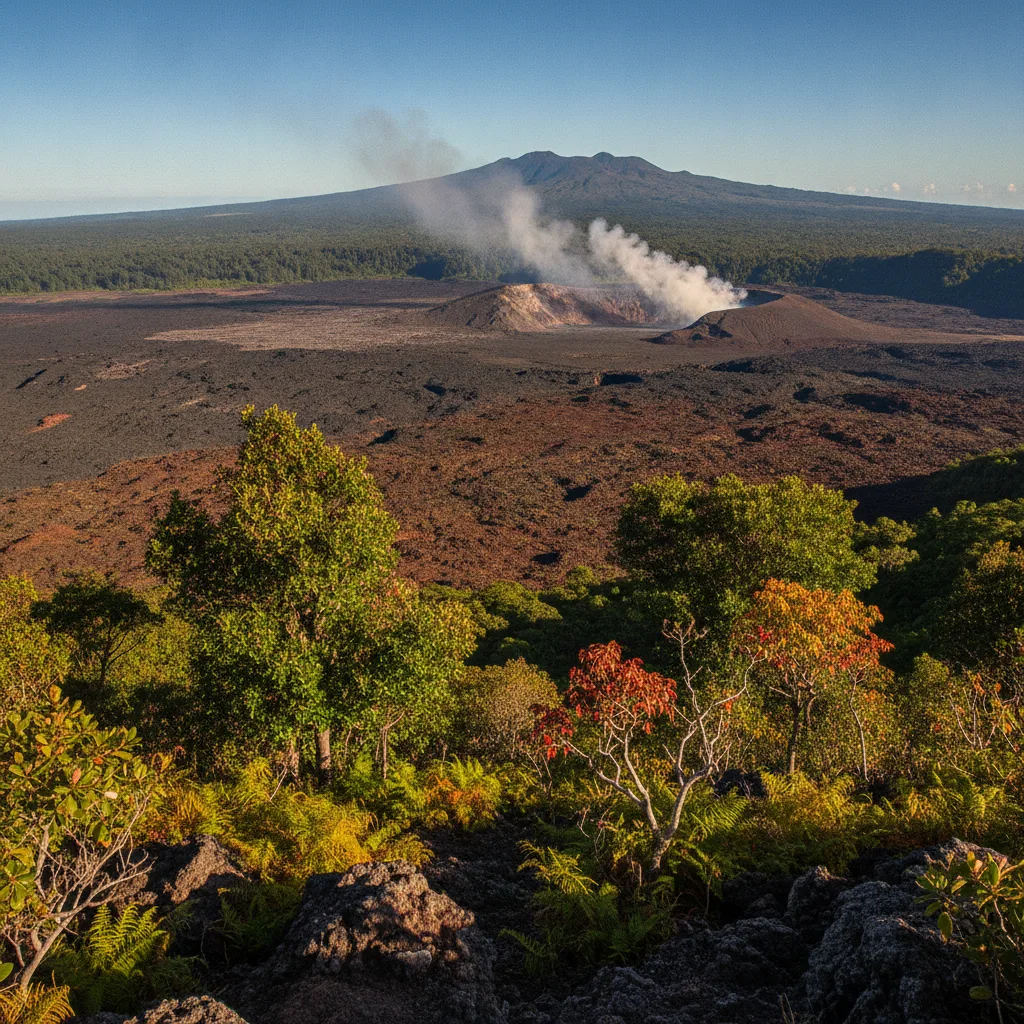
Hawaii Volcanoes NP Travel Guide — Hawaii
For those seeking an unparalleled encounter with raw geological power, a visit to Hawaii Volcanoes NP Hawaii is an essential journey. Our team at Roam States has meticulously compiled this guide to help you navigate the dynamic landscapes, from steaming vents to solidified lava flows, ensuring your adventure is both awe-inspiring and well-prepared. We delve into the practicalities of visiting, offering specific details on everything from park access to the best ways to experience this UNESCO World Heritage Site.
Why Visit Hawaii Volcanoes NP
Hawaii Volcanoes National Park is a place where the Earth's creation is a visible, ongoing process. We recommend a visit to witness two of the world's most active volcanoes, Kīlauea and Mauna Loa, which continuously shape the landscape. This isn't just a static natural wonder; it's a living laboratory where you can observe volcanic activity, explore vast lava fields, and trek through lush rainforests that thrive on volcanic soil. The park offers a unique opportunity to connect with the powerful forces that have formed the Hawaiian Islands, providing a profound sense of scale and geological time.
Beyond the dramatic volcanic features, the park is a sanctuary of unique ecosystems and cultural sites. It's a designated International Biosphere Reserve and a UNESCO World Heritage Site, protecting rare native species and ancient Hawaiian traditions. We believe that experiencing the ever-changing environment, from the stark beauty of recent lava flows to the vibrant life in a lava tube, offers an unforgettable perspective on our planet's natural history.
Who It's Best For
Hawaii Volcanoes National Park appeals to a wide range of travelers, but we find it particularly suited for adventurers, nature enthusiasts, and those with a keen interest in geology and Hawaiian culture. Hikers will revel in the diverse National Park Service trails that traverse craters, rainforests, and lava landscapes. Families with curious children will appreciate the educational opportunities, from junior ranger programs to exploring lava tubes. Photographers will discover endless dramatic vistas, especially during sunrise, sunset, or if lava glow is visible.
While some areas require physical exertion, many viewpoints and shorter walks are accessible to visitors of all abilities. We also recommend it for those seeking a profound connection with the natural world, far from the typical beach resort experience. It's an ideal destination for anyone looking to understand the raw power and delicate balance of nature on the Big Island of Hawaii.
Getting There & Parking
Understanding how to get to Hawaii Volcanoes NP is straightforward, as the park is located on the southeastern side of the Big Island. From Hilo, it's approximately a 30-mile drive southwest on Highway 11, taking about 45 minutes. If you're coming from Kailua-Kona, expect a longer journey of about 96 miles southeast on Highway 11, which typically takes 2 to 2.5 hours. Alternatively, a scenic route through Waimea and Hilo via Highways 19 and 11 can take 2.5 to 3 hours.
For parking, we can confirm that it operates on a first-come, first-served basis, and there is no separate parking fee beyond the park entrance fee. You'll find summit-area lots near Kīlauea viewpoints and short walks, as well as numerous pullouts and parking areas along Chain of Craters Road. However, we advise arriving early, especially before 9:00 AM, as popular spots like the Kīlauea Iki Overlook and Thurston Lava Tube parking areas fill up quickly. It's important to note that the Kīlauea Visitor Center, its restrooms, and most adjacent parking are currently closed for major renovations, expected to reopen in late 2026. During this time, visitor information has moved to a Welcome Center at Kīlauea Military Camp (KMC) nearby, and additional parking has been opened by the ball field, though overall summit-area parking remains limited.
Top Things to Do
There are countless things to do at Hawaii Volcanoes NP, offering a diverse array of experiences for every visitor. Our team suggests starting your adventure at the Welcome Center (located at Kīlauea Military Camp during Kīlauea Visitor Center renovations), where you can get the latest updates on volcanic activity, trail conditions, and ranger programs.
- Witness Kīlauea's Summit: The Halemaʻumaʻu crater is the heart of Kīlauea's summit activity. While the immediate eruption area is closed due to hazards, numerous safe, open viewpoints along the caldera rim offer excellent viewing opportunities. As of July 2026, Kīlauea's summit eruption is currently paused, but forecasts indicate another lava fountaining episode (episode 51) is likely between July 13 and July 15. The glow from the vents can be particularly striking at night.
- Explore Nāhuku (Thurston Lava Tube): This popular attraction allows you to walk through a massive lava tube formed by a flowing river of lava. We recommend this unique experience, but be aware that the bridge and the first 50 feet of the cave are closed until the end of June 2026 for bridge replacement; the rest of the tube is accessible one-way from the east exit.
- Drive Chain of Craters Road: This scenic 19-mile drive descends from the summit to the coast, offering stunning views of solidified lava flows, pit craters, and a dramatic sea arch. There are numerous pullouts for photo opportunities and short walks.
- Hike the Sulphur Banks (Haʻakulamanu): This easy 1.2-mile (2 km) round-trip trail showcases steaming cracks and colorful mineral deposits, offering a direct encounter with volcanic gases.
- Walk the Devastation Trail: Experience the stark beauty of an area covered by fallout from the 1959 Kīlauea Iki eruption. This paved, accessible trail offers a glimpse into volcanic recovery.
- Visit the Kahuku Unit: This lesser-visited but equally fascinating part of the park offers diverse landscapes, from coastal areas to upland pastures. The Kahuku Unit is open Thursday to Sunday from 8:00 AM to 4:00 PM.
- Stargaze: With minimal light pollution, the park is an exceptional spot for stargazing, especially along Crater Rim Drive after dark.
These things to do at Hawaii Volcanoes NP provide a comprehensive look at the park's geological and ecological wonders. Remember to check the official park website for current conditions and any temporary closures before your visit, as volcanic activity and weather can quickly change access.
Best Time to Visit
We believe the best time to visit Hawaii Volcanoes National Park is generally in the morning, ideally before 9:00 AM. Arriving early helps you avoid the crowds that typically arrive from Kona around 10:00 AM, making parking easier at popular trailheads and viewpoints. The cooler temperatures and clearer skies in the morning also make it ideal for hiking and scenic drives.
The park is open 24 hours a day, 7 days a week, all year long, allowing for incredible nighttime experiences like stargazing or observing any potential lava glow from Kīlauea's summit. Weather at the Kīlauea summit (around 4,000 feet elevation) can be rainy and chilly any time of year, with temperatures 12 to 15 degrees cooler than at sea level. The coastal plain along Chain of Craters Road is often hot, dry, and windy. Therefore, we recommend packing layers regardless of the season. While volcanic activity is unpredictable, Kīlauea has been erupting intermittently since December 2024, with nearly 50 fountaining eruptions, so there's a good chance of witnessing some form of activity. Always check the park's official alerts and conditions page for the latest updates on volcanic activity and air quality, as vog (volcanic gas) can impact visibility and health, especially for those with respiratory sensitivities.
Where to Stay Nearby
To truly maximize your time exploring Hawaii Volcanoes NP, we recommend staying in or very close to the park. This allows for early morning starts and evening visits to see potential lava glow without a long drive.
- Volcano House: Located directly within the park, Volcano House is the only hotel inside Hawaii Volcanoes National Park. It offers unparalleled views of Kīlauea caldera and convenient access to trails and overlooks. We advise booking well in advance, as rooms are limited.
- Volcano Village: Just a 5-minute drive from the park entrance, Volcano Village is a charming community offering a variety of vacation rentals, B&Bs, and guesthouses. It's an excellent base for multi-day visits, providing dining options and a local, rainforest-shrouded atmosphere.
- Kīlauea Military Camp (KMC): For eligible military personnel and their families, KMC offers lodging within the park boundaries. It also hosts the temporary Welcome Center during the Kīlauea Visitor Center renovations.
- Hilo: Approximately 45 minutes northeast of the park, Hilo is a larger town with more extensive accommodation options, including hotels, vacation rentals, and restaurants. It's a good choice if you plan to explore other East Hawaii attractions like Akaka Falls State Park.
For those interested in camping, see our dedicated section on Hawaii Volcanoes NP camping below. We also encourage you to explore other incredible destinations across the island and the state. For more ideas, check out our guide to the Best places in Hawaii.
Sample 2-Day Itinerary
To fully immerse yourselves in the wonders of Hawaii Volcanoes NP, our team suggests a two-day itinerary, allowing ample time for both the summit and coastal areas, plus a chance to see the park at night.
Day 1: Kīlauea Summit & Crater Rim
- Morning (Early Start): Arrive at the park early, ideally before 8:00 AM, to secure parking and beat the crowds. Head to the temporary Welcome Center at Kīlauea Military Camp for the latest park conditions and maps.
- Late Morning: Explore the Kīlauea summit area. Walk to the Halemaʻumaʻu overlooks for views of the active crater. Visit the Steam Vents and Sulphur Banks (Haʻakulamanu) trail for an up-close look at volcanic gases.
- Lunch: Enjoy a picnic lunch in the park or dine at Volcano House.
- Afternoon: Hike the Kīlauea Iki Trail. This moderate 3.6-mile loop descends through a rainforest to the floor of a solidified lava lake, a truly unique experience. Alternatively, for a shorter walk, explore the Devastation Trail.
- Evening: Return to the Halemaʻumaʻu overlooks after dark to witness the mesmerizing glow from the crater, if Kīlauea is actively erupting.
Day 2: Chain of Craters Road & Kahuku Unit
- Morning: Drive the scenic Chain of Craters Road. Stop at various overlooks to admire past lava flows and coastal features. Hike to the Puʻuloa Petroglyphs, an ancient field of rock carvings.
- Lunch: Pack a lunch to enjoy at one of the scenic pullouts along Chain of Craters Road, as dining options are limited here.
- Afternoon: Head to the Kahuku Unit (open Thursday-Sunday, 8:00 AM - 4:00 PM). This expansive area offers different hiking opportunities through diverse landscapes, from coastal trails to forested paths, providing a quieter experience away from the main summit crowds.
- Late Afternoon: Consider a visit to a local coffee farm or explore the charming shops and galleries in Volcano Village before heading to your next destination or returning to your accommodation.
Is It Worth Visiting?
Our team unequivocally believes that is Hawaii Volcanoes NP worth visiting. This national park offers an unparalleled opportunity to witness the raw power of creation and destruction, making it a truly unique destination not just in Hawaii, but globally. Where else can you walk across a solidified lava lake, peer into an active volcanic crater, and explore a vast lava tube, all within the same day? The dynamic nature of the landscape, constantly reshaped by Kīlauea and Mauna Loa, ensures that every visit offers a fresh perspective.
Beyond the dramatic volcanic scenery, the park is a living classroom for geology, biology, and Hawaiian culture. We find that the educational programs, the chance to see rare endemic species, and the deep cultural significance of the land make the experience incredibly enriching. While volcanic activity can be unpredictable, the sheer scale and beauty of the park's features, from steam vents to black sand beaches (accessible outside the park), make it a worthwhile trip even if lava isn't actively flowing. For anyone seeking an adventure that connects them deeply with the Earth's processes and Hawaii's natural heritage, the answer to is Hawaii Volcanoes NP worth visiting is a resounding yes.
Hawaii Volcanoes NP Hiking Trails
Exploring the Hawaii Volcanoes NP hiking trails is one of the most rewarding ways to experience the park's diverse landscapes. We recommend a variety of trails suitable for different fitness levels, each offering unique insights into volcanic geology and ecosystems.
- Kīlauea Iki Crater Loop Trail: This is arguably the most iconic hike in the park. It's a moderate 3.6-mile (5.8 km) loop that descends 400 feet through a lush rainforest to the floor of Kīlauea Iki crater, which was a churning lava lake in 1959. You'll walk across the solidified lava, marveling at steam vents, before climbing back up to the rim. It typically takes about 1 hour 42 minutes to complete.
- Crater Rim Trail: Portions of this trail are open and offer stunning views along the edge of the Kīlauea caldera. It's a 5.2-mile (8.4 km) trail that can be completed in about 2 hours 26 minutes, leading through rainforest and along the caldera rim. Note that some sections, particularly west of Kīlauea Military Camp, may be closed due to tephra cleanup or renovations.
- Haʻakulamanu (Sulphur Banks) Trail: An easy 1.2-mile (2 km) round-trip walk from the Kīlauea Visitor Center parking lot, this trail showcases steaming cracks and colorful mineral deposits.
- Devastation Trail: This easy, paved 1-mile (1.6 km) round-trip walk takes you through an area covered by cinders from the 1959 Kīlauea Iki eruption, offering stark views of volcanic recovery.
- Puʻuloa Petroglyphs Trail: Located off Chain of Craters Road, this 1.4-mile (2.2 km) round-trip trail leads to one of Hawaii's largest concentrations of petroglyphs, offering a glimpse into ancient Hawaiian culture.
Before embarking on any of the Hawaii Volcanoes NP hiking trails, we strongly advise checking the park's official website for current alerts, trail closures, and air quality conditions. Volcanic gases (vog) can be hazardous, and conditions can change rapidly. We also recommend sturdy closed-toe shoes, plenty of water, sun protection, and layers of clothing, as weather can vary significantly with elevation.
Hawaii Volcanoes NP Camping
For those looking to extend their stay and fully immerse themselves in the park's natural beauty, Hawaii Volcanoes NP camping offers a unique experience. The park provides several options, though current conditions and availability vary.
- Kulanaokuaiki Campground: This drive-in campground is located off Hilina Pali Road and operates on a first-come, first-served basis. It has a limited number of sites, and a modest nightly fee is paid at a self-registration station, in addition to the park entrance fee. We recommend arriving early for the best chance of securing a spot, especially during busy seasons.
- Nāmakanipaio Campground: Operated by Hawaiʻi Volcanoes Lodge Company, Nāmakanipaio offers both tent camping and rustic A-frame cabins. However, we must inform you that tent camping at Nāmakanipaio is currently closed due to storm and volcanic activity damage from March 2026. The A-frame cabin accommodations, however, remain open and generally require advance reservations through Volcano House or their booking partners.
- Kahuku–Pōhue Unit Expansion: Excitingly, 2026 brings a significant expansion of primitive camping options within the Kahuku–Pōhue unit. This 16,000-acre area will open selected portions of its rugged coastline to overnight guests for the first time, adding thirteen new hike-in tent sites in Upper and Lower Kahuku. These small-capacity sites are designed for low-impact stays and require advance reservations.
- Backcountry Camping: For experienced hikers seeking solitude, backcountry camping is available in various remote areas of the park. Visitors must obtain a wilderness permit for overnight camping, which can be reserved up to 90 days in advance through Recreation.gov. A use limit system is in place to disperse visitors and ensure solitude.
When planning your Hawaii Volcanoes NP camping trip, remember that campfires are generally only permitted in designated barbecue pits (like at Nāmakanipaio). Backpacking stoves with on/off valves are permissible for backcountry use. Always check the official NPS website and Recreation.gov for the most up-to-date information on campground status, closures, fees, and reservation requirements, as conditions can change.
Last updated: 2026-07-12 by the Roam States team.