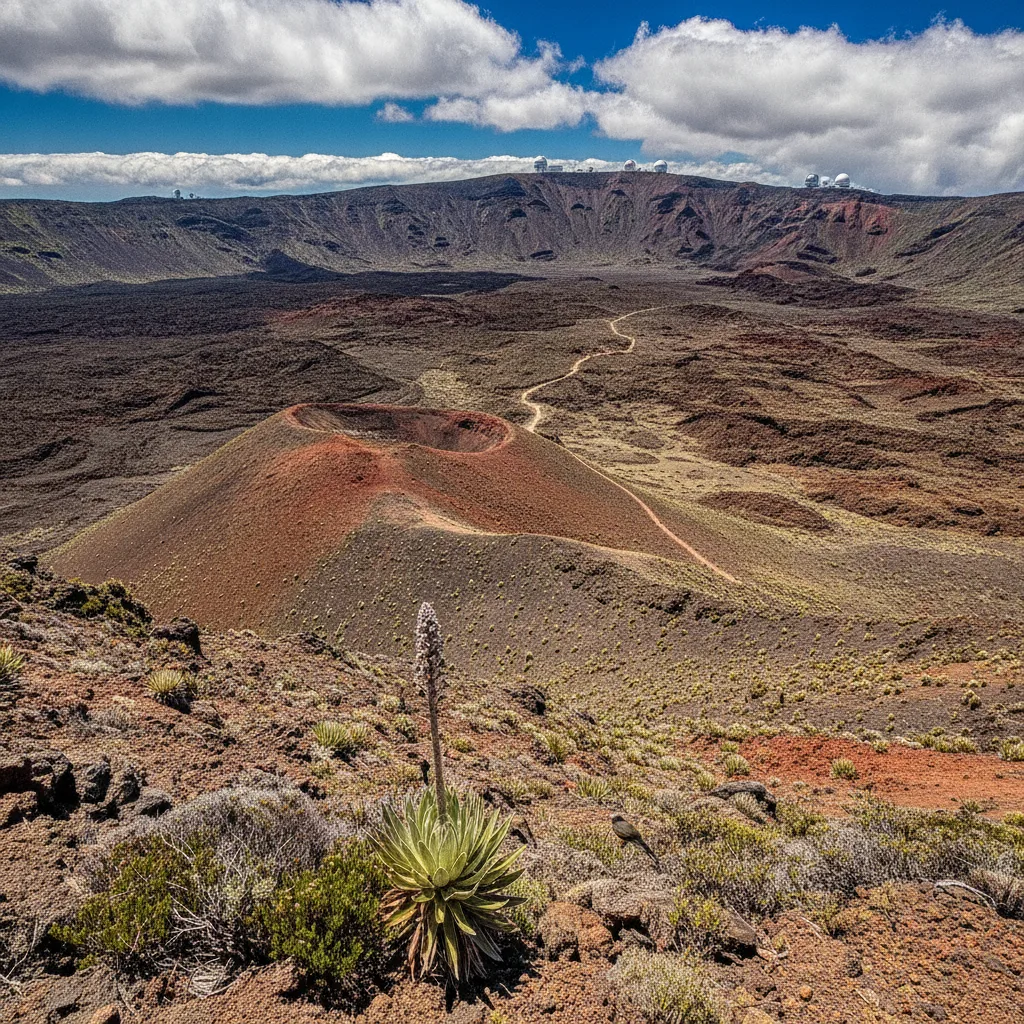
For those seeking an otherworldly encounter with nature, a visit to Haleakala National Park Hawaii is an absolute must. Our team at Roam States has compiled this comprehensive guide to help you navigate the towering "House of the Sun" on Maui, from its breathtaking volcanic summit to its lush coastal rainforest. We cut through the generic travel fluff to bring you specific, actionable advice for planning an unforgettable trip in 2026, ensuring you experience the true magic of this iconic national park.
Why Visit Haleakala National Park
Haleakalā National Park stands as a testament to Maui's dramatic geological history and vibrant cultural heritage. Rising over 10,000 feet above sea level, the dormant shield volcano offers an unparalleled spectrum of experiences, from the stark, moon-like landscapes of its summit crater to the verdant, waterfall-laden valleys of its Kīpahulu District. We recommend visiting for the sheer diversity and raw beauty that few places on Earth can match.
The park is a place of profound significance to Native Hawaiians, who have long revered Haleakalā as a sacred space. Its name, "House of the Sun," comes from the legend of the demigod Maui, who is said to have lassoed the sun from its summit to lengthen the day. This spiritual connection imbues the landscape with a powerful sense of place that resonates with visitors. Beyond its cultural importance, Haleakalā National Park is a critical habitat for numerous endemic species, including the striking ʻāhinahina (Haleakalā silversword) and the nēnē (Hawaiian goose), offering unique opportunities for wildlife viewing and appreciation of Hawaii's fragile ecosystems.
Who It's Best For
Haleakalā National Park caters to a wide array of travelers, but it truly shines for those who appreciate natural grandeur and seek active exploration. Early risers and photographers will find the sunrise spectacle from the summit to be an unparalleled experience, though it requires advance planning. Stargazers will be captivated by some of the clearest night skies in the world, far removed from urban light pollution. Hikers, from casual strollers to seasoned backpackers, will discover a network of trails traversing diverse ecosystems, from volcanic cinder cones to dense rainforests. Families with older children will find educational opportunities and memorable adventures, while those with limited mobility can still enjoy panoramic views from accessible overlooks.
It's important to note that the park's two main districts—the Summit and Kīpahulu—offer vastly different environments. The Summit District, with its high elevation and often chilly, windy conditions, appeals to those drawn to dramatic vistas and unique alpine desert flora. The Kīpahulu District, on the other hand, is a subtropical paradise of lush trails and cascading waterfalls, ideal for those who prefer warmer, wetter climates and a more tropical hiking experience. We believe that a well-planned visit, perhaps split over two days, can allow nearly anyone to find their niche within this remarkable park.
Getting There & Parking
Understanding how to get to Haleakala National Park and its parking situation is crucial for a smooth visit. The park is divided into two distinct districts: the Summit District and the Kīpahulu District. Most visitors access the Summit District via Crater Road (Highway 378) from Upcountry Maui. The drive from Kahului to the summit takes approximately 1.5 hours, winding through diverse landscapes as you ascend. The Kīpahulu District, located on the eastern side of Maui, is typically accessed via the scenic Road to Hana, a journey that can take around 3 hours from Kahului. We strongly recommend fueling up your vehicle before entering either district, as there are no gas stations within the park or immediately nearby.
Parking is included with your park entrance fee, but there are specific considerations, especially for popular times. For sunrise viewing in the Summit District, a separate vehicle reservation is mandatory for entry between 3:00 AM and 7:00 AM. These reservations, costing $1 per vehicle, must be secured in advance through Recreation.gov and are released 60 days out at 7:00 AM HST, with a smaller batch released 48 hours prior. We advise arriving 60-90 minutes before sunrise to secure a good viewing spot, as parking lots can fill quickly. Be aware that as of January 12, 2026, the Haleakalā Visitor Center parking lot at the summit has limited parking due to a water infrastructure project, which is expected to last several months. During sunset, parking can also be challenging, and the National Park Service recommends arriving three hours early to ensure a spot, as vehicles may be turned away once capacity is reached. For the Kīpahulu District, a spacious day-use parking lot is available near the visitor center, and you're more likely to find a spot if you arrive earlier in the day. Parking at both districts is cashless, so be prepared with a credit or debit card for the entrance fee if you don't have an annual pass.
Top Things to Do
When considering things to do at Haleakala National Park, the sheer variety can be overwhelming. Our team recommends prioritizing experiences that align with your interests, whether that's chasing the sunrise, exploring volcanic landscapes, or discovering lush rainforests. Here are our top picks for things to do at Haleakala National Park:
- Witness a Summit Sunrise: This iconic experience draws visitors from around the globe. Watching the sun ascend above a sea of clouds from 10,023 feet is truly unforgettable. Remember, a reservation is required for vehicles entering the Summit District between 3:00 AM and 7:00 AM. Dress warmly, as temperatures can be near freezing.
- Explore the Crater Floor: For a truly immersive experience, descend into the Haleakalā Crater. The Sliding Sands Trail (Keoneheʻeheʻe Trail) offers a challenging but rewarding journey into the heart of the volcano, allowing you to walk among cinder cones and unique high-altitude flora.
- Stargazing: After sunset, the summit transforms into an astronomer's dream. With minimal light pollution and high elevation, the night sky over Haleakalā is breathtaking. We recommend bringing binoculars or a telescope for an enhanced view.
- Hike the Pīpīwai Trail in Kīpahulu: Located in the park's lush Kīpahulu District, this 4-mile round-trip trail leads you through a bamboo forest, past the stunning Makahiku Falls, and culminates at the magnificent Waimoku Falls. It's a stark contrast to the summit's arid environment and a highlight for many visitors.
- Visit the Pools of ʻOheʻo (Seven Sacred Pools): Also in the Kīpahulu District, these tiered pools are a popular attraction. While swimming in the pools is currently not accessible, you can still enjoy views from the Kūloa Point Trail.
- Catch a Summit Sunset: If an early morning isn't for you, the sunset from Haleakalā's summit is equally spectacular, offering a different palette of colors across the crater and clouds. While no reservation is needed for sunset, parking can still be competitive.
Haleakala National Park Hiking Trails
The diverse landscapes of Haleakalā National Park offer an incredible array of hiking opportunities, from short, accessible strolls to strenuous multi-day treks. Exploring the Haleakala National Park hiking trails is one of the best ways to truly connect with this unique environment.
- Sliding Sands Trail (Keoneheʻeheʻe Trail): This is arguably the most famous of the Haleakala National Park hiking trails. Starting near the summit, it descends into the crater, offering an unparalleled experience of the volcanic landscape. You can choose to hike a shorter out-and-back section, or for the truly adventurous, a full day or overnight trip into the wilderness. The trail is challenging, with significant elevation changes, and conditions can vary drastically from cold and windy at the top to hot and dry on the crater floor.
- Halemauʻu Trail: Another popular crater trail, the Halemauʻu Trail offers a different perspective of the wilderness. It's often recommended for a "hitchhike hike," where you park at the Halemauʻu trailhead, hitchhike up to the Sliding Sands trailhead, and then hike down Sliding Sands and out via Halemauʻu, ending back at your car. The views along this trail are expansive, showcasing the crater's vastness.
- Pīpīwai Trail: Located in the Kīpahulu District, this 4-mile round-trip trail is a highlight for its lush, tropical scenery. It winds through a dense bamboo forest, crosses a picturesque bridge, and provides stunning views of Makahiku Falls and the grand Waimoku Falls. The trail is generally moderate but can be slippery after rain.
- Kūloa Point Trail: Also in the Kīpahulu District, this easy 0.5-mile loop trail leads to the famous Pools of ʻOheʻo. While swimming is currently prohibited, the trail offers beautiful coastal views and access to the cultural site of Kūloa Point.
- Hosmer Grove Loop Trail: Near the Hosmer Grove Campground in the Summit District, this short, easy 0.5-mile loop trail is perfect for birdwatching, especially for spotting native Hawaiian forest birds.
When embarking on any of the Haleakala National Park hiking trails, we strongly advise carrying plenty of water, wearing layers of clothing, and being prepared for rapid weather changes. Always check current trail conditions and alerts on the official NPS website before heading out.
Best Time to Visit
Determining the best time to visit Haleakalā National Park depends largely on your priorities, as the park offers distinct experiences throughout the year. Generally, Maui enjoys a pleasant tropical climate, but conditions at the summit can be dramatically different from the coast. Temperatures at the summit can be 30-50°F colder than at sea level, often dropping to near freezing, especially for sunrise viewing.
For those aiming to catch the iconic sunrise, any time of year can be spectacular, but reservations are always required for entry between 3:00 AM and 7:00 AM. Peak season (June-August) sees reservations sell out within minutes. Winter months (November-March) can bring colder temperatures and a higher chance of rain or even snow at the summit, which can occasionally lead to park closures due to severe weather. However, clear winter mornings offer incredibly crisp views. Spring (April-May) and Fall (September-October) often provide a good balance of pleasant weather and slightly fewer crowds, making them excellent choices for both summit and Kīpahulu District exploration.
If your primary interest is hiking in the Kīpahulu District, the warmer, wetter conditions are consistent year-round, though heavy rains can make trails muddy. The district is open daily from 9:00 AM to 5:00 PM. For stargazing, clear nights are essential, and the dry season (April-October) generally offers the best chances for unobstructed views. Regardless of when you visit, we always recommend checking the official National Park Service website for current weather conditions and any alerts or closures before your trip, as conditions can change rapidly.
Where to Stay Nearby
While there is no lodging within Haleakalā National Park itself, several charming towns and areas on Maui offer convenient access to the park's two districts. Your choice of accommodation will likely depend on whether you plan to focus on the Summit District or the Kīpahulu District, or both.
For visitors primarily interested in the Summit District, particularly for sunrise or sunset viewing, staying in Upcountry Maui significantly reduces driving time. Towns like Kula and Makawao offer a more rural, authentic Hawaiian experience, with boutique inns, bed and breakfasts, and vacation rentals. These areas provide a tranquil escape from the bustling coastal resorts and are closer to the park entrance. Driving from Kula to the summit can take around 30 minutes.
If you're staying in the more popular resort areas of West Maui (like Lahaina or Ka'anapali) or South Maui (like Kihei or Wailea), expect a longer drive of 1.5 to 2 hours to reach the Summit District entrance. While these areas offer a wider range of hotels, restaurants, and beach activities, the early wake-up call for sunrise will be even earlier.
For those focusing on the Kīpahulu District, staying closer to Hana on the eastern side of Maui is ideal. Hana offers a few guesthouses and vacation rentals, providing a truly remote and immersive experience in East Maui's lush landscape. However, options are limited, and booking well in advance is essential. Alternatively, many visitors explore Kīpahulu as part of a day trip along the Road to Hana, returning to accommodations elsewhere on the island.
Consider looking into vacation rentals or small, locally-owned accommodations to enhance your authentic Maui experience. For a broader overview of places to stay on the island, consult the Hawaii Tourism Authority website.
Haleakala National Park Camping
For a truly immersive experience, Haleakala National Park camping offers a unique opportunity to connect with the park's stunning natural beauty. Our team highly recommends considering an overnight stay to fully appreciate the serene nights and early mornings within this incredible landscape. There are several options for Haleakala National Park camping, each requiring advance reservations.
In the Summit District, Hosmer Grove Campground is the only drive-in campsite available. It's located at approximately 7,000 feet in elevation, which means you'll be significantly closer to the summit for sunrise viewing, cutting down on your pre-dawn drive. Hosmer Grove offers tent-only sites and requires reservations through Recreation.gov, available on a rolling 30-day basis. Be prepared for cold and wet weather, as nighttime temperatures can drop to near freezing. As of September 30, 2025, there is no water available at Hosmer Grove due to a waterline break, though water is accessible at the Headquarters Visitor Center a mile away. Each campsite includes a picnic table and grill, and allows for one vehicle in a designated parking space, with an additional vehicle in overflow parking.
In the Kīpahulu District, the Kīpahulu Campground offers another drive-in option, providing a completely different camping experience amidst lush, tropical surroundings near the coast. Reservations are also required via Recreation.gov and are available on a rolling 30-day window. This campground is ideal for exploring the Pīpīwai Trail and the Pools of ʻOheʻo.
For the adventurous backpacker, Haleakalā National Park also offers primitive wilderness tent camping at Hōlua and Palikū, accessible only by trail within the crater. Additionally, there are three wilderness cabins—Hōlua, Palikū, and Kapalaoa—that can be reserved for overnight stays. Reservations for both wilderness tent sites and cabins are highly competitive and can be made up to six months in advance through Recreation.gov. Wilderness tent camping costs $20 per night, while cabins are $75 per night. All overnight camping within the park is limited to three nights per 30-day period across all park sites. Pets are not permitted in or around campsite facilities.
Sample 2-Day Itinerary
To help you make the most of your visit to Haleakalā National Park, our team has crafted a sample 2-day itinerary, designed to showcase the diverse beauty of both the Summit and Kīpahulu Districts.
Day 1: Summit District & Stargazing
- Pre-Dawn: Wake up early (very early!) to make your way to the Summit District. Ensure you have your sunrise reservation for entry between 3:00 AM and 7:00 AM. Arrive 60-90 minutes before sunrise to secure a prime viewing spot at one of the overlooks, such as Puʻu ʻUlaʻula (the true summit) or the Haleakalā Visitor Center. Dress in warm layers—it will be cold!
- Morning: After the breathtaking sunrise, explore the summit area. Take a short, easy walk on the Pa Kaʻoao (White Hill) trail near the visitor center for more panoramic views. Consider a short descent into the crater via the Sliding Sands Trail (Keoneheʻeheʻe Trail) for a taste of the otherworldly volcanic landscape. Remember that hiking down is easier than hiking back up!
- Mid-Day: Begin your descent from the summit. Stop at the Headquarters Visitor Center (check for current operating hours and temporary closures) for exhibits and information. You might also explore the short Hosmer Grove Loop Trail for birdwatching if time permits.
- Afternoon: Head back to your accommodation in Upcountry Maui or along the coast for some rest and a hearty meal.
- Evening: Return to the Summit District for an evening of stargazing. The lack of light pollution makes Haleakalā one of the best places in the world to view the night sky. No reservation is needed for sunset or stargazing after 7:00 AM.
Day 2: Kīpahulu District & Coastal Beauty
- Morning: Embark on the scenic Road to Hana, making your way to the Kīpahulu District of Haleakalā National Park. This drive is an adventure in itself, with numerous stops for waterfalls and scenic overlooks. Allow ample time for the journey.
- Late Morning/Afternoon: Arrive at the Kīpahulu Visitor Center (open 9:00 AM - 5:00 PM) and begin your exploration. Hike the popular Pīpīwai Trail, a moderate 4-mile round-trip journey through a bamboo forest to the impressive Waimoku Falls.
- Late Afternoon: Walk the Kūloa Point Trail to see the Pools of ʻOheʻo, also known as the Seven Sacred Pools. While swimming is currently prohibited, the views are still stunning.
- Evening: Enjoy the drive back along the Road to Hana, or if you've opted for accommodation in Hana, settle in for a tranquil evening in this remote corner of Maui.
Expert Verdict: This itinerary allows you to experience the dramatic contrasts within Haleakalā National Park, from its high-altitude volcanic landscapes to its lush coastal rainforests. Remember to book your sunrise reservation and any camping well in advance, and always check the official park website for the latest conditions and alerts before and during your visit.
Frequently Asked Questions
things to do in Maui
Beyond Haleakalā National Park, Maui offers a diverse range of activities. Our team recommends exploring the stunning beaches like Ka'anapali Beach & Black Rock, driving the iconic Road to Hana, or visiting the charming towns of Lahaina and Paia. You can also snorkel at Molokini Crater, learn about local agriculture at the Ali'i Kula Lavender Farm, or even explore other Hawaiian gems like Hawaii Volcanoes National Park on the Big Island. For a comprehensive guide, check out our recommendations for Best places in Hawaii.
Haleakala National Park with kids
Visiting Haleakalā National Park with kids can be a fantastic adventure, provided you plan accordingly. For sunrise, ensure children are bundled in many warm layers, as the cold can be intense. The Pa Kaʻoao (White Hill) trail near the summit visitor center is an easy, short walk suitable for families with young children. In the Kīpahulu District, the Pīpīwai Trail offers an engaging hike through a bamboo forest, but be mindful of its length and elevation gain for smaller children. Always carry plenty of snacks and water, and be aware of potential altitude sickness symptoms at the summit.
Haleakala National Park tips
Our top Haleakala National Park tips for a seamless visit include: 1) Secure your sunrise reservation exactly 60 days in advance at 7:00 AM HST via Recreation.gov. 2) Dress in multiple warm layers for the summit, even if it's hot at the coast, and bring a hat and gloves. 3) Carry plenty of water and snacks, as services are limited within the park. 4) Be prepared for potential altitude sickness at the summit, and descend if symptoms arise. 5) Check the official NPS website for current alerts, closures, and weather conditions before and during your visit. 6) Plan to visit both the Summit and Kīpahulu Districts on separate days to fully appreciate their distinct offerings.
Haleakala National Park parking
Haleakala National Park parking is included with your entrance fee, but specific rules apply. For summit sunrise (3:00 AM - 7:00 AM), a separate $1 vehicle reservation is required and must be booked in advance on Recreation.gov. Parking lots at the summit, especially for sunrise and sunset, can fill to capacity, and rangers may turn vehicles away. As of January 12, 2026, there are limited parking spaces at the Haleakalā Visitor Center due to a water infrastructure project. We recommend arriving 60-90 minutes before sunrise to ensure a spot. For sunset, arrive three hours early during busy periods. The Kīpahulu District has a large day-use parking lot that typically has space, especially if you arrive earlier in the day.
best time to visit Haleakala National Park
The best time to visit Haleakala National Park depends on your desired experience. For iconic sunrises and stargazing, any time of year with clear skies is excellent, but spring (April-May) and fall (September-October) often offer a good balance of weather and crowd levels. For hiking in the Kīpahulu District, the consistent tropical weather means it's generally pleasant year-round, though be prepared for rain. Summer (June-August) is peak season, meaning higher crowds and quicker sell-outs for sunrise reservations. Winter (November-March) can bring colder, wetter conditions to the summit and potential closures due to severe weather. Always check current weather and park conditions before your trip.
Haleakala National Park hours and fees
Haleakala National Park hours and fees are important to know for planning. The park is open 24 hours a day, year-round, except for temporary closures due to severe weather. The Kīpahulu District operates daily from 9:00 AM to 5:00 PM. The entrance fee is $30 per private vehicle, $25 per motorcycle, or $15 per person, valid for three days. This fee is cashless and can be paid by credit or debit card. A separate $1 vehicle reservation is required for entry into the Summit District between 3:00 AM and 7:00 AM for sunrise viewing, which must be booked in advance via Recreation.gov.
From the fiery hues of a pre-dawn sky to the tranquil beauty of a bamboo forest, Haleakalā National Park offers a journey unlike any other. We hope this guide empowers you to plan a confident and specific adventure, ensuring your visit to this sacred Hawaiian landscape is truly remarkable.
Last updated: 2026-07-12 by the Roam States team.