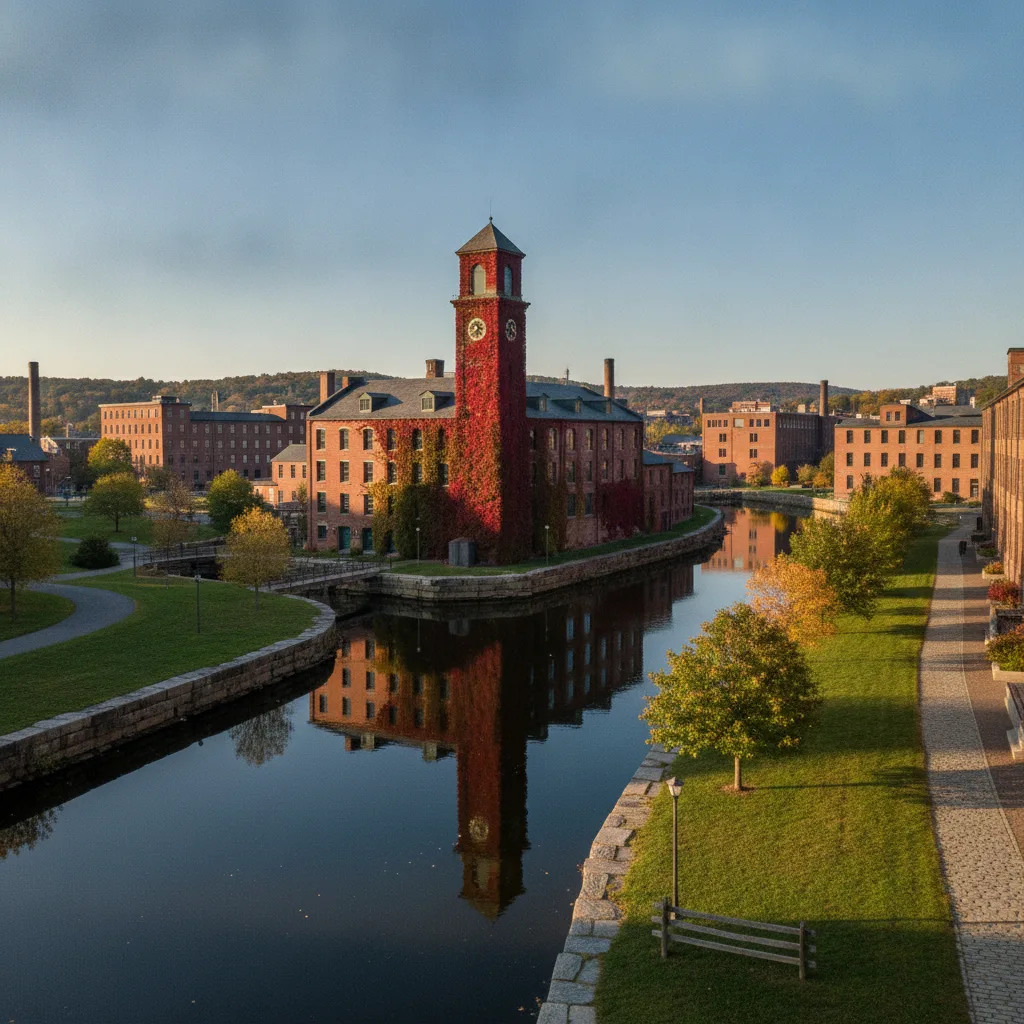
Our Lowell National Historical Park guide covers practical planning for Lowell National Historical Park Massachusetts — best time to visit, getting there, and what to do on the ground. We've spent countless hours exploring America's most significant historical sites, and our team is confident that this guide will equip you with all the necessary details for an enriching visit to this pivotal landmark of the American Industrial Revolution.
Why Visit Lowell National Historical Park
Stepping into Lowell National Historical Park Massachusetts is like traveling back in time to the very crucible of the American Industrial Revolution. This isn't just another dusty museum; it's a living, breathing testament to the ingenuity, labor, and social change that transformed the nation. We believe a visit here offers an unparalleled opportunity to understand the profound impact of the textile industry, the lives of the "mill girls" who powered it, and the intricate canal system that made it all possible.
The park preserves a vast collection of historic mills, canals, and boardinghouses, allowing visitors to grasp the scale and complexity of this early industrial city. It's a place where you can hear the thunderous roar of operating power looms, walk the very paths where mill workers once hurried to their shifts, and gain insight into the social reforms and cultural shifts that emerged from this period. Beyond the historical significance, Lowell itself is a vibrant city with a rich cultural tapestry, making the park a gateway to a broader exploration of Massachusetts history and heritage. For those interested in delving deeper into the state's diverse offerings, consider exploring our guide to the Best places in Massachusetts.
Who It's Best For
Lowell National Historical Park is an ideal destination for history buffs, particularly those with an interest in American industrial history, labor history, and women's history. Educators and students will find it an invaluable resource, offering tangible connections to textbook lessons. Families with older children (ages 8 and up) who can appreciate historical narratives and interactive exhibits will also find it rewarding. The park's blend of indoor and outdoor attractions, including walking tours and boat rides, caters to various interests and energy levels.
However, visitors seeking vast natural landscapes or adrenaline-pumping adventures might find the urban setting and historical focus less appealing. While there are walking paths, they are primarily urban and historical in nature, rather than wilderness trails. Those looking for a more traditional "national park" experience with extensive hiking or camping might prefer destinations like the Cape Cod National Seashore. If your travel interests lean towards historical walking tours and urban exploration, places like The Freedom Trail in Boston offer a similar, though distinct, historical immersion.
Getting There & Parking
How to Get There
Lowell National Historical Park is conveniently located in downtown Lowell, Massachusetts, making it accessible by car and public transportation. If you're driving, the park is situated near major highways. From either Route 495 (Exit 35C) or Route 3 (Exit 30A southbound, or Exit 30B northbound), take the Lowell Connector to Thorndike Street (Exit 5B) and follow the park signs. This makes how to get to Lowell National Historical Park relatively straightforward for those traveling from surrounding areas.
For those utilizing public transport, Lowell is served by the MBTA Commuter Rail, with a station located within walking distance of the park's main attractions. We always recommend checking the latest MBTA schedules for the most up-to-date information on train times. The park's central location in the city means many sites are also accessible on foot once you arrive.
Parking
Parking at Lowell National Historical Park is designed with visitors in mind. Free parking is available for legitimate park visitors at the Hamilton Canal Innovation District parking garage, located at 350 Dutton Street. It's important to note that this garage has a vehicle height restriction of 6'8" or less. To avoid paying a fee upon exit, you must obtain a valid parking voucher at either the Lowell National Historical Park Visitor Center (246 Market Street) or the Boott Cotton Mills Museum (115 John Street). Without this validated voucher, you will be charged the standard city garage rates.
While parking is available on a first-come, first-served basis, booking parking in advance at nearby garages can help make your visit smoother. Our team advises confirming the latest parking regulations, validation policies, and fees with official sources before your visit, as these can change. This ensures you have a hassle-free experience when considering how to get to Lowell National Historical Park and where to leave your vehicle.
Top Things to Do
There are a multitude of things to do at Lowell National Historical Park, offering a deep dive into America's industrial past. Our team recommends dedicating ample time to explore the various sites, as each offers a unique perspective on the city's history.
Boott Cotton Mills Museum
The Boott Cotton Mills Museum is arguably the centerpiece of the park and a must-see. It's the best place to learn about Lowell's industrial past, showcasing the stories of the workers, engineers, inventors, and investors who made Lowell the first successful planned industrial city in the United States. The museum's highlight is its authentic, operating weave room, filled with over eighty historic power looms from the 1920s that still weave cotton cloth. The sheer noise and scale of the machinery offer a visceral experience of what mill girls and immigrant laborers would have encountered. Live loom demonstrations are offered daily, providing insight into the weaving process. The Boott Cotton Mills Museum is open daily from 9 a.m. to 4 p.m. from May 3 to October 17, 2026. Admission is $6 for adults, $4 for seniors (62+), $3 for youths (6-16), and free for children 5 and under.
Guided Tours
To truly understand the park, we highly recommend taking one of the ranger-guided tours. These tours bring the history to life with expert commentary and access to areas you might otherwise miss. Reservations are recommended for most tours and can be made via Recreation.gov. You can also call the park at 978-970-5000 for more information.
- Pawtucket Canal Tour: This 1.5-hour boat tour offers a unique perspective of Lowell's intricate canal system, which was vital to powering the mills. The tour begins at the Visitor Center and involves some walking (up to 0.75 miles) and boarding a canal boat. Note that canal boats are not wheelchair accessible, though collapsible wheelchairs can be stored on board if visitors can manage three steps with assistance. Tours are seasonal, typically running from June through early October, and frequently sell out, so advance reservations are highly recommended.
- Riverboat Tours: Discover the history of the Merrimack River and how the landscape has changed over centuries on these 60-minute tours aboard the Francis Cabot Lowell Riverboat. These tours depart from the UMass Lowell Bellegarde Boathouse (500 Pawtucket Blvd) and require advanced reservations through Recreation.gov. For 2026, Riverboat Tours are scheduled on select Fridays from June 19 to July 31, at 10:00 a.m., 11:00 a.m., 2:00 p.m., and 3:00 p.m. Free parking is available in the adjacent area for the Vandenberg Esplanade and along the shoulder of Pawtucket Boulevard.
- Step into History Walking Tour: This free, ranger-guided walking tour explores various topics that make Lowell special, from its natural environment to urban renewal. In 2026, these tours are offered daily from June 20 to September 12 at 10:00 a.m. and 1:30 p.m., starting from the Visitor Center front desk. Visitors should expect to walk up to 1 mile on paved paths.
- Suffolk Mill Tour: Explore how various factors shaped Lowell's past and present on this free tour, which includes a short trolley ride and a guided visit to the Suffolk Mill Turbine Exhibit. This 90-minute tour involves walking up to 1.5 miles and meets and ends at the Boott Cotton Mills Museum. Reservations can be made on Recreation.gov.
Trolley Rides
Experience Lowell's history by riding one of the park's iconic trolleys. A free trolley shuttle runs between the Boott Cotton Mills Museum and the Suffolk Mill Turbine Exhibit. From June 21 through July 23, 2026, the trolley operates Wednesday through Sunday from 1:00 p.m. to 3:30 p.m., with departures every 20-30 minutes. Morning public runs are also available Wednesday through Sunday from 10:00 a.m. to 11:35 a.m. However, trolley services may be disrupted due to construction, so it's best to check the daily schedule at the trolley stops or the Boott Cotton Mills Museum. Many guided tours incorporate a free trolley ride, adding to the list of things to do at Lowell National Historical Park.
Boardinghouses and Exhibits
Visit the Boott Cotton Mills Museum and the adjacent boardinghouses to gain insight into the daily lives of the mill workers, particularly the famous "mill girls." The "Into an 1840s Boarding House Exhibit" at 40 French Street is open daily from 10 a.m. to 12 noon and 1 p.m. to 4 p.m. from May 3 to July 23, 2026. This provides a tangible connection to the social history of the Industrial Revolution.
Best Time to Visit
We find that the best time to visit Lowell National Historical Park is during the late spring, summer, and early fall months (May through October). During this period, all tours and facilities are typically operating at their fullest schedules, including the popular canal boat tours and trolley rides. The weather is generally pleasant for walking and outdoor exploration, which is crucial given the park's spread-out nature.
Specifically, June through early September offers the most comprehensive experience with daily guided tours and extended hours for some exhibits. However, this is also peak season, so expect larger crowds and consider making tour reservations in advance, especially for boat tours, which frequently sell out. If you prefer fewer crowds and cooler temperatures, late May or early October can be excellent choices, though some seasonal tours might have reduced schedules. The park is closed on Thanksgiving, Christmas Eve, Christmas Day, and New Year's Day.
Where to Stay Nearby
When planning your visit to Lowell National Historical Park Massachusetts, securing comfortable and convenient lodging is key. While Lowell itself offers a few options, many visitors choose to stay in nearby towns which provide a broader selection of hotels, often with better amenities or value. Our team has identified several excellent choices for Lowell National Historical Park lodging.
In Lowell, the Sonesta Select Boston Lowell Chelmsford is a popular option, offering a seasonal outdoor swimming pool and a convenient location. For those seeking more familiar brands, the Hilton Garden Inn Tewksbury Andover and Fairfield Inn by Marriott Boston Tewksbury/Andover are consistently well-regarded and are located a short drive from the park.
Other highly-rated options for Lowell National Historical Park lodging in the surrounding area include the Element by Marriott Chelmsford and Home2 Suites by Hilton Chelmsford Lowell, both offering modern amenities suitable for families or extended stays. These hotels often provide complimentary breakfast and are known for their comfortable accommodations.
For a wider array of choices, including budget-friendly hotels and those with specific features like free parking or pools, you might look slightly further afield in towns like Tewksbury, Chelmsford, Woburn, or Burlington. Always check current reviews and amenities to ensure the best fit for your trip. For a more comprehensive look at accommodation options across the state, our Plan Your US Trip guide offers broader advice on finding lodging.
Sample 2-Day Itinerary
To fully immerse yourselves in the history and attractions of Lowell National Historical Park, we recommend a two-day itinerary. This allows for a comprehensive exploration without feeling rushed.
Day 1: Mills, Canals, and Mill Girl Stories
- Morning (9:00 AM - 1:00 PM): Boott Cotton Mills Museum & Visitor Center
Start your day at the Lowell National Historical Park Visitor Center (246 Market Street). Pick up maps, inquire about tour availability, and watch the introductory film, "Lowell: The Continuing Revolution," a 16-minute documentary about the city's history. Then, head to the Boott Cotton Mills Museum (115 John Street). Spend a good portion of your morning here, experiencing the thunderous weave room demonstrations and exploring the exhibits on industrial technology and labor history. Allow 2-3 hours for a thorough visit.
- Lunch (1:00 PM - 2:00 PM): Downtown Lowell
Enjoy lunch at one of the many local eateries in downtown Lowell, easily accessible from the Boott Cotton Mills Museum.
- Afternoon (2:00 PM - 5:00 PM): Pawtucket Canal Tour & Boardinghouses
In the afternoon, embark on the Pawtucket Canal Tour, departing from the Visitor Center. This 1.5-hour boat tour is a fantastic way to understand the engineering marvel of Lowell's canal system. After the tour, take a self-guided walk to the "Into an 1840s Boarding House Exhibit" at 40 French Street to visualize the living conditions of the mill girls.
- Evening: Explore Downtown Lowell
Dine at a local restaurant and perhaps catch a show or explore some of the city's other cultural attractions.
Day 2: River, Trolleys, and Further Exploration
- Morning (9:30 AM - 12:00 PM): Riverboat Tour & Suffolk Mill
Begin your second day with a Riverboat Tour on the Merrimack River, departing from the UMass Lowell Bellegarde Boathouse. This 60-minute tour offers scenic views and insights into the river's historical significance. Following the riverboat tour, consider the free Suffolk Mill Tour, which includes a trolley ride and a guided visit to the Suffolk Mill Turbine Exhibit, demonstrating how the mills were powered.
- Lunch (12:00 PM - 1:00 PM): Casual Bites
Grab a quick and casual lunch in the downtown area.
- Afternoon (1:00 PM - 4:00 PM): Canal Walkways & Trolley Shuttle
Spend your afternoon exploring the various canal walkways, such as the Northern Canal Walkway or the Riverwalk Ramble. These paths offer a chance to see more of the historic industrial landscape at your own pace. Utilize the free trolley shuttle to move between key park sites like the Boott Cotton Mills Museum and the Suffolk Mill, or simply enjoy a nostalgic ride.
- Late Afternoon: Departure or Additional Lowell Exploration
Depending on your schedule, you can depart or choose to explore other attractions in Lowell, such as the New England Quilt Museum or the Jack Kerouac Commemorative.
Lowell National Historical Park Hiking Trails
While Lowell National Historical Park is primarily an urban park focused on industrial history, it offers several excellent walking opportunities that we consider its "hiking trails." These paths allow visitors to explore the historic canal system and riverfront, providing a different perspective on the park's preserved resources. When we talk about Lowell National Historical Park hiking trails, we're referring to these urban pathways that connect the various historical sites.
One of the most notable Lowell National Historical Park hiking trails is the **Riverwalk Ramble**. This enjoyable walk runs along the Merrimack River from the Boott Cotton Mills to the Guard Locks and Francis Gate on the Pawtucket Canal. While the National Park Service's brochure suggests it's 1.6 miles, our team's experience indicates it's closer to 2.3 miles one way, meaning a round trip would be approximately 4.6 miles. This path offers scenic views of the river and allows you to appreciate the scale of the canal engineering.
The **Northern Canal Walkway** is another highlight, running along the Merrimack River, separated by a 36-foot high granite wall. This walkway is typically open from May 15th to October 15th, from 9 AM to 5 PM, but can be closed if water levels are too high. These canal walkways are part of the broader Lowell Canal System Trails, which also include guided or self-guided walking tours along the old trolley lines. These Lowell National Historical Park hiking trails are paved and generally follow gentle slopes, making them accessible for most visitors. Remember to wear comfortable shoes and bring water, especially during warmer months, as some guided walking tours can cover up to 1.5 miles.
Is It Worth Visiting?
Absolutely, we firmly believe that Lowell National Historical Park is worth visiting for anyone with an interest in American history, industrial heritage, or the evolution of urban life. This park offers a unique and immersive experience that goes far beyond simply reading about the past. The sheer scale of the preserved mills, the intricate canal system, and the compelling stories of the mill workers provide a tangible connection to a pivotal era in the United States.
Unlike many historical sites that rely solely on static exhibits, Lowell National Historical Park brings history to life with operating machinery in the Boott Cotton Mills Museum, ranger-guided tours, and boat rides through historic canals. This multi-sensory approach makes the learning experience engaging and memorable. For those wondering, "is Lowell National Historical Park worth visiting?", our answer is a resounding yes, particularly if you appreciate understanding the foundations of modern industry and society.
Moreover, the park's urban setting within the vibrant city of Lowell offers additional cultural and dining opportunities, making it a well-rounded destination. It provides a crucial context for understanding Massachusetts's past and its contributions to the nation's development. If you're seeking an educational, thought-provoking, and genuinely impactful historical experience, then Lowell National Historical Park is worth visiting and should be a priority on your travel itinerary.
How to Get There
Understanding how to get to Lowell National Historical Park is crucial for planning your visit, and we want to ensure you have all the details. The park is centrally located in Lowell, Massachusetts, making it highly accessible whether you're driving or using public transportation.
For those traveling by car, the park is easily reached via major highways. From either I-495 or Route 3, take the Lowell Connector to Exit 5B (Thorndike Street). From there, simply follow the signs that clearly direct you to the park. This straightforward approach makes navigating to the park by vehicle quite simple. For parking, remember that free validated parking is available at the Hamilton Canal Innovation District garage (350 Dutton Street) if you obtain a voucher from the Visitor Center or Boott Cotton Mills Museum. This is an important detail for those considering how to get to Lowell National Historical Park and where to park.
Public transportation is also a viable option. The MBTA Commuter Rail provides service to Lowell, with the station located within walking distance of many of the park's key sites. We always recommend checking the MBTA website for current schedules and fares. The urban nature of the park means that once you've arrived in downtown Lowell, many of the attractions are within easy walking distance of each other. The park also offers a free trolley shuttle that connects some of its main sites, further simplifying internal navigation. This ensures that regardless of your preferred mode of transport, figuring out how to get to Lowell National Historical Park is a manageable part of your trip planning.
FAQ
Lowell National Historical Park camping
Lowell National Historical Park is an urban park, and therefore, there are no camping facilities available directly within the park boundaries. The park focuses on preserving the city's industrial history, not wilderness experiences. Visitors looking for camping options would need to explore state parks or private campgrounds in the broader Massachusetts area. You won't find Lowell National Historical Park camping on-site.
Things to do in Lowell
Beyond the national historical park, Lowell offers a variety of attractions. You can visit the New England Quilt Museum, explore the American Textile History Museum, or learn about the city's literary connection at the Jack Kerouac Commemorative. The city also hosts numerous cultural events and festivals throughout the year, including the renowned Lowell Folk Festival. The vibrant downtown area features diverse restaurants, shops, and art galleries, providing plenty of things to do in Lowell outside of the park's direct offerings.
Lowell National Historical Park with kids
Lowell National Historical Park can be a great educational experience for kids, especially those aged 8 and up. The roar of the looms at the Boott Cotton Mills Museum is often a highlight, and the trolley rides add an element of fun. The park offers Junior Ranger activity books designed for different ages, and special "Lowell Kids Week" programs are sometimes available. The "Into an 1840s Boarding House Exhibit" can also be engaging for children to visualize historical living conditions. We recommend checking the park's calendar for specific family-friendly events when visiting Lowell National Historical Park with kids.
Best hotels near Lowell National Historical Park
Some of the best hotels near Lowell National Historical Park include the Sonesta Select Boston Lowell Chelmsford, Hilton Garden Inn Tewksbury Andover, and Fairfield Inn by Marriott Boston Tewksbury/Andover. These options offer a good balance of comfort, amenities, and proximity to the park. For those seeking extended stays or more home-like amenities, Element by Marriott Chelmsford and Home2 Suites by Hilton Chelmsford Lowell are also excellent choices. When looking for the best hotels near Lowell National Historical Park, consider checking reviews and specific offerings like complimentary breakfast or pools.
Lowell National Historical Park tips
Our top Lowell National Historical Park tips include wearing comfortable walking shoes, as you'll be doing a fair amount of walking between sites. Make reservations in advance for popular boat tours, especially during peak season, as they frequently sell out. Validate your parking ticket at the Visitor Center or Boott Cotton Mills Museum to receive free parking at the Hamilton Canal Innovation District garage. Check the park's official website or call ahead for the most up-to-date operating hours and tour schedules, as these can vary seasonally and due to construction. Finally, allow at least a full day, or ideally two, to fully experience all that the park has to offer.
Where to stay near Lowell National Historical Park
For visitors wondering where to stay near Lowell National Historical Park, we recommend exploring hotels in Lowell itself or nearby towns such as Tewksbury, Chelmsford, and Andover. These areas offer a range of accommodations from well-known hotel chains like Hilton, Marriott, and Sonesta. Many provide amenities like free parking, breakfast, and pools. Considering where to stay near Lowell National Historical Park often involves balancing proximity with the specific amenities and price points you're looking for.
Our team at Roam States has thoroughly explored Lowell National Historical Park, and we confidently assert it as a premier destination for understanding America's industrial past. The combination of its impressive historical preservation, engaging tours, and the vibrant urban setting makes it a truly impactful and worthwhile visit. We encourage all travelers to delve into this unique piece of American heritage.
Last updated: 2026-07-06 by the Roam States team.