Mill Creek Wildlife Management Area Travel Guide — West Virginia
Our Roam States editorial team is dedicated to bringing you the most accurate and actionable travel advice. This comprehensive Mill Creek Wildlife Management Area guide covers practical planning for Mill Creek Wildlife Management Area West Virginia — including the best time to visit, how to get there, and what to do on the ground. We cut through the generic fluff to provide confident, specific recommendations for your next outdoor adventure in the Mountain State.
Why Visit Mill Creek Wildlife Management Area
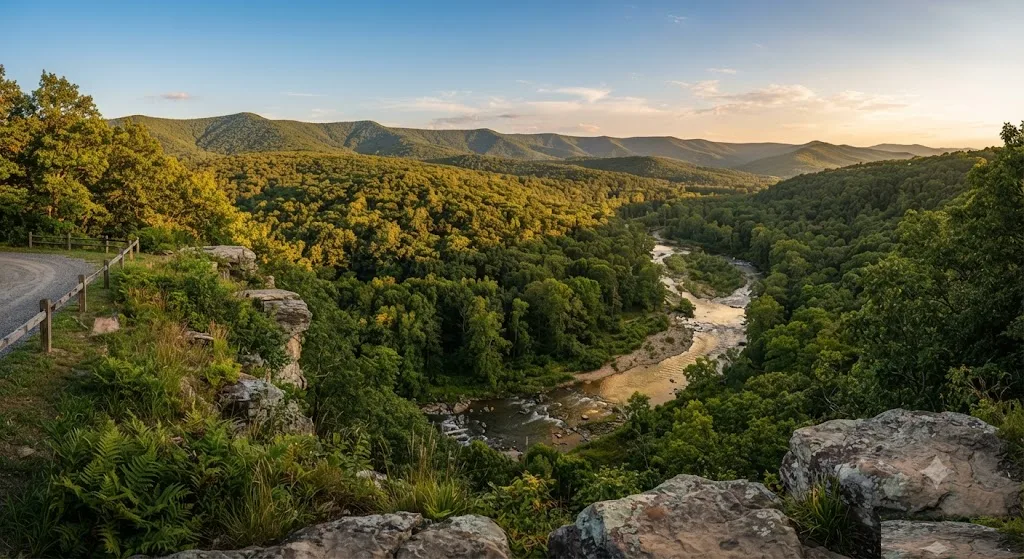
For those seeking an authentic West Virginia outdoor experience, Mill Creek Wildlife Management Area stands out as a prime destination. This sprawling 1,470-acre expanse in Cabell County offers a diverse landscape of steeply forested woodlands, primarily dominated by oak, pine, and hickory. It’s a place where the pursuit of game, the tranquility of a fishing line cast into quiet waters, and the challenge of a rugged hike converge. We believe it offers a genuine escape into nature, far from the crowds often found in more commercialized areas. The WMA is meticulously managed by the West Virginia Division of Natural Resources (WVDNR), ensuring a healthy ecosystem for a variety of wildlife and well-maintained public access for recreation.
Our team finds Mill Creek Wildlife Management Area to be an essential stop for serious outdoor enthusiasts. Its untouched character and focus on traditional outdoor pursuits make it a standout in West Virginia’s extensive network of public lands. From the thrill of the hunt to the peaceful solitude of a woodland trail, this WMA delivers on its promise of an unadulterated natural retreat.
Who It's Best For
Mill Creek Wildlife Management Area is primarily tailored for hunters, anglers, and hikers who appreciate a more rugged, less developed outdoor setting. If your ideal trip involves pristine wilderness, wildlife observation, and the pursuit of game or fish, this WMA is for you. It’s also an excellent choice for photographers and nature lovers looking to immerse themselves in West Virginia's natural beauty without the amenities of a state park. We particularly recommend it for:
- **Hunters:** With established seasons for deer, fox, grouse, rabbit, raccoon, and squirrel, it's a prime hunting ground.
- **Anglers:** While specific fishing details for Mill Creek WMA itself are best confirmed with WVDNR, WMAs generally offer fishing opportunities. Nearby Mill Creek (Jackson County) is known for muskellunge, bass, and catfish, suggesting similar potential in the region's waterways.
- **Hikers:** The WMA features hunter access trails that double as excellent routes for exploring the dense oak-hickory-pine forests.
- **Wildlife Viewers:** The diverse habitat supports a variety of species, making it an ideal spot for observing West Virginia's abundant wildlife.
It's less suited for those seeking paved paths, extensive visitor centers, or organized recreational programs. Families with very young children might find the steep, unimproved trails challenging, though older, adventurous kids will enjoy the wild environment.
How to Get There & Parking
Navigating to Mill Creek Wildlife Management Area is straightforward, though you'll be leaving major highways for more rural routes. The WMA is situated in eastern Cabell County, approximately three miles north of Milton, West Virginia, and about fifteen miles northeast of Barboursville.
To reach Mill Creek Wildlife Management Area:
- Take the Milton exit from I-64.
- From highway US-60 at Milton, follow Johns Creek Road (County Route 13) north for about three miles. This route will lead you directly to the WMA.
When considering how to get to Mill Creek Wildlife Management Area, we advise using a reliable GPS system but also having a physical map, as cell service can be spotty in more remote areas of West Virginia. The roads leading to the WMA are generally well-maintained county routes.
**Parking:** The WVDNR manages public access and recreational opportunities on WMAs, which includes the construction and maintenance of parking lots. While specific details for Mill Creek WMA's parking capacity are not extensively documented, visitors can expect designated parking areas at primary access points. We always recommend arriving early, especially during peak hunting seasons, to secure a spot. Remember that parking of any vehicle in a manner that obstructs ingress or egress is prohibited, and vehicles should be parked in available spaces after launching any watercraft.
Top Things to Do
Mill Creek Wildlife Management Area offers a range of activities for the avid outdoorsperson. Our team has identified the core experiences that truly define a visit here, emphasizing the natural pursuits over structured entertainment. If you're wondering about things to do at Mill Creek Wildlife Management Area, here are our top recommendations:
Hunting
Hunting is a primary draw for Mill Creek Wildlife Management Area. The WMA supports robust populations of deer, fox, grouse, rabbit, raccoon, and squirrel. The WVDNR publishes comprehensive Hunting and Trapping Regulations Summaries annually, and we strongly advise all hunters to review the 2026-2027 regulations carefully before planning their trip. Key dates for 2025-2026 and 2026-2027 seasons include:
- **Deer (Buck Firearms):** November 24 – December 7, 2025
- **Deer (Archery and Crossbow):** September 27 – December 31, 2025
- **Antlerless Deer (Split Season, Select Counties):** October 23 – 26, 2025; November 24 – December 7, 2025; December 11 – 14, 2025; December 28 – 31, 2025
- **Spring Turkey:** April 20 – May 24, 2026
- **Small Game (Squirrel, Rabbit, Grouse):** Generally run from fall through late winter. For example, Squirrel season is September 13, 2025 – February 28, 2026.
The WVDNR also notes expanded opportunities for youth and Class Q permit holders to harvest one antlered deer during special split seasons in 2026-2027. Always consult the official WVDNR website or printed guide for the most current information on bag limits, specific county regulations, and licensing requirements.
Fishing
While Mill Creek Wildlife Management Area is known for its hunting, fishing opportunities are also present in the various waterways that traverse or border the area. Anglers 15 and older are required to possess a valid West Virginia fishing license and photo identification. Trout stamps are also necessary if you plan to fish for trout. These licenses and stamps can be conveniently purchased online. The WVDNR releases its 2026 Fishing Regulations Summary, which we recommend reviewing for specific rules, creel limits, and any special regulations for the local streams and tributaries within or near the WMA. While camping is not permitted directly in the WMA, nearby areas like Kumbrabow State Forest offer primitive camping near native brook trout streams, highlighting the region's fishing appeal.
Wildlife Viewing & Photography
Beyond hunting, the WMA is an exceptional spot for wildlife observation and photography. The dense forests and varied terrain provide habitat for a rich diversity of animals, including deer, various bird species, and smaller mammals like fox, rabbit, and raccoon. We encourage visitors to bring binoculars and a good field guide. The best times for viewing wildlife are typically early mornings and late evenings when animals are most active. Patience and quiet movement are key to spotting elusive creatures in their natural habitat. For a broader exploration of West Virginia's natural beauty, consider extending your trip to New River Gorge National Park and Preserve, where stunning vistas and diverse ecosystems await.
Hiking
The unimproved roads and hunter access trails throughout the WMA offer excellent opportunities for hiking. These trails provide a chance to explore the rugged beauty of the oak-hickory-pine forest. While not always formally marked as recreational hiking trails, they serve as fantastic routes for traversing the landscape, offering solitude and a genuine wilderness experience. We recommend wearing sturdy hiking boots and carrying a map and compass, as marked trails may be minimal. For those looking for more established hiking networks in West Virginia, consider visiting Blackwater Falls State Park, known for its scenic trails and impressive waterfalls.
These are the primary things to do at Mill Creek Wildlife Management Area, emphasizing its role as a premier destination for traditional outdoor recreation.
Best Time to Visit
Determining the best time to visit Mill Creek Wildlife Management Area largely depends on your intended activities, as each season offers a distinct experience. Our team has broken down the seasonal highlights to help you plan:
- **Spring (April-May):** This is an excellent time for observing the awakening of nature. Wildflowers begin to bloom, and many bird species return, making it ideal for wildlife viewing and photography. The weather is generally mild, perfect for hiking before the summer heat sets in. Fishing can be particularly good as fish become more active.
- **Summer (June-August):** West Virginia's higher elevations often provide pleasantly cool summer temperatures, making it a comfortable season for outdoor activities. Hiking and wildlife viewing remain popular. While hunting seasons are generally closed, it's a great time for scouting and enjoying the lush green canopy.
- **Autumn (September-November):** This is arguably the most popular time for many outdoor enthusiasts. The fall foliage transforms the forests into a spectacular display of colors, drawing photographers and sightseers. Crucially, many hunting seasons, including deer and small game, open during this period, making it prime time for hunters.
- **Winter (December-March):** While quieter, winter offers a unique, serene beauty with fewer visitors. The bare trees provide better visibility for spotting wildlife. Some hunting seasons, like for squirrel and rabbit, extend into late winter. We recommend being prepared for cold weather and potential snow, which can make hiking more challenging but also more picturesque.
For general outdoor recreation and fall foliage, we recommend visiting in **October**. For hunting, consult the specific 2026-2027 WVDNR hunting regulations for your target species, as seasons vary.
Where to Stay Nearby
When planning your trip to Mill Creek Wildlife Management Area, understanding your lodging options is key. It's important to note that camping is explicitly prohibited within the WMA itself. This means you'll need to look for accommodations in nearby towns or at designated campgrounds outside the management area. We've focused on options close to the Cabell County WMA, rather than other "Mill Creek" locations in West Virginia.
Hotels and Motels
The closest towns offering traditional hotel and motel accommodations are Milton and Barboursville, both within a short driving distance from Mill Creek Wildlife Management Area. Huntington, a larger city in Cabell County, also provides a wider range of hotels, dining, and entertainment options. We recommend searching for "hotels in Milton WV," "hotels in Barboursville WV," or "hotels in Huntington WV" to find the most relevant options. These towns offer a mix of budget-friendly to mid-range accommodations, providing comfortable bases after a day of exploring the WMA. For example, Huntington boasts a bustling dining and nightlife scene, as well as attractions like the Huntington Museum of Art and Ritter Park.
Nearby Campgrounds
While Mill Creek Wildlife Management Area lodging doesn't include on-site camping, several excellent campgrounds are available within a reasonable drive. Fox Fire Resort is mentioned as a nearby camping option. Additionally, Kumbrabow State Forest, though a bit further afield, offers the Mill Creek Campground with 13 primitive sites and one large RV site, open from spring through fall, weather permitting. Reservations for Kumbrabow's campsites can be made online, by phone, or at the campground office, and they often require a minimum stay on weekends. For those with RVs, other private RV parks and campgrounds can be found in the broader region, such as those near the Monongahela National Forest, offering full hookups and amenities. When considering Mill Creek Wildlife Management Area lodging, remember to book well in advance, especially during peak seasons.
Sample 2-Day Itinerary
To help you maximize your visit, our team has crafted a sample 2-day itinerary for Mill Creek Wildlife Management Area, designed for outdoor enthusiasts looking to experience the best of the WMA and its surroundings. This itinerary assumes you're staying in a nearby town like Milton or Barboursville.
Day 1: Hunting, Hiking & Wildlife Observation
- **Morning (Pre-dawn to Noon):** Begin your day early with a focused hunting excursion within the Mill Creek Wildlife Management Area. Consult your 2026 WVDNR Hunting and Trapping Regulations Summary for legal shooting hours and target species. Alternatively, for non-hunters, this is an excellent time for quiet wildlife observation, as animals are most active. Utilize the WMA's hunter access trails for deep exploration.
- **Lunch (Noon-1 PM):** Pack a picnic lunch to enjoy at a scenic spot within the WMA, or head back to Milton for a quick bite at a local eatery.
- **Afternoon (1 PM-5 PM):** Dedicate the afternoon to exploring more of the Mill Creek Wildlife Management Area hiking trails. Choose a different section of the WMA to experience its varied terrain. Focus on identifying local flora and fauna, and perhaps try some nature photography.
- **Evening (Post-5 PM):** Return to your lodging. Enjoy dinner in Milton or Barboursville. Consider a relaxed evening, preparing for another day of outdoor adventure.
Day 2: Fishing, Local Culture & Broader Exploration
- **Morning (Dawn to Noon):** Focus on fishing. Head to a suitable stream or river near the WMA, or explore fishing opportunities in the broader Cabell County area. Remember to have your 2026 West Virginia fishing license ready.
- **Lunch (Noon-1 PM):** Grab lunch in Huntington, which offers a variety of dining options.
- **Afternoon (1 PM-5 PM):** Immerse yourself in local culture and attractions in nearby Huntington. Visit the Huntington Museum of Art, explore Ritter Park, or discover the historic Heritage Farm Museum & Village. For a unique West Virginia experience, you might also visit the Blenko Glass Company.
- **Evening (Post-5 PM):** Enjoy a final dinner in Huntington. Depending on your travel plans, you could consider exploring other incredible West Virginia destinations like Harpers Ferry National Historical Park for a dose of history and scenic beauty.
This itinerary provides a blend of the rugged outdoor experiences offered by Mill Creek Wildlife Management Area with the cultural and recreational amenities of the surrounding Cabell County area.
Is It Worth Visiting?
When travelers ask "is Mill Creek Wildlife Management Area worth visiting?", our answer is an unequivocal yes – with the right expectations. This isn't a theme park or a resort destination; it's a genuine slice of West Virginia wilderness, managed for conservation and public outdoor recreation. For those who appreciate raw, untamed nature and active pursuits, it offers immense value.
Our team confidently asserts that Mill Creek Wildlife Management Area is worth visiting for serious hunters, dedicated anglers, and adventurous hikers. Its appeal lies in its authenticity and the opportunities it provides for traditional outdoor sports and immersive wildlife experiences. If you're seeking well-groomed paths, extensive amenities, or guided tours, you might find it less appealing. However, if you crave solitude, the thrill of the chase, or the peace of a quiet forest, then this WMA is an exceptional destination. It provides a stark contrast to more developed areas like The Greenbrier Resort, offering a different, equally valid, and deeply rewarding kind of West Virginia adventure.
The WMA's commitment to wildlife management and public access ensures that its natural resources are preserved for generations. The challenging terrain and diverse wildlife make every visit unique. So, if you're prepared for an adventure where nature takes center stage and you're equipped with your hunting or fishing gear, or simply a desire to explore, then Mill Creek Wildlife Management Area is absolutely worth visiting.
Mill Creek Wildlife Management Area Hiking Trails
Exploring the Mill Creek Wildlife Management Area hiking trails offers a unique opportunity to immerse yourself in West Virginia's rugged natural beauty. Unlike designated state parks with highly developed trail systems, the trails here are primarily hunter access routes and unimproved roads, providing a more rustic and authentic wilderness experience. The terrain is characterized by steep, forested woodlands, with over 95% of the area covered by oak-hickory-pine forest. This means hikers should be prepared for uneven surfaces, elevation changes, and potentially less-marked paths.
When navigating the Mill Creek Wildlife Management Area hiking trails, we strongly recommend carrying a detailed map, a compass or GPS device, and plenty of water. While the WVDNR works to improve public access and recreational opportunities, including trails, these are still primarily utilitarian paths. They are excellent for those seeking solitude, a challenging workout, or opportunities for wildlife observation away from crowded areas. You might encounter deer, various bird species, and other small game animals.
These trails are ideal for:
- **Experienced Hikers:** Those comfortable with navigating undeveloped terrain and seeking a more adventurous outing.
- **Hunters:** The trails provide essential access to prime hunting areas within the WMA.
- **Nature Photographers:** The dense forest and varied topography offer endless opportunities for capturing scenic landscapes and wildlife.
For a different kind of hiking experience in West Virginia, you might also consider the extensive network of trails at Snowshoe Mountain Resort, which offers everything from leisurely strolls to challenging mountain biking routes, often with stunning views.
Mill Creek Wildlife Management Area camping
Camping is not permitted within the boundaries of Mill Creek Wildlife Management Area itself. However, nearby options exist for those wishing to stay overnight. Fox Fire Resort is mentioned as a close alternative for camping. Additionally, Kumbrabow State Forest, located further east, offers the Mill Creek Campground with primitive and RV sites, open from spring through fall. For more extensive amenities, consider private campgrounds in the broader region of Cabell County or adjacent areas.
Things to do in Cabell County
Beyond Mill Creek Wildlife Management Area, Cabell County, West Virginia, offers a variety of attractions and activities. Huntington, the county's largest city, boasts cultural sites like the Huntington Museum of Art and the historic Keith-Albee Theatre. Families can enjoy Camden Park, an affordable amusement park, while history buffs might appreciate the Heritage Farm Museum & Village. The city also has a lively dining scene and unique shopping opportunities, including the Blenko Glass Company. Outdoor enthusiasts can find more parks and recreational areas throughout the county, providing a balanced experience alongside the WMA's wilderness.
Mill Creek Wildlife Management Area with kids
Visiting Mill Creek Wildlife Management Area with kids can be a rewarding experience for adventurous families, but it's important to set expectations. The terrain is steep and the trails are largely unimproved, which might be challenging for very young children. However, older children who enjoy hiking, wildlife spotting, and the concept of wilderness exploration will likely thrive. We recommend focusing on shorter hikes, packing plenty of snacks and water, and engaging them in identifying animal tracks or bird calls. Remember, camping is not allowed within the WMA, so plan for off-site lodging. For a more kid-friendly experience that still connects with nature, consider nearby attractions in Cabell County like Camden Park or Ritter Park.
Best hotels near Mill Creek Wildlife Management Area
Given that camping is prohibited within the WMA, finding the best hotels near Mill Creek Wildlife Management Area will involve looking at nearby towns. Milton and Barboursville are the closest options, offering convenient access. For a wider selection of accommodations, dining, and amenities, Huntington is your best bet. While specific hotel recommendations depend on your budget and preferences, you'll find a range of national chains and local establishments in these areas. Always book in advance, especially during peak seasons, to ensure availability. For a truly unique West Virginia stay, consider exploring boutique options or charming inns in the broader region, such as those found near other best places in West Virginia.
Mill Creek Wildlife Management Area tips
To ensure a successful and enjoyable visit to Mill Creek Wildlife Management Area, our team offers these essential tips:
- **Check Regulations:** Always review the latest 2026 WVDNR Hunting and Trapping Regulations and Fishing Regulations before your trip. Licenses are required for both activities.
- **Dress Appropriately:** Wear sturdy hiking boots, dress in layers, and consider blaze orange during hunting seasons for visibility.
- **Bring Maps & Navigation:** Cell service can be unreliable. Carry physical maps of the WMA and a compass or GPS device.
- **Pack Essentials:** Bring plenty of water, snacks, a first-aid kit, insect repellent, and binoculars for wildlife viewing.
- **Leave No Trace:** Pack out everything you pack in to preserve the pristine environment.
- **Respect Wildlife:** Observe from a distance and never disturb animals or their habitats.
- **No Camping:** Remember that camping is not allowed within the WMA boundaries. Plan for off-site lodging or nearby campgrounds.
Where to stay near Mill Creek Wildlife Management Area
Since direct camping within Mill Creek Wildlife Management Area is prohibited, finding suitable lodging nearby is a key part of trip planning. Your best options for where to stay near Mill Creek Wildlife Management Area are the towns of Milton, Barboursville, and Huntington in Cabell County. Milton and Barboursville offer closer proximity and a selection of local motels and inns. Huntington, being a larger city, provides a broader array of hotels, from budget-friendly to more upscale, along with diverse dining and entertainment. For those preferring a camping experience, look for private campgrounds or state forest campgrounds like Kumbrabow State Forest’s Mill Creek Campground, which is a bit further but offers primitive and RV sites. Always research and book your accommodations in advance, especially if traveling during hunting seasons or holidays.
From our comprehensive research and on-the-ground understanding, Mill Creek Wildlife Management Area West Virginia stands as a testament to the state's rugged beauty and commitment to outdoor recreation. Whether you're drawn by the thrill of the hunt, the quiet contemplation of fishing, or the challenge of its hiking trails, this WMA promises an authentic and memorable experience. We encourage you to plan thoughtfully, respect the wilderness, and discover the wild, wonderful heart of West Virginia.
Last updated: 2026-07-08 by the Roam States team.