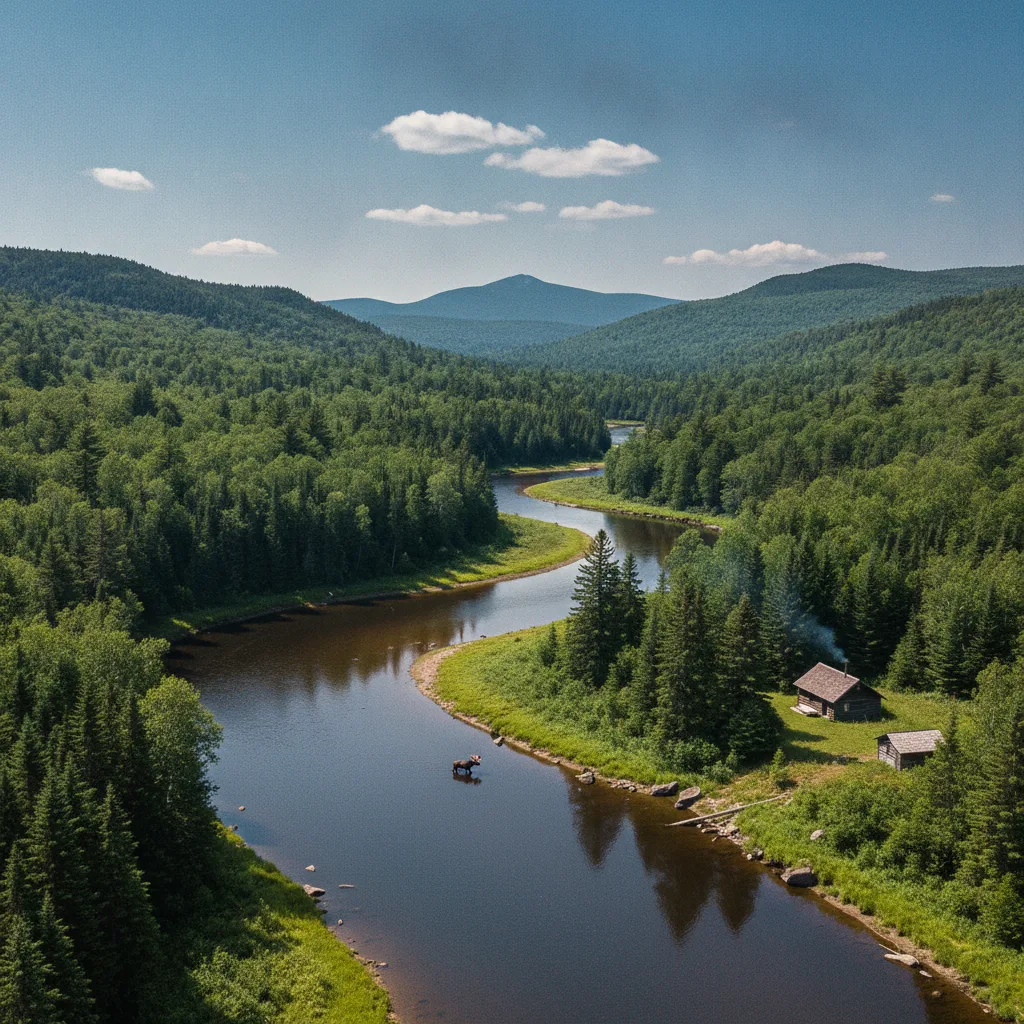
Our Moose River Bow Trip guide covers practical planning for the Moose River Bow Trip Maine — best time to visit, getting there, and what to do on the ground. This renowned multi-day canoe trip offers an immersive wilderness experience through remote ponds and rivers, ideal for experienced paddlers seeking solitude and wildlife viewing.
Why Visit Moose River Bow Trip
The Moose River Bow Trip in Maine is a classic multi-day paddling adventure, offering an unparalleled immersion into the state's wild interior. We recommend it for its stunning natural beauty, abundant wildlife, and the unique sense of solitude it provides. This 34-mile loop combines tranquil lake paddling, meandering river sections, and manageable rapids, making it a diverse and engaging journey for canoeists and kayakers alike.
The region is renowned for its prime moose habitat, and paddlers frequently report multiple sightings over a multi-day trip, especially during dawn and dusk in wetland areas and along the marshy shores of Long Pond. Beyond moose, you're likely to spot bald eagles, osprey, great blue herons, and loons nesting on the remote ponds.
The landscape itself is a major draw, with boreal forests, beaver flowages, and expansive wetlands creating a picturesque backdrop. The trip features beautiful sand beaches on Attean and Holeb Ponds, and surprising mountain vistas emerge as the river winds its way through the wilderness.
Unlike many other wilderness trips, the Moose River Bow Trip is a loop, allowing you to begin and end at the same point without needing a complex shuttle system for your vehicles, though shuttle services are available from local outfitters if you prefer.
Is It Worth Visiting?
Absolutely, the Moose River Bow Trip is worth visiting for anyone seeking a genuine Maine wilderness experience. Our team consistently recommends it for its balance of accessibility and remote charm. It's an ideal choice for paddlers who desire a multi-day backcountry adventure without extreme technical difficulty, yet still crave the feeling of being truly "off the grid."
The consistent opportunities for wildlife viewing, particularly moose, are a significant highlight, making it a photographer's and nature lover's dream. The primitive campsites along the route, often equipped with fire pits and picnic tables, provide a rustic yet comfortable base for enjoying the undisturbed night sky and the sounds of the wilderness.
While the trip offers a profound sense of isolation, it's supported by the nearby town of Jackman, which provides essential services, lodging, and outfitter support. This blend of remote wilderness and accessible amenities makes the Moose River Bow Trip a uniquely rewarding destination for those looking to connect with Maine's iconic natural landscape.
Who It's Best For
The Moose River Bow Trip is primarily best for experienced paddlers, or those with basic flatwater canoeing skills, looking for a multi-day wilderness immersion. While it's often described as a great beginner overnight paddling trip, the 34-mile length, portages, and potential for challenging wind conditions on the open ponds mean a certain level of preparedness and physical fitness is essential.
It's particularly suited for:
- **Wildlife Enthusiasts:** With consistent moose sightings, as well as opportunities to see bald eagles, osprey, and loons, it's a prime destination for nature observation.
- **Seekers of Solitude:** Despite its popularity, especially on summer weekends, the remote nature of the trip offers a profound sense of quiet and escape from daily life.
- **Canoe Campers:** The route features primitive, first-come, first-served campsites, making it ideal for those who enjoy rustic camping.
- **Families with Older Children:** While not suitable for very young children due to the duration and portages, families with teenagers or experienced younger paddlers can find it a rewarding adventure. Guided trips are highly recommended for first-timers or families.
Those who prefer luxurious accommodations or highly developed trails might find the primitive nature of the Bow Trip less appealing. It's truly for those who appreciate the raw beauty and inherent challenges of the Maine North Woods.
How to Get There
The Moose River Bow Trip is located in the western Maine wilderness, accessible from the town of Jackman. Jackman itself is situated along the Old Canada Road (Route 201) National Scenic Byway, which connects northwest Maine to Quebec.
Driving Directions to Jackman
From the south, take Interstate 95 North to Waterville, then follow Route 201 North directly to Jackman. The drive is scenic, especially as you get further north.
Access Points & Parking
There are a few primary access points for the Moose River Bow Trip:
- Attean Pond Landing: This is a common starting point for the traditional loop. To reach it, turn off US-201 in Jackman, approximately 0.6 miles south of the railroad crossing, and drive about 2 miles to the parking lot. However, our team advises that Attean Landing is accessed via a privately owned and maintained road that can be periodically closed and gated for repairs or flooding. It's crucial to confirm access before relying on this point. The "turn around" area immediately before the gate (about 1.5 miles from ME-201) and surrounding fields are private property, so be mindful of parking regulations.
- Holeb Landing: Many paddlers, especially those looking to shorten the trip or avoid the long Attean-Holeb portage, start here. From US-201 in Jackman (after crossing the Moose River bridge), drive about 3.1 miles, then turn left onto Holeb Road. Follow this well-traveled gravel road for approximately 11.6 miles, then make a sharp left onto Holeb Pond Road to reach the landing. Access to Holeb Pond involves about 12 miles of maintained private logging road, so be prepared for variable conditions and potential logging truck traffic.
- Jackman Public Boat Launch (Wood Pond): Located in downtown Jackman, this public access point on Wood Pond is a reliable option, especially if Attean Landing is inaccessible. From ME-201, follow Spruce Street then Mill Street southwest for 0.3 miles to the launch. This allows you to paddle 2.5 miles south on Wood Pond and the Moose River to Attean Pond to begin the Bow Trip.
Parking at the Jackman public boat launch can be limited, and if full, boaters should plan to move their vehicles elsewhere in town.
For those interested in guided trips or rentals, local outfitters like Cry of the Loon Outdoor Adventures often offer shuttle services to and from various access points, which can simplify logistics.
Top Things to Do
The Moose River Bow Trip is primarily a paddling and wilderness camping experience, but there are several top things to do that enhance the adventure:
- Paddling the Loop: The core activity is navigating the 34-mile loop through Attean Pond, Holeb Pond, and the Moose River. This includes flatwater stretches, gentle currents, and Class I-II rapids like Spencer Rips, Attean Rips, and Mosquito Rips. Holeb Falls requires a mandatory portage, which is a spectacle in itself.
- Wildlife Viewing: This is one of the premier things to do at Moose River Bow Trip. Keep an eye out for moose, especially at dawn and dusk in marshy areas and along Long Pond. You'll also likely spot bald eagles, osprey, loons, and beaver.
- Primitive Camping: Enjoy the rustic, first-come, first-served campsites scattered along the route. These sites typically offer a cleared tent pad and a fire ring, providing a true backcountry experience under Maine's dark skies.
- Photography: The changing landscapes, from reflective ponds to winding rivers and dense forests, along with abundant wildlife, offer endless photographic opportunities.
- Fishing: The remote ponds and river sections are home to wild brook trout, and the larger ponds like Attean and Holeb also have landlocked salmon and lake trout. A Maine fishing license is required.
- Star Gazing: Far from light pollution, the Moose River Bow Trip offers spectacular views of the night sky.
Beyond the Bow Trip itself, the Jackman region offers additional things to do, such as whitewater rafting on the Kennebec River (about an hour south) and exploring other nearby lakes and trails.
Moose River Bow Trip Hiking Trails
While the Moose River Bow Trip is primarily a paddling adventure, there are limited direct Moose River Bow Trip hiking trails along the immediate canoe route. The focus is on the water journey and the portages between water bodies. However, there is one notable optional hike that many paddlers incorporate:
- Sally Mountain Hike: An optional day hike up Sally Mountain provides encompassing views of the unique and scenic region, including Attean and Holeb Ponds and the surrounding wilderness. This hike offers a panoramic perspective that beautifully complements the on-water experience.
The portage trails themselves, while not traditional hiking trails, offer a chance to stretch your legs and experience the forest floor. The 1.25-mile portage between Attean Pond and Holeb Pond is well-maintained with bog bridging in wet areas, but it is rugged and rooted in sections. The shorter 0.3-mile portage around Holeb Falls also provides a brief walk through the woods.
For those seeking more extensive Moose River Bow Trip hiking trails or general hiking opportunities, the broader Jackman area offers options such as trails around Big Wood Lake and Coburn Mountain. The Appalachian Trail also passes through nearby areas, offering day-hiking segments for those willing to drive a bit further.
Best Time to Visit
The prime season for the Moose River Bow Trip is typically from mid-June through September. However, the "best" time can depend on your priorities:
- Summer (July-August): This is the most popular time to visit. The weather is generally warm and stable, making for pleasant paddling and swimming. However, campsites can be crowded, especially on weekends and holidays, so plan accordingly.
- Late Spring (Mid-June): Water levels tend to be higher in the spring, which can make navigating rapids easier and more exciting. The black flies can be active during this time, so come prepared with repellent.
- Fall (September-Early October): Our team highly recommends early fall for the stunning foliage, fewer crowds, and active wildlife. The cooler temperatures are ideal for paddling and camping, and the chances of seeing moose are excellent as they become more active during the rut. Outfitters like Cry of the Loon Outdoor Adventures offer trips into early October.
- Winter: While the Bow Trip is primarily a three-season paddling route, the Jackman area is a popular winter destination for snowmobiling, snowshoeing, and cross-country skiing.
Regardless of the season, be prepared for sudden weather changes, especially on the open ponds where winds can create significant waves. Always check the weather forecast before and during your trip.
Moose River Bow Trip Lodging
While the Moose River Bow Trip itself involves primitive, first-come, first-served camping along the route, many paddlers opt for Moose River Bow Trip lodging in the nearby town of Jackman before or after their trip. This allows for a comfortable night's rest, a hearty meal, and a chance to organize gear.
Lodging Options in Jackman
Jackman offers a range of accommodations, from motels and inns to cabins and lodges, many catering to outdoor enthusiasts. Our team recommends considering these options for Moose River Bow Trip lodging:
- Unity Environmental University: This eco-conscious lodge in Jackman offers free WiFi and parking, and is well-regarded for its location and amenities.
- Inn By The River: Located in West Forks (a short drive from Jackman), this option provides a natural retreat with free WiFi and parking, and features the Riverside Pub for meals.
- Mountainview Resort by Coolvacay: A 4-star property in Jackman, offering comfortable stays.
- Bishop's Country Inn Motel: A long-standing option in Jackman, offering motel rooms. They are pet-friendly for an additional fee, with management approval.
- Attean Lake Lodge: Situated on an island in Attean Pond, this historic lodge offers an all-inclusive experience with cabins, meals, and canoe rentals for guests. It's accessible only by boat and provides a truly authentic Maine sporting camp experience.
- Cabins and Cottages: Numerous private cabins and cottages are available for rent in and around Jackman, offering a rustic yet comfortable retreat. Examples include Cozy Cove Cabins, Sally Mountain Cabins, and Riverview Cottages.
- Campgrounds: For those who prefer a more developed camping experience before or after their wilderness trip, Jackman Landing Campground & Cabins is located on the Moose River.
Many of these Moose River Bow Trip lodging options offer direct access to outdoor activities and are well-suited for families or groups. We recommend booking well in advance, especially during peak summer and fall foliage seasons. You can find more information on lodging in Jackman through Visit Maine.
Sample 2-Day Itinerary
While most paddlers take 3-4 days to complete the full 34-mile Moose River Bow Trip, a condensed 2-day itinerary is possible for experienced paddlers with an early start and efficient portaging. This often involves focusing on a specific section or pushing for longer paddling days. For a more relaxed experience, we strongly recommend allowing 3-4 days.
Day 1: Holeb Pond to Moose River (approx. 15-18 miles)
- Morning: Launch early from Holeb Landing. Paddle across Holeb Pond, enjoying the serene wilderness. Navigate into Holeb Stream, which leads to the Moose River.
- Mid-day: Encounter the mandatory portage around Holeb Falls (approximately 0.3 miles). Take time to appreciate the spectacular 30-foot drop. Continue paddling down the Moose River, navigating through flatwater sections and minor rapids like Camel Rips and Mosquito Rips.
- Afternoon/Evening: Continue through the winding river sections, keeping an eye out for wildlife. Locate a first-come, first-served primitive campsite along the Moose River or a suitable pond for the night. Set up camp, prepare dinner, and enjoy the remote surroundings.
Day 2: Moose River to Attean Pond/Jackman (approx. 16-19 miles)
- Morning: Break camp early and continue down the Moose River. You'll encounter Spencer Rips and Attean Falls. Depending on water levels and your skill, these may be paddled or require optional portages.
- Mid-day: The Moose River flows into Attean Pond. Paddle across Attean Pond, which can be expansive and subject to wind. Navigate towards the western end of Attean Pond to locate the 1.25-mile portage trail to Holeb Pond if you are completing the full loop back to Holeb Landing.
- Afternoon: If you started at Attean Landing, paddle back to your launch point. If you started at Holeb Landing and are completing the full loop, finish the portage to Holeb Pond and paddle back to your vehicle. Alternatively, if you arranged a shuttle, paddle to the designated pickup point.
This 2-day itinerary is demanding and best suited for those comfortable with long paddling days and efficient transitions. For a more leisurely pace, extending to three or even four days allows more time for wildlife viewing, exploring, and relaxing at campsites.
Last updated: 2026-07-12 by the Roam States team.