Our Natchez National Historical Park guide covers practical planning for Natchez National Historical Park Mississippi — best time to visit, getting there, and what to do on the ground.
As independent US travel authorities, our team has explored the length and breadth of the American South, and few destinations offer such a profound and layered historical experience as Natchez, Mississippi. This isn't generic, surface-level tourism; this is an immersion into the very fabric of the nation's past, from its earliest indigenous inhabitants to the complex narratives of the antebellum era, the Civil War, and Reconstruction. We've compiled this comprehensive guide to ensure your visit to Natchez National Historical Park Mississippi is as enriching and seamless as possible.
Why Visit Natchez National Historical Park
Visiting Natchez National Historical Park is an essential journey for anyone seeking to understand the intricate history of the American South. This isn't just about admiring grand architecture; it's about grappling with the profound stories that shaped a nation. The park preserves and interprets the history of Natchez, Mississippi, focusing on the antebellum era, the Civil War, and the Reconstruction period. It offers a vital glimpse into the lives of diverse populations, from wealthy planters to enslaved people and free African Americans, whose stories are often overlooked in mainstream historical narratives. We believe that to truly comprehend the complexities of American history, one must explore places like this, where the past is not just remembered but actively confronted and understood.
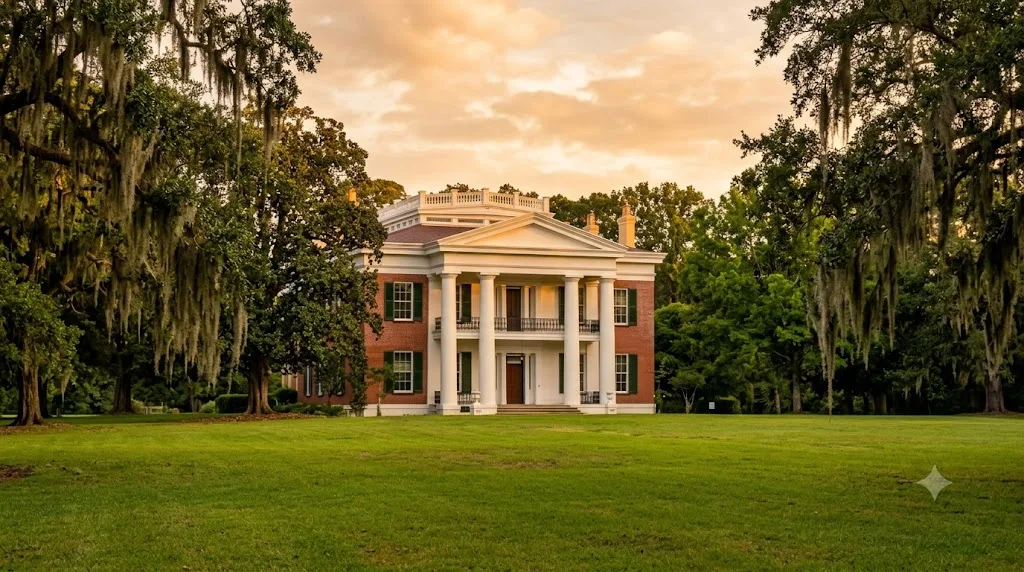
The park’s distinct units — Melrose Estate, the William Johnson House, and Fort Rosalie — each tell a unique part of this narrative. Melrose provides a window into the opulent lifestyle of the planter class and the harsh realities of the enslaved people who sustained it. The William Johnson House offers a rare and invaluable perspective on the life of a free African American businessman in the antebellum South through his detailed diaries. Fort Rosalie, the site of an 18th-century French fortification, speaks to the colonial struggles and territorial shifts that defined the region. Together, these sites paint a comprehensive picture of a pivotal period in American history, making it an incredibly worthwhile destination for deep historical exploration.
Who It's Best For
Natchez National Historical Park is best suited for history enthusiasts, cultural explorers, and anyone eager to delve into the complex narrative of the American South. If you appreciate well-preserved historical sites and are keen to learn about the antebellum period, the Civil War, and Reconstruction from multiple perspectives, this park will resonate deeply with you. It's particularly compelling for those interested in African American history, given the significant focus on the experiences of enslaved and free Black individuals.
Families with older children who have an interest in history will also find the park engaging, as the stories are presented in a way that encourages thoughtful reflection. While younger children might enjoy the open spaces at some sites, the interpretive content is geared towards a more mature audience capable of understanding nuanced historical contexts. Our team finds that the depth of information and the opportunity for self-guided exploration make it ideal for independent travelers and small groups who prefer to set their own pace and absorb the stories at their leisure.
How to Get There & Parking
Getting to Natchez National Historical Park is straightforward, as its various sites are spread throughout the historic city of Natchez, Mississippi. The city itself is situated on the bluffs overlooking the Mississippi River, making for a scenic arrival. For most visitors, driving is the most practical way to reach Natchez. The city is approximately a 1.5-hour drive from Jackson, Mississippi, and Baton Rouge, Louisiana.
The park consists of three main units: Melrose Estate, the William Johnson House, and Fort Rosalie. Each has its own location within or near Natchez. The Melrose estate is located at 1 Melrose-Montebello Parkway, Natchez, MS 39120. The William Johnson House is situated in downtown Natchez, and Fort Rosalie is also easily accessible within the city.
When it comes to parking at Natchez National Historical Park, you'll find ample options. Melrose Estate offers dedicated parking for visitors. For the William Johnson House, street parking is typically available in downtown Natchez. For Fort Rosalie, parking is available on Green Street on the south side, in an unmarked but practical area. We always recommend arriving earlier in the day, especially during peak season, to secure the most convenient spots. There are no fees for parking at the park sites. It's important to note that overnight camping or parking is not permitted within the park itself; the gates are locked at 5 p.m. daily.
Top Things to Do
When planning your visit to Natchez National Historical Park, you'll discover a wealth of experiences that bring the complex history of the South to life. Our team recommends focusing on the park's three primary units, each offering unique insights into the region's past. These are the top things to do at Natchez National Historical Park.
- Tour the Melrose Estate: This impeccably preserved Greek Revival mansion, built around 1845, offers a profound look into the lives of both the wealthy planter class and the enslaved people who toiled there. Guided tours of the mansion are offered daily at 9 AM, 10 AM, 11 AM, 2 PM, 3 PM, and 4 PM. Tickets for the house tour are $11 for ages 18 and older, with those 17 and under admitted for $1. Reservations for mansion tours are required and must be made online via Recreation.gov. The grounds and outbuildings, including the slave quarters, are free to explore and are open daily from 8:30 AM to 5 PM. Flash photography, tripods, monopods, and selfie sticks are prohibited inside the mansion, and no bags, backpacks, luggage, or strollers are allowed on tours.
- Explore the William Johnson House: Located in downtown Natchez, this site belonged to William Johnson, a free African American barber whose extensive diaries provide an unparalleled account of daily life in antebellum Natchez. The first-floor visitor center and exhibit hall are open daily from 8:30 a.m. to 5:00 p.m., offering a crucial perspective on the experiences of free Black individuals during this period. The second floor family living quarters remain closed for preservation.
- Visit Fort Rosalie: This archaeological site marks the location of an 18th-century French fortification, later occupied by the British, Spanish, and Americans. It provides insight into Natchez's colonial history and its strategic importance on the Mississippi River. The site is open daily during daylight hours and features a green space with picnic tables. It's an ideal spot for a brief visit to grasp the historical context and enjoy river views.
- Walk the Natchez Trails: While not exclusively within the historical park units, the Natchez Trails system connects many historic points of interest, including the Natchez Bluff, offering stunning views of the Mississippi River. The 5.6-mile public trail system is open 24 hours a day, seven days a week, and includes both a nature trail and a city trail with interpretive panels. This is an excellent way to combine outdoor activity with historical exploration, allowing you to discover more things to do at Natchez National Historical Park and the surrounding city.
- Discover Forks of the Road: This significant site was once one of the largest slave markets in the Deep South. The exhibit area at Forks of the Road is open daily during daylight hours and offers a sobering yet essential understanding of the institution of slavery.
Beyond the park itself, Natchez offers other attractions. Consider visiting other Natchez Historic Homes like Stanton Hall or Longwood, or explore the Natchez Museum of African American History and Culture for further context.
Best Time to Visit
The best time to visit Natchez National Historical Park is during the spring (March to May) and fall (September to November). During these seasons, the weather is typically mild and pleasant, making it ideal for exploring the park's outdoor areas and walking between the various sites. The lush spring foliage and blooming gardens, or the vibrant autumn colors, add an extra layer of beauty to the historic landscapes.
Natchez also hosts its famous Pilgrimage events in both spring and fall, when many private antebellum homes open their doors to the public for tours, often with costumed guides. If you plan to visit during these popular events, we strongly advise booking accommodations and tours well in advance, as the city draws visitors from across the country. Summer months (June to August) can be very hot and humid, which might make extensive outdoor exploration less comfortable. Winters (December to February) are generally mild, but some attractions may have reduced hours or closures around holidays. The park facilities are closed on Thanksgiving, Christmas, and New Year's Day.
Where to Stay Nearby
Finding the right accommodation is key to a comfortable visit, and options for Natchez National Historical Park lodging range from charming historic bed and breakfasts to modern hotels. Natchez is renowned for its Southern hospitality, and we recommend considering a stay that complements the historical immersion of the park.
Historic Bed & Breakfasts
Natchez excels in its offering of historic bed and breakfasts, many housed in beautifully restored antebellum mansions. These provide an authentic Southern experience with personalized service and often include a gourmet breakfast. Some highly-rated options near Natchez National Historical Park include:
- Monmouth Historic Inn: This highly-rated inn offers a luxurious stay in a grand historic setting, often including private parking and a golf course.
- The Burn Bed and Breakfast: Known for its exceptional service and beautiful grounds, The Burn offers a quiet location within easy reach of downtown. It also features an outdoor swimming pool, garden, and tennis court.
- Devereaux Shields House: A favorite for its Victorian charm and excellent reviews, providing a cozy and intimate setting.
- Choctaw Hall Bed and Breakfast: Located just a short stroll from Natchez National Historical Park, this B&B offers complimentary continental breakfast and free self-parking.
- Linden Historic Bed & Breakfast: A circa 1790 historic home set on seven acres, offering renovated guest rooms and a cottage, just four minutes from downtown Natchez.
- Sunnyside Bed & Breakfast: Offers historic ambiance and is highly rated by guests.
- Natchez Manor Bed & Breakfast: Another well-regarded option offering a touch of historic elegance.
Hotels
For those who prefer the amenities and convenience of a modern hotel, Natchez also has several excellent choices. These are often closer to the riverfront or main commercial areas.
- Natchez Grand Hotel & Suites On the River: A popular choice offering spacious rooms, often with kitchenettes, complimentary buffet breakfast, an outdoor pool, and river views. It's just a 5-minute walk from Natchez National Historical Park.
- Magnolia Bluffs Casino Hotel, BW Premier Collection: Offers both relaxation and entertainment, with stunning views of the Mississippi River and a resort-like pool.
- Hampton Inn & Suites Natchez: Provides modern comforts, spacious rooms, and convenient amenities, making it a good choice for families.
- Holiday Inn Express & Suites NATCHEZ SOUTH by IHG: Known for its reliable comfort and proximity to Natchez attractions.
Keep in mind that Natchez National Historical Park has no park-managed lodging accommodations within its boundaries. We always recommend checking current reviews and booking in advance, especially during the peak spring and fall seasons, to secure your preferred Natchez National Historical Park lodging.
Sample 2-Day Itinerary
To fully appreciate the depth of history and culture in Natchez, we recommend a minimum of two days. This allows for a comprehensive exploration of Natchez National Historical Park and other significant sites. Our team has crafted this sample 2-day itinerary to help you make the most of your visit.
Day 1: Antebellum Grandeur and Free Black History
- Morning (8:30 AM - 12:00 PM): Melrose Estate Immersion. Start your day at the Melrose Estate, the crown jewel of Natchez National Historical Park. Arrive early to take a guided tour of the Greek Revival mansion, understanding the lives of the planter family and the enslaved individuals. Remember to book your tour reservation online in advance. After the mansion tour, spend time exploring the grounds, outbuildings, and formal gardens at your leisure.
- Lunch (12:00 PM - 1:30 PM): Downtown Natchez. Head into downtown Natchez for lunch. There are numerous local eateries offering Southern cuisine.
- Afternoon (1:30 PM - 4:00 PM): William Johnson House & Forks of the Road. After lunch, walk to the William Johnson House, another key unit of Natchez National Historical Park. Delve into the fascinating life of a free African American barber through his preserved home and exhibits. Then, proceed to the Forks of the Road site, one of the most significant slave markets in the Deep South, for a powerful and sobering historical experience.
- Late Afternoon (4:00 PM - 6:00 PM): Historic Downtown Stroll. Spend the late afternoon strolling through Natchez's historic downtown district. Explore the charming boutiques, art galleries, and admire the Victorian architecture. Consider a visit to the Natchez Museum of African American History and Culture for further context.
- Evening: Dinner & River Views. Enjoy dinner at one of Natchez's many restaurants. Afterward, head to the Natchez Bluff Park for breathtaking sunset views over the Mississippi River.
Day 2: Colonial Roots, River Lore, and Scenic Drives
- Morning (9:00 AM - 11:00 AM): Fort Rosalie & Natchez Trails. Begin your second day at Fort Rosalie, the third unit of Natchez National Historical Park. Explore the archaeological site of this 18th-century French fort, learning about its strategic importance and colonial history. Then, embark on a portion of the Natchez Trails, particularly the Historical Bluff Trail, which offers stunning vistas of the Mississippi River and connects many historic points of interest.
- Late Morning (11:00 AM - 1:00 PM): Other Historic Homes. Expand your historical exploration by visiting another of Natchez's magnificent antebellum homes, such as Stanton Hall or Rosalie Mansion, both offering guided tours (check their individual hours and fees). You can find more details on these at our Natchez Historic Homes guide.
- Lunch (1:00 PM - 2:00 PM): Under-the-Hill. Head down to Natchez Under-the-Hill, the historic riverfront district. Grab a casual lunch at one of the unique establishments there, soaking in the atmosphere of what was once a bustling, and often lawless, port.
- Afternoon (2:00 PM - 5:00 PM): Natchez Trace Parkway. Spend the afternoon driving a portion of the Natchez Trace Parkway. This 444-mile scenic highway begins in Natchez and is perfect for a leisurely drive, offering historical markers, natural beauty, and opportunities for short walks. For those interested in Civil War history, consider a day trip to Vicksburg National Military Park, approximately an hour's drive north.
- Evening: Leisure & Reflection. Enjoy a relaxed dinner, perhaps revisiting a favorite spot or trying something new. Reflect on the rich and complex history you've encountered throughout your visit to Natchez, Mississippi.
This itinerary provides a robust experience of Natchez National Historical Park Mississippi and its surroundings. Remember to check current operating hours and make reservations where necessary, especially for mansion tours. For more ideas on exploring the state, check out our guide to the Best places in Mississippi.
Last updated: 2026-07-06 by the Roam States team.