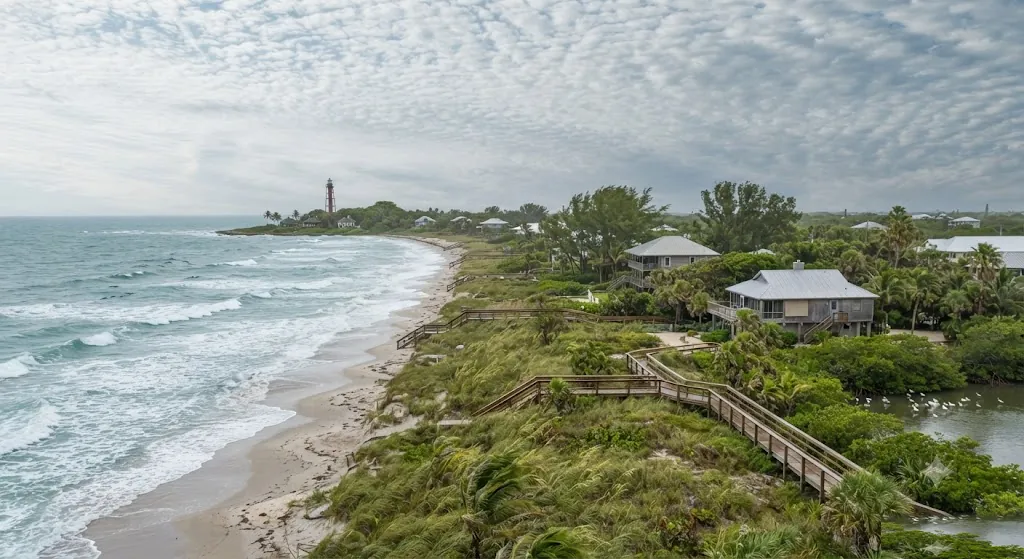
Sanibel Island Travel Guide — Florida
When our team at Visit America considers the quintessential Gulf Coast escape, a few destinations immediately spring to mind, but none quite capture the serene, shell-strewn magic of Sanibel Island Florida. This isn't your typical bustling Florida beach town; it's a place where nature takes center stage, where the rhythm of the tides dictates your day, and where every sunset paints a masterpiece across the sky. We've explored countless coastal gems, and Sanibel consistently stands out for its unique blend of pristine natural beauty, family-friendly charm, and an unwavering commitment to preserving its delicate ecosystem. From the moment you cross the causeway, you'll feel the pace slow, the air sweeten with salt, and the call of the ocean beckon you to unwind.
Why Visit Sanibel Island
We often get asked why Sanibel Island holds such a special place in the hearts of travelers, and the answer, for our team, is multifaceted. Primarily, it's the unparalleled shelling. Thanks to its unique east-west orientation, Sanibel acts like a scoop, collecting an astonishing array of shells from the Gulf of Mexico. This isn't just about finding a few pretty specimens; it's a meditative, treasure-hunting experience that captivates visitors of all ages. Beyond the shells, the island offers a tranquil escape from the everyday hustle. Development is carefully controlled, with no high-rises blocking the sun or obscuring the views, maintaining a charming, low-key atmosphere that's increasingly rare in popular coastal destinations. It’s a place where wildlife thrives, from the playful dolphins offshore to the diverse birdlife within the J.N. "Ding" Darling National Wildlife Refuge. For those seeking genuine relaxation, a connection with nature, and a break from the commercialized chaos often found elsewhere, Sanibel Island offers an authentic, rejuvenating experience.
Furthermore, the island champions sustainable tourism, a value we deeply appreciate at Visit America. The commitment to conservation is evident everywhere, from the bike paths that crisscross the island to the protected wildlife habitats. This ethos ensures that the natural beauty that draws so many to Sanibel will remain for generations to come. It’s not just a vacation; it’s an immersion into a community that prioritizes its environment, offering a refreshing perspective on travel. If you’re looking to truly disconnect and reconnect with nature, Sanibel Island is an ideal choice.
Who It's Best For
Our team confidently recommends Sanibel Island for a specific type of traveler, though its charm is broad enough to appeal to many. It is, unequivocally, an ideal destination for families with young children and teenagers alike. The calm, shallow waters of the Gulf are perfect for safe swimming and splashing, and the endless opportunities for shelling provide hours of free, engaging entertainment. Kids love the thrill of discovery, and Sanibel delivers in spades. Beyond families, it's a paradise for nature lovers and outdoor enthusiasts. Birdwatchers flock to the refuge, kayakers explore the mangroves, and cyclists enjoy the extensive network of paved paths. Couples seeking a romantic, quiet getaway will find the sunsets breathtaking and the dining intimate, without the rowdy nightlife of some other Florida hotspots. Sanibel Island caters to those who appreciate understated elegance and natural beauty over glitz and glamour.
We also find that Sanibel Island appeals strongly to retirees and those looking for a peaceful, long-term stay. The relaxed pace, accessibility, and abundance of gentle activities make it a comfortable and welcoming place for older visitors. However, if your idea of a perfect vacation involves vibrant nightlife, bustling boardwalks, or adrenaline-pumping theme park rides, Sanibel might not be your ideal match. While there are fantastic restaurants and charming boutiques, the focus remains firmly on the natural environment and a slower pace of life. It's a destination for those who find joy in the simple pleasures: a walk on the beach, the cry of a pelican, or the quiet beauty of a sunset.
Getting There & Parking
Understanding how to get to Sanibel Island is crucial for a smooth start to your trip. The most common approach for visitors is flying into Southwest Florida International Airport (RSW) in Fort Myers. From RSW, Sanibel Island is approximately a 45-minute to an hour's drive, depending on traffic. Our team always recommends renting a car at the airport, as public transportation options directly to the island are limited, and having your own vehicle offers the most flexibility for exploring once you arrive. The drive from Fort Myers involves crossing the iconic Sanibel Causeway, a scenic three-mile stretch that connects the mainland to the island. Be aware that the Sanibel Causeway is a toll road. As of 2026, the toll for a two-axle vehicle is $6.00, payable electronically via SunPass or by plate-by-mail, with no cash option at the toll plaza. We advise getting a SunPass for convenience if you plan on driving frequently in Florida.
Once on the island, parking is generally available, though it can fill up quickly at popular beach access points during peak season. Most public beaches, such as Bowman's Beach, Lighthouse Beach Park, and Tarpon Bay Beach, have dedicated parking lots. The fees for parking at these public beaches are typically around $5 per hour or $25 for the day in 2026. Payment is usually made via kiosks that accept credit cards or mobile apps. Our team suggests arriving early, especially on weekends or holidays, to secure a spot. Many accommodations on the island offer complimentary parking for their guests, so check with your hotel or rental property. For those exploring the shops and restaurants along Periwinkle Way, you'll often find free parking in designated lots or along side streets. When considering how to get to Sanibel Island, remember that patience and planning for parking will enhance your experience.
Top Things to Do
When it comes to things to do at Sanibel Island, our team assures you that the island offers a wealth of activities centered around its natural beauty and relaxed atmosphere. Foremost among these is shelling. Sanibel is world-renowned for its incredible shell beaches, and the "Sanibel Stoop" is a familiar sight. Bowman's Beach is often cited as one of the best spots for finding unique shells, particularly after a storm or at low tide. Lighthouse Beach Park also offers excellent shelling opportunities, along with the historic Sanibel Lighthouse, which dates back to 1884. We recommend bringing a mesh bag for your finds and comfortable shoes for walking the shoreline.
Another absolute must-do is visiting the J.N. "Ding" Darling National Wildlife Refuge. This expansive refuge covers more than half of the island and is a critical habitat for migratory birds and other wildlife. You can explore the refuge via Wildlife Drive, a four-mile, one-way scenic route open to cars, bikes, and walkers. As of 2026, the entrance fee for Wildlife Drive is $10 per vehicle or $1 per pedestrian/bicyclist, and it is typically open from dawn to dusk every day except Friday. Our team suggests renting a kayak or canoe to paddle through the mangrove estuaries, offering a unique perspective on the ecosystem. Keep an eye out for roseate spoonbills, ospreys, alligators, and even manatees. This is one of the top things to do at Sanibel Island for any nature enthusiast.
For those interested in marine life beyond what washes ashore, the Bailey-Matthews National Shell Museum is an excellent educational stop. It's the only accredited museum in the world solely devoted to shells and mollusks, showcasing stunning displays and live tanks. In 2026, general admission is around $29.95 for adults and $21.95 for children. It’s a fantastic indoor activity, especially on a rainy day or when you need a break from the sun. Additionally, exploring the charming shops and art galleries along Periwinkle Way offers a pleasant diversion, with unique souvenirs and local crafts. For a taste of the island's history, the Sanibel Historical Museum & Village provides a glimpse into the lives of early settlers. As of 2026, the museum is typically open Tuesday through Saturday from 10 AM to 3 PM, with an admission fee of $15 for adults.
Beyond Sanibel, there are also many things to do in Gulf Coast Florida that are easily accessible. Consider a day trip to Captiva Island, Sanibel's sister island to the north, known for its even more secluded beaches and charming village. You can also take a ferry to Cayo Costa State Park, a pristine barrier island accessible only by boat, offering miles of undeveloped beaches and excellent shelling. For a different kind of adventure, the Everglades National Park is a manageable drive from Sanibel, offering airboat rides and wildlife viewing. Our team highly recommends exploring the diverse offerings of the Gulf Coast region, as there are many things to do in Gulf Coast beyond just Sanibel.
Best Time to Visit
Deciding the best time to visit Sanibel Island is key to maximizing your enjoyment, and our team has a clear recommendation. The prime season runs from December through April. During these months, the weather is idyllic, with comfortable temperatures typically ranging from the low 70s to low 80s Fahrenheit, low humidity, and minimal rainfall. This period is perfect for all outdoor activities, from shelling and biking to kayaking and simply relaxing on the beach. However, it's also the busiest time, meaning higher prices for accommodations and more crowded attractions. If you plan to visit during this peak season, we strongly advise booking your flights and lodging well in advance, ideally six months to a year out.
The shoulder seasons, particularly May and November, also offer an excellent balance. The weather remains very pleasant, with fewer crowds and often more attractive prices. While May can start to see a slight increase in humidity and the occasional afternoon shower, it's still a fantastic time to experience the island's beauty without the peak season rush. November provides a similar experience, with cooler temperatures arriving after the summer heat. We generally advise against visiting during the summer months (June through September) if possible. This is hurricane season, and while direct hits are rare, the threat of storms and daily afternoon thunderstorms is high. The humidity is also intense, and the temperatures can be sweltering. However, if summer is your only option, you'll find the lowest prices and fewer crowds, but be prepared for the heat and potential weather disruptions. Ultimately, for the best overall experience, aim for the cooler, drier months for your Sanibel Island trip.
Where to Stay Nearby
When planning your Sanibel Island adventure, choosing the right accommodation is paramount, and our team has explored the options to guide you. On Sanibel itself, you'll find a range of choices, from charming boutique hotels and cozy inns to larger condominium resorts offering amenities like pools and direct beach access. Popular options include the Sundial Beach Resort & Spa, known for its extensive activities and beachfront location, and the Island Inn, which offers a more classic, historic Sanibel experience. For those seeking a more private and personalized stay, numerous vacation rentals, from quaint cottages to spacious homes, are available through platforms like VRBO and Airbnb. We recommend booking well in advance, especially for peak season travel, as the island's accommodations are highly sought after.
If you're looking for alternatives or wish to explore other parts of the region, there are excellent options nearby. Captiva Island, just north of Sanibel, offers an even more secluded and luxurious experience, with resorts like the South Seas Island Resort providing a comprehensive vacation destination. While generally more expensive, Captiva is perfect for those seeking ultimate tranquility and high-end amenities. On the mainland, Fort Myers and Fort Myers Beach provide a broader range of lodging, from budget-friendly hotels to larger chain resorts. Staying in Fort Myers can be a good option if you plan to explore the wider Gulf Coast region extensively, or if Sanibel Island accommodations are fully booked or outside your budget. However, be prepared for the daily drive across the causeway and the associated toll. Our team finds that staying directly on Sanibel or Captiva offers the most immersive island experience, allowing you to fully embrace the relaxed pace and natural beauty.
Sample 2-Day Itinerary
To help you make the most of your visit, our team has crafted a sample 2-day itinerary for Sanibel Island, designed to highlight its best features without feeling rushed.
Day 1: Shells, Lighthouse & Sunsets
- Morning (9:00 AM - 12:00 PM): Start your day with the quintessential Sanibel experience: shelling at Lighthouse Beach Park. Arrive early to find the best treasures and explore the historic Sanibel Lighthouse. Remember to check tide charts for optimal shelling conditions.
- Lunch (12:00 PM - 1:30 PM): Enjoy a casual lunch at a local eatery near the lighthouse, perhaps fresh seafood at one of the charming cafes.
- Afternoon (1:30 PM - 4:30 PM): Head to the Bailey-Matthews National Shell Museum. Spend a couple of hours marveling at the incredible collection of shells and learning about marine life. This is a great way to understand the treasures you found on the beach.
- Late Afternoon/Evening (4:30 PM onwards): Relax at your accommodation or take a leisurely bike ride along one of the island's many scenic paths. For dinner, choose one of Sanibel's renowned restaurants. Conclude your day by watching a spectacular Gulf Coast sunset, perhaps from Bowman's Beach or your resort's beachfront.
Day 2: Wildlife & Waterways
- Morning (9:00 AM - 12:30 PM): Dedicate your morning to the J.N. "Ding" Darling National Wildlife Refuge. Drive or bike Wildlife Drive, stopping at observation points to spot birds, alligators, and other wildlife. Consider a guided tram tour for an educational experience.
- Lunch (12:30 PM - 2:00 PM): Pack a picnic to enjoy within the refuge, or head to a local deli for a sandwich.
- Afternoon (2:00 PM - 5:00 PM): Embrace the waterways! Rent a kayak or paddleboard and explore the calm waters of Tarpon Bay or a mangrove trail within the refuge. Alternatively, if you prefer a less active afternoon, visit the Sanibel Historical Museum & Village to delve into the island's past.
- Evening (5:00 PM onwards): Enjoy a final island dinner, perhaps indulging in some fresh stone crab claws if they are in season. Reflect on the natural beauty and tranquility of Sanibel Island.
This itinerary provides a solid foundation, but remember to adjust it based on your interests and pace. Whether you're focused on things to do at Sanibel Island with kids or seeking a quiet retreat, the island offers flexibility.
Last updated: 2026-07-05 by the Visit America team.
Sanibel Island Travel Guide — Florida
When our team at Visit America considers the quintessential Gulf Coast escape, a few destinations immediately spring to mind, but none quite capture the serene, shell-strewn magic of Sanibel Island Florida. This isn't your typical bustling Florida beach town; it's a place where nature takes center stage, where the rhythm of the tides dictates your day, and where every sunset paints a masterpiece across the sky. We've explored countless coastal gems, and Sanibel consistently stands out for its unique blend of pristine natural beauty, family-friendly charm, and an unwavering commitment to preserving its delicate ecosystem. From the moment you cross the causeway, you'll feel the pace slow, the air sweeten with salt, and the call of the ocean beckon you to unwind.
Why Visit Sanibel Island
We often get asked why Sanibel Island holds such a special place in the hearts of travelers, and the answer, for our team, is multifaceted. Primarily, it's the unparalleled shelling. Thanks to its unique east-west orientation, Sanibel acts like a scoop, collecting an astonishing array of shells from the Gulf of Mexico. This isn't just about finding a few pretty specimens; it's a meditative, treasure-hunting experience that captivates visitors of all ages. Beyond the shells, the island offers a tranquil escape from the everyday hustle. Development is carefully controlled, with no high-rises blocking the sun or obscuring the views, maintaining a charming, low-key atmosphere that's increasingly rare in popular coastal destinations. It’s a place where wildlife thrives, from the playful dolphins offshore to the diverse birdlife within the J.N. "Ding" Darling National Wildlife Refuge. For those seeking genuine relaxation, a connection with nature, and a break from the commercialized chaos often found elsewhere, Sanibel Island offers an authentic, rejuvenating experience.
Furthermore, the island champions sustainable tourism, a value we deeply appreciate at Visit America. The commitment to conservation is evident everywhere, from the bike paths that crisscross the island to the protected wildlife habitats. This ethos ensures that the natural beauty that draws so many to Sanibel will remain for generations to come. It’s not just a vacation; it’s an immersion into a community that prioritizes its environment, offering a refreshing perspective on travel. If you’re looking to truly disconnect and reconnect with nature, Sanibel Island is an ideal choice.
Who It's Best For
Our team confidently recommends Sanibel Island for a specific type of traveler, though its charm is broad enough to appeal to many. It is, unequivocally, an ideal destination for families with young children and teenagers alike. The calm, shallow waters of the Gulf are perfect for safe swimming and splashing, and the endless opportunities for shelling provide hours of free, engaging entertainment. Kids love the thrill of discovery, and Sanibel delivers in spades. Beyond families, it's a paradise for nature lovers and outdoor enthusiasts. Birdwatchers flock to the refuge, kayakers explore the mangroves, and cyclists enjoy the extensive network of paved paths. Couples seeking a romantic, quiet getaway will find the sunsets breathtaking and the dining intimate, without the rowdy nightlife of some other Florida hotspots. Sanibel Island caters to those who appreciate understated elegance and natural beauty over glitz and glamour.
We also find that Sanibel Island appeals strongly to retirees and those looking for a peaceful, long-term stay. The relaxed pace, accessibility, and abundance of gentle activities make it a comfortable and welcoming place for older visitors. However, if your idea of a perfect vacation involves vibrant nightlife, bustling boardwalks, or adrenaline-pumping theme park rides, Sanibel might not be your ideal match. While there are fantastic restaurants and charming boutiques, the focus remains firmly on the natural environment and a slower pace of life. It's a destination for those who find joy in the simple pleasures: a walk on the beach, the cry of a pelican, or the quiet beauty of a sunset. Is Sanibel Island worth visiting? For those who value nature, tranquility, and a family-friendly atmosphere, our answer is a resounding yes. Is Sanibel Island worth visiting if you prefer bustling city life? Probably not, but for a true escape, it's unparalleled.
Getting There & Parking
Understanding how to get to Sanibel Island is crucial for a smooth start to your trip. The most common approach for visitors is flying into Southwest Florida International Airport (RSW) in Fort Myers. From RSW, Sanibel Island is approximately a 45-minute to an hour's drive, depending on traffic. Our team always recommends renting a car at the airport, as public transportation options directly to the island are limited, and having your own vehicle offers the most flexibility for exploring once you arrive. The drive from Fort Myers involves crossing the iconic Sanibel Causeway, a scenic three-mile stretch that connects the mainland to the island. Be aware that the Sanibel Causeway is a toll road. As of 2026, the toll for a two-axle vehicle with a SunPass or interoperable transponder is $6.00, while those without a transponder will be charged $9.00 via plate-by-mail (this includes a $3.00 administration fee). The toll is charged only for island-bound vehicles. We advise getting a SunPass for convenience if you plan on driving frequently in Florida.
Once on the island, parking is generally available, though it can fill up quickly at popular beach access points during peak season. Most public beaches, such as Bowman's Beach, Lighthouse Beach Park, and Tarpon Bay Beach, have dedicated parking lots. The fees for parking at these public beaches are typically $5.00 per hour, enforced 24/7. Payment is usually made via mobile payment systems, as traditional pay stations are no longer in service due to Hurricane Ian's impacts. Our team suggests arriving early, especially on weekends or holidays, to secure a spot. Many accommodations on the island offer complimentary parking for their guests, so check with your hotel or rental property. For those exploring the shops and restaurants along Periwinkle Way, you'll often find free parking in designated lots or along side streets. When considering how to get to Sanibel Island, remember that patience and planning for parking will enhance your experience. Causeway Islands Park also offers free parking along the causeway itself.
Top Things to Do
When it comes to things to do at Sanibel Island, our team assures you that the island offers a wealth of activities centered around its natural beauty and relaxed atmosphere. Foremost among these is shelling. Sanibel is world-renowned for its incredible shell beaches, and the "Sanibel Stoop" is a familiar sight. Bowman's Beach is often cited as one of the best spots for finding unique shells, particularly after a storm or at low tide. Lighthouse Beach Park also offers excellent shelling opportunities, along with the historic Sanibel Lighthouse, which dates back to 1884. We recommend bringing a mesh bag for your finds and comfortable shoes for walking the shoreline.
Another absolute must-do is visiting the J.N. "Ding" Darling National Wildlife Refuge. This expansive refuge covers more than half of the island and is a critical habitat for migratory birds and other wildlife. You can explore the refuge via Wildlife Drive, a four-mile, one-way scenic route open to cars, bikes, and walkers. As of 2026, the entrance fee for Wildlife Drive is $10 per vehicle or $1 per pedestrian/bicyclist (under 16 free). It is typically open from 7:30 AM to 5:30 PM, Saturday through Thursday, and is closed every Friday. Our team suggests renting a kayak or canoe to paddle through the mangrove estuaries, offering a unique perspective on the ecosystem. Keep an eye out for roseate spoonbills, ospreys, alligators, and even manatees. This is one of the top things to do at Sanibel Island for any nature enthusiast. Guided tram tours are also available, with reservations recommended, and cost around $22 for adults and $13 for children.
For those interested in marine life beyond what washes ashore, the Bailey-Matthews National Shell Museum is an excellent educational stop. It's the only accredited museum in the world solely devoted to shells and mollusks, showcasing stunning displays and live tanks. In 2026, general admission for adults (18+) is $25, seniors (65+), veterans, educators, and first responders are $20, youth (12-17) and students are $15, and children (5-11) are $10. Children under 5, museum members, and active military are free. The museum is open daily from 10 AM to 5 PM, except for major holidays. It’s a fantastic indoor activity, especially on a rainy day or when you need a break from the sun. Additionally, exploring the charming shops and art galleries along Periwinkle Way offers a pleasant diversion, with unique souvenirs and local crafts. For a taste of the island's history, the Sanibel Historical Museum & Village provides a glimpse into the lives of early settlers. For January 7 through April 30, 2026, the museum is open Wednesday through Sunday from 10 AM to 4 PM, with last ticket sales at 3 PM. From May 1 through July 31, 2026, it is open Wednesday through Sunday from 10 AM to 2 PM. It then closes seasonally and reopens October 15, 2026. Self-guided adult admission is $15. Parking at the museum is free.
Beyond Sanibel, there are also many things to do in Gulf Coast Florida that are easily accessible. Consider a day trip to Captiva Island, Sanibel's sister island to the north, known for its even more secluded beaches and charming village. You can also take a ferry to Cayo Costa State Park, a pristine barrier island accessible only by boat, offering miles of undeveloped beaches and excellent shelling. For a different kind of adventure, the Everglades National Park is a manageable drive from Sanibel, offering airboat rides and wildlife viewing, a stark contrast to the coastal environment. Our team highly recommends exploring the diverse offerings of the Gulf Coast region, as there are many things to do in Gulf Coast beyond just Sanibel.
For families, Sanibel Island with kids offers endless opportunities for exploration and fun. The calm waters are ideal for young swimmers, and the focus on nature means plenty of educational experiences. The Bailey-Matthews National Shell Museum has a children's learning lab with hands-on activities. The J.N. "Ding" Darling National Wildlife Refuge is a fantastic place for kids to spot wildlife, and many resorts offer kid-friendly pools and activities. Sanibel Island with kids is truly a paradise for creating lasting family memories.
Best Time to Visit
Deciding the best time to visit Sanibel Island is key to maximizing your enjoyment, and our team has a clear recommendation. The prime season runs from December through April. During these months, the weather is idyllic, with comfortable temperatures typically ranging from the low 70s to low 80s Fahrenheit, low humidity, and minimal rainfall. This period is perfect for all outdoor activities, from shelling and biking to kayaking and simply relaxing on the beach. However, it's also the busiest time, meaning higher prices for accommodations and more crowded attractions. If you plan to visit during this peak season, we strongly advise booking your flights and lodging well in advance, ideally six months to a year out.
The shoulder seasons, particularly May and November, also offer an excellent balance. The weather remains very pleasant, with fewer crowds and often more attractive prices. While May can start to see a slight increase in humidity and the occasional afternoon shower, it's still a fantastic time to experience the island's beauty without the peak season rush. November provides a similar experience, with cooler temperatures arriving after the summer heat. We generally advise against visiting during the summer months (June through September) if possible. This is hurricane season, and while direct hits are rare, the threat of storms and daily afternoon thunderstorms is high. The humidity is also intense, and the temperatures can be sweltering. However, if summer is your only option, you'll find the lowest prices and fewer crowds, but be prepared for the heat and potential weather disruptions. Ultimately, for the best overall experience, aim for the cooler, drier months for your Sanibel Island trip.
Where to Stay Nearby
When planning your Sanibel Island adventure, choosing the right accommodation is paramount, and our team has explored the options to guide you. On Sanibel itself, you'll find a range of choices, from charming boutique hotels and cozy inns to larger condominium resorts offering amenities like pools and direct beach access. Popular options include the Sundial Beach Resort & Spa, known for its extensive activities and beachfront location, and the Island Inn, which offers a more classic, historic Sanibel experience. For those seeking a more private and personalized stay, numerous vacation rentals, from quaint cottages to spacious homes, are available through platforms like VRBO and Airbnb. We recommend booking well in advance, especially for peak season travel, as the island's accommodations are highly sought after.
If you're looking for alternatives or wish to explore other parts of the region, there are excellent options nearby. Captiva Island, just north of Sanibel, offers an even more secluded and luxurious experience, with resorts like the South Seas Island Resort providing a comprehensive vacation destination. While generally more expensive, Captiva is perfect for those seeking ultimate tranquility and high-end amenities. On the mainland, Fort Myers and Fort Myers Beach provide a broader range of lodging, from budget-friendly hotels to larger chain resorts. Staying in Fort Myers can be a good option if you plan to explore the wider Gulf Coast region extensively, or if Sanibel Island accommodations are fully booked or outside your budget. However, be prepared for the daily drive across the causeway and the associated toll. Our team finds that staying directly on Sanibel or Captiva offers the most immersive island experience, allowing you to fully embrace the relaxed pace and natural beauty. For a broader look at Florida's offerings, consult our Best places in Florida guide, or consider other unique destinations like Walt Disney World Resort for a completely different kind of vacation.
Sample 2-Day Itinerary
To help you make the most of your visit, our team has crafted a sample 2-day itinerary for Sanibel Island, designed to highlight its best features without feeling rushed.
Day 1: Shells, Lighthouse & Sunsets
- Morning (9:00 AM - 12:00 PM): Start your day with the quintessential Sanibel experience: shelling at Lighthouse Beach Park. Arrive early to find the best treasures and explore the historic Sanibel Lighthouse. Remember to check tide charts for optimal shelling conditions.
- Lunch (12:00 PM - 1:30 PM): Enjoy a casual lunch at a local eatery near the lighthouse, perhaps fresh seafood at one of the charming cafes.
- Afternoon (1:30 PM - 4:30 PM): Head to the Bailey-Matthews National Shell Museum. Spend a couple of hours marveling at the incredible collection of shells and learning about marine life. This is a great way to understand the treasures you found on the beach. As of 2026, adult admission is $25.
- Late Afternoon/Evening (4:30 PM onwards): Relax at your accommodation or take a leisurely bike ride along one of the island's many scenic paths. For dinner, choose one of Sanibel's renowned restaurants. Conclude your day by watching a spectacular Gulf Coast sunset, perhaps from Bowman's Beach or your resort's beachfront.
Day 2: Wildlife & Waterways
- Morning (9:00 AM - 12:30 PM): Dedicate your morning to the J.N. "Ding" Darling National Wildlife Refuge. Drive or bike Wildlife Drive, stopping at observation points to spot birds, alligators, and other wildlife. Consider a guided tram tour for an educational experience (reservations recommended). As of 2026, the Wildlife Drive entrance fee is $10 per vehicle.
- Lunch (12:30 PM - 2:00 PM): Pack a picnic to enjoy within the refuge, or head to a local deli for a sandwich.
- Afternoon (2:00 PM - 5:00 PM): Embrace the waterways! Rent a kayak or paddleboard and explore the calm waters of Tarpon Bay or a mangrove trail within the refuge. Alternatively, if you prefer a less active afternoon, visit the Sanibel Historical Museum & Village to delve into the island's past. For January through April 2026, it's open Wednesday through Sunday from 10 AM to 4 PM.
- Evening (5:00 PM onwards): Enjoy a final island dinner, perhaps indulging in some fresh stone crab claws if they are in season. Reflect on the natural beauty and tranquility of Sanibel Island.
This itinerary provides a solid foundation, but remember to adjust it based on your interests and pace. Whether you're focused on things to do at Sanibel Island with kids or seeking a quiet retreat, the island offers flexibility.
FAQ
Sanibel Island tips
Our top Sanibel Island tips include packing plenty of sunscreen, insect repellent (especially for evenings near the refuge), and a good hat. Bring a mesh bag for shelling, and consider water shoes for walking on shell-covered beaches. Renting bicycles is highly recommended as the island is very bike-friendly. Always check local tide charts for the best shelling times and arrive early for popular beach parking spots. Remember that the Sanibel Causeway has a toll, so plan for electronic payment (SunPass is recommended). Embrace the relaxed pace and enjoy the natural beauty!
Sanibel Island parking
Sanibel Island parking is available at public beach access points like Lighthouse Beach Park, Bowman's Beach, and Tarpon Bay Beach. As of 2026, fees are typically $5.00 per hour, enforced 24/7, payable via mobile payment systems. Parking can fill up quickly during peak season and on weekends, so arriving early is advisable. Many hotels and vacation rentals offer complimentary parking for guests. There is also often free parking available near shops and restaurants along Periwinkle Way, and at Causeway Islands Park.
Best time to visit Sanibel Island
The best time to visit Sanibel Island is from December through April. During these months, the weather is comfortably warm, dry, and less humid, making it ideal for outdoor activities and enjoying the beaches. This is peak season, so expect higher prices and more crowds. The shoulder seasons of May and November also offer pleasant weather with fewer visitors and better rates. We generally advise avoiding the summer months (June-September) due to high heat, humidity, and the increased risk of hurricanes and daily thunderstorms.
Sanibel Island hours and fees
Key Sanibel Island hours and fees for 2026 include the Sanibel Causeway toll of $6.00 with a transponder or $9.00 without for two-axle vehicles. Public beach parking typically costs $5.00 per hour. The J.N. "Ding" Darling National Wildlife Refuge's Wildlife Drive is generally open Saturday-Thursday, 7:30 AM-5:30 PM, closed Fridays, with an entrance fee of $10 per vehicle. The Bailey-Matthews National Shell Museum is open daily from 10 AM-5 PM, with adult admission at $25. The Sanibel Historical Museum & Village has varied hours depending on the season, with adult admission at $15. Always verify specific hours and fees directly with attractions as they can change.
Sanibel Island itinerary
A great Sanibel Island itinerary for two days could include: Day 1: Morning shelling at Lighthouse Beach Park, afternoon at the Bailey-Matthews National Shell Museum (adult admission $25), and an evening enjoying a Gulf sunset. Day 2: Morning exploring the J.N. "Ding" Darling National Wildlife Refuge (Wildlife Drive fee $10/vehicle), and an afternoon visiting the Sanibel Historical Museum & Village (adult admission $15) or paddleboarding in Tarpon Bay. This itinerary balances natural exploration, cultural insights, and relaxation.
Sanibel Island travel guide
This Sanibel Island travel guide aims to provide comprehensive information for planning your trip to this unique Florida destination. We cover why to visit, who it's best for, how to get there and parking, top things to do (including things to do in Gulf Coast and things to do at Sanibel Island with kids), the best time to visit, where to stay, and a sample itinerary. Our team emphasizes Sanibel's natural beauty, world-class shelling, and commitment to conservation. For more detailed planning, explore our other guides like Best places in Florida, Everglades National Park, and Walt Disney World Resort.
Our team's expert verdict on Sanibel Island is clear: it's a truly special destination that offers a unique blend of natural beauty, tranquility, and family-friendly activities. It's a place where you can genuinely disconnect and immerse yourself in the wonders of the Gulf Coast. While it may not cater to every type of traveler, for those seeking a peaceful, shell-filled escape, Sanibel Island delivers an unforgettable experience that few other places can match. We wholeheartedly recommend adding this gem to your Florida travel plans.
Last updated: 2026-07-05 by the Visit America team.