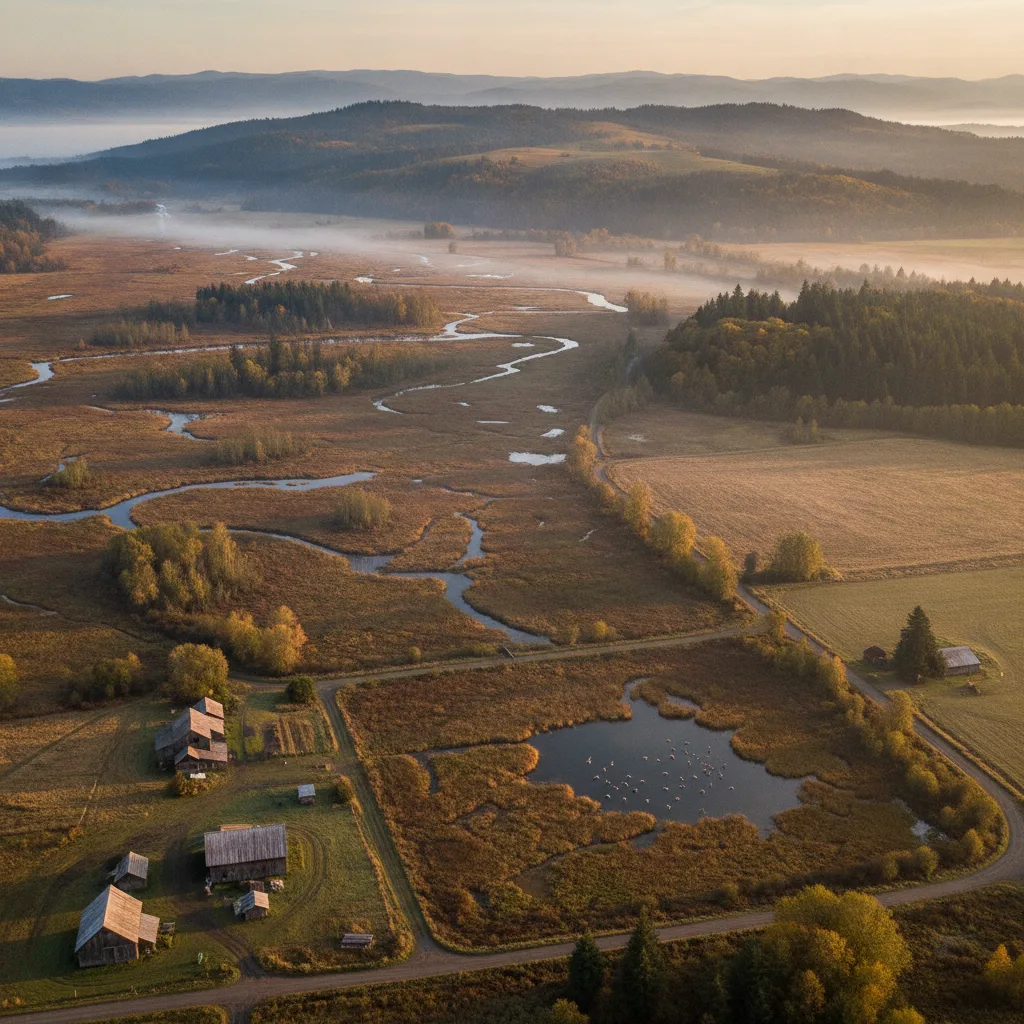
Welcome to our definitive guide for planning your visit to the Skagit Wildlife Area Washington. Our Skagit Wildlife Area guide covers practical planning for Skagit Wildlife Area Washington — best time to visit, getting there, and what to do on the ground. We cut through the noise to provide you with confident, specific recommendations, ensuring your trip to this vital Pacific Flyway stopover is nothing short of spectacular. This expansive wildlife area is a critical habitat for migratory birds, especially snow geese and swans in the winter months, offering unparalleled opportunities for birdwatching and nature photography.
Why Visit Skagit Wildlife Area
The Skagit Wildlife Area stands as a testament to Washington's commitment to preserving critical habitats. We visit for the sheer spectacle of nature, particularly during the colder months when tens of thousands of migratory birds transform the landscape. Imagine fields blanketed in white with snow geese, their calls echoing across the delta, or the graceful presence of trumpeter and tundra swans in the wetlands. It's an immersive experience that connects you directly with the rhythms of the natural world.
Beyond the impressive numbers of waterfowl, the Skagit Wildlife Area is a haven for raptors, with bald eagles frequently sighted, especially during the winter salmon runs along the Skagit River. Northern harriers and various owl species also patrol the skies, offering thrilling viewing opportunities for birdwatchers and photographers alike. For those seeking tranquility and a deep appreciation for wildlife, this area provides an escape from the everyday hustle. It's a place where you can slow down, observe, and capture truly unforgettable moments.
Who It's Best For
The Skagit Wildlife Area is an ideal destination for a diverse range of visitors, though its primary appeal lies with nature enthusiasts and wildlife photographers. Serious birdwatchers will find themselves in paradise, with the opportunity to tick off numerous species from their lists, particularly during the peak migratory seasons. The accessible nature of many viewing areas means that even casual observers can enjoy the spectacle without needing specialized equipment, though binoculars are always recommended.
Families with an interest in nature will also find the Skagit Wildlife Area rewarding. While strenuous hiking isn't the focus, the easy, flat trails are perfect for leisurely strolls, allowing children to experience wildlife up close (with appropriate guidance, of course). Photographers, from amateur to professional, will appreciate the dramatic landscapes and the dynamic action of thousands of birds in flight. Even solo travelers seeking quiet contemplation and a connection with the outdoors will find solace here. It's less about high-octane adventure and more about patient observation and appreciation of a vibrant ecosystem.
Getting There & Parking
Navigating to the Skagit Wildlife Area is straightforward, with its various units spread across the lower Skagit River delta. The primary access points are typically found off I-5. For instance, the Headquarters Unit at Wylie Slough is located about 3 miles west of Exit 221 off I-5, near Conway and Mount Vernon. From I-5, you'd head west on Fir Island Road, then turn onto Wylie Road, following it to the unit entrance.
Regarding parking, it's crucial to note that a Washington State Discover Pass is required for parking at all Skagit Wildlife Area units, as these are managed by the Washington Department of Fish and Wildlife (WDFW). As of October 1, 2025, an annual Discover Pass costs $45, while a single-day pass is $10. These passes can be purchased online, at REI, or from over 600 license vendors statewide. We strongly advise purchasing your pass in advance to avoid any delays upon arrival. There are also several "free days" throughout 2026 when a Discover Pass is not required for day use at state parks, DNR, and WDFW lands, including January 1, January 19, March 9, March 19, April 22, June 6-7, June 19, August 9, September 26, October 10, and November 11. Always check the official Discover Pass website for the most up-to-date information on fees and free days.
Some units, like the Telegraph Slough Unit, do not have onsite parking, so you'll need to plan accordingly, often using parking at the WDFW Skagit Wildlife Area Headquarters Unit boat launch. Parking lots at popular units like Fir Island Farm Reserve and Wylie Slough are generally ample, but can fill up during peak birding season weekends. We recommend arriving early, especially during winter mornings, to secure a spot and enjoy the best bird activity.
Top Things to Do
The Skagit Wildlife Area offers a focused yet incredibly rewarding array of activities, primarily centered around its abundant wildlife. Here are the top things to do at Skagit Wildlife Area:
- Birdwatching Extravaganza: This is, without a doubt, the main draw. During the winter months (November to March), the fields and wetlands come alive with tens of thousands of snow geese, trumpeter swans, and tundra swans. Key spots for these impressive flocks include the Fir Island Farm Reserve and the Wylie Slough (Headquarters Unit). Keep an eye out for bald eagles, northern harriers, and various other raptors circling overhead or perched in trees. The Samish Flats area is particularly known for raptors, including short-eared owls. We recommend bringing high-powered binoculars or a spotting scope to fully appreciate the distant flocks and individual birds.
- Nature Photography: With such a concentration of wildlife and the stunning backdrop of the Skagit Valley, the Skagit Wildlife Area is a dream for nature photographers. Capturing the synchronized flight of snow geese or the serene elegance of swans against a winter sky is an unforgettable experience. Early mornings and late evenings often provide the best light and most active bird behavior.
- Easy Walking & Wildlife Viewing: While not designed for strenuous treks, the Skagit Wildlife Area hiking trails are perfect for accessible wildlife observation. The trails, such as the 1.3-mile loop at Wylie Slough, are typically flat, wide gravel or packed dirt paths, often featuring boardwalk sections and viewing benches. These short trails are intentionally designed to provide easy access for quiet observation of the unique saltwater marsh ecosystem. Remember that pets are generally not allowed on the trails within the Skagit Wildlife Area to protect the wildlife.
- Exploring Different Units: The Skagit Wildlife Area is comprised of 21 management units. Beyond Fir Island and Wylie Slough, consider visiting the Leque Island Unit for different perspectives on the estuary, or the Samish Unit for diverse raptor sightings. Each unit offers slightly different habitats and therefore different viewing opportunities.
- Seasonal Events: If your visit aligns, consider local festivals. While the famous Skagit Valley Tulip Festival happens in spring, winter often sees events focused on eagle watching, such as the Skagit Eagle Festival in January, which offers educational activities upriver. The Snow Goose & Birding Festival in Stanwood (south of the main area) in late February is another excellent opportunity. These events can enhance your experience with guided tours and expert insights into the local wildlife.
When planning your things to do at Skagit Wildlife Area, remember to dress in layers, as weather can change quickly, and bring a thermos of a warm beverage during winter visits. The goal here is patient observation, so allow ample time at each viewing spot.
Best Time to Visit
For the quintessential Skagit Wildlife Area experience, we unequivocally recommend visiting during the **winter months**, roughly from November through March. This is when the area truly comes alive with the arrival of tens of thousands of migratory birds, making it the best time to visit for most travelers.
- Winter (November - March): This is the peak season for observing the massive flocks of snow geese and the elegant trumpeter and tundra swans. The snow geese typically arrive in November and stay through March, often blanketing entire fields in white. Swans also arrive around the first week of November. Additionally, hundreds of bald eagles are commonly seen along the Skagit River, particularly from December to January, drawn by the winter salmon runs. Early morning and late evening tend to offer the highest bird activity and often the most dramatic photographic opportunities. Be aware that waterfowl hunting season usually runs from mid-October to late January, which can impact the peacefulness of some areas for hikers, so check WDFW regulations if planning to hike during this time.
- Spring (April - May): While the massive winter flocks begin to disperse, spring still offers excellent birdwatching as other species migrate through or begin nesting. The landscape is vibrant with new growth, making for pleasant walks and photography. This is also the time of the famous Skagit Valley Tulip Festival, which, while not directly in the wildlife area, draws many visitors to the region and offers other attractions in Mount Vernon.
- Fall (September - October): The return of migratory waterfowl begins in the fall, and raptor concentrations increase. It's a transitional period, offering a preview of the winter spectacle. Hunting season also begins in the fall, so be mindful of regulations and designated hunting areas.
- Summer (June - August): While beautiful, summer is generally considered the least active time for birdwatching at the Skagit Wildlife Area, as many migratory species have moved north to their breeding grounds. However, resident birds and other wildlife are still present, and the trails offer pleasant walking conditions.
Ultimately, if your goal is to witness the incredible spectacle of migratory snow geese and swans, plan your visit for the heart of winter. Always check local birding reports or the Washington Department of Fish and Wildlife website for the most current bird activity and any potential closures or advisories.
Where to Stay Nearby
While the Skagit Wildlife Area itself doesn't offer overnight accommodations, there are several charming towns nearby that provide excellent Skagit Wildlife Area lodging options, ranging from comfortable hotels to quaint inns. We recommend basing yourself in one of these communities for easy access to the wildlife area and other regional attractions.
- Mount Vernon: As the largest city in Skagit County, Mount Vernon offers a wide selection of hotels, restaurants, and amenities. You'll find familiar brands like Quality Inn Mount Vernon and Tulip Inn Mount Vernon. It's a convenient hub with easy access to I-5, making it a practical choice for exploring the wildlife area and beyond.
- Burlington: Just a short drive from Mount Vernon, Burlington also provides numerous lodging choices, including Hampton Inn & Suites by Hilton and Candlewood Suites. These offer comfortable stays with amenities often suited for families or longer visits.
- La Conner: For a more picturesque and charming experience, the historic waterfront town of La Conner is an excellent option. It boasts boutique hotels and inns like the La Conner Channel Lodge and Wild Iris Inn, offering a more intimate atmosphere and scenic views. La Conner is a bit further from the main wildlife area units but provides a delightful base with art galleries, shops, and waterfront dining.
- Anacortes: Located on Fidalgo Island, Anacortes offers access to the San Juan Islands ferries and has a maritime charm. Hotels like Anacortes Inn or Anacortes Ship Harbor Inn provide good options, especially if you plan to combine your wildlife viewing with whale watching tours or exploring Deception Pass State Park.
For those seeking a more rustic experience, Skagit Wildlife Area lodging also includes camping and RV options in the wider Skagit Valley. Skagit River RV & Camping in Marblemount offers RV and tent sites with amenities like WiFi and hot showers, placing you closer to the North Cascades. There are also Hipcamp sites in the region, providing unique outdoor stays. For large groups, the Skagit County Fairgrounds in Mount Vernon can accommodate RV and tent camping in conjunction with specific events. Remember to book well in advance, especially during peak birding season or the Tulip Festival in spring.
Sample 2-Day Itinerary
To truly immerse ourselves in the Skagit Wildlife Area, we recommend a two-day itinerary, especially during the prime winter birding season. This allows for ample time to explore different units and witness the varied avian spectacles.
Day 1: Fir Island & Wylie Slough Immersion
- Morning (7:00 AM - 12:00 PM): Start your day early at the Fir Island Farm Reserve. This is one of the best-known winter gathering areas for snow geese and swans. We advise arriving shortly after sunrise when the birds are most active, often taking flight in massive, noisy flocks. Walk the easy trails, utilizing the viewing benches for quiet observation and photography. Remember your Discover Pass for parking.
- Lunch (12:00 PM - 1:00 PM): Head into nearby Conway or Mount Vernon for a casual lunch. There are several local diners and cafes offering hearty fare.
- Afternoon (1:00 PM - 4:00 PM): Explore the Skagit Wildlife Area Headquarters Unit at Wylie Slough. This area features a 1.3-mile loop trail with boardwalk sections, offering easy viewing of ducks, herons, swans, and raptors in its tidal marshes and forests. Visit around low tide for increased feeding activity.
- Late Afternoon/Evening (4:00 PM onwards): As dusk approaches, position yourself at a vantage point at Fir Island or Wylie Slough to witness the birds returning to their roosting sites – a truly spectacular sight and prime for photography. Afterward, check into your chosen Skagit Wildlife Area lodging in Mount Vernon or Burlington. Enjoy dinner at a local restaurant.
Day 2: Raptors, Estuaries & Local Culture
- Morning (8:00 AM - 12:00 PM): Drive north to the Samish Flats area. This unit is renowned for its raptor populations, including bald eagles, northern harriers, and short-eared owls. Spend your morning driving the rural roads and scanning the fields and skies. Consider also visiting the Padilla Bay Shore Trail, a 2.25-mile gravel path along a dike, offering views of the bay and diverse estuary wildlife.
- Lunch (12:00 PM - 1:00 PM): Have lunch in Edison, a small, artsy town near Samish Flats known for its bakeries and unique eateries.
- Afternoon (1:00 PM - 5:00 PM): Depending on your interests, you have a few options:
- Option A (More Birds): Revisit a favorite spot from Day 1 or explore another unit of the Skagit Wildlife Area, such as the Leque Island Unit.
- Option B (Local Charm): Head to La Conner for an afternoon of exploring its charming shops, art galleries, and waterfront.
- Option C (Seattle Sights): If time allows before heading home, consider a visit to Seattle. We highly recommend exploring Pike Place Market for its vibrant atmosphere and fresh seafood, or ascending the Space Needle for panoramic views.
- Evening: Depart for home or enjoy a final dinner in the Skagit Valley. If you're heading south, consider stopping at Mount Rainier National Park for an additional adventure, or further explore the natural beauty of Washington State at Olympic National Park. For those interested in art and architecture, Chihuly Garden and Glass is a must-see.
This itinerary provides a solid framework, but we always encourage flexibility to chase bird sightings or explore local events. Don't forget to consult our comprehensive guide to the Best places in Washington for more ideas, or our general Plan Your US Trip resource.
Frequently Asked Questions
Skagit Wildlife Area camping
Direct camping within the Skagit Wildlife Area itself is generally not permitted, as it is managed for wildlife habitat and observation. However, there are numerous camping options in the surrounding Skagit Valley. For RV and tent camping, Skagit River RV & Camping in Marblemount provides sites with amenities and is closer to the North Cascades. Hipcamp also lists various unique camping experiences in Skagit County. Additionally, for large events, the Skagit County Fairgrounds in Mount Vernon may offer RV and tent camping. Nearby state parks, such as Bay View State Park or Deception Pass State Park, also offer camping facilities. We recommend checking specific campground websites for reservations, fees, and availability, especially during peak seasons.
things to do in Mount Vernon
Mount Vernon offers a variety of attractions beyond its proximity to the wildlife area. You can explore the vibrant Mount Vernon Farmers Market, especially on Saturdays. Little Mountain Park provides hiking trails and panoramic views of the valley. The city hosts the annual Tulip Festival Street Fair from April 17-19, 2026, and a Fabulous 4th of July celebration with fireworks on July 4, 2026. The Riverwalk Summer Concert Series takes place every Thursday in July and August 2026. For educational fun, the Padilla Bay Reserve and Breazeale Interpretive Center offer insights into the local estuary and marine life. You can also enjoy local breweries, wineries like Tulip Valley Winery, or simply stroll through the downtown area.
Skagit Wildlife Area with kids
Visiting the Skagit Wildlife Area with kids can be a wonderful educational experience, especially during the winter birding season. The easy, flat walking trails at units like Wylie Slough and Fir Island Farm Reserve are suitable for all fitness levels and provide accessible viewing benches, making it manageable for families. Kids will be captivated by the sight and sound of thousands of snow geese and swans. We recommend bringing binoculars for closer views and dressing warmly. Beyond the wildlife area, the Children's Museum of Skagit County in Burlington offers interactive exhibits for younger children. The Padilla Bay Reserve and Breazeale Interpretive Center has an aquarium and hands-on learning activities. Lang's Horse and Pony Farm in Mount Vernon offers guided trail rides for various ages. Remember that pets are generally not allowed on the wildlife area trails.
best hotels near Skagit Wildlife Area
For the best hotels near Skagit Wildlife Area, we suggest looking in the nearby towns of Mount Vernon, Burlington, and La Conner. In Mount Vernon, options include the Quality Inn Mount Vernon and Tulip Inn Mount Vernon. Burlington offers several well-regarded choices such as the Hampton Inn & Suites by Hilton and Candlewood Suites. For a more charming stay, La Conner features the La Conner Channel Lodge and Wild Iris Inn. These hotels provide comfortable accommodations and convenient access to the various units of the wildlife area, as well as dining and other amenities.
Skagit Wildlife Area tips
To make the most of your visit to the Skagit Wildlife Area, we offer a few key tips:
- Get a Discover Pass: It's mandatory for parking. Purchase an annual pass for $45 or a day pass for $10, or plan your visit around one of the 2026 free days.
- Visit in Winter: For the best birdwatching, come between November and March to see snow geese, swans, and eagles.
- Go Early or Late: Bird activity is highest during early morning and late evening.
- Bring Binoculars/Scope: Many birds will be at a distance, so optics are essential for detailed viewing.
- Dress in Layers: The weather in the Skagit Valley can be unpredictable, especially in winter.
- Check Hunting Seasons: If you plan to hike, be aware that hunting season runs from September to January, and some areas may be less peaceful.
- Stay on Trails: Respect wildlife and habitats by remaining on designated paths. Pets are not allowed on trails.
- Consult Birding Reports: Check local birding groups or WDFW websites for current sightings and conditions.
where to stay near Skagit Wildlife Area
When considering where to stay near the Skagit Wildlife Area, your best options are the towns that form the gateway to the Skagit Valley. Mount Vernon and Burlington are the closest and offer the widest selection of hotels, including well-known brands like Hampton Inn & Suites, Quality Inn, and Candlewood Suites. For a more charming and scenic experience, the waterfront village of La Conner provides boutique inns and lodges. Anacortes, further west on Fidalgo Island, is another option, particularly if you're combining your trip with exploring the San Juan Islands or Deception Pass. For those preferring camping, several RV parks and Hipcamp sites are available throughout Skagit County.
The Skagit Wildlife Area Washington is a truly special destination, offering an unparalleled glimpse into the migratory patterns of North American birds. We hope this guide provides you with all the practical information you need to plan an unforgettable and rewarding visit. Whether you're a seasoned birder or simply seeking a peaceful encounter with nature, the Skagit Valley's winter spectacle awaits.
Last updated: 2026-07-08 by the Roam States team.