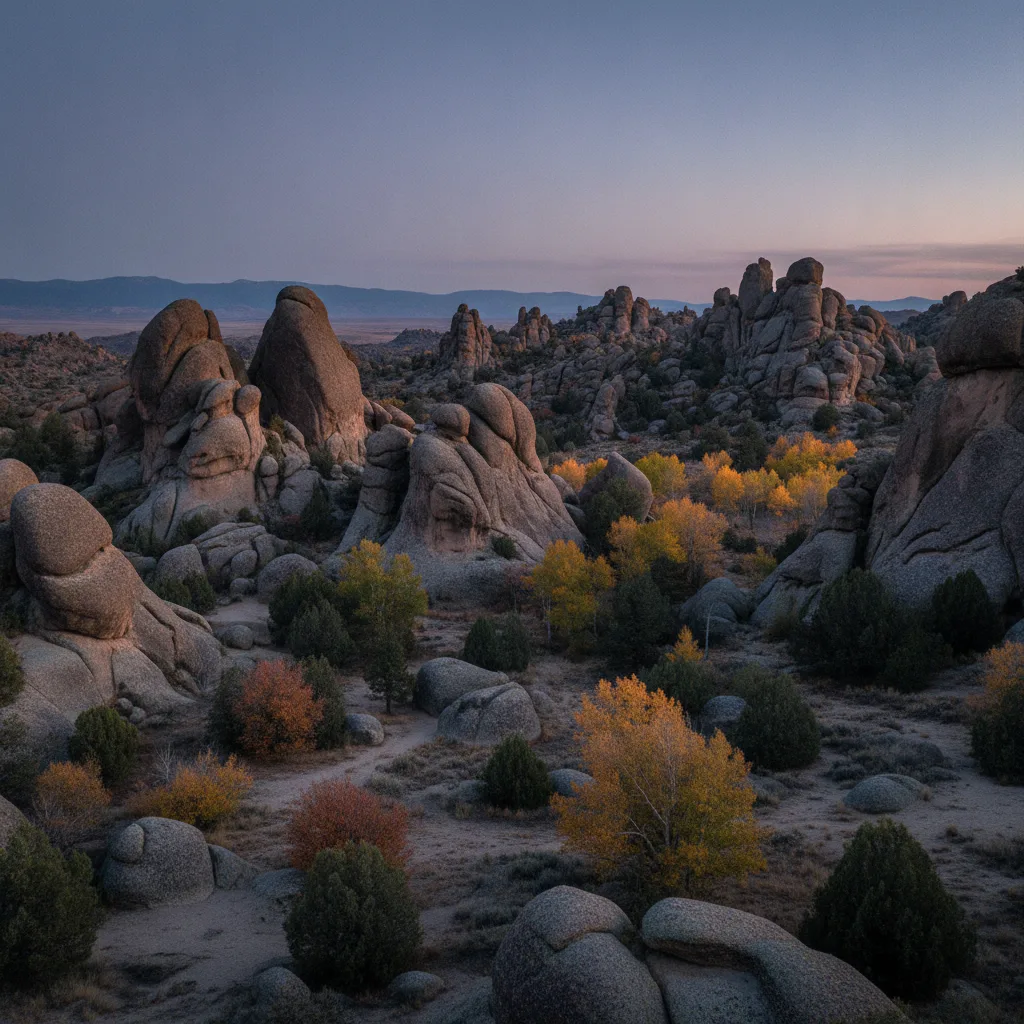
City of Rocks National Reserve Travel Guide — Idaho
When we set out to explore the most captivating corners of the American West, the City of Rocks National Reserve Idaho consistently rises to the top of our list. This remarkable landscape, nestled in south-central Idaho, is a place where history and geology converge, offering an experience unlike any other. Known for its massive granite spires and significance as a landmark along the historic California Trail, it's a destination that truly embodies the spirit of exploration.
Why Visit City of Rocks National Reserve
For our team, the allure of City of Rocks National Reserve is multifaceted. It's a place where the raw beauty of Idaho's high desert meets a profound sense of history. Imagine pioneers, weary from months on the California Trail, finding solace and a landmark in these very rock formations. The granite spires, some towering hundreds of feet, are not just geological wonders; they are silent witnesses to a pivotal era in American expansion. We're drawn to the unique blend of outdoor adventure, from world-class rock climbing to serene hiking, and the tangible connection to the past that permeates every corner of the reserve. It's a destination that encourages both active exploration and quiet contemplation, a rare combination that makes it exceptionally rewarding.
Is It Worth Visiting?
Absolutely. Our team unequivocally believes that City of Rocks National Reserve is worth visiting for anyone seeking a unique outdoor experience steeped in history. For those who appreciate dramatic landscapes, the sheer scale and sculptural artistry of the granite formations are reason enough to make the journey. But beyond the visual spectacle, the reserve offers a profound connection to the American West. Walking the same paths as pioneers, reading their signatures etched into the rocks, and camping beneath the same star-filled skies provides a perspective that few other places can. Whether you're a seasoned climber, a history buff, a nature photographer, or simply looking for a peaceful escape, City of Rocks delivers. The relatively remote location ensures a sense of solitude that is increasingly rare in popular national parks, making the experience even more special. We find that the unique combination of natural beauty, historical significance, and recreational opportunities makes City of Rocks National Reserve an essential Idaho destination.
Who It's Best For
City of Rocks National Reserve caters to a diverse range of visitors, though it particularly shines for those with a penchant for outdoor adventure and American history. We find it's an ideal destination for rock climbers of all skill levels, from beginners tackling easier routes to experienced climbers seeking challenging multi-pitch ascents on formations like Bath Rock and Flaming Rock. Hikers will revel in the extensive network of trails that wind through the dramatic landscape, offering stunning vistas and opportunities for wildlife viewing. History enthusiasts will be captivated by the well-preserved remnants of the California Trail and the chance to trace the footsteps of pioneers. Families with older children who enjoy outdoor activities like hiking, bouldering, and exploring will find plenty to keep them engaged. Photographers will be in paradise, with endless opportunities to capture the unique light and shadows playing across the granite spires. Essentially, if you appreciate rugged natural beauty, a deep sense of history, and opportunities for active exploration away from the crowds, this reserve is for you.
How to Get There
Reaching City of Rocks National Reserve involves a journey into a more remote part of Idaho, but the scenic drive is part of the adventure. The reserve is located in south-central Idaho, near the small town of Almo. We recommend planning your route carefully, as cell service can be spotty in the immediate vicinity. For most visitors, driving is the only practical option, and a vehicle with good ground clearance is advisable for some of the unpaved roads within the reserve, though not strictly necessary for accessing the main areas. The nearest major airports are in Salt Lake City, Utah (SLC), and Boise, Idaho (BOI). From Salt Lake City, the drive is approximately 3 hours and 30 minutes (about 180 miles) via I-84 W and then turning south on ID-77 S at Declo, eventually connecting to ID-79 S towards Almo. From Boise, the drive is roughly 3 hours (about 160 miles) via I-84 E and then taking exit 216 for ID-27 S towards Oakley, continuing through Oakley and then turning east onto Elba-Almo Road (ID-77 S) towards Almo. Once you reach Almo, follow signs for the City of Rocks National Reserve. The Visitor Center is located in Almo and is a great first stop for maps and current conditions. The main entrance to the reserve is just a few miles beyond Almo. Regarding parking, there are numerous designated parking areas throughout the reserve, often located near trailheads or popular climbing areas. These are typically well-marked, and while some are unpaved, they are generally accessible. We always advise checking the official City of Rocks National Reserve website for any 2026 road conditions or temporary closures before your visit.
City of Rocks National Reserve Camping
For our team, one of the most immersive ways to experience the City of Rocks National Reserve is by camping directly within its boundaries. The reserve offers several primitive campgrounds, allowing visitors to truly connect with the landscape. These campgrounds are popular, especially during peak season, so advance reservations are highly recommended. As of 2026, all camping within the reserve requires a reservation, which can be made through Recreation.gov. The typical camping season runs from May through October, though this can vary depending on weather conditions. Most campsites are primitive, meaning they offer basic amenities such as a picnic table, fire ring, and vault toilet access, but no hookups for RVs. Water is available at the Visitor Center in Almo and at a few designated locations within the reserve, but it's always wise to bring your own supply. Fees for individual campsites in 2026 generally range from $10 to $15 per night, depending on the specific campground and amenities. Some popular campgrounds include Bath Rock, Emigrant, and Circle Creek. Backcountry camping is also permitted in designated areas with a free permit, which can be obtained at the Visitor Center. We always emphasize Leave No Trace principles when camping here to preserve the pristine environment. Be prepared for varying weather conditions, even in summer, and always check for fire restrictions before lighting a campfire.
Top Things to Do
When our team visits City of Rocks National Reserve, we find ourselves with an embarrassment of riches when it comes to activities. The unique landscape offers something for every type of outdoor enthusiast. Here are some of the top things to do at City of Rocks National Reserve:
- Rock Climbing: This is arguably the most famous activity here, with the City of Rocks boasting over 700 routes ranging from beginner-friendly cracks to challenging multi-pitch climbs. Formations like Bath Rock, Flaming Rock, and Bread Loaf are iconic. We recommend hiring a local guide if you're new to the area or climbing.
- Hiking and Trail Running: Explore the extensive network of trails that wind through the granite spires and high desert landscape. We'll delve deeper into City of Rocks National Reserve hiking trails in the next section.
- Photography: The dramatic rock formations, unique flora and fauna, and stunning sunrises and sunsets provide endless opportunities for photographers. The light changes constantly, offering new perspectives throughout the day.
- Birdwatching and Wildlife Viewing: Keep an eye out for raptors soaring overhead, various songbirds, and mammals like deer, elk, and even bobcats. The diverse ecosystem supports a surprising array of life.
- Exploring the California Trail: Walk in the footsteps of pioneers along segments of the historic California Trail. Look for wagon ruts etched into the rock and the "Register Rock" where emigrants left their names in axle grease.
- Picnicking: Numerous scenic picnic areas are scattered throughout the reserve, perfect for a leisurely meal amidst the stunning scenery.
- Stargazing: Far from urban light pollution, City of Rocks National Reserve offers incredibly dark skies, making it an exceptional spot for stargazing and astrophotography.
No matter your interest, the things to do at City of Rocks National Reserve are sure to create lasting memories.
City of Rocks National Reserve Hiking Trails
For our team, exploring the City of Rocks National Reserve hiking trails is an essential part of any visit. The reserve offers a variety of trails, catering to different fitness levels and interests, all providing breathtaking views of the granite spires and the surrounding high desert. Many of these trails are multi-use, allowing for hiking, trail running, and even horseback riding. We always recommend picking up a detailed map at the Almo Visitor Center before heading out. Here are some of the prominent City of Rocks National Reserve hiking trails:
- Geology Trail: This easy, family-friendly loop (approximately 0.5 miles) offers an excellent introduction to the reserve's geology and history, with interpretive signs along the way.
- California Trail Interpretive Trail: A moderate, 1.5-mile loop that takes you past historic wagon ruts and Register Rock, where pioneers left their marks. It's a fantastic way to connect with the reserve's past.
- Bath Rock Trail: A short, steep climb to the top of Bath Rock offers panoramic views of the entire reserve. It's a rewarding hike for those looking for a quick but impactful ascent.
- Circle Creek Overlook Trail: This moderate trail (around 2 miles round trip) leads to a stunning overlook of Circle Creek and the surrounding rock formations, providing excellent photographic opportunities.
- Window Arch Trail: A relatively easy hike (about 1 mile round trip) to a natural rock arch, offering a unique geological feature and a great photo op.
For more strenuous options, many climbers utilize approach trails that lead to the base of various formations, which can also be explored by hikers. We advise wearing sturdy hiking boots, bringing plenty of water, and being aware of weather conditions, especially during the summer months when temperatures can be high. Always stay on marked trails to protect the delicate ecosystem and avoid disturbing wildlife. The diversity of City of Rocks National Reserve hiking trails ensures that every visitor can find a path to explore.
Best Time to Visit
Our team has found that the best time to visit City of Rocks National Reserve largely depends on your planned activities. Generally, the shoulder seasons of **spring (April-May)** and **fall (September-October)** offer the most pleasant weather for hiking, climbing, and exploring. During these months, temperatures are mild, typically ranging from 50-70°F (10-21°C), and the crowds are generally smaller than in the peak summer. Wildflowers bloom in the spring, adding vibrant color to the landscape, while the fall brings crisp air and beautiful light for photography.
Summer (June-August) is the busiest season, especially for climbers. While days can be hot, often exceeding 80-90°F (27-32°C), the higher elevation means cooler evenings. Early mornings and late afternoons are best for outdoor activities during summer to avoid the midday heat. It's crucial to carry ample water if visiting during this time. Winter (November-March) sees snow and cold temperatures, and many roads within the reserve may be impassible. While a beautiful and solitary experience for snowshoeing or cross-country skiing, access can be limited. The Visitor Center in Almo is generally open year-round, though hours may be reduced in the off-season. We always recommend checking the official reserve website for current conditions and any potential closures before planning your trip.
Where to Stay Nearby
While camping within the City of Rocks National Reserve offers an unparalleled experience, our team recognizes that not everyone prefers to rough it. Fortunately, there are several lodging options in the vicinity, offering comfort after a day of exploration. The closest town with services is **Almo, Idaho**, which is essentially at the doorstep of the reserve. Here, you'll find a few small, locally-run motels, cabins, and guesthouses. These options often book up quickly, especially during peak climbing season, so advance reservations are crucial.
For a wider array of choices, including more traditional hotels and restaurants, you'll need to venture a bit further. **Burley, Idaho**, located about an hour's drive north on I-84, offers a selection of chain hotels, motels, and dining establishments. This is a good base if you prefer more amenities and don't mind the daily commute to the reserve. Another option, though further out, is **Twin Falls, Idaho**, approximately 1.5 hours away. Twin Falls provides the most comprehensive range of accommodations, from budget-friendly motels to mid-range hotels, along with a variety of restaurants and services. It's also home to the impressive Shoshone Falls, making it a potential stop on a longer Idaho itinerary. Remember that even from these towns, you'll still have a significant drive to reach the heart of the reserve each day, so factor travel time into your plans.
Sample 2-Day Itinerary
Our team has crafted a sample 2-day itinerary to help you make the most of your visit to City of Rocks National Reserve, balancing adventure, history, and relaxation.
Day 1: Arrival, History, and Gentle Exploration
- Morning (Arrival & Orientation): Arrive at the Almo Visitor Center (check 2026 hours before you go, typically 8:00 AM - 4:30 PM daily during peak season). Pick up maps, get current conditions, and learn about the reserve's history.
- Late Morning (California Trail Immersion): Head into the reserve and spend time exploring the California Trail Interpretive Trail. Walk the historic wagon ruts and find your way to Register Rock to see the pioneer signatures. This is a perfect introduction to the historical significance of the City of Rocks National Reserve Idaho.
- Lunch: Enjoy a picnic lunch at one of the scenic picnic areas, perhaps near Bath Rock, soaking in the views.
- Afternoon (Geology & Easy Hike): Take a leisurely stroll along the Geology Trail to understand the forces that shaped these incredible formations. If time and energy permit, a short hike to Window Arch offers a unique photo opportunity.
- Evening (Camping & Stargazing): Settle into your pre-reserved campsite. Prepare dinner and enjoy the incredible dark skies. With minimal light pollution, the stargazing here is truly phenomenal.
Day 2: Adventure and Panoramic Views
- Morning (Climbing or Challenging Hike): For climbers, this is your day to hit the rocks! Choose a route suited to your skill level. If you're not climbing, tackle a more challenging City of Rocks National Reserve hiking trail, such as the ascent to the top of Bath Rock for panoramic views, or the Circle Creek Overlook Trail.
- Lunch: Another packed lunch on the go, allowing you to maximize your time exploring.
- Afternoon (Further Exploration or Relaxation): Depending on your energy levels, you could explore another section of the reserve, revisit a favorite spot, or simply relax at your campsite, reading and enjoying the tranquility. Consider a short, easy walk along the creek bed if you're looking for something gentle.
- Late Afternoon (Departure or Extended Stay): Begin your journey home, or if you've extended your camping reservation, enjoy one more evening under the Idaho stars.
This itinerary provides a solid foundation, but remember to tailor it to your interests and the conditions during your visit. For those with more time, consider extending your trip to explore other Idaho gems like the Sawtooth National Recreation Area or Craters of the Moon National Monument.
FAQ
What are the best things to do in City of Rocks National Reserve?
The best things to do in City of Rocks National Reserve include world-class rock climbing on its massive granite spires, hiking numerous trails to explore the unique geology and historical sites, and exploring the historic California Trail, including viewing pioneer signatures at Register Rock. Photography, birdwatching, and stargazing are also highly recommended activities. Our team finds the blend of adventure and history particularly compelling.
Is City of Rocks National Reserve good with kids?
City of Rocks National Reserve can be excellent with kids, especially those who enjoy outdoor activities. There are several easy, family-friendly trails like the Geology Trail, and kids often love scrambling on the smaller rocks. The historical aspect of the California Trail can also be engaging. However, parents should be mindful of the remote location, limited amenities, and the need for constant supervision around climbing areas. We recommend it for families whose children are comfortable with hiking and outdoor exploration.
What are some City of Rocks National Reserve tips for visitors?
Our top City of Rocks National Reserve tips include: bring plenty of water, as sources are limited; wear sturdy shoes for hiking and exploring; make camping reservations well in advance, especially for peak season; pick up a detailed map at the Almo Visitor Center; be prepared for varying weather conditions; and always practice Leave No Trace principles to protect the environment. Cell service is spotty, so download maps and information beforehand. We also advise checking for fire restrictions if you plan to have a campfire.
What is the parking situation at City of Rocks National Reserve?
Parking at City of Rocks National Reserve is generally available in numerous designated areas throughout the reserve. These parking lots are typically located near trailheads, climbing access points, and campgrounds. While many are unpaved, they are usually accessible by standard vehicles. We recommend consulting a reserve map from the Visitor Center to locate specific parking areas for your planned activities.
What is the best time to visit City of Rocks National Reserve?
The best time to visit City of Rocks National Reserve for most activities is during the shoulder seasons of spring (April-May) and fall (September-October) when temperatures are mild and pleasant for hiking and climbing. Summer (June-August) is also popular, especially for climbers, but temperatures can be hot, requiring early morning or late afternoon activities. Winter offers a solitary, snow-covered experience but with limited access due to road closures.
What are the City of Rocks National Reserve hours and fees?
City of Rocks National Reserve is generally open 24 hours a day, year-round, for day use, allowing access to its trails and rock formations. The Almo Visitor Center typically operates from 8:00 AM to 4:30 PM daily during peak season (May-October), with reduced hours in the off-season. As of 2026, there is no entrance fee to access the City of Rocks National Reserve itself. However, camping within the reserve requires a reservation and incurs a fee, typically ranging from $10 to $15 per night.
The City of Rocks National Reserve Idaho is more than just a collection of impressive rock formations; it's a living monument to both natural history and human endeavor. Our team consistently finds ourselves captivated by its rugged beauty, the silent stories etched into its granite, and the endless opportunities for adventure. Whether you're scaling a spire, tracing pioneer footsteps, or simply gazing at the Milky Way, a visit here promises an unforgettable experience. We encourage you to plan your trip to this extraordinary corner of Idaho and discover its magic for yourself. For more incredible Idaho adventures, be sure to check out our guide to Best Places in Idaho.
Last updated: 2026-07-05 by the Visit America team.